

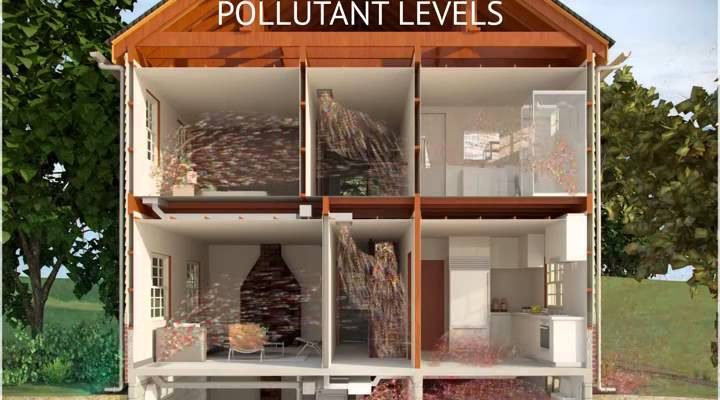
The quality of indoor air is a crucial factor affecting the health, comfort, and well-being of residents. Positive airflow in a home, a system designed to create a slight positive pressure by pushing air into the building, plays a significant role in improving indoor air environments. This article will explore what positive airflow is, how it benefits a home, and the methods for achieving optimal airflow to enhance indoor air quality and overall comfort.
What is Positive Airflow?
Positive airflow refers to the condition where the air pressure inside a building is slightly higher than the air pressure outside. This is achieved by strategically introducing fresh air into the home, which helps push out stale and potentially contaminated air through leaks and other openings. The concept is commonly used in clean room environments and healthcare settings but is increasingly being applied in residential areas to improve indoor air quality and comfort.
Benefits of Positive Airflow in Homes
1. Improved Air Quality

One of the primary benefits of positive airflow is the significant improvement in indoor air quality it offers. By continuously introducing fresh air into the home, positive airflow systems reduce the concentration of indoor pollutants such as VOCs (Volatile Organic Compounds), allergens, dust, and mold spores. This is particularly beneficial for individuals with allergies, asthma, or other respiratory issues.
2. Moisture Control
Excessive moisture is a common problem in many homes, leading to mold growth and the deterioration of building materials. Positive airflow helps to control humidity levels by pushing moist air outside and reducing condensation on walls and windows. This not only protects the structural integrity of the home but also prevents the growth of mold and mildew, which can have health implications.
3. Reduction of Infiltration of Pollutants
In homes with negative pressure, outdoor pollutants such as smoke, dust, and pollen can be drawn inside more easily. Positive pressure systems reverse this flow, pushing indoor air outward. This helps to keep out environmental pollutants and improves the overall air quality inside the home.
4. Enhanced Comfort
Maintaining a steady supply of fresh air can significantly enhance comfort within a home. Positive airflow systems help eliminate odors, reduce the buildup of stale air, and maintain a fresh and pleasant living environment. This is especially noticeable in homes without adequate natural ventilation.
5. Energy Efficiency
When implemented correctly, positive airflow systems can contribute to energy efficiency. By stabilizing indoor environments, these systems can reduce the workload on heating, ventilation, and air conditioning (HVAC) systems, potentially lowering energy consumption and utility bills.
How to Achieve Positive Airflow in Your Home
1. Mechanical Ventilation
The most effective way to establish positive airflow is through mechanical ventilation. This involves using fans and duct systems to continuously bring fresh air into the home. Heat recovery ventilators (HRVs) and energy recovery ventilators (ERVs) are particularly effective as they can introduce fresh air while recovering energy from the outgoing air, thus maintaining energy efficiency.
2. Air Sealing and Insulation
To maintain positive pressure, it is crucial to manage the air leakage from the home. Sealing cracks, gaps, and other openings can help control the air exchange and enhance the effectiveness of a positive airflow system. Proper insulation also plays a role in maintaining the desired indoor temperature and pressure.
3. Controlled Ventilation Outlets
In addition to introducing fresh air, controlling where it exits is also important. Strategically placing exhaust fans and vents in areas like bathrooms and kitchens can help manage moisture and odors more effectively, enhancing the overall impact of the positive airflow system.
4. Regular Maintenance

Like any other system, maintaining positive airflow requires regular checks and maintenance. This includes cleaning or replacing filters, inspecting fans and ductwork for blockages, and ensuring that vents are not obstructed.
Positive airflow is a powerful concept in residential ventilation that offers numerous benefits, from improved air quality and moisture control to enhanced indoor comfort and energy efficiency. By understanding and implementing strategies to maintain a slight positive pressure in their homes, homeowners can enjoy a healthier, more comfortable living environment.
Investing in proper ventilation systems and regular maintenance will ensure that the benefits of positive airflow are maximized. As awareness of indoor air quality and its impact on health continues to grow, positive airflow systems represent a proactive approach to ensuring a safer, more pleasant home environment.
Contact the Professionals at EZ Breathe Today! 866-822-7328