Winter often surprises homeowners with a sudden rise in basement moisture levels, even though the outdoor air feels cold and dry. This seasonal increase in
Most homeowners rely on their HVAC system tokeep their indoor environment comfortable throughout the year. Heating and cooling systems regulate temperature, filter dust, and maintain
Ever consider how the state of your basement could be affecting the quality of your indoor air? Waterproofing your basement isn’t just about preventing unwanted
April is recognized as National Healthy Homes Month (NHHM), a time dedicated to raising awareness about the vital connection between our living environments and overall
To provide the best experiences, we use technologies like cookies to store and/or access device information. Consenting to these technologies will allow us to process data such as browsing behavior or unique IDs on this site. Not consenting or withdrawing consent, may adversely affect certain features and functions.
FunctionalAlways active
The technical storage or access is strictly necessary for the legitimate purpose of enabling the use of a specific service explicitly requested by the subscriber or user, or for the sole purpose of carrying out the transmission of a communication over an electronic communications network.
Preferences
The technical storage or access is necessary for the legitimate purpose of storing preferences that are not requested by the subscriber or user.
Statistics
The technical storage or access that is used exclusively for statistical purposes.The technical storage or access that is used exclusively for anonymous statistical purposes. Without a subpoena, voluntary compliance on the part of your Internet Service Provider, or additional records from a third party, information stored or retrieved for this purpose alone cannot usually be used to identify you.
Marketing
The technical storage or access is required to create user profiles to send advertising, or to track the user on a website or across several websites for similar marketing purposes.
Indoor air quality (IAQ) is crucial for maintaining a healthy living environment. Poor air quality can lead to various health issues, including respiratory problems, allergies, and even long-term chronic conditions. Understanding the factors that contribute to IAQ can empower homeowners to take proactive steps in improving their indoor environment.
Common sources of indoor air pollution include mold, dust mites, and volatile organic compounds (VOCs) emitted from household products. Regular maintenance of ventilation systems, using air purifiers, and ensuring proper humidity levels can significantly enhance the quality of air indoors, leading to a healthier home.
How EZ Breathe Systems Work
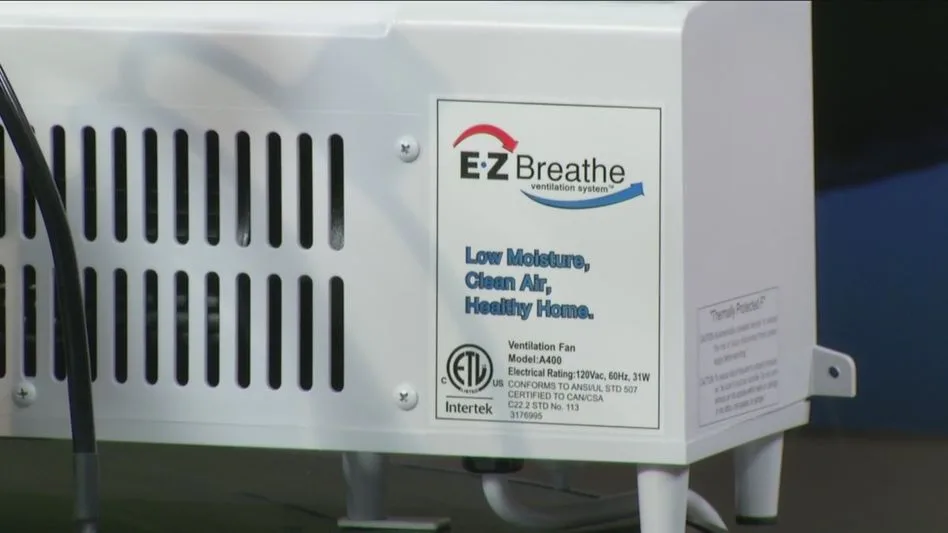
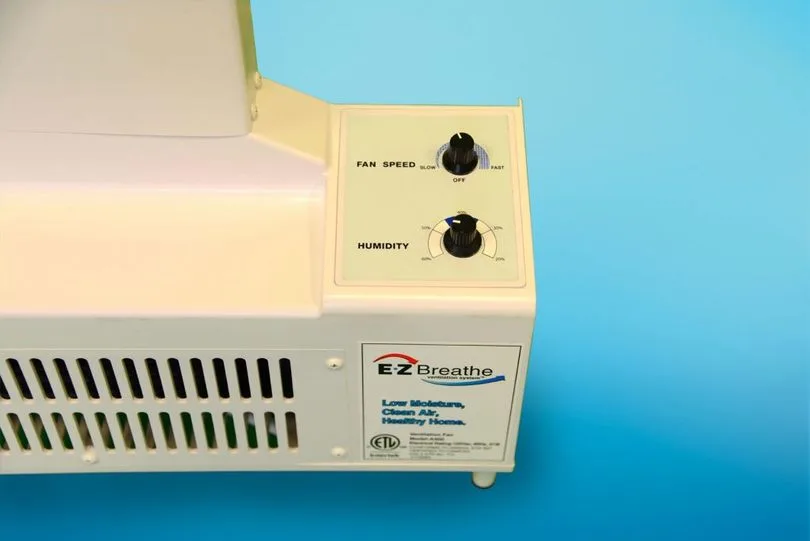
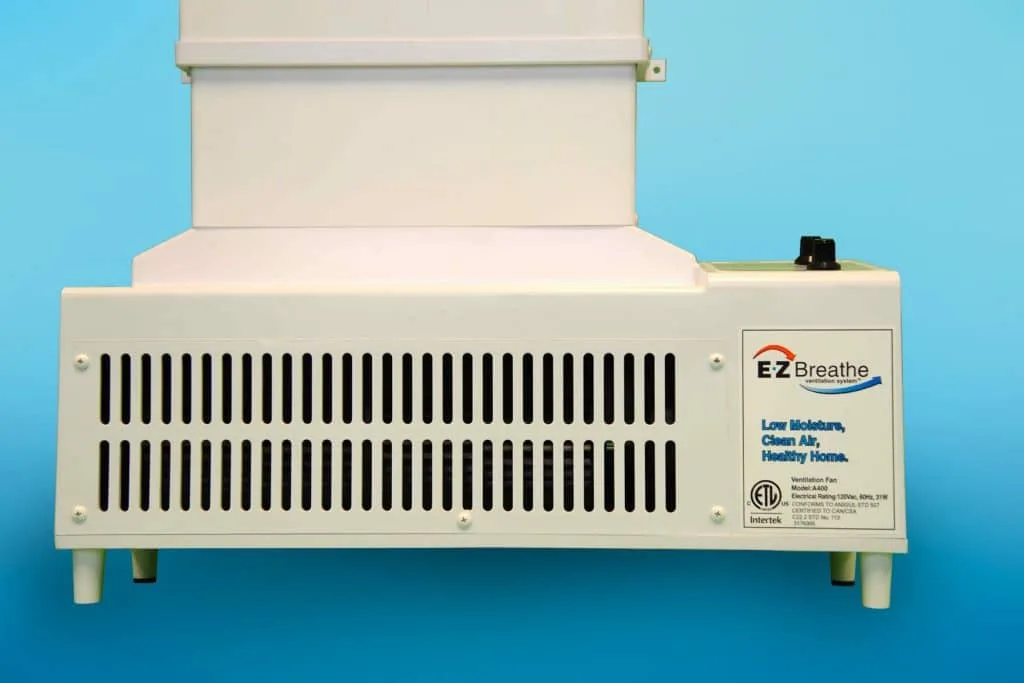
EZ Breathe ventilation systems are designed to improve indoor air quality by effectively removing excess moisture and stale air from the home. These systems work by creating a continuous flow of fresh air, which helps to prevent the buildup of pollutants and allergens, ensuring a cleaner and healthier living space.
Utilizing a unique filtration process, EZ Breathe systems not only enhance air circulation but also reduce energy costs by working in conjunction with existing HVAC systems. This integration allows for efficient air management without requiring extensive modifications to the home’s infrastructure.
Common Indoor Air Quality Issues and Solutions
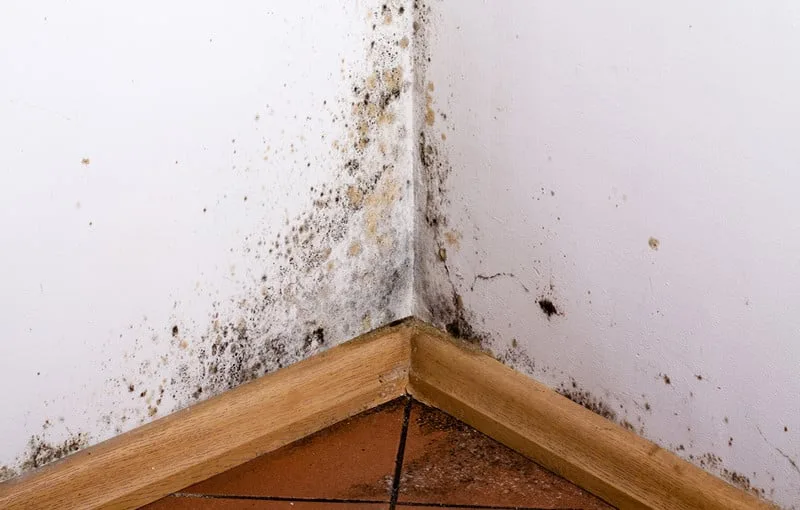
Many homeowners face challenges related to indoor air quality, including mold growth, high humidity, and inadequate ventilation. These issues can lead to significant discomfort and health risks if not addressed properly. Identifying these problems early is essential for maintaining a safe living environment.
Solutions such as installing a dedicated ventilation system, using dehumidifiers, and conducting regular air quality assessments can help mitigate these issues. Homeowners should also consider routine inspections of their HVAC systems to ensure they are functioning optimally and contributing positively to indoor air quality.
Tips for Maintaining Healthy Indoor Air Quality
Maintaining healthy indoor air quality requires consistent effort and awareness of various factors that can impact air quality. Simple practices such as regular cleaning, using natural cleaning products, and ensuring adequate ventilation can make a significant difference in the air you breathe.
Additionally, homeowners should be mindful of indoor plants that can naturally filter air pollutants and improve humidity levels. Regularly changing air filters in HVAC systems and seeking professional advice for air quality solutions can further enhance the overall indoor environment.
Indoor air quality (IAQ) is crucial for maintaining a healthy living environment. Poor air quality can lead to various health issues, including respiratory problems, allergies, and even long-term chronic conditions. Understanding the factors that contribute to IAQ can empower homeowners to take proactive steps in improving their indoor environment.
Common sources of indoor air pollution include mold, dust mites, and volatile organic compounds (VOCs) emitted from household products. Regular maintenance of ventilation systems, using air purifiers, and ensuring proper humidity levels can significantly enhance the quality of air indoors, leading to a healthier home.
How EZ Breathe Systems Work
EZ Breathe ventilation systems are designed to improve indoor air quality by effectively removing excess moisture and stale air from the home. These systems work by creating a continuous flow of fresh air, which helps to prevent the buildup of pollutants and allergens, ensuring a cleaner and healthier living space.
Utilizing a unique filtration process, EZ Breathe systems not only enhance air circulation but also reduce energy costs by working in conjunction with existing HVAC systems. This integration allows for efficient air management without requiring extensive modifications to the home’s infrastructure.
Common Indoor Air Quality Issues and Solutions
Many homeowners face challenges related to indoor air quality, including mold growth, high humidity, and inadequate ventilation. These issues can lead to significant discomfort and health risks if not addressed properly. Identifying these problems early is essential for maintaining a safe living environment.
Solutions such as installing a dedicated ventilation system, using dehumidifiers, and conducting regular air quality assessments can help mitigate these issues. Homeowners should also consider routine inspections of their HVAC systems to ensure they are functioning optimally and contributing positively to indoor air quality.
Tips for Maintaining Healthy Indoor Air Quality
Maintaining healthy indoor air quality requires consistent effort and awareness of various factors that can impact air quality. Simple practices such as regular cleaning, using natural cleaning products, and ensuring adequate ventilation can make a significant difference in the air you breathe.
Additionally, homeowners should be mindful of indoor plants that can naturally filter air pollutants and improve humidity levels. Regularly changing air filters in HVAC systems and seeking professional advice for air quality solutions can further enhance the overall indoor environment.