Contact EZ Breathe for a Free Ice Dam Prevention Consultation
How to Prevent Ice Dams with EZ Breathe Ventilation
Be Prepared This Winter
The same force that causes hot air balloons to rise can create conditions in the home that are favorable for ice dam formation. Ice dams are actually caused by the presence of warm air in the attic, combined with snow on the roof and the right weather conditions.
What is an Ice Dam?
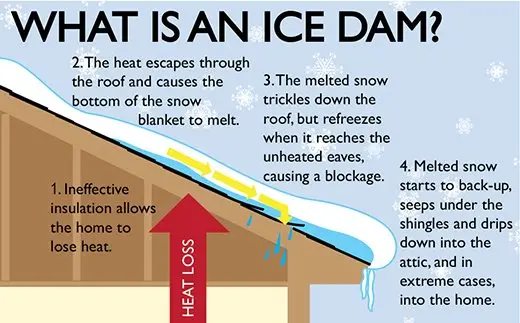
An ice dam is a ridge of ice that forms at the edge of the roof and prevents melting snow from draining off the roof. Warm air leaking from the house into the attic is the primary cause of ice dams. When heat leaks into the attic it melts the underside of the snow on the roof, which then flows down the roof surface until it reaches a cold spot (such as the eaves or soffit) where it forms a frozen dam. The ice build-up can back up under the shingles, damaging them and allowing water to leak to the ceilings and walls below.
How Do Ice Dams Form?
Ice dams form when melted snow refreezes at roof edges. Anyone who has lived in cold climates has seen ice dams. We’ve enjoyed the sparkling beauty of ice formations built along roof eaves (of other people’s homes). However, most of us don’t stop to understand why these ice bands form until they damage our own home.
Indoor heating rises through the ceiling into the attic and warms the roof surface
Snow on the heated part of the roof melts and flows down until it reaches that part of the roof that is below 32 degrees. Water freezes into an ice dam.
The dam grows as it is fed by melting snow above, but water held by the dam backs up and stays liquid.
Eventually, the water finds cracks in the roof covering and flows into the attic from where it could seep through the ceiling and interior walls.
Click here to learn more about Ice Dam prevention.
A Healthier Home Starts With Cleaner Air
Improve your indoor air quality with the EZ Breathe Ventilation System.
To provide the best experiences, we use technologies like cookies to store and/or access device information. Consenting to these technologies will allow us to process data such as browsing behavior or unique IDs on this site. Not consenting or withdrawing consent, may adversely affect certain features and functions.
Functional Always active
The technical storage or access is strictly necessary for the legitimate purpose of enabling the use of a specific service explicitly requested by the subscriber or user, or for the sole purpose of carrying out the transmission of a communication over an electronic communications network.
Preferences
The technical storage or access is necessary for the legitimate purpose of storing preferences that are not requested by the subscriber or user.
Statistics
The technical storage or access that is used exclusively for statistical purposes.The technical storage or access that is used exclusively for anonymous statistical purposes. Without a subpoena, voluntary compliance on the part of your Internet Service Provider, or additional records from a third party, information stored or retrieved for this purpose alone cannot usually be used to identify you.
Marketing
The technical storage or access is required to create user profiles to send advertising, or to track the user on a website or across several websites for similar marketing purposes.
Ice dams can lead to severe damage to your home, affecting both the exterior and interior. When water backs up behind an ice dam, it can seep into the roof structure, causing leaks that result in mold, mildew, and substantial repair costs. Homeowners may face issues such as stained ceilings, damaged insulation, and compromised structural integrity.
In addition to physical damage, ice dams can also affect your home's energy efficiency. As warm air escapes into the attic, it leads to increased heating costs during winter months. This inefficiency not only strains your budget but also contributes to environmental concerns, making it crucial to address the underlying issues that lead to ice dam formation.
Effective Ventilation Strategies to Prevent Ice Dams
Proper ventilation is key to preventing ice dams and maintaining a healthy indoor environment. By ensuring that your attic is well-ventilated, you can keep temperatures consistent and prevent warm air from accumulating. Strategies include installing soffit vents, ridge vents, and ensuring that insulation is properly placed to allow for airflow.
Additionally, the EZ Breathe Ventilation System offers advanced solutions that enhance air circulation throughout your home. This system helps to regulate attic temperatures, significantly reducing the risk of ice dam formation while also improving overall indoor air quality. Homeowners can benefit from a healthier living space and lower energy costs.
Signs of Ice Dams and When to Act
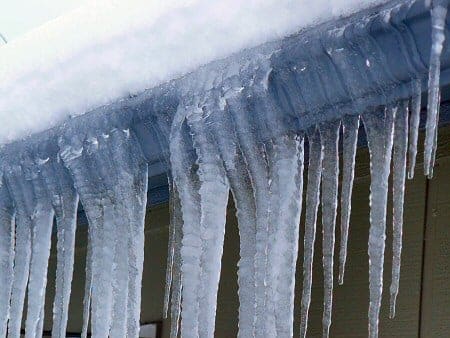
Recognizing the signs of ice dams early can help prevent extensive damage to your home. Look for icicles forming along the edges of your roof, as well as water stains on ceilings and walls. These indicators suggest that melting snow is being trapped and refreezing, leading to potential ice dam formation.
If you notice these signs, it’s essential to take action promptly. Contacting a professional for an assessment can help you address ventilation issues before they escalate. EZ Breathe offers consultations to evaluate your home’s ventilation needs and provide tailored solutions to prevent ice dams effectively.
Long-Term Solutions for Ice Dam Prevention
In addition to immediate fixes, investing in long-term solutions is vital for preventing ice dams year after year. Comprehensive insulation upgrades, along with the installation of effective ventilation systems, can create a more stable environment that discourages ice dam formation.
EZ Breathe’s innovative ventilation solutions not only help to mitigate the risk of ice dams but also contribute to a healthier indoor climate year-round. By prioritizing these long-term strategies, homeowners can ensure their homes remain safe, comfortable, and energy-efficient during winter months.
Consequences of Ice Dams on Your Home
Ice dams can lead to severe damage to your home, affecting both the exterior and interior. When water backs up behind an ice dam, it can seep into the roof structure, causing leaks that result in mold, mildew, and substantial repair costs. Homeowners may face issues such as stained ceilings, damaged insulation, and compromised structural integrity.
In addition to physical damage, ice dams can also affect your home's energy efficiency. As warm air escapes into the attic, it leads to increased heating costs during winter months. This inefficiency not only strains your budget but also contributes to environmental concerns, making it crucial to address the underlying issues that lead to ice dam formation.
Effective Ventilation Strategies to Prevent Ice Dams
Proper ventilation is key to preventing ice dams and maintaining a healthy indoor environment. By ensuring that your attic is well-ventilated, you can keep temperatures consistent and prevent warm air from accumulating. Strategies include installing soffit vents, ridge vents, and ensuring that insulation is properly placed to allow for airflow.
Additionally, the EZ Breathe Ventilation System offers advanced solutions that enhance air circulation throughout your home. This system helps to regulate attic temperatures, significantly reducing the risk of ice dam formation while also improving overall indoor air quality. Homeowners can benefit from a healthier living space and lower energy costs.
Signs of Ice Dams and When to Act
Recognizing the signs of ice dams early can help prevent extensive damage to your home. Look for icicles forming along the edges of your roof, as well as water stains on ceilings and walls. These indicators suggest that melting snow is being trapped and refreezing, leading to potential ice dam formation.
If you notice these signs, it’s essential to take action promptly. Contacting a professional for an assessment can help you address ventilation issues before they escalate. EZ Breathe offers consultations to evaluate your home’s ventilation needs and provide tailored solutions to prevent ice dams effectively.
Long-Term Solutions for Ice Dam Prevention
In addition to immediate fixes, investing in long-term solutions is vital for preventing ice dams year after year. Comprehensive insulation upgrades, along with the installation of effective ventilation systems, can create a more stable environment that discourages ice dam formation.
EZ Breathe’s innovative ventilation solutions not only help to mitigate the risk of ice dams but also contribute to a healthier indoor climate year-round. By prioritizing these long-term strategies, homeowners can ensure their homes remain safe, comfortable, and energy-efficient during winter months.