

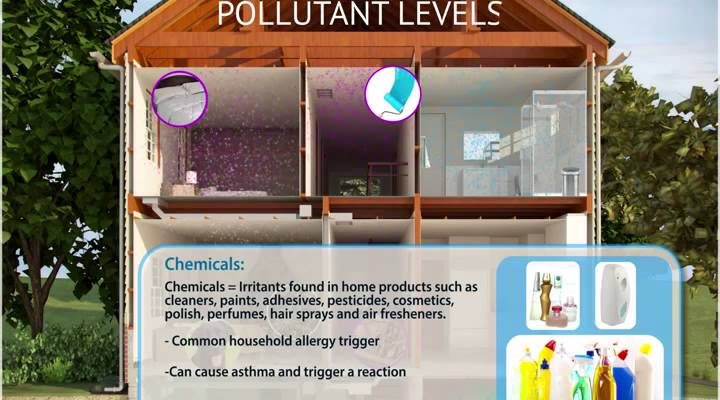
The quality of indoor air in our homes is crucial for our well-being and health. Often overlooked, the air inside our homes can be laden with various chemicals from everyday products and materials. This article delves into the common sources of indoor air pollution, the risks associated with exposure to these chemicals, and practical steps homeowners can take to minimize their impact.
Understanding Indoor Air Quality (IAQ)
Indoor Air Quality (IAQ) refers to the air quality within and around buildings and structures, especially as it relates to the health and comfort of building occupants. Understanding and controlling common pollutants indoors can help reduce the risk of indoor health concerns.
Common Sources of Chemicals in Indoor Air
1. Household Cleaning Products
Products such as disinfectants, polishes, and cleaners often contain volatile organic compounds (VOCs) like formaldehyde, ammonia, and bleach. These compounds can evaporate into the air and contribute to indoor pollution.
2. Building Materials
Materials used in home construction such as paint, varnish, sealants, and flooring materials can emit a variety of toxic substances, including formaldehyde and other VOCs, long after they have been installed.
3. Furnishings
Furniture and upholstery can release chemicals absorbed during their manufacturing process. For instance, flame retardants and phthalates in plastics and textiles can vaporize into the air.
4. Personal Care Products
Products like hairsprays, perfumes, and colognes are significant sources of VOCs inside the home. These substances can linger in the air and contribute to a chemical cocktail in enclosed spaces.
5. Heating Equipment and Stoves
Burning fuels such as gas, oil, kerosene, coal, or wood can produce indoor pollutants including carbon monoxide and nitrogen dioxide.
6. Outdoor Air Pollution
Outdoor contaminants such as pesticides, radon, and particulate matter can enter homes through open doors, windows, and cracks in structures, worsening indoor air quality.
Health Risks Associated with Poor IAQ
Exposure to indoor pollutants can lead to a variety of short-term and long-term health effects. Short-term effects, often treatable, include irritation of the eyes, nose, and throat, headaches, dizziness, and fatigue. Long-term exposure can lead to respiratory diseases, heart disease, and cancer, which can be severely debilitating or fatal.
Strategies to Improve Indoor Air Quality
Improving the air quality in your home involves several strategies, from choosing the right materials and products to regular maintenance and air quality monitoring.
1. Ventilation
Increase ventilation to reduce pollutant concentration. This can be achieved through natural methods like opening windows and doors when weather and environmental conditions permit, or through mechanical means such as exhaust fans in bathrooms and kitchens.
2. Keep a Clean Home
Regular cleaning helps reduce dust and animal dander which can trap and hold chemicals. Use vacuum cleaners equipped with HEPA filters and mop regularly to keep surfaces clean.
3. Choose Low-Emitting Products
Select paints, varnishes, and furnishings that emit lower quantities of VOCs. Manufacturers often label products that are low-VOC, providing a safer alternative for indoor use.
4. Monitor Humidity Levels
Maintain indoor humidity at 30-50% to help reduce the potential for mold growth and control dust mites. Dehumidifiers and air conditioners can help maintain the correct indoor humidity levels.
5. Use Air Purifiers
Consider using an air purifier with a HEPA filter to capture particulate matter and an activated carbon filter to remove gases and odors from the air.
6. Reduce Chemical Use
Limit the use of harsh cleaners, aerosol sprays, and air fresheners, opting instead for natural cleaning products or homemade solutions like baking soda and vinegar.
7. Houseplants

Some studies suggest that certain houseplants can absorb harmful toxins, although the effectiveness can vary significantly. Plants can also improve indoor aesthetics and provide psychological benefits.
The air inside our homes can be more polluted than the air outdoors, primarily due to everyday activities and the products we use. By understanding the sources and risks of indoor air pollution and implementing strategies to improve indoor air quality, homeowners can create a safer, healthier environment for themselves and their families.
Ultimately, the key to managing indoor air quality is awareness and proactive behavior. Regularly testing your home for radon, avoiding smoking indoors, and being mindful of the materials and products you bring into your home can significantly improve the air you breathe. While some pollutants are unavoidable, minimizing exposure and maximizing ventilation can help mitigate the risks and ensure a healthier indoor environment.
Contact the Professionals at EZ Breathe Today! 866-822-7328