indoor-air-quality-ez-breathe-3

The Silent Threat: Understanding and Managing Chemicals in Indoor Air

The quality of indoor air in our homes is crucial for our well-being and health. Often overlooked, the air inside our homes can be laden with various chemicals from everyday products and materials. This article delves into the common sources of indoor air pollution, the risks associated with exposure to these chemicals, and practical steps homeowners can take to minimize their impact.

Understanding Indoor Air Quality (IAQ)

Indoor Air Quality (IAQ) refers to the air quality within and around buildings and structures, especially as it relates to the health and comfort of building occupants. Understanding and controlling common pollutants indoors can help reduce the risk of indoor health concerns.

Common Sources of Chemicals in Indoor Air

1. Household Cleaning Products

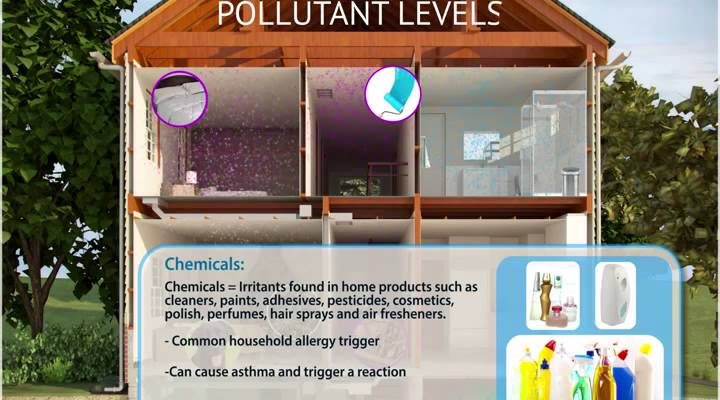
Products such as disinfectants, polishes, and cleaners often contain volatile organic compounds (VOCs) like formaldehyde, ammonia, and bleach. These compounds can evaporate into the air and contribute to indoor pollution.

2. Building Materials

Materials used in home construction such as paint, varnish, sealants, and flooring materials can emit a variety of toxic substances, including formaldehyde and other VOCs, long after they have been installed.

3. Furnishings

Furniture and upholstery can release chemicals absorbed during their manufacturing process. For instance, flame retardants and phthalates in plastics and textiles can vaporize into the air.

4. Personal Care Products

Products like hairsprays, perfumes, and colognes are significant sources of VOCs inside the home. These substances can linger in the air and contribute to a chemical cocktail in enclosed spaces.

5. Heating Equipment and Stoves

Burning fuels such as gas, oil, kerosene, coal, or wood can produce indoor pollutants including carbon monoxide and nitrogen dioxide.

6. Outdoor Air Pollution

Outdoor contaminants such as pesticides, radon, and particulate matter can enter homes through open doors, windows, and cracks in structures, worsening indoor air quality.

Health Risks Associated with Poor IAQ

Exposure to indoor pollutants can lead to a variety of short-term and long-term health effects. Short-term effects, often treatable, include irritation of the eyes, nose, and throat, headaches, dizziness, and fatigue. Long-term exposure can lead to respiratory diseases, heart disease, and cancer, which can be severely debilitating or fatal.

Strategies to Improve Indoor Air Quality

Improving the air quality in your home involves several strategies, from choosing the right materials and products to regular maintenance and air quality monitoring.

1. Ventilation

Increase ventilation to reduce pollutant concentration. This can be achieved through natural methods like opening windows and doors when weather and environmental conditions permit, or through mechanical means such as exhaust fans in bathrooms and kitchens.

2. Keep a Clean Home

Regular cleaning helps reduce dust and animal dander which can trap and hold chemicals. Use vacuum cleaners equipped with HEPA filters and mop regularly to keep surfaces clean.

3. Choose Low-Emitting Products

Select paints, varnishes, and furnishings that emit lower quantities of VOCs. Manufacturers often label products that are low-VOC, providing a safer alternative for indoor use.

4. Monitor Humidity Levels

Maintain indoor humidity at 30-50% to help reduce the potential for mold growth and control dust mites. Dehumidifiers and air conditioners can help maintain the correct indoor humidity levels.

5. Use Air Purifiers

Consider using an air purifier with a HEPA filter to capture particulate matter and an activated carbon filter to remove gases and odors from the air.

6. Reduce Chemical Use

Limit the use of harsh cleaners, aerosol sprays, and air fresheners, opting instead for natural cleaning products or homemade solutions like baking soda and vinegar.

7. Houseplantsindoor-air-quality-ez-breathe-2

Some studies suggest that certain houseplants can absorb harmful toxins, although the effectiveness can vary significantly. Plants can also improve indoor aesthetics and provide psychological benefits.

The air inside our homes can be more polluted than the air outdoors, primarily due to everyday activities and the products we use. By understanding the sources and risks of indoor air pollution and implementing strategies to improve indoor air quality, homeowners can create a safer, healthier environment for themselves and their families.

Ultimately, the key to managing indoor air quality is awareness and proactive behavior. Regularly testing your home for radon, avoiding smoking indoors, and being mindful of the materials and products you bring into your home can significantly improve the air you breathe. While some pollutants are unavoidable, minimizing exposure and maximizing ventilation can help mitigate the risks and ensure a healthier indoor environment.

Contact the Professionals at EZ Breathe Today! 866-822-7328

indoor-air-quality-ez-breathe-3

The Benefits of Positive Airflow in Homes: Enhancing Indoor Air Quality and Comfort

The quality of indoor air is a crucial factor affecting the health, comfort, and well-being of residents. Positive airflow in a home, a system designed to create a slight positive pressure by pushing air into the building, plays a significant role in improving indoor air environments. This article will explore what positive airflow is, how it benefits a home, and the methods for achieving optimal airflow to enhance indoor air quality and overall comfort.

What is Positive Airflow?

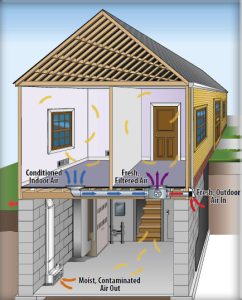
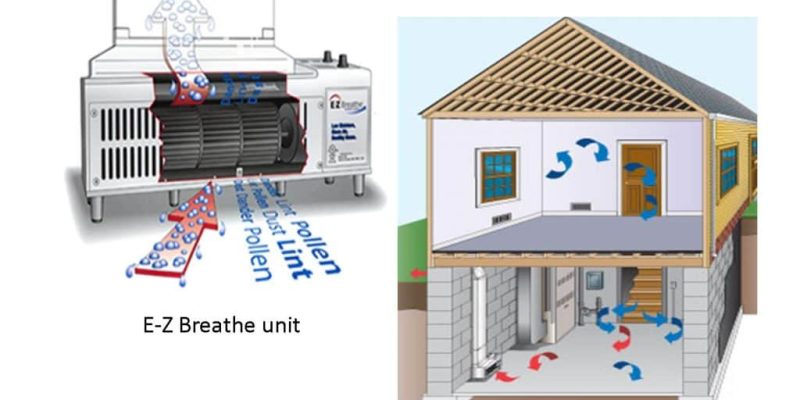
Positive airflow refers to the condition where the air pressure inside a building is slightly higher than the air pressure outside. This is achieved by strategically introducing fresh air into the home, which helps push out stale and potentially contaminated air through leaks and other openings. The concept is commonly used in clean room environments and healthcare settings but is increasingly being applied in residential areas to improve indoor air quality and comfort.

Benefits of Positive Airflow in Homes

1. Improved Air Qualityindoor-air-quality-ez-breathe-1

One of the primary benefits of positive airflow is the significant improvement in indoor air quality it offers. By continuously introducing fresh air into the home, positive airflow systems reduce the concentration of indoor pollutants such as VOCs (Volatile Organic Compounds), allergens, dust, and mold spores. This is particularly beneficial for individuals with allergies, asthma, or other respiratory issues.

2. Moisture Control

Excessive moisture is a common problem in many homes, leading to mold growth and the deterioration of building materials. Positive airflow helps to control humidity levels by pushing moist air outside and reducing condensation on walls and windows. This not only protects the structural integrity of the home but also prevents the growth of mold and mildew, which can have health implications.

3. Reduction of Infiltration of Pollutants

In homes with negative pressure, outdoor pollutants such as smoke, dust, and pollen can be drawn inside more easily. Positive pressure systems reverse this flow, pushing indoor air outward. This helps to keep out environmental pollutants and improves the overall air quality inside the home.

4. Enhanced Comfort

Maintaining a steady supply of fresh air can significantly enhance comfort within a home. Positive airflow systems help eliminate odors, reduce the buildup of stale air, and maintain a fresh and pleasant living environment. This is especially noticeable in homes without adequate natural ventilation.

5. Energy Efficiency

When implemented correctly, positive airflow systems can contribute to energy efficiency. By stabilizing indoor environments, these systems can reduce the workload on heating, ventilation, and air conditioning (HVAC) systems, potentially lowering energy consumption and utility bills.

How to Achieve Positive Airflow in Your Home

1. Mechanical Ventilation

The most effective way to establish positive airflow is through mechanical ventilation. This involves using fans and duct systems to continuously bring fresh air into the home. Heat recovery ventilators (HRVs) and energy recovery ventilators (ERVs) are particularly effective as they can introduce fresh air while recovering energy from the outgoing air, thus maintaining energy efficiency.

2. Air Sealing and Insulation

To maintain positive pressure, it is crucial to manage the air leakage from the home. Sealing cracks, gaps, and other openings can help control the air exchange and enhance the effectiveness of a positive airflow system. Proper insulation also plays a role in maintaining the desired indoor temperature and pressure.

3. Controlled Ventilation Outlets

In addition to introducing fresh air, controlling where it exits is also important. Strategically placing exhaust fans and vents in areas like bathrooms and kitchens can help manage moisture and odors more effectively, enhancing the overall impact of the positive airflow system.

4. Regular Maintenanceindoor-air-quality-ez-breathe-2

Like any other system, maintaining positive airflow requires regular checks and maintenance. This includes cleaning or replacing filters, inspecting fans and ductwork for blockages, and ensuring that vents are not obstructed.

Positive airflow is a powerful concept in residential ventilation that offers numerous benefits, from improved air quality and moisture control to enhanced indoor comfort and energy efficiency. By understanding and implementing strategies to maintain a slight positive pressure in their homes, homeowners can enjoy a healthier, more comfortable living environment.

Investing in proper ventilation systems and regular maintenance will ensure that the benefits of positive airflow are maximized. As awareness of indoor air quality and its impact on health continues to grow, positive airflow systems represent a proactive approach to ensuring a safer, more pleasant home environment.

Contact the Professionals at EZ Breathe Today! 866-822-7328

basement-drainage-ez-breathe-3

Navigating the Depths: A Comprehensive Guide to Basement Drainage Solutions

Basements are valuable spaces in residential homes, providing additional living, storage, or recreational areas. However, they are also vulnerable to moisture infiltration, leading to a host of problems such as water damage, mold growth, and structural deterioration. Proper basement drainage is essential for managing groundwater, surface water, and other sources of moisture to prevent these issues and maintain a dry, healthy living environment. In this comprehensive guide, we’ll explore the importance of basement drainage, common drainage problems, effective drainage solutions, and tips for implementing a robust drainage system in your basement.

Understanding the Importance of Basement Drainage

Basement drainage refers to the management and removal of excess water from the basement space to prevent water infiltration and accumulation. Proper drainage is crucial for several reasons:basement-drainage-ez-breathe-1

  • Preventing Water Damage: Basements are susceptible to water infiltration from various sources, including groundwater seepage, surface runoff, and plumbing leaks. Without adequate drainage, water can penetrate through cracks in the foundation walls or floor, leading to water damage, mold growth, and structural problems.
  • Preserving Indoor Air Quality: Excess moisture in the basement can lead to high humidity levels, condensation, and mold growth, which can compromise indoor air quality and pose health risks to occupants. Proper drainage helps control moisture levels and prevent mold-related issues.
  • Protecting Property Investment: Water damage in the basement can cause costly repairs and decrease the resale value of the home. By implementing effective drainage solutions, homeowners can protect their property investment and ensure the long-term integrity of their home’s foundation and structure.

Common Basement Drainage Problems

Several factors can contribute to basement drainage problems, including:

  • Groundwater Seepage: In areas with high water tables or poor soil drainage, groundwater can seep through the foundation walls or floor, leading to water infiltration and rising dampness in the basement.
  • Surface Water Runoff: Improper grading around the home’s foundation or inadequate drainage systems can result in surface water runoff pooling around the basement perimeter, increasing the risk of water infiltration and flooding.
  • Plumbing Leaks: Leaking pipes, fixtures, or appliances in the basement can introduce water into the indoor environment, leading to moisture buildup and water damage.
  • Condensation: Lack of ventilation, insulation, or air circulation in the basement can lead to condensation buildup on surfaces, contributing to moisture-related problems and mold growth.

Effective Basement Drainage Solutions

Several drainage solutions can be implemented to address basement drainage problems and manage excess water effectively:

Exterior Waterproofing:

    • Exterior waterproofing involves applying waterproof coatings, membranes, or sealants to the exterior surface of the foundation walls to prevent water infiltration.
    • Additionally, exterior drainage systems such as French drains, curtain drains, or surface grading can be installed around the perimeter of the home to divert surface water away from the foundation.

Interior Drainage Systems:

    • Interior drainage systems, such as French drains or interior weeping tile systems, are installed within the basement to collect and channel water to a sump pump or drainage outlet.
    • These systems typically consist of perforated pipes or channels installed along the perimeter of the basement floor, surrounded by gravel or drainage matting to facilitate water flow.

Sump Pump Installation:

    • Sump pumps are commonly used in conjunction with interior drainage systems to remove collected water from the basement and discharge it safely away from the home.
    • A sump pump is installed in a designated sump pit or basin, where it automatically activates to pump water out of the basement when water levels rise above a certain threshold.

Crawl Space Encapsulation:

    • For homes with crawl spaces, encapsulation involves sealing off the space with vapor barriers, insulation, and dehumidifiers to prevent moisture buildup and improve indoor air quality.
    • This helps prevent moisture infiltration into the basement and reduces the risk of water-related issues such as mold growth and structural damage.

Foundation Repair and Maintenance:

    • Addressing cracks, gaps, or damage in the foundation walls or floor is essential for preventing water infiltration and maintaining structural integrity.
    • Foundation repair techniques such as crack sealing, epoxy injection, or foundation underpinning may be necessary to correct structural problems and prevent water leakage.

Tips for Implementing a Robust Basement Drainage System

When designing and implementing a basement drainage system, consider the following tips to ensure optimal performance and effectiveness:

  • Assess Moisture Sources: Identify and address potential sources of moisture infiltration, including groundwater seepage, surface water runoff, plumbing leaks, and condensation buildup.basement-drainage-ez-breathe-2
  • Design for Redundancy: Incorporate multiple drainage solutions and backup systems to provide redundancy and ensure continuous protection against water infiltration and flooding.
  • Proper Installation: Ensure that drainage systems, sump pumps, and other components are installed correctly and according to manufacturer specifications to maximize their effectiveness and longevity.
  • Regular Maintenance: Schedule regular inspections and maintenance of the basement drainage system, including cleaning, testing, and servicing of sump pumps, drainage channels, and discharge outlets.
  • Monitor Performance: Monitor the performance of the basement drainage system regularly, including water levels, pump operation, and moisture levels, to detect and address any issues promptly.
  • Professional Consultation: Consult with experienced waterproofing professionals or structural engineers to assess your basement drainage needs and develop a customized drainage plan tailored to your specific requirements.

Basement drainage is essential for preventing water infiltration, managing moisture levels, and protecting the structural integrity of residential homes. By understanding common basement drainage problems, implementing effective drainage solutions, and following best practices for design and maintenance, homeowners can ensure a dry, healthy, and resilient basement environment. Whether through exterior waterproofing, interior drainage systems, sump pump installation, crawl space encapsulation, or foundation repair, investing in basement drainage solutions offers long-term benefits and peace of mind. With proper drainage measures in place, homeowners

Contact the Professionals at EZ Breathe Repair Today! 866-822-7328

Musty Smells | New York, NY | EZ Breathe Ventilation System

Understanding the Importance of Basement Ventilation

The Fundamentals of Basement Ventilation Systems

Basements are often overlooked spaces within our homes, yet they play a crucial role in maintaining structural integrity and indoor air quality. Proper ventilation in basements is essential for a variety of reasons, including moisture control, prevention of mold and mildew, and ensuring adequate airflow for health and safety. In this article, we’ll delve into the fundamentals of basement ventilation systems, exploring different types, their components, and why they are essential for every basement.

To begin with, let’s understand the primary challenges associated with basements. Due to their below-ground nature, basements are prone to high humidity levels and moisture infiltration. This moisture can seep through walls and floors, leading to dampness and mold growth if not adequately addressed. Additionally, basements often lack natural ventilation, making them susceptible to poor air quality and stagnant air.basement-ventilation-systems-methods-ez-breathe-1

Basement ventilation systems are designed to address these challenges by providing controlled airflow and moisture management. There are several types of ventilation systems commonly used in basements:

  • Natural Ventilation: This involves utilizing windows, doors, and vents to allow fresh air to enter and stale air to exit the basement. While effective in some cases, natural ventilation may not be sufficient to adequately control moisture and air quality, especially in tightly sealed basements.
  • Mechanical Ventilation: Mechanical ventilation systems, such as exhaust fans and dehumidifiers, actively remove stale air and moisture from the basement while bringing in fresh air from the outside. These systems are typically more effective at maintaining optimal air quality and reducing humidity levels.
  • Heat Recovery Ventilation (HRV) Systems: HRV systems are designed to provide fresh air while recovering heat from the outgoing stale air. This helps improve energy efficiency by reducing heating and cooling costs while ensuring proper ventilation.

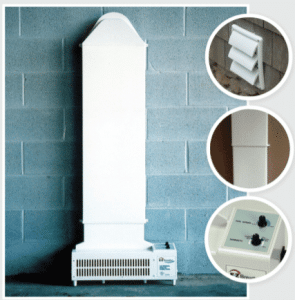
Basement ventilation systems consist of various components, including fans, ductwork, vents, and controls. Exhaust fans are typically installed to remove stale air, while intake vents allow fresh air to enter the basement. Ductwork is used to distribute air throughout the space, and controls such as timers or humidity sensors regulate the operation of the system.basement-ventilation-systems-methods-ez-breathe-2

The importance of basement ventilation cannot be overstated. Basements can become breeding grounds for mold, mildew, and other indoor air pollutants without proper ventilation, posing health risks to occupants. Moreover, excess moisture can lead to structural damage and decay, compromising the integrity of the building.

In conclusion, basement ventilation systems are essential for maintaining a healthy and comfortable indoor environment. By implementing the right ventilation strategy, homeowners can effectively manage moisture levels, prevent mold growth, and improve overall air quality in their basements.

Contact the Professionals at EZ BreatheToday!  866-822-7328

the-importance-of-basement-ventilation-ez-breathe-ventilation-system-3

Common Issues and Solutions in Basement Ventilation

While basement ventilation is crucial for maintaining a healthy indoor environment, many homeowners encounter common issues that hinder effective ventilation. In this article, we’ll explore some of these issues and provide practical solutions to ensure optimal basement ventilation.

Poor Air Circulation:basement-ventilation-methods-ez-breathe-1

One of the most common issues in basements is poor air circulation, leading to stagnant air and pockets of trapped moisture. This can result from inadequate ventilation systems or obstructed airflow due to clutter or furniture blocking vents and ducts.

Solution: Ensure proper airflow by keeping vents and ducts clear of obstructions. Consider installing additional exhaust fans or dehumidifiers to improve air circulation in the basement.

High Humidity Levels:

Excess humidity is a prevalent issue in basements, especially in humid climates or poorly ventilated spaces. High humidity levels can lead to mold growth, musty odors, and discomfort for occupants.

Solution: Install a dehumidification system to control moisture levels in the basement. Regularly check and maintain the system to ensure optimal performance. Additionally, consider sealing any cracks or leaks in the basement walls to prevent moisture infiltration.

Inadequate Ventilation System:

Some basements may have outdated or insufficient ventilation systems, resulting in ineffective moisture control and air quality management.

Solution: Upgrade to a modern ventilation system that meets the specific needs of your basement. Consult with a professional HVAC technician to assess your ventilation requirements and recommend the appropriate system.

Condensation on Windows and Walls:

Condensation buildup on windows and walls is a common sign of poor ventilation and excess moisture in the basement. This can lead to water damage, mold growth, and deterioration of building materials over time.

Solution: Improve ventilation by increasing airflow and reducing humidity levels in the basement. Consider installing insulated windows or applying moisture-resistant coatings to walls to prevent condensation buildup.

Musty Odors:

Musty or unpleasant odors are often indicative of mold or mildew growth in the basement, resulting from poor ventilation and excess moisture.basement-ventilation-methods-ez-breathe-2

Solution: Address the root cause of the odor by improving ventilation and controlling moisture levels. Clean and disinfect affected areas to remove mold and mildew, and implement preventive measures to avoid future growth.

By addressing these common issues and implementing effective solutions, homeowners can ensure proper ventilation and maintain a healthy and comfortable basement environment for themselves and their families.

Contact the Professionals at EZ BreatheToday!  866-822-7328

Enhancing Home Health and Comfort: The Importance of Basement Ventilation

Basements are versatile spaces in our homes, serving as storage areas, laundry rooms, or even additional living quarters. However, they are often susceptible to issues such as moisture buildup, poor air quality, and stale odors due to inadequate ventilation. In this comprehensive guide, we’ll explore the importance of basement ventilation, its impact on home health and comfort, and strategies to achieve optimal airflow in your basement.

The Significance of Basement Ventilation

Basement ventilation plays a crucial role in maintaining a healthy and comfortable indoor environment for several reasons:

Moisture Control: Basements are prone to moisture buildup from various sources such as groundwater seepage, condensation, or plumbing leaks. Proper ventilation helps mitigate moisture levels, reducing the risk of mold and mildew growth, wood rot, and structural damage.basement-ventilation-ez-breathe-1

Air Quality Improvement: Without adequate ventilation, basements can become stagnant environments where pollutants, allergens, and odors accumulate. Effective ventilation helps remove airborne contaminants, ensuring better indoor air quality and reducing the risk of respiratory issues and allergies.

Temperature Regulation: Basements often have lower temperatures than the rest of the house, especially in colder climates. Proper ventilation helps distribute heat evenly, improving overall comfort and energy efficiency.

Odor Elimination: Stale or musty odors are common in poorly ventilated basements due to trapped moisture and stagnant air. Ventilation systems help circulate fresh air, eliminating odors and creating a more pleasant living space.

Radon Mitigation: Radon, a naturally occurring radioactive gas, can seep into basements through the soil and pose serious health risks. Adequate ventilation, along with proper sealing and mitigation systems, helps reduce radon levels and protect occupants’ health.

Common Ventilation Issues in Basements

Several factors contribute to poor ventilation in basements:

Limited Natural Ventilation: Basements typically have few or no windows, limiting natural airflow and ventilation.

Insufficient Air Exchange: Without proper ventilation systems, air circulation in basements may be inadequate, leading to stagnant air and moisture buildup.

Sealed or Blocked Vents: Vents and air ducts in basements may become blocked or sealed off over time, hindering airflow and ventilation.

Humidity and Moisture: High humidity levels and moisture buildup in basements can worsen ventilation issues, promoting mold growth and indoor air pollution.

Strategies for Basement Ventilation

To address ventilation issues and improve air quality in your basement, consider implementing the following strategies:

Install Mechanical Ventilation Systems: Mechanical ventilation systems such as exhaust fans, ventilation fans, or air exchangers can effectively circulate air in basements, removing stale air and moisture.

Use Natural Ventilation: If possible, utilize windows, vents, or doors to facilitate natural airflow and ventilation in the basement. Consider installing window wells or vent covers to enhance ventilation while maintaining security.

basement-ventilation-ez-breathe-2

Utilize Dehumidifiers: Dehumidifiers help regulate humidity levels in basements, preventing moisture buildup and mold growth. Choose a dehumidifier with appropriate capacity and features for your basement size and moisture level.

Seal and Insulate: Properly seal and insulate basement walls, floors, and windows to minimize air leakage and moisture infiltration. This helps maintain a more consistent temperature and reduces the workload on ventilation systems.

Regular Maintenance: Routinely inspect and clean ventilation systems, air ducts, and filters to ensure optimal performance and airflow. Clear any obstructions or debris blocking vents or air ducts.

Consider HVAC Integration: Integrate basement ventilation with your home’s HVAC system to ensure consistent airflow and temperature regulation throughout the house. Consult with HVAC professionals to determine the best approach for your specific needs.

Basement ventilation is essential for maintaining a healthy, comfortable, and safe indoor environment in your home. By addressing ventilation issues and implementing effective strategies such as mechanical ventilation systems, natural ventilation, dehumidifiers, and proper sealing and insulation, you can improve air quality, reduce moisture buildup, and enhance overall comfort in your basement. Prioritizing basement ventilation not only protects your home’s structural integrity but also promotes the well-being and health of its occupants.

Contact the Professionals at EZ Breathe Today! 866-822-7328