Moisture and Mold

Say Goodbye to Moisture and Mold: How EZ Breathe Ventilation Systems Protect Your Family’s Health

You’re no stranger to the lurking dangers of moisture and mold in your home, but have you considered the EZ Breathe Ventilation System as your secret weapon? This innovative system tirelessly expels stale, damp air, allowing fresh air to circulate, effectively reducing humidity and the risk of mold growth. Not only does it bolster the comfort of your living space, but it also greatly lessens allergy symptoms. But the perks of this system don’t stop here, there’s more to be discovered about how it can contribute to your family’s health.

Basement Ventilation Systems

In the world of basement waterproofing, ventilation systems are an integral part of maintaining a dry, healthy living space. You’ve probably heard sayings like “prevention is better than cure”. Well, that’s exactly what an EZ Breathe Ventilation System does for your basement.

It’s not just about drying out the space after the fact; it’s about creating a consistently dry environment that prevents problems from arising in the first place.

You see, when it comes to your basement, it’s all about circulation. Without proper ventilation, stale air, excess humidity, and pollutants can build up, creating an environment that’s ripe for mold, mildew, and other damaging factors. That’s where EZ Breathe steps in.

This system expels the stale air, drawing down fresh air from above, effectively combating moisture build-up and improving overall air quality.

But what makes EZ Breathe truly stand out is its efficiency. You don’t have to worry about costly energy bills, as it operates using less energy than a 40-watt light bulb.

In addition, it’s a maintenance-free system, meaning you can set it up and forget about it. As you can see, investing in an EZ Breathe Ventilation System is a decision you won’t regret.

Conclusion

You’ve now seen how the EZ Breathe Ventilation System can protect your family’s health. By continuously expelling damp, stale air, it prevents mold growth, reduces allergy symptoms, and creates a healthier living environment. Plus, its maintenance-free design provides long-lasting reliability. So, don’t let moisture and mold threaten your home’s health. Invest in an EZ Breathe System and enjoy a safer, fresher, more comfortable living space.

indoor-air-quality-ez-breathe-ventilation-system-3

A Comprehensive Guide to Better Indoor Air Quality

In recent years, increasing attention has been given to indoor air quality and its impact on health, comfort, and overall well-being. As homes become more energy-efficient and airtight, the need for effective ventilation systems becomes crucial to ensure proper air exchange, reduce moisture levels, and eliminate harmful pollutants. Among the various ventilation systems available, EZ Breathe has gained popularity as a leading solution for maintaining a healthy indoor environment. In this article, we will explore EZ Breathe, compare it with other ventilation systems, and provide a comprehensive understanding of why ventilation is essential for any home.

Understanding Indoor Air Quality (IAQ)

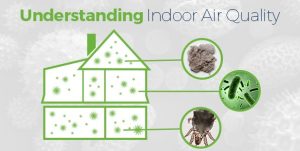
Before diving into EZ Breathe and other ventilation systems, it’s important to understand the concept of indoor air quality (IAQ) and why it matters. IAQ refers to the quality of air inside a building, influenced by factors such as humidity levels, pollutants, and ventilation. Poor IAQ can lead to a range of health problems, including allergies, asthma, respiratory issues, and headaches. Long-term exposure to indoor pollutants can even increase the risk of chronic illnesses.

Several common pollutants contribute to poor IAQ, including:

  • Volatile Organic Compounds (VOCs): These are chemicals emitted from everyday products such as paints, cleaning supplies, and furniture. Prolonged exposure to VOCs can irritate the eyes, nose, and throat, and in some cases, cause more serious health effects.
  • Mold and Mildew: Excess moisture can lead to the growth of mold and mildew, which not only damages property but also releases spores into the air, aggravating respiratory conditions and allergies.
  • Dust and Particulates: Dust, pet dander, and other airborne particles can accumulate in poorly ventilated spaces, making the air feel stuffy and increasing the risk of allergies.
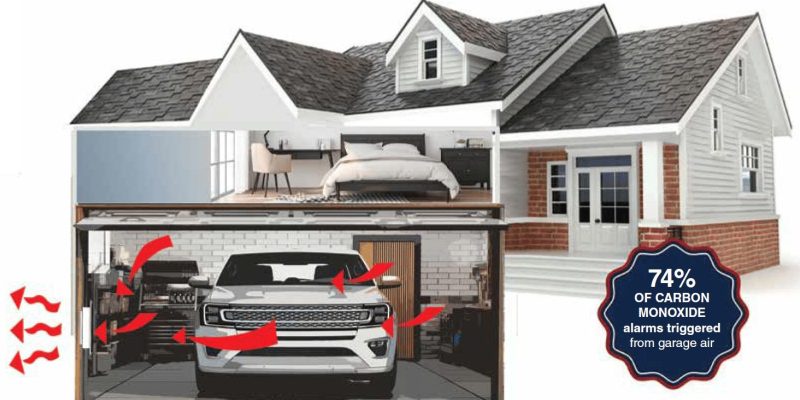
  • Carbon Dioxide (CO2) and Carbon Monoxide (CO): Poor ventilation can lead to an accumulation of carbon dioxide from human respiration and carbon monoxide from fuel-burning appliances, which are harmful in high concentrations.

A good ventilation system can significantly reduce these risks by providing adequate air exchange, removing pollutants, and maintaining healthy humidity levels.

What is EZ Breathe?

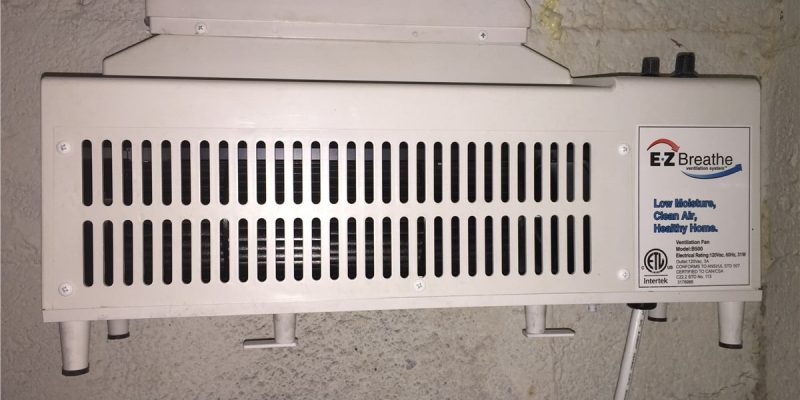
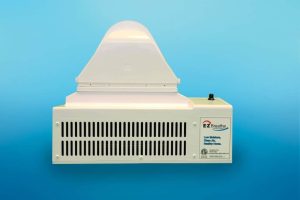
EZ Breathe is a whole-home ventilation system designed to improve indoor air quality by facilitating continuous airflow and eliminating moisture and pollutants from the home. Unlike traditional ventilation systems that rely on windows, fans, or air filters, EZ Breathe works to remove stale, polluted air from the lowest levels of the home (such as the basement or crawl space) and replace it with fresher air from above. This process helps regulate humidity, reduce allergens, and improve overall air quality throughout the entire house.indoor-air-quality-ez-breathe-ventilation-system-1

Key features of EZ Breathe include:

  1. Energy Efficiency: EZ Breathe operates efficiently without relying on heavy energy consumption. It doesn’t use fans or require complicated ductwork, making it an energy-efficient option for homeowners looking to improve air quality without skyrocketing utility bills.
  2. Moisture Control: One of the most significant advantages of EZ Breathe is its ability to control humidity levels. By removing excess moisture, it prevents the growth of mold and mildew, which thrive in damp environments. Moisture control is especially important in basements and crawl spaces, which are more susceptible to water seepage.
  3. Low Maintenance: Unlike traditional ventilation systems that require regular filter replacements and maintenance, EZ Breathe operates without filters, reducing the need for upkeep. This makes it a convenient option for homeowners who want an easy-to-manage system.
  4. Improved Air Exchange: EZ Breathe helps remove pollutants, allergens, and contaminants from the home by constantly cycling out stale air. This ensures that fresh air circulates throughout the house, leading to a healthier living environment.

How EZ Breathe Works

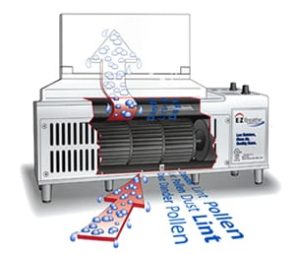
The EZ Breathe system works by creating air movement through natural convection, without the need for additional fans or ductwork. It pulls stale air from the basement or crawl space and vents it outside, while allowing fresh air from upper levels of the home to replace it. This process helps balance air pressure, regulate humidity, and ensure continuous air exchange throughout the home.

Here’s how the system operates in a step-by-step process:

  1. Air Removal: EZ Breathe is typically installed in the lowest part of the home, such as a basement or crawl space, where moisture and pollutants tend to accumulate. It pulls air from this area, removing it from the home and venting it outside.
  2. Air Circulation: As the system removes stale air, it creates negative air pressure, which naturally draws fresh air from the upper levels of the home to fill the space. This creates a continuous cycle of air movement.
  3. Ventilation and Moisture Control: By venting moist, polluted air outside and replacing it with fresh air, EZ Breathe helps control humidity levels. This prevents damp conditions that lead to mold growth, condensation, and musty odors.
  4. Whole-Home Benefits: Although installed in the lowest level of the home, EZ Breathe impacts the entire house by improving airflow, reducing pollutants, and balancing indoor humidity levels.

Comparing EZ Breathe with Other Ventilation Systems

While EZ Breathe is a popular choice, it’s important to compare it with other types of ventilation systems to see how it measures up.

1. Mechanical Ventilation Systems

Mechanical ventilation systems, such as HRVs (Heat Recovery Ventilators) and ERVs (Energy Recovery Ventilators), are designed to provide controlled ventilation by exchanging indoor air with outdoor air. These systems use fans and ductwork to distribute air throughout the home, often working in conjunction with HVAC systems.

  • HRVs: Heat Recovery Ventilators are designed to recover heat from the outgoing stale air and transfer it to the incoming fresh air, making them energy-efficient in colder climates.
  • ERVs: Energy Recovery Ventilators perform a similar function but also manage humidity by transferring moisture between the air streams.

Comparison:

  • Efficiency: Both HRVs and ERVs are energy-efficient and provide excellent ventilation, but they tend to be more complex and expensive to install than EZ Breathe.
  • Moisture Control: While ERVs help control humidity, EZ Breathe is specifically designed to target areas like basements where moisture problems are most common.
  • Maintenance: Mechanical ventilation systems require regular filter changes and cleaning, whereas EZ Breathe is a low-maintenance option without the need for filters.

2. Natural Ventilation

Natural ventilation relies on passive airflow through windows, doors, and vents to regulate indoor air quality. While it’s the most basic form of ventilation, it has limitations, particularly in airtight or energy-efficient homes where air circulation may be insufficient.

Comparison:

  • Cost: Natural ventilation is free, but it often leads to inconsistent results, especially in areas with extreme weather conditions.
  • Control: Unlike EZ Breathe, which provides consistent air exchange, natural ventilation depends on external factors such as wind and weather, making it less reliable.

3. Dehumidifiers

Dehumidifiers are often used to manage moisture in basements, crawl spaces, and other damp areas. They work by removing excess moisture from the air and collecting it in a reservoir, which must be emptied periodically.

Comparison:

  • indoor-air-quality-ez-breathe-ventilation-system-2Moisture Control: Dehumidifiers are effective at removing moisture, but they do not improve air circulation or remove pollutants the way EZ Breathe does.
  • Energy Consumption: Dehumidifiers typically use more electricity than EZ Breathe, especially in humid climates where they may need to run continuously.
  • Maintenance: Dehumidifiers require regular maintenance, including cleaning and emptying the water reservoir. In contrast, EZ Breathe is a set-it-and-forget-it system with minimal upkeep.

Benefits of Proper Ventilation

Investing in a ventilation system like EZ Breathe offers a range of benefits, from improved health to enhanced comfort and structural protection.

1. Improved Health

Good ventilation is crucial for maintaining healthy indoor air. By removing pollutants such as VOCs, mold spores, and allergens, ventilation systems reduce the risk of respiratory problems, allergies, and other health issues. Cleaner air contributes to better sleep, fewer headaches, and improved overall well-being.

2. Moisture Management

Proper ventilation helps control humidity levels, which is especially important in homes with basements and crawl spaces. By preventing excessive moisture buildup, ventilation systems like EZ Breathe reduce the risk of mold growth, which can cause structural damage and exacerbate health issues.

3. Energy Efficiency

Ventilation systems help regulate indoor air temperatures and humidity levels, reducing the need for air conditioning and heating. This can lead to lower energy bills and a more comfortable living environment.

4. Long-Term Protection for Your Home

Excess moisture can lead to structural damage, including wood rot, rust, and warping. Proper ventilation extends the life of your home by preventing moisture-related problems that can compromise the foundation, walls, and flooring.

Ventilation systems like EZ Breathe are essential for maintaining good indoor air quality and protecting your home from moisture and pollutants. By creating a continuous flow of fresh air and removing harmful contaminants, EZ Breathe ensures a healthier, more comfortable living environment. When compared to other ventilation options, it stands out for its simplicity, energy efficiency, and low maintenance requirements. Whether you’re looking to improve air quality, control moisture, or reduce allergens, investing in a ventilation system like EZ Breathe is a smart choice for any homeowner.

Contact the Professionals at EZ Breathe Ventilation System Today! 866-822-7328


crawlspace-waterproofing-ez-breathe-ventilation-system-1

Enhancing Indoor Air Quality with the EZ Breathe Ventilation System

Indoor air quality (IAQ) is a crucial aspect of maintaining a healthy home environment. Poor IAQ can lead to various health problems, including respiratory issues, allergies, and chronic illnesses. The EZ Breathe Ventilation System is designed to improve indoor air quality by providing effective ventilation and reducing indoor pollutants. This article explores the importance of having an EZ Breathe Ventilation System, focusing on its benefits for IAQ and overall health.

Understanding Indoor Air Quality

Indoor air quality refers to the condition of the air inside buildings, particularly as it relates to the health and comfort of occupants. Common indoor pollutants include dust, mold spores, volatile organic compounds (VOCs), radon, and carbon monoxide. These pollutants can accumulate due to inadequate ventilation, leading to a range of health issues.

  1. Health Implications of Poor IAQ:ez-breathe-ventilation-system-ez-breathe-3
  • Respiratory Issues: Poor IAQ can exacerbate asthma and other respiratory conditions. Dust, mold spores, and VOCs are common triggers for respiratory problems.
  • Allergies: Indoor allergens such as dust mites, pet dander, and mold can cause or worsen allergic reactions.
  • Chronic Illnesses: Long-term exposure to indoor pollutants can lead to serious health problems, including chronic obstructive pulmonary disease (COPD) and even cancer.
  1. Factors Affecting IAQ:
  • Inadequate Ventilation: Without proper ventilation, indoor air can become stale and polluted.
  • High Humidity: Excess moisture in the air can lead to mold growth and other humidity-related problems.
  • Building Materials: Some building materials release VOCs, which can negatively impact IAQ.

The Role of the EZ Breathe Ventilation System

The EZ Breathe Ventilation System is designed to address the common issues associated with poor IAQ by providing effective ventilation and moisture control. It works by exchanging indoor air with fresh outdoor air, thereby reducing the concentration of indoor pollutants.

  1. Ventilation:
  • Continuous Air Exchange: The EZ Breathe System continuously exchanges indoor air with fresh outdoor air, preventing the buildup of pollutants.
  • Improved Air Circulation: By improving air circulation, the system ensures that fresh air reaches all areas of the home, reducing the concentration of pollutants.
  1. Moisture Control:

Benefits of the EZ Breathe Ventilation System

  1. Health Benefits:
  • Reduced Respiratory Problems: Improved IAQ can help reduce respiratory issues and improve overall lung health.
  • Allergy Relief: By reducing indoor allergens, the system can alleviate symptoms for allergy sufferers.
  • Enhanced Comfort: Improved air quality leads to a more comfortable living environment, free from stale air and unpleasant odors.
  1. Environmental Benefits:
  • Energy Efficiency: The EZ Breathe System is energy efficient, using minimal power to provide continuous ventilation. This can help reduce overall energy consumption.
  • Sustainable Living: By improving IAQ and reducing the need for additional air purification devices, the system contributes to a more sustainable living environment.
  1. Property Protection:
  • Structural Integrity: Controlling humidity levels helps prevent moisture-related damage to the home’s structure, such as wood rot and mold growth.
  • Preservation of Furnishings: Reduced humidity and improved air quality can help preserve furniture, electronics, and other household items.

Installation and Maintenance

The EZ Breathe Ventilation System is designed for easy installation and minimal maintenance, making it an ideal choice for homeowners looking to improve their IAQ.

  1. Easy Installation:
  • Professional Installation: While the system is easy to install, professional installation ensures optimal performance and longevity.
  • Versatility: The EZ Breathe System can be installed in various areas of the home, including basements, crawlspaces, and living areas.
  1. Low Maintenance:ez-breathe-ventilation-system-ez-breathe-2
  • Minimal Upkeep: The system requires minimal maintenance, with no filters to change or replace.
  • Long-Term Reliability: Built with durable components, the EZ Breathe System is designed for long-term reliability and performance.

The EZ Breathe Ventilation System offers a comprehensive solution for improving indoor air quality and creating a healthier living environment. By providing effective ventilation and moisture control, the system reduces indoor pollutants, alleviates health issues, and protects the home’s structure. Its easy installation and low maintenance make it a practical choice for homeowners committed to enhancing their IAQ. Investing in an EZ Breathe Ventilation System is a proactive step towards ensuring a comfortable, healthy, and sustainable living space.

Contact the Professionals at EZ Breathe Today! 866-822-7328

ez-breathe-ventilation-system-ez-breathe-3

The Comprehensive Benefits of the EZ Breathe Ventilation System for Modern Homes

Modern homes are designed to be energy-efficient, often resulting in tightly sealed environments that can trap indoor pollutants. While this efficiency is beneficial for reducing energy costs, it can negatively impact indoor air quality (IAQ). The EZ Breathe Ventilation System addresses this issue by enhancing ventilation and improving IAQ. This article explores the comprehensive benefits of the EZ Breathe Ventilation System for modern homes.

The Challenge of Modern Home Design

Energy-efficient home designs focus on reducing air leakage, which can inadvertently lead to poor IAQ. The lack of natural ventilation can result in the accumulation of indoor pollutants and increased humidity levels.

  1. Energy Efficiency vs. IAQ:ez-breathe-ventilation-system-ez-breathe-1
  • Tight Sealing: Modern homes are constructed with tight seals to prevent energy loss, but this also limits natural ventilation.
  • Pollutant Accumulation: Without adequate ventilation, pollutants such as VOCs, radon, and mold spores can accumulate indoors.
  • Humidity Issues: High humidity levels can lead to mold growth and other moisture-related problems.

How the EZ Breathe Ventilation System Works

The EZ Breathe Ventilation System is designed to improve IAQ in modern homes by providing continuous ventilation and effective moisture control.

  1. Continuous Ventilation:
  • Air Exchange: The system continuously exchanges indoor air with fresh outdoor air, ensuring a constant supply of clean air.
  • Pollutant Reduction: By removing stale air and introducing fresh air, the system reduces the concentration of indoor pollutants.
  1. Moisture Control:
  • Humidity Regulation: The EZ Breathe System helps maintain optimal humidity levels, preventing the conditions that promote mold growth.
  • Mold Prevention: By controlling moisture, the system reduces the risk of mold and mildew, which can negatively impact IAQ.

Key Benefits of the EZ Breathe Ventilation System

  1. Health and Wellness:
  • Improved Respiratory Health: By reducing indoor pollutants, the system helps improve respiratory health and reduce the incidence of asthma and allergies.
  • Allergy Relief: The system effectively reduces indoor allergens, providing relief for individuals with allergies and sensitivities.
  • Enhanced Comfort: A consistent supply of fresh air enhances overall comfort and well-being, creating a healthier living environment.
  1. Energy Efficiency:
  • Complementing Modern Design: The EZ Breathe System enhances the energy efficiency of modern homes by improving ventilation without compromising energy conservation.
  • Cost Savings: The system’s energy-efficient design helps reduce energy consumption, leading to cost savings on utility bills.
  1. Structural Protection:
  • Preventing Moisture Damage: Effective moisture control helps protect the home’s structure from moisture-related damage, such as wood rot and mold growth.
  • Preservation of Belongings: By maintaining optimal humidity levels, the system helps preserve furniture, electronics, and other household items.
  1. Environmental Impact:
  • Sustainable Living: The EZ Breathe System promotes sustainable living by improving IAQ without relying on energy-intensive air purification systems.
  • Reduced Carbon Footprint: The system’s energy-efficient design contributes to a reduced carbon footprint, supporting environmentally friendly practices.

Installation and Operation

The EZ Breathe Ventilation System is designed for ease of installation and operation, making it an ideal choice for homeowners seeking to improve IAQ.

  1. Installation:
  • Professional Installation: While the system can be installed by homeowners, professional installation ensures optimal performance and proper integration with existing systems.
  • Versatility: The EZ Breathe System can be installed in various areas of the home, including basements, crawlspaces, and living areas.
  1. Operation:
  • User-Friendly Design: The system is designed for easy operation, with minimal adjustments required once installed.
  • Low Maintenance: The EZ Breathe System requires minimal maintenance, with no filters to replace and simple upkeep procedures.

Enhancing Home Value

Investing in an EZ Breathe Ventilation System can enhance the value of a home by improving its overall health and livability.

  1. Market Appeal:ez-breathe-ventilation-system-ez-breathe-2
  • Desirable Feature: Homes equipped with advanced ventilation systems are more appealing to buyers, particularly those concerned with IAQ and health.
  • Increased Resale Value: Improved IAQ and energy efficiency can contribute to a higher resale value, making the home more competitive in the real estate market.
  1. Long-Term Investment:
  • Health Benefits: The health benefits provided by the system can lead to reduced medical expenses and improved quality of life.
  • Cost Savings: The energy efficiency of the EZ Breathe System can result in long-term savings on utility bills, offsetting the initial investment.

The EZ Breathe Ventilation System offers a comprehensive solution for improving indoor air quality in modern homes. By providing continuous ventilation and effective moisture control, the system addresses the challenges associated with energy-efficient home design. Its benefits extend beyond health and wellness, encompassing energy efficiency, structural protection, and environmental sustainability. Easy installation and low maintenance make the EZ Breathe System a practical choice for homeowners committed to creating a healthier living environment. Investing in this advanced ventilation system is a proactive step towards ensuring a comfortable, safe, and valuable home.

Contact the Professionals at EZ Breathe Today! 866-822-7328

indoor-air-quality-ez-breathe-3

The Benefits of Positive Airflow in Homes: Enhancing Indoor Air Quality and Comfort

The quality of indoor air is a crucial factor affecting the health, comfort, and well-being of residents. Positive airflow in a home, a system designed to create a slight positive pressure by pushing air into the building, plays a significant role in improving indoor air environments. This article will explore what positive airflow is, how it benefits a home, and the methods for achieving optimal airflow to enhance indoor air quality and overall comfort.

What is Positive Airflow?

Positive airflow refers to the condition where the air pressure inside a building is slightly higher than the air pressure outside. This is achieved by strategically introducing fresh air into the home, which helps push out stale and potentially contaminated air through leaks and other openings. The concept is commonly used in clean room environments and healthcare settings but is increasingly being applied in residential areas to improve indoor air quality and comfort.

Benefits of Positive Airflow in Homes

1. Improved Air Qualityindoor-air-quality-ez-breathe-1

One of the primary benefits of positive airflow is the significant improvement in indoor air quality it offers. By continuously introducing fresh air into the home, positive airflow systems reduce the concentration of indoor pollutants such as VOCs (Volatile Organic Compounds), allergens, dust, and mold spores. This is particularly beneficial for individuals with allergies, asthma, or other respiratory issues.

2. Moisture Control

Excessive moisture is a common problem in many homes, leading to mold growth and the deterioration of building materials. Positive airflow helps to control humidity levels by pushing moist air outside and reducing condensation on walls and windows. This not only protects the structural integrity of the home but also prevents the growth of mold and mildew, which can have health implications.

3. Reduction of Infiltration of Pollutants

In homes with negative pressure, outdoor pollutants such as smoke, dust, and pollen can be drawn inside more easily. Positive pressure systems reverse this flow, pushing indoor air outward. This helps to keep out environmental pollutants and improves the overall air quality inside the home.

4. Enhanced Comfort

Maintaining a steady supply of fresh air can significantly enhance comfort within a home. Positive airflow systems help eliminate odors, reduce the buildup of stale air, and maintain a fresh and pleasant living environment. This is especially noticeable in homes without adequate natural ventilation.

5. Energy Efficiency

When implemented correctly, positive airflow systems can contribute to energy efficiency. By stabilizing indoor environments, these systems can reduce the workload on heating, ventilation, and air conditioning (HVAC) systems, potentially lowering energy consumption and utility bills.

How to Achieve Positive Airflow in Your Home

1. Mechanical Ventilation

The most effective way to establish positive airflow is through mechanical ventilation. This involves using fans and duct systems to continuously bring fresh air into the home. Heat recovery ventilators (HRVs) and energy recovery ventilators (ERVs) are particularly effective as they can introduce fresh air while recovering energy from the outgoing air, thus maintaining energy efficiency.

2. Air Sealing and Insulation

To maintain positive pressure, it is crucial to manage the air leakage from the home. Sealing cracks, gaps, and other openings can help control the air exchange and enhance the effectiveness of a positive airflow system. Proper insulation also plays a role in maintaining the desired indoor temperature and pressure.

3. Controlled Ventilation Outlets

In addition to introducing fresh air, controlling where it exits is also important. Strategically placing exhaust fans and vents in areas like bathrooms and kitchens can help manage moisture and odors more effectively, enhancing the overall impact of the positive airflow system.

4. Regular Maintenanceindoor-air-quality-ez-breathe-2

Like any other system, maintaining positive airflow requires regular checks and maintenance. This includes cleaning or replacing filters, inspecting fans and ductwork for blockages, and ensuring that vents are not obstructed.

Positive airflow is a powerful concept in residential ventilation that offers numerous benefits, from improved air quality and moisture control to enhanced indoor comfort and energy efficiency. By understanding and implementing strategies to maintain a slight positive pressure in their homes, homeowners can enjoy a healthier, more comfortable living environment.

Investing in proper ventilation systems and regular maintenance will ensure that the benefits of positive airflow are maximized. As awareness of indoor air quality and its impact on health continues to grow, positive airflow systems represent a proactive approach to ensuring a safer, more pleasant home environment.

Contact the Professionals at EZ Breathe Today! 866-822-7328

basement-ventilation-methods-ez-breathe-3

Energy Efficiency and Basement Ventilation: Finding the Balance

Balancing energy efficiency with effective ventilation is a crucial consideration when designing and implementing basement ventilation systems. While proper ventilation is essential for maintaining indoor air quality and preventing moisture-related issues, it can also impact energy consumption and heating/cooling costs. In this article, we’ll explore the relationship between energy efficiency and basement ventilation and discuss strategies for finding the right balance.

Basement ventilation systems, particularly mechanical ventilation systems such as exhaust fans and dehumidifiers, consume energy to operate. The energy usage of these systems can vary depending on factors such as system efficiency, airflow rates, and runtime. While ventilation is necessary for maintaining a healthy indoor environment, excessive energy consumption can negate the benefits of ventilation and lead to higher utility bills.basement-ventilation-methods-ez-breathe-1

Here are some key considerations for optimizing energy efficiency in basement ventilation:

  • System Selection: Choose ventilation systems that are energy-efficient and appropriate for the size and layout of your basement. High-efficiency exhaust fans, dehumidifiers, and heat recovery ventilators (HRVs) can help minimize energy consumption while effectively managing indoor air quality and moisture levels.
  • Control Strategies: Implement control strategies to optimize the operation of ventilation systems and minimize energy waste. Use programmable timers, occupancy sensors, or humidity sensors to regulate ventilation based on occupancy and moisture levels, ensuring that the system operates only when necessary.
  • Ventilation Design: Design ventilation systems to maximize airflow and minimize energy loss. Proper ductwork design, efficient fan placement, and sealed duct connections can improve ventilation performance while reducing energy consumption.
  • Insulation and Air Sealing: Insulate basement walls and floors to prevent heat loss and minimize energy requirements for heating and cooling. Air sealing measures such as sealing gaps around windows, doors, and vents can further enhance energy efficiency by reducing air leakage.basement-ventilation-methods-ez-breathe-2
  • Integration with HVAC Systems: Integrate basement ventilation systems with existing HVAC systems to optimize energy usage and minimize overall energy consumption. Coordinate ventilation operation with heating and cooling cycles to leverage existing infrastructure and avoid unnecessary energy expenditure.

While prioritizing energy efficiency is important, it’s crucial not to compromise on indoor air quality and moisture control. Poor ventilation can lead to a host of health and safety issues, including mold growth, indoor air pollutants, and discomfort for occupants. By implementing energy-efficient ventilation strategies and adopting smart control measures, homeowners can strike the right balance between energy savings and indoor environmental quality in their basements.

In conclusion, basement ventilation plays a vital role in maintaining a healthy, comfortable indoor environment while managing energy consumption and operating costs. By selecting energy-efficient ventilation systems, optimizing control strategies, and integrating ventilation with overall home energy management, homeowners can achieve optimal performance and efficiency in their basement ventilation systems.

Contact the Professionals at EZ BreatheToday!  866-822-7328

common waterproofing techniques-ez-breathe-1

The Silent Threat: How Indoor Air Pollutants Impact the Health of Your Home

Your home is your sanctuary, a place where you seek refuge from the outside world. However, have you ever considered the air quality inside your home? Many people are unaware of the potential risks associated with indoor air pollutants, which can significantly impact the health of your home and, consequently, the health of your family. In this comprehensive guide, we will explore the various indoor air pollutants, their sources, and the serious health concerns they pose to both your residence and your loved ones.

Understanding Indoor Air Pollutantsnational indoor air quality awareness month

Indoor air pollutants are substances or particles that contaminate the air within your home, potentially leading to health problems. These pollutants can originate from a variety of sources, including building materials, household products, and outdoor pollution that infiltrates your home. The consequences of indoor air pollution are often underestimated, as people spend a significant portion of their lives indoors, especially in modern urban settings.

Common Indoor Air Pollutants

Volatile Organic Compounds (VOCs):

Sources: VOCs are emitted by a wide range of products, including paints, cleaning supplies, solvents, and certain furniture and building materials.

Health Risks: Prolonged exposure to VOCs can lead to respiratory irritation, headaches, and, in some cases, more severe health issues, including damage to the liver, kidney, and central nervous system.

Particulate Matter (PM):

Sources: Particulate matter consists of tiny particles or droplets that can be released from combustion processes (e.g., cooking, heating, and smoking), as well as outdoor sources such as traffic and industrial emissions.

Health Risks: Inhalation of particulate matter can exacerbate respiratory conditions like asthma and allergies and increase the risk of heart disease, stroke, and lung cancer.

Radon Gas:

Sources: Radon is a naturally occurring radioactive gas that can seep into homes through the ground. It has no color or odor, making it difficult to detect without testing.

Health Risks: Long-term exposure to radon gas is a leading cause of lung cancer, second only to smoking. Radon-induced lung cancer claims thousands of lives each year.

Mold and Mildew:

Sources: Mold and mildew can thrive in damp and humid environments, such as basements, bathrooms, and areas with water leaks or flooding.

Health Risks: Mold spores can cause allergies, and respiratory problems, and exacerbate existing conditions like asthma. Prolonged exposure can lead to more severe health issues.

Tobacco Smoke:

Sources: Smoking indoors releases toxic chemicals and particulate matter into the air. Secondhand smoke from others can also pose health risks.

Health Risks: Tobacco smoke exposure is linked to numerous health problems, including respiratory issues, heart disease, and various cancers. It poses a significant risk, especially to children and non-smokers.

Health Impacts of Indoor Air Pollutants

The health impacts of indoor air pollutants can be severe and wide-ranging. Prolonged exposure to these contaminants can lead to a variety of health problems, including:

Respiratory Issues:

Persistent exposure to indoor air pollutants can worsen respiratory conditions like asthma and chronic obstructive pulmonary disease (COPD). It can also lead to coughing, wheezing, and shortness of breath.

Allergies:

Indoor air pollutants such as dust mites, pet dander, and mold spores can trigger allergies, leading to symptoms like sneezing, runny nose, itchy eyes, and skin rashes.

Cardiovascular Problems:

Particulate matter and other pollutants can increase the risk of heart disease, stroke, and high blood pressure.

Lung Cancer:

Radon gas, a known carcinogen, is a leading cause of lung cancer in non-smokers. Tobacco smoke also increases the risk of lung cancer.

Neurological Effects:

Some indoor air pollutants, such as VOCs, can have adverse effects on the central nervous system, leading to headaches, dizziness, and difficulty concentrating.

Skin Irritation:

Certain indoor pollutants can cause skin irritation and rashes, making occupants uncomfortable.

Preventing and Mitigating Indoor Air Pollution

Now that we’ve discussed the impact of indoor air pollutants on health, let’s explore ways to prevent and mitigate these risks:

Proper Ventilation:

Adequate ventilation is essential to dilute indoor air pollutants. Ensure proper ventilation in kitchens, bathrooms, and other areas with high pollutant concentrations.

Air Purifiers:

High-efficiency particulate air (HEPA) filters and air purifiers can effectively remove airborne particles and allergens, improving indoor air quality.

Radon Testing:

Test your home for radon gas. If elevated levels are detected, consult a professional radon mitigation service to reduce exposure.

Smoking Policies:

Implement strict no-smoking policies indoors to prevent the release of harmful chemicals from tobacco smoke.

Humidity Control:

Maintain optimal indoor humidity levels to prevent mold and mildew growth. Use dehumidifiers in damp areas and ensure proper ventilation.

Green Cleaning Products:

Choose environmentally friendly and non-toxic cleaning products to minimize the release of VOCs.

Regular Cleaning:

Regularly clean and vacuum your home to reduce dust, pet dander, and other allergens.

Address Water Leaks:indoor-air-hazards-ez-breathe-3

Promptly repair any water leaks, as they can lead to mold and mildew growth.

Indoor air pollutants can significantly impact the health of your home and your loved ones. Understanding the sources and health risks associated with these pollutants is the first step in mitigating their effects. By implementing preventive measures such as proper ventilation, air purification, radon testing, and humidity control, you can create a healthier and more comfortable indoor environment for your family. Prioritizing indoor air quality is a proactive step toward ensuring the long-term well-being of your home and those who reside in it.

indoor-air-pollution-north-bergen-nj-ez-breathe-3

Improving Indoor Air Quality 

Improving Indoor Air Quality 

One Home a For many of us, the air we breathe indoors is more polluted than the air outdoors. The Environmental Protection Agency (EPA) says that indoor air pollution is one of the top five environmental health risks. Poor indoor air quality can cause or worsen many respiratory problems, including asthma. It can also lead to other health problems, such as headaches, dizziness, and fatigue. Luckily, there are things we can do to improve indoor air quality. One such thing is to use an EZ Breathe.indoor-air-pollution-ez-breathe-1

EZ Breathe is an air purifier that helps remove harmful pollutants from the air in your home. It uses a process called “ventilation” to remove stale, polluted air and replace it with fresh, clean air from the outside. EZ Breathe also has a filter that captures particles like dust, pollen, and smoke before they have a chance to enter your home. This helps reduce allergens and other irritants in the air.

How EZ Breathe Works 

The EZ Breathe system is installed in your home’s foundation, where your main supply and return vents are located. A small fan inside the unit draws fresh air in from outside and sends it up through a small pipe to the living area of your home. The stale, polluted air in your home is then forced out through another pipe to the outdoors. This process continually flushes out pollutants and replaces them with clean, fresh air.indoor-air-pollution-ez-breathe-2

The EZ Breathe also has a high-efficiency particulate (HEPA) filter that captures 99% of particles as small as 0.3 microns. These include pollen, pet dander, mold spores, dust mites, bacteria, and viruses. The filter helps to significantly reduce allergens and other airborne contaminants in your home.

If you’re concerned about the quality of the air you’re breathing indoors, an EZ Breathe system may be right for you. It can help remove harmful pollutants from the air and replace them with clean, fresh air from the outside. It also has a high-efficiency particulate arrestance (HEPA) filter that captures 99% of particles as small as 0.3 microns – helping to significantly reduce allergens and other airborne contaminants in your home. So if you’re looking for a way to improve the indoor air quality in your home, consider an EZ Breathe system.

Contact the Professionals at EZ Breathe Today! 866-822-7328

indoor-air-pollution-ez-breathe-3

Indoor Air Pollution And Why It Can Be Harmful To Your Health

Indoor Air Pollution And Why It Can Be Harmful To Your Health

In recent years, there has been an increased awareness of the importance of indoor air quality (IAQ) due to the realization that we spend a large majority of our time indoors. The World Health Organization (WHO) has reported that the “average person spends about 90% of their time indoors” and “children spend as much as 95% of their time indoors.”  In other words, the air we breathe inside our homes, schools, and workplaces is often more polluted than the air outdoors. IAQ can be adversely affected by a number of factors such as inadequate ventilation, poor construction, high temperature and humidity, use of certain products and chemicals, and exposure to molds and dust mites.indoor-air-pollution-ez-breathe-1 The use of fossil fuels has led to an increase in the concentration of greenhouse gases (GHGs) in the atmosphere, which is a major contributor to climate change. In addition, the burning of fossil fuels emits other pollutants such as nitrogen oxides (NOx), sulfur dioxide (SO2), particulate matter (PM), and heavy metals into the air. These pollutants can have harmful effects on human health, vegetation, and infrastructure. For example, exposure to PM has been linked to respiratory problems, heart disease, and cancer. In addition, SO2 and NOx can react with other atmospheric compounds to form acid rain, which damages forests and aquatic ecosystems. As a result, it is evident that there is a need to improve indoor air quality in order to protect human health and the environment.indoor-air-pollution-ez-breathe-2These conditions can lead to a variety of health problems such as headaches, dizziness, nausea, fatigue, eye irritation, and difficulty in concentration. In severe cases, IAQ problems can cause or worsen respiratory conditions such as asthma. Given the importance of IAQ to our health, it is crucial to take measures to improve it. Fortunately, there are a number of steps that can be taken to improve IAQ, including ensuring adequate ventilation, using natural or low-emitting materials for flooring and furnishings, and regularly cleaning and maintaining ventilation systems. By taking these steps, we can ensure that our indoor spaces are healthy and comfortable places to live and work.

Contact the Professionals at EZ Breathe Today! 866-822-7328

indoor-air-pollution-ez-breathe-ventilation-system-3

How Do Our Homes Become Polluted?

How Do Our Homes Become Polluted?

Over the years, buildings have been made more airtight to conserve energy through energy-efficient construction in newer homes and by installing storm windows, densely packing insulation, and applying caulk and weather-stripping to seal cracks and other openings in older homes.

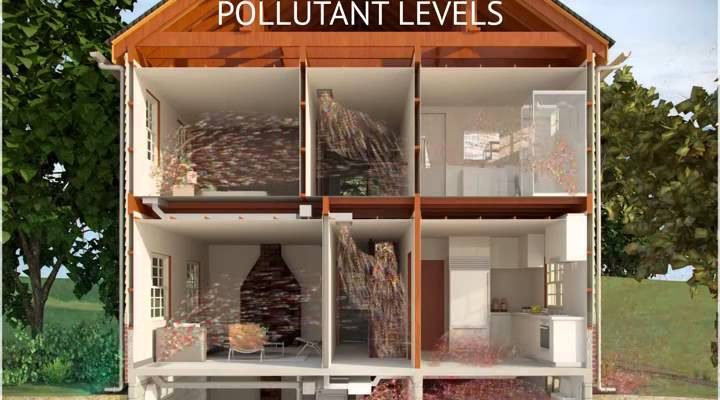
While these techniques can save money and energy, they can also trap pollutants in the home, and sometimes even generate more pollutants. High temperatures and humidity levels can also increase concentrations of pollutants.indoor-air-pollution-ez-breathe-ventilation-system-1

There are many sources of pollutants in the home generated from both indoor and outdoor sources. The obvious ones are cigarette smoke, lead, asbestos, mold, radon, carbon monoxide, pesticides, pet dander, and dust mites. Less obvious sources are volatile organic compounds, formaldehyde, and other chemicals present in fabrics, building materials, paint, cleaning products, coated surfaces, and more.

Children Are Most at Risk

Most Americans spend about 90% of their time indoors. Studies by the Environmental Protection Agency found pollutant levels indoors can be two to five times higher than outdoors – and in some instances even 100 times higher than outdoors.

Those most susceptible to indoor air pollution are the ones who are home the most: children, the elderly, and those with chronic illnesses.

Children may be more susceptible to environmental exposures than adults, and because of their developing systems, particularly vulnerable to the effects of indoor pollutants.

About 26 million people – 8.3% of Americans – have asthma. A study published in the American Journal of Respiratory and Critical Care Medicine concluded that many asthma cases among elementary school-age children could be prevented by controlling exposure to indoor allergens and tobacco smoke. By controlling biological contaminants such as dust mites, cockroaches, mice, mold and pet allergens, asthma cases could be reduced even further.indoor-air-pollution-ez-breathe-ventilation-system-2

Indoor Pollution Can Go Undetected

Many indoor air pollutants cannot be detected by our senses, and the symptoms they produce can be vague. Often, it is difficult to determine which pollutant or pollutants are the sources of a person’s ill health, with some symptoms not showing up until years later.

Common symptoms of exposure to indoor air pollutants include:

  • Headaches
  • Fatigue
  • Dizziness
  • Nausea
  • Itchy nose and eyes
  • Scratchy throat

Everyone can take steps to reduce the potential for indoor air pollution and improve the quality of the air they breathe.

Contact the Professionals at EZ Breathe Ventilation System Today! 866-822-7328