
Most homeowners are aware of outdoor air pollution, but few consider that the air inside their homes can often be even more contaminated. Stale indoor air that lacks movement, ventilation, and replenishment can quietly impact your health every day, especially during colder months when windows stay closed, and fresh air is scarce. Although stale air may not always have a strong odor or visible signs of pollution, its long-term health effects can be significant.
Understanding how stale indoor air forms, what contaminants it contains, and how it affects your well-being is essential for maintaining a healthy living environment. Many homeowners don’t realize they are breathing air filled with moisture, allergens, chemicals, and other pollutants that accumulate as the home becomes more tightly sealed.
This article explores the hidden health effects of stale indoor air and why proper ventilation is an essential part of protecting your home and your family.
What Exactly Is Stale Indoor Air?
Stale indoor air is simply air that has not been exchanged or refreshed for an extended period of time. Instead of circulating and moving out of the home, the air remains trapped indoors, accumulating contaminants and moisture. This becomes especially problematic in basements, crawlspaces, and lower levels where natural airflow is minimal.
 Signs of stale air include:
Musty or lingering odors
Stuffy rooms
High humidity levels
Condensation on windows or walls
Air that feels “heavy” or stagnant
Even if these signs are subtle, stale air can still impact your comfort and health.
How Does Stale Air Develop in Homes?
Stale indoor air forms when a house lacks proper ventilation. Modern homes are built to be energy efficient, which means they are tightly sealed. While sealing helps reduce energy bills, it also limits natural air exchange. Pollutants that would normally dissipate outdoors become trapped inside the home instead.
Several factors contribute to stale indoor air:
1. Poor Basement Ventilation
Basements absorb moisture from surrounding soil and release it into the air. Without adequate ventilation, this moisture accumulates, creating a humid, stale environment that eventually spreads throughout the home.
2. Indoor Activities Produce Moisture and Pollutants
Everyday tasks add contaminants to the air, including:
Cooking
Showering
Cleaning
Doing laundry
Burning candles
Using chemical-based products
When ventilation is insufficient, these pollutants linger.
3. Winter Weather Keeps Homes Closed
During cold months, homeowners rarely open windows. As a result, indoor air becomes more stagnant, and pollutants build up faster.
4. HVAC Systems Recirculate Air Instead of Replacing It
Most heating and cooling systems circulate the same air repeatedly. Without a dedicated ventilation system, contaminants simply move from room to room.
The Common Pollutants Found in Stale Indoor Air
Stale air may seem harmless, but it often contains a mixture of contaminants, moisture, and microscopic particles that affect indoor health.
These include:
1. Mold Spores
Basements with poor ventilation are prime environments for mold. Once mold begins to grow, spores float in the air and travel throughout the home.
2. Volatile Organic Compounds (VOCs)
VOCs come from:
Cleaning products
Paint
Carpets
Air fresheners
Plastics
Furniture
These chemicals become more concentrated when windows remain closed.
3. Dust and Allergens
Stale indoor air typically contains high levels of:
Dust mites
Pet dander
Skin flakes
Textile fibers
These contaminants settle on surfaces and circulate continuously.
4. Excess Moisture
Humidity rises when stale air has no exit route. Moisture contributes to:
Mold growth
Musty odors
Condensation
Poor indoor comfort
5. Radon Gas
Basements often accumulate radon, a naturally occurring radioactive gas that enters through the soil. Without proper ventilation, radon levels can rise to unsafe levels.
6. VOCs from Heating Systems
During winter, furnaces and other heating appliances release small amounts of byproducts that can stay trapped inside homes with limited ventilation.
The Hidden Health Effects of Stale Indoor Air
Many homeowners underestimate the impact stale indoor air can have on health. Because symptoms often develop slowly or seem unrelated, people may not realize the air inside their home is the cause.
Here are some of the most common health effects associated with stale indoor air:
1. Increased Allergy Symptoms
Mold spores, dust mites, and pet dander thrive in humid, poorly ventilated spaces. Stale air increases exposure to these allergens, leading to:
Runny nose
Itchy eyes
Sneezing
Skin irritation
Congestion
Even people without allergies may develop sensitivities over time.
2. Respiratory Irritation
Pollutants trapped in stagnant air can irritate the respiratory system. Homeowners often report:
Chronic cough
Throat discomfort
Wheezing
Pressure in the chest
People with asthma notice symptoms worsen significantly.
3. Headaches and Fatigue
Poor air quality affects oxygen exchange and forces the body to work harder. VOCs and mold can lead to:
Frequent headaches
General fatigue
Difficulty concentrating
Sleep disturbances
Many homeowners mistake these symptoms for stress or dehydration, unaware that the air they breathe is a factor.
4. Increased Risk of Illness
Bacteria thrive in humid, stagnant environments. Stale indoor air allows viruses and germs to linger longer, raising the likelihood of spreading illness within the household.
5. Worsening of Existing Conditions
Individuals with respiratory or immune-related conditions may experience intensifying symptoms when exposed to stale air. These include:
Asthma
Sinusitis
COPD
Allergies
Bronchitis
6. Long-Term Radon Exposure Risks
Prolonged exposure to radon gas can lead to serious health consequences. Radon is the second leading cause of lung cancer, and winter is the season when radon levels typically rise due to reduced ventilation.
7. Emotional and Cognitive Impact
Poor indoor air quality can even influence mood and cognitive function. Several studies link stale air to:
Irritability
Lack of focus
Brain fog
Increased stress
When the brain receives less oxygen-rich air, performance naturally declines.
Why Stale Air Problems Are Worse in Basements
Basements are the starting point for many indoor air issues. Because they sit below ground, they retain more moisture and have less natural airflow. The stack effect then pulls basement air upward into the rest of the home.
If a basement contains:
Mold
Moisture
Odors
Radon
Contaminants
then the entire home will eventually experience the same air quality problems.
This is why addressing stale air at its source—the basement—is essential to improving the home’s overall environment.
Why DIY Solutions Rarely Fix Stale Indoor Air
Many homeowners try quick fixes like candles, sprays, air purifiers, or opening a window occasionally. While these may temporarily improve the smell, they do not address the underlying issue.
Air purifiers only filter existing air
They do not replace stale air with fresh air.
Dehumidifiers reduce moisture but don’t improve ventilation
Humidity drops, but contaminants remain.
Opening windows briefly doesn’t exchange enough air
Especially in winter, this approach is ineffective and impractical.
HVAC systems recirculate stale air
They move air around, but they don’t remove pollutants or moisture.
Only active, continuous ventilation addresses the root cause of stale indoor air.
The Importance of Whole-Home Ventilation
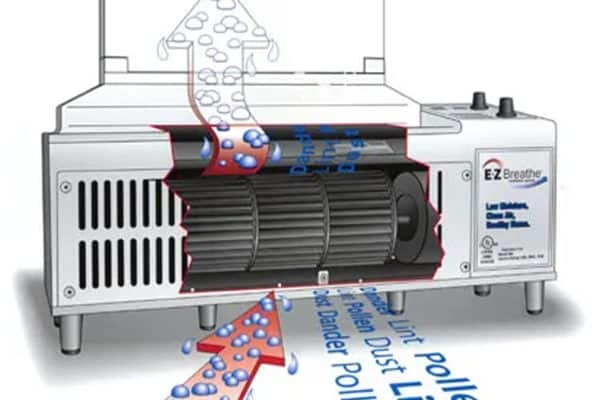
To improve indoor air quality, stale air must be removed and replaced with fresh air from outside. A proper ventilation system ensures that moisture, pollutants, and contaminants exit the home instead of lingering inside.
 The benefits include:
Reduced humidity
Fewer odors
Lower mold growth
Decreased allergens
Better respiratory comfort
Improved overall home health
Good ventilation is especially important during winter, when homes remain sealed and stale air becomes unavoidable.
How Homeowners Can Reduce Stale Indoor Air
While professional ventilation systems offer the most effective results, homeowners can also take steps to support better indoor air quality:
Use kitchen and bathroom exhaust fans consistently
Keep basement areas clutter-free
Avoid storing cardboard boxes in damp areas
Reduce use of chemical sprays and fragrances
Clean HVAC filters regularly
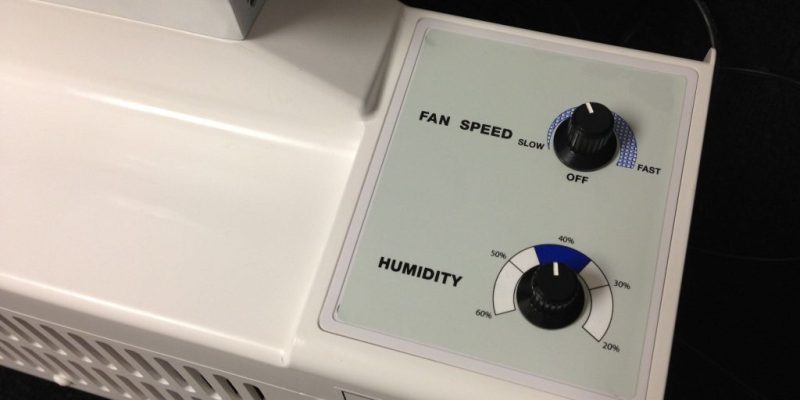
Monitor basement humidity levels
Ensure clothes dryers vent outdoors
These practices help minimize contaminants but do not replace the need for continuous air exchange in the home.
Conclusion: Stale Indoor Air Has a Bigger Impact Than Most Realize
Stale indoor air is more than an inconvenience. It affects respiratory health, comfort, sleep quality, energy levels, and long-term well-being. Since most homeowners spend more time indoors during winter, the impact becomes even more pronounced.
Improving ventilation and eliminating stale air is one of the most effective ways to create a healthier living environment. By addressing humidity, pollutants, odors, and lack of airflow, homeowners can transform their homes into cleaner, fresher, and more comfortable spaces.
If your home feels stuffy, musty, or stagnant, it may be time to reconsider how your home breathes. Proper ventilation is essential for protecting both your home and your health.

 Indoor air is often more polluted than outdoor air, sometimes up to five times worse. Common indoor contaminants include:
 1. Is the installation difficult for beginners?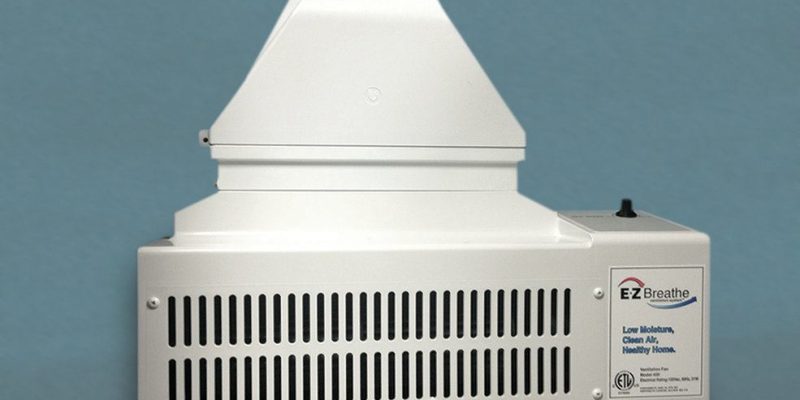
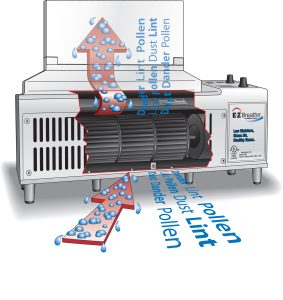


 Indoor air quality directly affects our health, comfort, and well-being. Pollutants like mold spores, dust mites, and
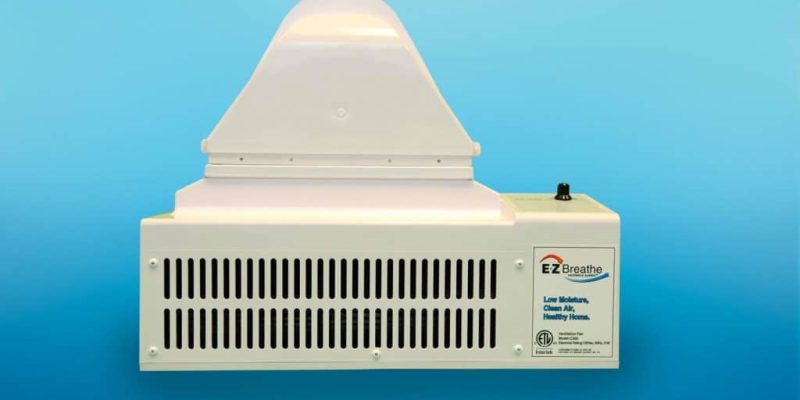
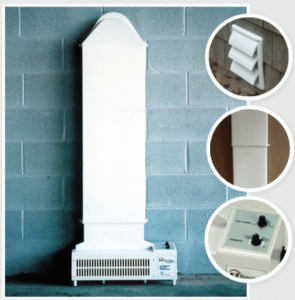
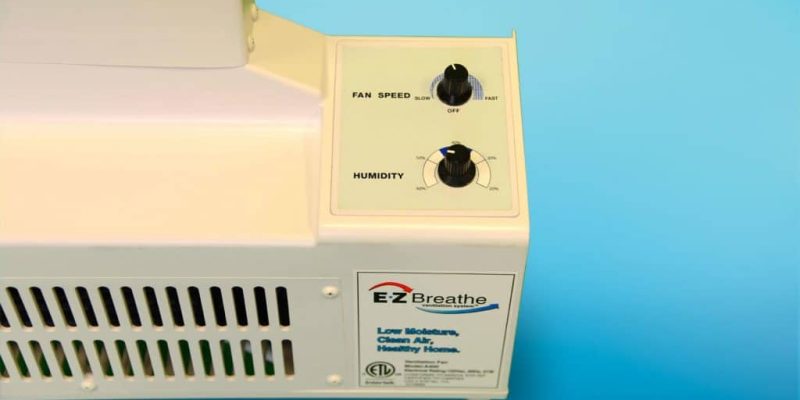
  Comprehensive Ventilation: Unlike room-specific dehumidifiers or air purifiers, EZ Breathe works on the entire home, ensuring consistent air quality improvement throughout every room.

 Reduced Need for Chemical Cleaners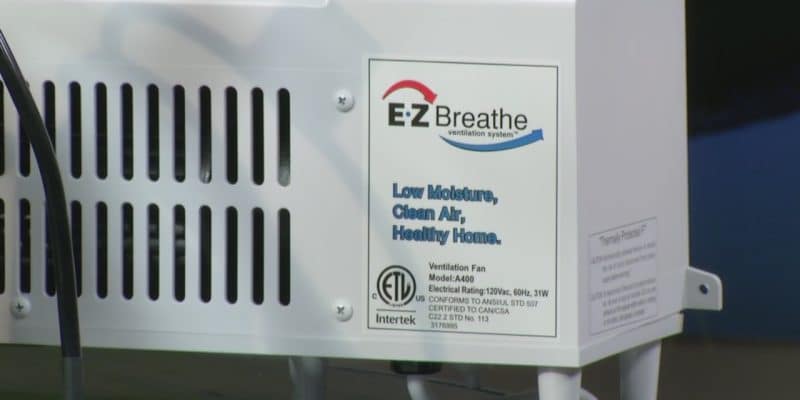
 Continuous Air Exchange: The system creates a steady flow of fresh air into the home, expelling indoor air pollutants that cause odors and trigger health issues.
 Protection from Mold and Allergens