Air Quality

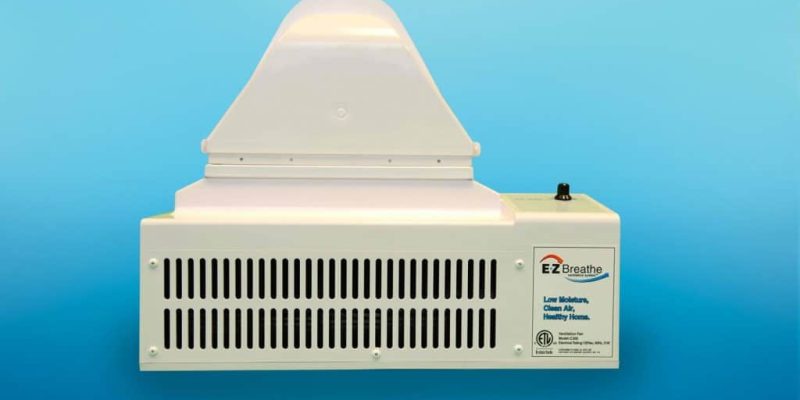
Basement Ventilation Systems: How EZ Breathe Creates a Healthier Home from the Ground Up

Many homeowners think of their basement as nothing more than extra storage space or a laundry area. But in reality, it plays a much bigger role in your home’s overall air quality than you might imagine. Because basements are naturally prone to moisture buildup, poor ventilation, and stale air, they can become a breeding ground for mold, mildew, and allergens. Over time, these problems don’t just stay in the basement — they spread throughout your entire home.

That’s where EZ Breathe Basement Ventilation Systems make the difference. By improving airflow and removing excess moisture, they transform your basement into a fresher, healthier environment, protecting both your home’s structure and your family’s well-being.

Why Basement Ventilation Matters

Basements are unique in their environment — cooler temperatures, limited sunlight, and proximity to soil all create conditions for high humidity and trapped pollutants. Without proper ventilation:

  • Moisture accumulates, leading to mold and mildew growth.

  • Air becomes stagnant, increasing musty odors and allergens.

  • Pollutants circulate into upper living areas, affecting overall air quality.

Beyond comfort, this has structural implications. Excess humidity can weaken wooden supports, promote rust in metal fixtures, and even damage stored items such as furniture, photographs, or important documents.

The Hidden Dangers of Poor Basement Air

It’s easy to overlook what you can’t see, but indoor air pollution can be up to five times worse than outdoor air. In basements with poor ventilation, you may encounter:

  1. Mold Spores – Known allergens that can cause respiratory problems, skin irritation, and worsen asthma.

  2. Radon Gas – A naturally occurring radioactive gas that can accumulate indoors, posing long-term health risks.

  3. Volatile Organic Compounds (VOCs) – Emitted by paints, cleaning products, and stored chemicals.

  4. Dust and Allergens – Easily stirred up and carried through HVAC systems into living spaces.

Good ventilation is the first line of defense against these issues.

How the EZ Breathe Basement Ventilation System Works

Unlike traditional dehumidifiers that only address moisture, EZ Breathe takes a whole-home approach:

  1. Continuous Air Exchange – Replaces stale, damp basement air with fresh, drier air from other parts of the home or outside.

  2. Humidity Control – Keeps relative humidity at safe levels (ideally 40–50%) to prevent mold and mildew.

  3. Pollutant Removal – Helps eliminate airborne contaminants like dust, allergens, and radon gases.

  4. Low Energy Usage – Designed to run continuously without large spikes in electricity bills.

This method ensures not just temporary relief, but a consistent, long-term improvement in air quality.

Key Benefits of EZ Breathe Basement Ventilation

  • Healthier Air Quality – Removes pollutants that can trigger allergies, asthma, and other respiratory problems.

  • Mold and Mildew Prevention – Stops growth before it becomes a costly and hazardous problem.

  • Odor Elimination – Gets rid of musty, damp smells.

  • Low Maintenance – No water tanks to empty, no daily adjustments needed.

  • Whole-Home Impact – Cleaner basement air means cleaner air everywhere.

Real-Life Scenario: A Basement Transformation

Consider a family whose basement doubled as a playroom and storage area. Over time, they noticed a persistent musty smell and increased allergy symptoms. A dehumidifier helped slightly, but the air still felt heavy and stale. After installing an EZ Breathe system, the difference was immediate — fresher air, reduced humidity, and the smell was gone. Within weeks, allergy flare-ups decreased, and the family could comfortably use the basement again.

How It Compares to Other Solutions

FeatureDehumidifierPortable Air PurifierEZ Breathe System
Moisture ControlYesNoYes
Air ExchangeNoLimitedYes
Pollutant RemovalNoPartialYes
Coverage AreaSmallSmall/MediumWhole Basement
MaintenanceHighMediumLow

The EZ Breathe system offers comprehensive coverage, addressing both air quality and humidity control, something no single portable unit can match.

Professional Installation vs DIY

While some ventilation systems can be self-installed, professional installation ensures the unit is placed for maximum efficiency. An installer can:

  • Assess airflow patterns in your basement.

  • Identify the best location to capture and replace stale air.

  • Ensure the system integrates smoothly with your home’s layout.

Although DIY installation may be possible, homeowners often find that professional setup delivers better long-term results.

Maintenance and Longevity

One of the standout features of EZ Breathe is its minimal maintenance. There are no filters to replace regularly, and no buckets to empty. A quick check every few months to ensure airflow is unobstructed is typically all that’s needed. Many units run reliably for years with little to no service required.

Frequently Asked Questions (FAQs)

1. Will EZ Breathe make my whole house smell better, or just the basement?basement-waterproofing-methods-ez-breathe-ventilation-system-3

Yes — since air circulates between floors, cleaner basement air improves the air quality throughout your entire home.

2. How quickly will I notice results?

Most homeowners report noticeable improvements in air freshness and humidity within days of installation.

3. Does it replace a dehumidifier?

In many cases, yes. EZ Breathe controls humidity and improves air quality without the upkeep of a dehumidifier.

4. Can it help with allergies?

Absolutely. By reducing mold spores, dust, and allergens, it often provides relief for allergy and asthma sufferers.

5. What about radon gas?

While it’s not a radon mitigation device, EZ Breathe’s continuous air exchange can help lower radon levels by venting it out of the home.

6. How much electricity does it use?

EZ Breathe is designed to be energy-efficient, typically costing less than running a standard dehumidifier.

Conclusion

Your basement’s air quality matters more than you might think. Moisture, mold, and pollutants don’t just stay downstairs — they impact your whole home. EZ Breathe Basement Ventilation Systems offer a simple, effective, and low-maintenance way to keep your air fresh, your basement dry, and your family healthier.

With a professionally installed system, you’ll enjoy long-term benefits that go beyond comfort — you’ll protect your home’s structure, improve your indoor air, and create a safer environment for everyone who lives there.

If you’re ready to transform your basement from musty to fresh, EZ Breathe is the smart, lasting choice.

Musty Smells | New York, NY | EZ Breathe Ventilation System

Understanding the Importance of Basement Ventilation

The Fundamentals of Basement Ventilation Systems

Basements are often overlooked spaces within our homes, yet they play a crucial role in maintaining structural integrity and indoor air quality. Proper ventilation in basements is essential for a variety of reasons, including moisture control, prevention of mold and mildew, and ensuring adequate airflow for health and safety. In this article, we’ll delve into the fundamentals of basement ventilation systems, exploring different types, their components, and why they are essential for every basement.

To begin with, let’s understand the primary challenges associated with basements. Due to their below-ground nature, basements are prone to high humidity levels and moisture infiltration. This moisture can seep through walls and floors, leading to dampness and mold growth if not adequately addressed. Additionally, basements often lack natural ventilation, making them susceptible to poor air quality and stagnant air.basement-ventilation-systems-methods-ez-breathe-1

Basement ventilation systems are designed to address these challenges by providing controlled airflow and moisture management. There are several types of ventilation systems commonly used in basements:

  • Natural Ventilation: This involves utilizing windows, doors, and vents to allow fresh air to enter and stale air to exit the basement. While effective in some cases, natural ventilation may not be sufficient to adequately control moisture and air quality, especially in tightly sealed basements.
  • Mechanical Ventilation: Mechanical ventilation systems, such as exhaust fans and dehumidifiers, actively remove stale air and moisture from the basement while bringing in fresh air from the outside. These systems are typically more effective at maintaining optimal air quality and reducing humidity levels.
  • Heat Recovery Ventilation (HRV) Systems: HRV systems are designed to provide fresh air while recovering heat from the outgoing stale air. This helps improve energy efficiency by reducing heating and cooling costs while ensuring proper ventilation.

Basement ventilation systems consist of various components, including fans, ductwork, vents, and controls. Exhaust fans are typically installed to remove stale air, while intake vents allow fresh air to enter the basement. Ductwork is used to distribute air throughout the space, and controls such as timers or humidity sensors regulate the operation of the system.basement-ventilation-systems-methods-ez-breathe-2

The importance of basement ventilation cannot be overstated. Basements can become breeding grounds for mold, mildew, and other indoor air pollutants without proper ventilation, posing health risks to occupants. Moreover, excess moisture can lead to structural damage and decay, compromising the integrity of the building.

In conclusion, basement ventilation systems are essential for maintaining a healthy and comfortable indoor environment. By implementing the right ventilation strategy, homeowners can effectively manage moisture levels, prevent mold growth, and improve overall air quality in their basements.

Contact the Professionals at EZ BreatheToday!  866-822-7328

indoor-air-hazards-ez-breathe-3

Optimizing the Environment: A Detailed Look at Basement Ventilation Systems

Basements, often overlooked spaces in our homes, play a crucial role beyond just storage areas. They can house mechanical systems, and additional living spaces, or serve as workspaces. However, the lack of proper ventilation can turn these spaces into damp environments prone to mold, affecting both health and the structural integrity of the home. This is where the importance of basement ventilation systems comes into play.

Common Basement Issues: Moisture and Mold

One of the most prevalent problems in basements is the accumulation of moisture. This moisture can seep through walls, and floors, or result from plumbing leaks. The humid environment is an ideal breeding ground for mold, causing damage to the building structure and potentially impacting health with allergies and respiratory issues.

The Crucial Role of Ventilation in Basements

An effective ventilation system is essential to combat these problems and maintain a healthy environment in the basement. Basement ventilation systems are designed to refresh the air by eliminating moisture and providing proper air circulation. There are various types of basement ventilation systems, with mechanical ventilation being one of the most efficient.

Mechanical Ventilation: An Effective Solution

Mechanical ventilation systems for basements consist of fans that extract stale and humid air from the basement, replacing it with fresh air from the outside. These systems can operate continuously or be programmed to run at specific times of the day, depending on the specific needs of the home.

Benefits of a Basement Ventilation System:

  1. Moisture Control: By eliminating moisture, the likelihood of mold formation is reduced, preventing long-term structural issues.

    indoor-air-quality-ez-breathe-3

  2. Improved Air Quality: Constant air circulation ensures a steady supply of fresh air, enhancing air quality in the basement and throughout the home.
  3. Prevention of Unpleasant Odors: Adequate ventilation helps prevent the buildup of unpleasant odors, maintaining a fresh and pleasant environment.
  4. Protection of Stored Items: Reduced humidity benefits items stored in the basement, preventing damage from mold or corrosion.
  5. Energy Efficiency: By maintaining a balanced environment, the load on heating and cooling systems can be reduced, leading to increased energy savings.

Important Considerations:

  1. Basement Size: The ventilation system’s capacity should match the size of the basement to ensure efficient performance.indoor-air-quality-ez-breathe-2
  2. Insulation: Considering the quality of basement insulation is crucial to maximize the effectiveness of the ventilation system.
  3. Regular Maintenance: Ventilation systems require regular maintenance to ensure optimal performance. This includes cleaning filters and inspecting key components.

In summary, investing in a basement ventilation system not only protects your home’s structure but also significantly contributes to the well-being of its inhabitants. By maintaining a dry and healthy environment, these systems offer a comprehensive solution to common challenges associated with basements, ensuring these spaces are a functional and safe extension of your home.

Contact the Professionals at EZ Breathe Ventilation System Today! 866-822-7328