


Crawlspaces are often overlooked areas in homes, yet they play a crucial role in maintaining the structural integrity and indoor air quality of a residence. However, crawlspaces are highly susceptible to moisture intrusion, which can lead to mold growth, wood rot, and other issues if left untreated. Crawlspace waterproofing is essential for preventing these problems and ensuring a dry, healthy environment. In this article, we’ll explore common crawlspace waterproofing techniques, their benefits, and considerations for homeowners.
1. Vapor Barrier Installation
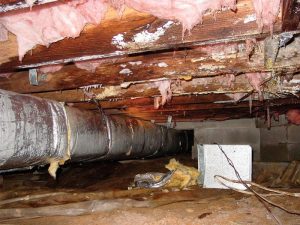
One of the most effective crawlspace waterproofing techniques is the installation of a vapor barrier. A vapor barrier is a thick, durable plastic sheet that is laid over the crawlspace floor and sometimes up the walls. This barrier prevents moisture from seeping into the crawlspace from the ground below. It also helps to reduce humidity levels, which can prevent mold growth and wood rot.
2. Crawlspace Encapsulation
Crawlspace encapsulation is a comprehensive waterproofing technique that involves sealing off the entire crawlspace from the outside environment. This typically includes installing a thick vapor barrier on the floor and walls, as well as sealing off any vents or openings. Additionally, a dehumidifier may be installed to maintain optimal humidity levels. Encapsulation creates a controlled environment within the crawlspace, preventing moisture intrusion and protecting the home’s foundation.
3. Drainage Systems
In areas where groundwater is a concern, installing a drainage system can help prevent water from accumulating in the crawlspace. This may include installing French drains around the perimeter of the crawlspace or a sump pump to remove excess water. By directing water away from the crawlspace, drainage systems can help prevent moisture-related issues such as mold and wood rot.
4. Foundation Ventilation
Proper ventilation is essential for reducing humidity levels and promoting airflow within the crawlspace. This can be achieved by installing foundation vents or fans to allow air to circulate freely. Ventilation helps prevent condensation and mold growth, creating a healthier environment for occupants.
5. Sealing and Insulation
Sealing off cracks, gaps, and openings in the crawlspace walls and floors is another important step in waterproofing. This helps prevent water from seeping into the crawlspace and reduces air leakage, which can contribute to humidity issues. Insulating the crawlspace walls and rim joists can also help regulate temperature and further reduce moisture buildup.
Benefits of Crawlspace Waterproofing
Investing in crawlspace waterproofing offers numerous benefits for homeowners, including:
- Prevention of Moisture-Related Issues: By keeping the crawlspace dry, waterproofing helps prevent mold growth, wood rot, and other moisture-related problems.
- Improved Indoor Air Quality: Waterproofing reduces humidity levels and prevents the buildup of indoor pollutants, creating a healthier living environment for occupants.
- Protection of Structural Integrity: By preventing moisture damage, waterproofing helps protect the home’s foundation, support beams, and other structural elements.
- Energy Efficiency: Proper crawlspace waterproofing can lead to energy savings by reducing the need for heating and cooling and preventing air leakage.
Considerations for Homeowners
Before undertaking a crawlspace waterproofing project, homeowners should consider the following factors:
- Extent of Moisture Issues: It’s essential to assess the severity of moisture issues in the crawlspace and identify the underlying causes before choosing a waterproofing technique.

- Budget: Waterproofing costs can vary depending on the chosen method and the size of the crawlspace. Homeowners should establish a realistic budget and prioritize necessary repairs.
- Professional Assistance: While some crawlspace waterproofing tasks can be done DIY, more complex techniques may require professional expertise. Homeowners should consult with waterproofing experts to determine the most effective solution for their needs.
- Maintenance Requirements: Proper maintenance is essential to ensure the effectiveness of crawlspace waterproofing systems. Homeowners should follow manufacturer recommendations and schedule periodic inspections to identify and address any issues promptly.
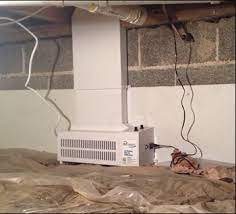
Crawlspace waterproofing is a critical investment for homeowners looking to protect their property from moisture damage and create a dry, healthy environment. By implementing common waterproofing techniques such as vapor barrier installation, encapsulation, drainage systems, foundation ventilation, and sealing and insulation, homeowners can effectively prevent moisture-related issues and maintain the structural integrity of their homes. Whether through DIY efforts or professional assistance, investing in crawlspace waterproofing is essential for ensuring the long-term health and safety of the home and its occupants.
Contact the Professionals at EZ Breathe Today! 866-822-7328