For decades, the go-to solution for a damp basement was a portable dehumidifier. Homeowners would diligently empty water buckets or set up hose drains, expecting
When it comes to managing moisture and improving air quality, many homeowners find themselves choosing between a dehumidifier and the EZ Breathe Ventilation System. Both
Homeowners dealing with excess moisture, musty odors, and poor air quality often turn to dehumidifiers as a solution. While traditional dehumidifiers help remove moisture from
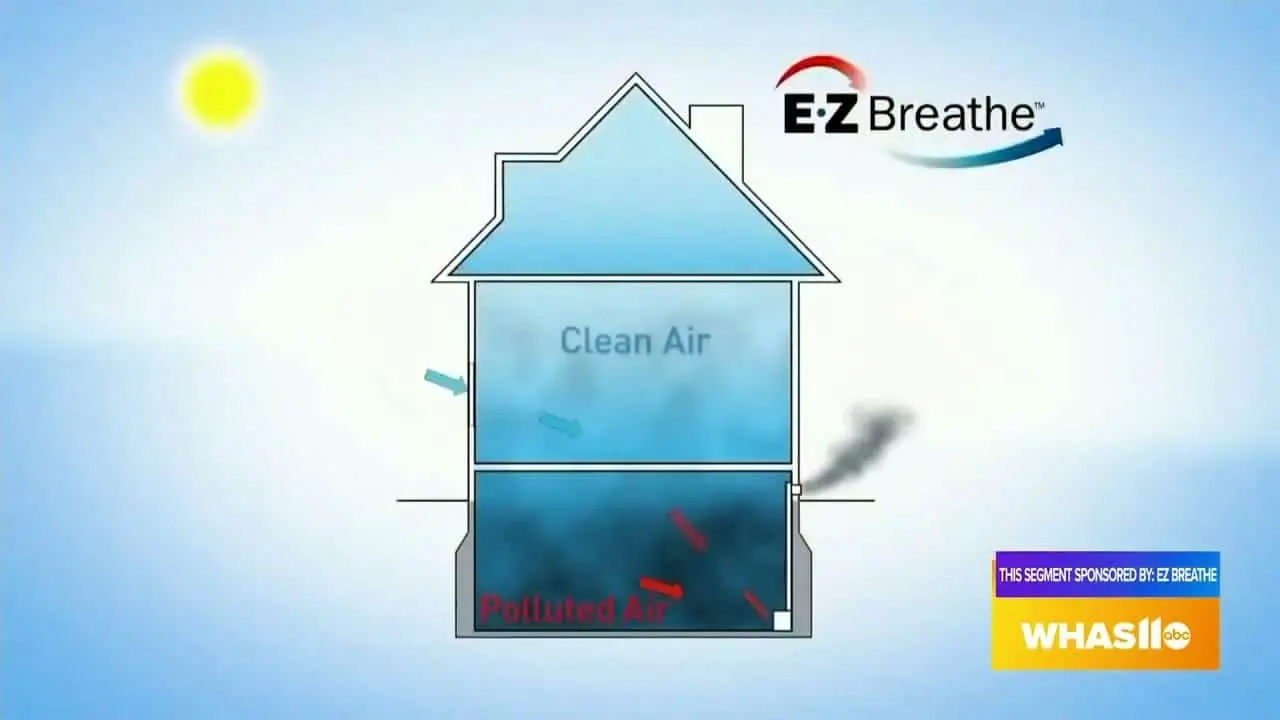
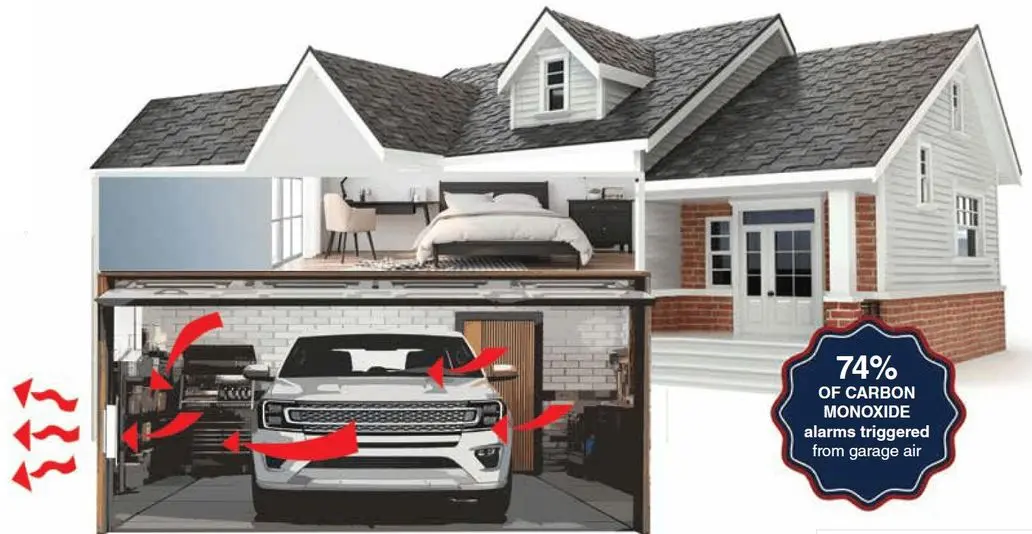
Modern homes are designed to be energy-efficient, often resulting in tightly sealed environments that can trap indoor pollutants. While this efficiency is beneficial for reducing
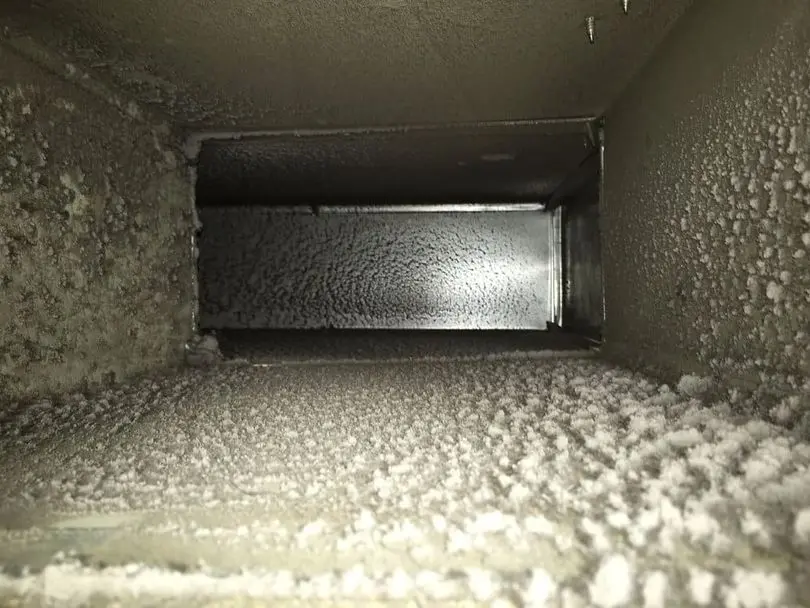
Air ducts are an integral part of most modern homes, responsible for distributing heated or cooled air throughout the building. However, despite their importance, air
When it comes to creating a healthy and comfortable living environment, ventilation often takes a back seat to other home improvement priorities. However, proper ventilation
Basements are valuable spaces in residential homes, serving a variety of purposes such as storage, laundry, recreational areas, or even additional living space. However, due
Balancing energy efficiency with effective ventilation is a crucial consideration when designing and implementing basement ventilation systems. While proper ventilation is essential for maintaining indoor
To provide the best experiences, we use technologies like cookies to store and/or access device information. Consenting to these technologies will allow us to process data such as browsing behavior or unique IDs on this site. Not consenting or withdrawing consent, may adversely affect certain features and functions.
Functional Always active
The technical storage or access is strictly necessary for the legitimate purpose of enabling the use of a specific service explicitly requested by the subscriber or user, or for the sole purpose of carrying out the transmission of a communication over an electronic communications network.
Preferences
The technical storage or access is necessary for the legitimate purpose of storing preferences that are not requested by the subscriber or user.
Statistics
The technical storage or access that is used exclusively for statistical purposes.The technical storage or access that is used exclusively for anonymous statistical purposes. Without a subpoena, voluntary compliance on the part of your Internet Service Provider, or additional records from a third party, information stored or retrieved for this purpose alone cannot usually be used to identify you.
Marketing
The technical storage or access is required to create user profiles to send advertising, or to track the user on a website or across several websites for similar marketing purposes.
Understanding the Benefits of EZ Breathe Ventilation Systems
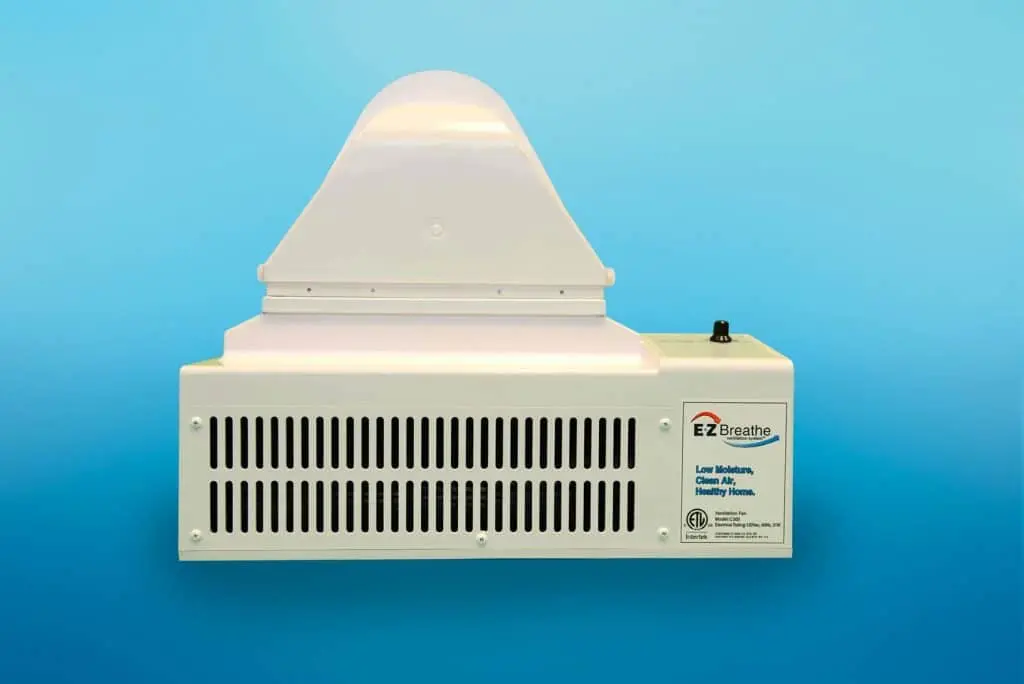
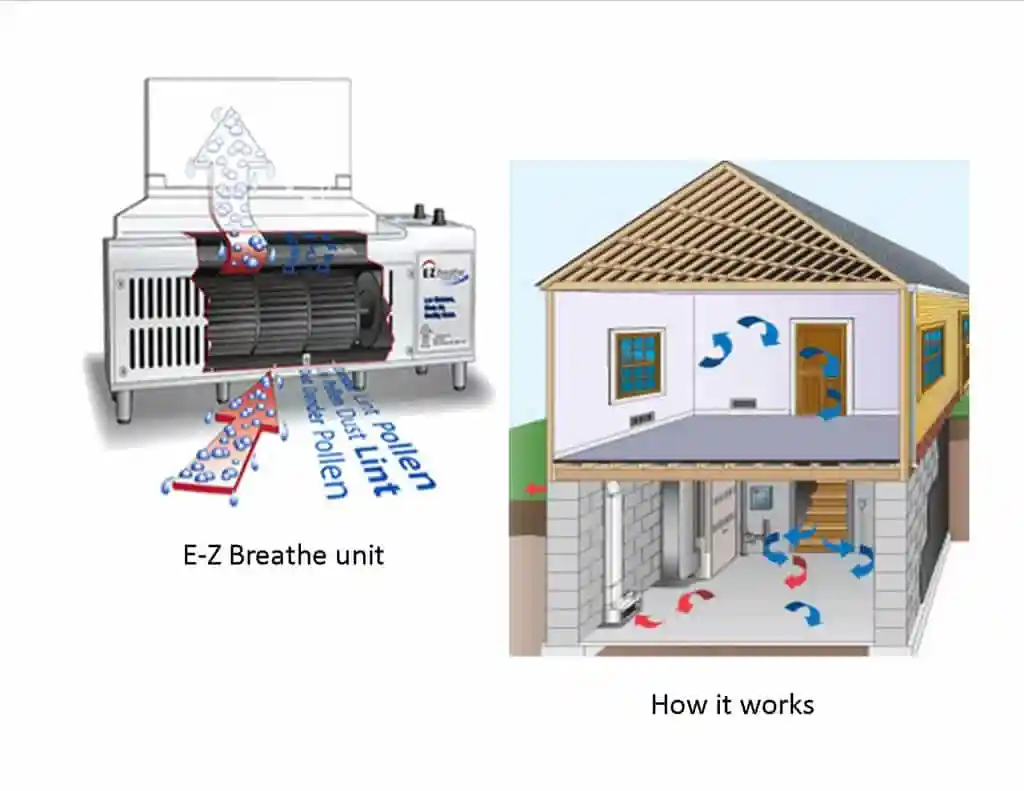
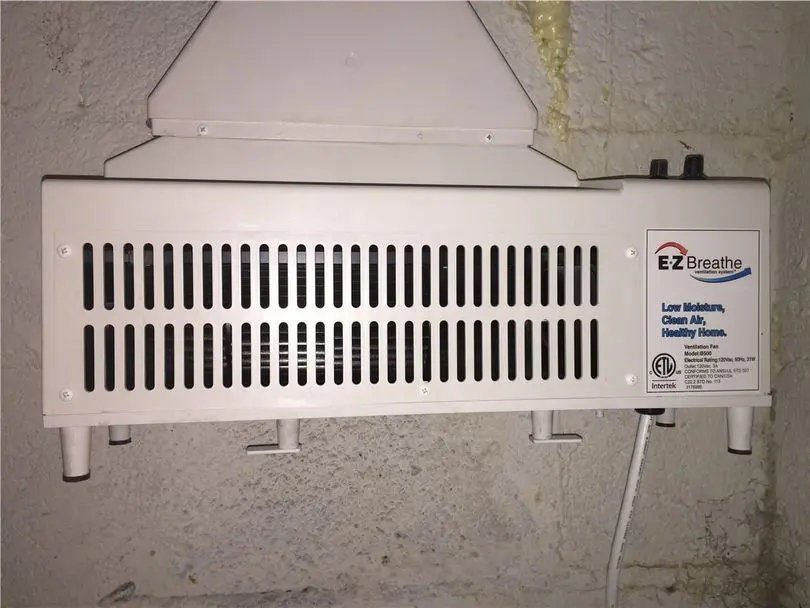
EZ Breathe ventilation systems offer a range of benefits that surpass traditional dehumidifiers, primarily by improving indoor air quality. These systems work continuously to remove excess moisture, allergens, and pollutants, creating a healthier living environment.
For instance, EZ Breathe systems not only reduce humidity levels but also help eliminate musty odors and prevent mold growth. Homeowners can enjoy cleaner air and improved respiratory health, making these systems an essential investment for any household concerned about indoor air quality.
Comparative Analysis: EZ Breathe vs. Traditional Dehumidifiers
When considering moisture control solutions, it's vital to understand the differences between EZ Breathe systems and traditional dehumidifiers. While both aim to reduce humidity, EZ Breathe systems provide a more holistic approach to ventilation and air circulation.
Traditional dehumidifiers often require manual water removal and can be noisy, while EZ Breathe systems operate quietly and continuously without the need for constant maintenance. This comparative analysis highlights the advantages of choosing EZ Breathe for long-term health benefits and convenience.
Maintaining Your EZ Breathe System for Optimal Performance
To ensure your EZ Breathe ventilation system operates at peak performance, regular maintenance is essential. This includes checking filters, inspecting ductwork, and ensuring that the system is free from obstructions.
By adhering to a maintenance schedule, homeowners can maximize the efficiency of their EZ Breathe systems, leading to better air quality and energy savings. Simple tasks, such as cleaning the intake vents and monitoring humidity levels, can significantly enhance the system's effectiveness.
Common Misconceptions About Home Ventilation
There are several misconceptions surrounding home ventilation that can lead to poor indoor air quality. Many homeowners believe that sealing their homes tightly is sufficient for energy efficiency, but this can trap pollutants and moisture indoors.
Understanding the importance of proper ventilation is crucial. For example, even energy-efficient homes require a balanced airflow to prevent health issues related to stagnant air. Educating homeowners about these misconceptions helps them make informed decisions regarding their indoor environments.
Understanding the Benefits of EZ Breathe Ventilation Systems
EZ Breathe ventilation systems offer a range of benefits that surpass traditional dehumidifiers, primarily by improving indoor air quality. These systems work continuously to remove excess moisture, allergens, and pollutants, creating a healthier living environment.
For instance, EZ Breathe systems not only reduce humidity levels but also help eliminate musty odors and prevent mold growth. Homeowners can enjoy cleaner air and improved respiratory health, making these systems an essential investment for any household concerned about indoor air quality.
Comparative Analysis: EZ Breathe vs. Traditional Dehumidifiers
When considering moisture control solutions, it's vital to understand the differences between EZ Breathe systems and traditional dehumidifiers. While both aim to reduce humidity, EZ Breathe systems provide a more holistic approach to ventilation and air circulation.
Traditional dehumidifiers often require manual water removal and can be noisy, while EZ Breathe systems operate quietly and continuously without the need for constant maintenance. This comparative analysis highlights the advantages of choosing EZ Breathe for long-term health benefits and convenience.
Maintaining Your EZ Breathe System for Optimal Performance
To ensure your EZ Breathe ventilation system operates at peak performance, regular maintenance is essential. This includes checking filters, inspecting ductwork, and ensuring that the system is free from obstructions.
By adhering to a maintenance schedule, homeowners can maximize the efficiency of their EZ Breathe systems, leading to better air quality and energy savings. Simple tasks, such as cleaning the intake vents and monitoring humidity levels, can significantly enhance the system's effectiveness.
Common Misconceptions About Home Ventilation
There are several misconceptions surrounding home ventilation that can lead to poor indoor air quality. Many homeowners believe that sealing their homes tightly is sufficient for energy efficiency, but this can trap pollutants and moisture indoors.
Understanding the importance of proper ventilation is crucial. For example, even energy-efficient homes require a balanced airflow to prevent health issues related to stagnant air. Educating homeowners about these misconceptions helps them make informed decisions regarding their indoor environments.