

You might think that a slightly damp basement isn’t a big deal, but let’s reconsider. What if the humidity in your basement is silently causing structural damage or health issues? A dehumidifier can help maintain an ideal humidity level, which could be the difference between a safe, comfortable home and one fraught with problems. So, is investing in a dehumidifier the right move for you? Stick around, we’ll unpick this question and more to help you make an informed decision.
Key Takeaways
- Basements with humidity levels above 50% risk mold growth, increased heating costs, and structural damage, necessitating a dehumidifier.
- Dehumidifiers can improve indoor air quality, reduce health risks, and increase HVAC system efficiency, beneficial for basements.
- Obvious signs like mold, damp spots, condensation, and musty odors indicate the need for a basement dehumidifier.
- A dehumidifier can protect wooden structures and personal belongings in your basement from damage due to excess moisture.
- Regular assessment of basement humidity levels can help decide if a dehumidifier is needed, especially in moisture-prone or humid climates.
Understanding Basement Humidity Levels
Understanding your basement’s humidity levels is essential if you’re considering the need for a dehumidifier. It’s the first step in identifying if there’s an issue that needs addressing.
Humidity is the amount of water vapor present in the air. It’s measured in percentages, with 100% indicating that the air can’t hold any more moisture. Ideally, you want your basement’s humidity level to be between 30% and 50%. This range is comfortable for humans and won’t damage your home or possessions.
If the humidity level is above 50%, things get tricky. The excess moisture can lead to mold growth, which is harmful to both your health and your property. Additionally, it can make your basement feel warmer than it actually is, which can drive up your heating costs.
On the flip side, if the humidity level is below 30%, it can cause problems too. The air becomes too dry, which can lead to skin irritations and respiratory issues. Plus, it can damage wooden furniture and musical instruments.
Monitoring your basement’s humidity levels regularly is key to understanding if you need a dehumidifier. It’s a simple process that requires a hygrometer, a device that measures humidity.
Signs You May Need a Dehumidifier
Recognizing the signs that you might need a dehumidifier is essential.
If you’re spotting mold and mildew or noticing a consistently high level of humidity in your basement, it’s likely time to think about a dehumidifier.
Not only can excessive dampness lead to structural damage, but it can also pose serious health risks, such as respiratory issues and allergies.
Identifying Mold and Mildew
Mold and mildew are telltale signs that your basement’s humidity levels might be off the charts. These pesky fungi thrive in damp environments and can create a slew of health issues if left unchecked.
So, how do you spot them?
First, you’ve got to know what you’re looking for. Mold often appears as green, black, or white specks on walls, ceilings, or floors. It’s not limited to these colors, though, and can come in a wide variety.
Mildew, a type of mold, typically shows up as a thin, powdery, white or gray layer on damp surfaces.
Second, use your nose. Both mold and mildew have distinctive musty odors. If you notice an unusual smell in your basement that you can’t quite put your finger on, it might be a fungicide calling card.
Evaluating Basement Humidity Levels
After identifying potential signs of mold and mildew in your basement, the next step is to assess the overall humidity levels. You’re aiming to understand if the levels are contributing to these issues.
You can purchase a hygrometer, a device that measures the moisture level in your environment. It’s a simple and efficient way to monitor your basement’s humidity. If the reading consistently shows 50% or higher, you’re dealing with excessive humidity.
Condensation on windows, damp or wet spots on walls, floors, or ceilings, and a musty smell are other indicators of high humidity. These signs can be subtle, so it’s essential to be thorough in your assessment.
Health Risks of Dampness
Living with dampness in your basement isn’t just a matter of discomfort or aesthetics—it’s a significant health concern too. Consistent exposure to damp environments can lead to a variety of health issues that you should be aware of.
These health risks can include:
- Respiratory Problems: The moist environment is perfect for molds and mildew to grow, which can lead to serious respiratory issues such as asthma and allergies.
- Skin Conditions: High humidity can exacerbate skin problems like eczema and hives.
- Sinus Infections: Damp conditions can facilitate the growth of bacteria and viruses, leading to sinus infections.
- Weakened Immune System: Persistent exposure to dampness can weaken your immune system, making you more susceptible to diseases.
- Structural Damage: Water damage to your home’s structure can lead to the release of toxic materials into your living space.
Health Risks of High Humidity
Swimming through an ocean of damp air in your basement isn’t just uncomfortable, it can also pose significant health risks.
You see, high humidity promotes the growth of mold and mildew, microscopic organisms that thrive in moist environments. When left unchecked, they can proliferate quickly, spreading spores into the air you breathe. Inhaling these spores can lead to respiratory issues, especially if you’re allergic or asthmatic.
But it’s not just mold you have to worry about. High humidity can also invite dust mites, tiny creatures that can trigger allergies and asthma attacks. They love to dwell in damp areas, and your humid basement is a perfect home for them.
Moreover, too much moisture in the air can lead to structural damage to your property. It can cause wood to warp, paint to peel, and metal to rust.
Over time, these can compromise the structural integrity of your home.
High humidity is more than just a discomfort. It’s a health hazard and a potential threat to your property. So, don’t take it lightly. Pay attention to the humidity levels in your basement and take necessary precautions to guarantee a healthy, safe environment.
Benefits of Using a Basement Dehumidifier
Investing in a basement dehumidifier can be a game-changer for your home’s environment.
It’s not just about comfort, it’s about maintaining a healthy and safe living space. Excess moisture can lead to a myriad of problems, but a dehumidifier can help prevent them.
Here are some key benefits that can come from using a basement dehumidifier:
- Preventing Mold and Mildew: High humidity creates a perfect breeding ground for mold and mildew. A dehumidifier keeps moisture levels low, stopping these harmful organisms from thriving.
- Protecting Your Home: Excess moisture can damage your home’s structure and your belongings. By reducing humidity, you’re safeguarding your investment.
- Improving Air Quality: A dehumidifier can help remove allergens and improve the overall air quality in your home.
- Enhancing Comfort: High humidity can make your basement feel stuffy and uncomfortable. A dehumidifier can help create a more comfortable environment.
- Energy Efficiency: A dehumidifier can make your air conditioning system work more efficiently, potentially saving you money on energy bills.
Selecting the Right Dehumidifier
Choosing the right dehumidifier goes beyond just picking one off the shelf.
You’ll need to take into account factors such as the size of the unit and its energy efficiency.
Let’s examine these factors in detail to guarantee you make the best choice for your basement.
Dehumidifier Size Considerations
Selecting the right dehumidifier for your basement is essential, and size is one of the most important factors to take into account. A dehumidifier that’s too small won’t effectively remove moisture, while one that’s too large could result in excessive energy usage and wear. You need to strike the right balance.
When considering the size of a dehumidifier, you should look at:
- Capacity: Measured in pints per day, this tells you how much moisture the unit can remove in 24 hours. A larger basement or one with higher humidity levels will need a dehumidifier with a higher capacity.
- Basement Size: The square footage of your basement plays a significant role in choosing the right size. Larger spaces require more powerful dehumidifiers.
- Humidity Level: If your basement is damp or has visible mold, you’ll need a higher capacity dehumidifier.
- Temperature: Dehumidifiers work less efficiently in cooler spaces. If your basement is cold, consider a unit designed to operate at lower temperatures.
- Portability: If you plan to move the dehumidifier around, select a model that’s easy to transport.
Energy Efficiency Evaluation
Beyond size and capacity, one key factor to assess when picking your dehumidifier is its energy efficiency. You don’t want a device that’s going to skyrocket your electric bill. So, how do you determine the right balance between effectiveness and energy consumption?
The answer lies in examining the Energy Factor (EF) of the dehumidifier. The EF is measured in liters of water removed per kilowatt-hour (kWh) of energy used. The higher the EF, the more energy-efficient the dehumidifier.
Let’s look at the following comparison:
| Dehumidifier Model | Capacity (pints/day) | Energy Factor (liters/kWh) |
|---|---|---|
| Model A | 30 | 1.85 |
| Model B | 50 | 2.0 |
| Model C | 70 | 2.3 |
| Model D | 90 | 2.5 |
As you can see, Model D has the highest EF, meaning it’s the most energy-efficient. But don’t forget to take into account your basement’s size and humidity level. If a smaller model meets your needs, it might be the smarter choice. That’s why it’s crucial to evaluate all aspects before making a decision.
How to Use a Dehumidifier Effectively
Understanding how to operate a dehumidifier effectively can make a world of difference in your basement’s moisture levels.
Done right, you’ll not only improve air quality but also prevent mold growth and reduce musty odors.
Here’s how you can maximize your dehumidifier’s effectiveness.
First, make sure you’ve chosen the right size dehumidifier for your space.
The capacity needed will depend on your basement’s size and humidity level.
Next, position your dehumidifier correctly.
It should be placed away from walls and furniture to allow for good air circulation.
Temperature matters too.
Dehumidifiers work best at room temperatures, so avoid placing it in overly cold or hot areas.
You should also set your dehumidifier to the correct humidity level.
A setting of 30-50% is ideal for most basements.
Lastly, remember to empty the water tank regularly.
If it’s full, the dehumidifier won’t operate.
- Choose the right size
- Position it correctly
- Consider the temperature
- Set the right humidity level
- Empty the water tank regularly
Maintaining Your Basement Dehumidifier
Proper maintenance of your basement dehumidifier is vital to guarantee its longevity and top performance.
You’ve made a significant investment; it’s important you take care of it. Here’s how you can confirm your dehumidifier remains in prime condition.
Firstly, clean your dehumidifier’s filter regularly, at least every three weeks. Dust and bacteria build-up can affect its efficiency and may even pose health risks.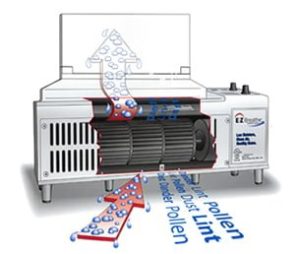
It’s a simple process – remove the filter, rinse it with warm water, let it dry fully, then replace it.
Secondly, inspect the water collection tank. You don’t want to let it overflow, so empty it as needed.
While you’re at it, give it a thorough clean to prevent mold and mildew from growing.
Next, pay attention to the coils. They can accumulate dirt and grime, affecting the dehumidifier’s performance.
A soft brush or vacuum with a brush attachment can be your best tool for this task.
Lastly, always confirm your dehumidifier is placed on a level surface.
This prevents unnecessary wear and tear on the unit’s internal components, helping it to function effectively.
Alternatives to Basement Dehumidifiers
While taking good care of your basement dehumidifier is important, it’s not the only solution to control excess humidity in your basement.
You mightn’t realize it, but there are several other effective ways to reduce dampness and maintain a healthy humidity level.
Let’s explore some alternatives to basement dehumidifiers:
- Improving Ventilation: By simply opening windows and using fans, you can encourage air circulation and naturally lower humidity levels.
But remember, this works best on dry, cool days.
- Installing Exhaust Fans: These are particularly effective in areas prone to moisture like bathrooms and kitchens.
They help by expelling damp air outside your home.
- Using Moisture Absorbers: These are great for small, enclosed spaces.
They contain substances like calcium chloride which absorb excess moisture from the air.
- Sealing Leaks: Check for signs of leaks or seepage in your basement.
Sealing these can prevent unwanted moisture buildup.
- Landscaping: Proper landscaping around your home can direct rainwater away from your foundation, reducing the chances of it seeping into your basement.
Frequently Asked Questions
What Is the Average Lifespan of a Basement Dehumidifier?
On average, your basement dehumidifier should last between 3 and 5 years. However, with regular maintenance and proper use, it’s possible to extend its lifespan. It’s essential to replace it once it’s no longer efficient.
Are There Energy-Efficient Dehumidifiers Available on the Market?
Yes, there are energy-efficient dehumidifiers on the market. They’re designed to consume less energy, saving you money. Look for those with an Energy Star rating, they’re certified to use less power while still being effective.
Can a Dehumidifier Help to Prevent Mold Growth in the Basement?
Absolutely, a dehumidifier can help prevent mold growth in your basement. It reduces moisture levels, inhibiting mold spores from thriving. Keep it running regularly, especially in damp seasons, to maintain a healthy, mold-free environment.
Does a Basement Dehumidifier Require Professional Installation?
No, you don’t need a professional to install a basement dehumidifier. It’s pretty straightforward. Just plug it in, set the desired humidity level, and empty the water tank regularly. Always follow the manufacturer’s instructions.
Is It Safe to Run a Dehumidifier in the Basement Continuously?
Yes, it’s safe to run a dehumidifier in your basement continuously. However, make sure it’s set at the right humidity level, around 30-50%, to avoid over-drying. Regular maintenance and checkups are also key for safe operation.
Don’t ignore the signs of high humidity in your basement. Remember, an estimated 60% of homes in the U.S. have wet basements, and this could be you. Investing in a dehumidifier not only safeguards your health but also protects your home’s structure. Keep tabs on your basement’s humidity levels, maintain your dehumidifier, and enjoy the benefits of a fresh, dry living space. After all, your home’s health is vital and worth the effort.
Contact the Professionals at EZ Breathe Ventilation System Today! 866-822-7328