

Balancing energy efficiency with effective ventilation is a crucial consideration when designing and implementing basement ventilation systems. While proper ventilation is essential for maintaining indoor air quality and preventing moisture-related issues, it can also impact energy consumption and heating/cooling costs. In this article, we’ll explore the relationship between energy efficiency and basement ventilation and discuss strategies for finding the right balance.
Basement ventilation systems, particularly mechanical ventilation systems such as exhaust fans and dehumidifiers, consume energy to operate. The energy usage of these systems can vary depending on factors such as system efficiency, airflow rates, and runtime. While ventilation is necessary for maintaining a healthy indoor environment, excessive energy consumption can negate the benefits of ventilation and lead to higher utility bills.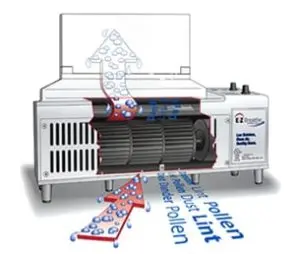
Here are some key considerations for optimizing energy efficiency in basement ventilation:
- System Selection: Choose ventilation systems that are energy-efficient and appropriate for the size and layout of your basement. High-efficiency exhaust fans, dehumidifiers, and heat recovery ventilators (HRVs) can help minimize energy consumption while effectively managing indoor air quality and moisture levels.
- Control Strategies: Implement control strategies to optimize the operation of ventilation systems and minimize energy waste. Use programmable timers, occupancy sensors, or humidity sensors to regulate ventilation based on occupancy and moisture levels, ensuring that the system operates only when necessary.
- Ventilation Design: Design ventilation systems to maximize airflow and minimize energy loss. Proper ductwork design, efficient fan placement, and sealed duct connections can improve ventilation performance while reducing energy consumption.
- Insulation and Air Sealing: Insulate basement walls and floors to prevent heat loss and minimize energy requirements for heating and cooling. Air sealing measures such as sealing gaps around windows, doors, and vents can further enhance energy efficiency by reducing air leakage.

- Integration with HVAC Systems: Integrate basement ventilation systems with existing HVAC systems to optimize energy usage and minimize overall energy consumption. Coordinate ventilation operation with heating and cooling cycles to leverage existing infrastructure and avoid unnecessary energy expenditure.
While prioritizing energy efficiency is important, it’s crucial not to compromise on indoor air quality and moisture control. Poor ventilation can lead to a host of health and safety issues, including mold growth, indoor air pollutants, and discomfort for occupants. By implementing energy-efficient ventilation strategies and adopting smart control measures, homeowners can strike the right balance between energy savings and indoor environmental quality in their basements.
In conclusion, basement ventilation plays a vital role in maintaining a healthy, comfortable indoor environment while managing energy consumption and operating costs. By selecting energy-efficient ventilation systems, optimizing control strategies, and integrating ventilation with overall home energy management, homeowners can achieve optimal performance and efficiency in their basement ventilation systems.
Contact the Professionals at EZ BreatheToday! 866-822-7328