
Musty Smells | New York, NY | EZ Breathe Ventilation System

Understanding the Importance of Basement Ventilation

The Fundamentals of Basement Ventilation Systems

Basements are often overlooked spaces within our homes, yet they play a crucial role in maintaining structural integrity and indoor air quality. Proper ventilation in basements is essential for a variety of reasons, including moisture control, prevention of mold and mildew, and ensuring adequate airflow for health and safety. In this article, we’ll delve into the fundamentals of basement ventilation systems, exploring different types, their components, and why they are essential for every basement.

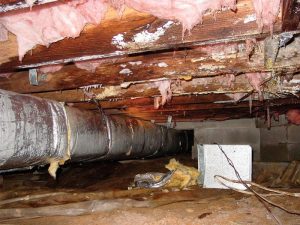
To begin with, let’s understand the primary challenges associated with basements. Due to their below-ground nature, basements are prone to high humidity levels and moisture infiltration. This moisture can seep through walls and floors, leading to dampness and mold growth if not adequately addressed. Additionally, basements often lack natural ventilation, making them susceptible to poor air quality and stagnant air.basement-ventilation-systems-methods-ez-breathe-1

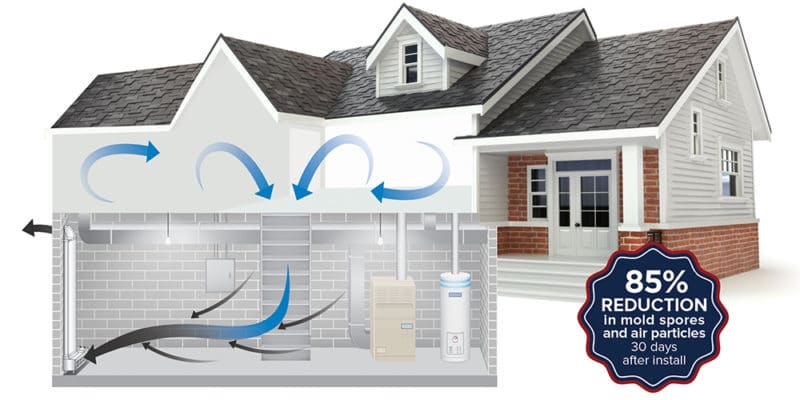
Basement ventilation systems are designed to address these challenges by providing controlled airflow and moisture management. There are several types of ventilation systems commonly used in basements:

  • Natural Ventilation: This involves utilizing windows, doors, and vents to allow fresh air to enter and stale air to exit the basement. While effective in some cases, natural ventilation may not be sufficient to adequately control moisture and air quality, especially in tightly sealed basements.
  • Mechanical Ventilation: Mechanical ventilation systems, such as exhaust fans and dehumidifiers, actively remove stale air and moisture from the basement while bringing in fresh air from the outside. These systems are typically more effective at maintaining optimal air quality and reducing humidity levels.
  • Heat Recovery Ventilation (HRV) Systems: HRV systems are designed to provide fresh air while recovering heat from the outgoing stale air. This helps improve energy efficiency by reducing heating and cooling costs while ensuring proper ventilation.

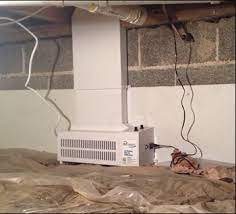
Basement ventilation systems consist of various components, including fans, ductwork, vents, and controls. Exhaust fans are typically installed to remove stale air, while intake vents allow fresh air to enter the basement. Ductwork is used to distribute air throughout the space, and controls such as timers or humidity sensors regulate the operation of the system.basement-ventilation-systems-methods-ez-breathe-2

The importance of basement ventilation cannot be overstated. Basements can become breeding grounds for mold, mildew, and other indoor air pollutants without proper ventilation, posing health risks to occupants. Moreover, excess moisture can lead to structural damage and decay, compromising the integrity of the building.

In conclusion, basement ventilation systems are essential for maintaining a healthy and comfortable indoor environment. By implementing the right ventilation strategy, homeowners can effectively manage moisture levels, prevent mold growth, and improve overall air quality in their basements.

Contact the Professionals at EZ BreatheToday!  866-822-7328

crawlspace-waterproofing-ez-breathe-ventilation-system-1

Exploring Common Crawlspace Waterproofing Techniques: Effective Solutions for a Dry and Healthy Home Environment

Crawlspaces are often overlooked areas in homes, yet they play a crucial role in maintaining the structural integrity and indoor air quality of a residence. However, crawlspaces are highly susceptible to moisture intrusion, which can lead to mold growth, wood rot, and other issues if left untreated. Crawlspace waterproofing is essential for preventing these problems and ensuring a dry, healthy environment. In this article, we’ll explore common crawlspace waterproofing techniques, their benefits, and considerations for homeowners.

1. Vapor Barrier Installationcommon waterproofing techniques-ez-breathe-1

One of the most effective crawlspace waterproofing techniques is the installation of a vapor barrier. A vapor barrier is a thick, durable plastic sheet that is laid over the crawlspace floor and sometimes up the walls. This barrier prevents moisture from seeping into the crawlspace from the ground below. It also helps to reduce humidity levels, which can prevent mold growth and wood rot.

2. Crawlspace Encapsulation

Crawlspace encapsulation is a comprehensive waterproofing technique that involves sealing off the entire crawlspace from the outside environment. This typically includes installing a thick vapor barrier on the floor and walls, as well as sealing off any vents or openings. Additionally, a dehumidifier may be installed to maintain optimal humidity levels. Encapsulation creates a controlled environment within the crawlspace, preventing moisture intrusion and protecting the home’s foundation.

3. Drainage Systems

In areas where groundwater is a concern, installing a drainage system can help prevent water from accumulating in the crawlspace. This may include installing French drains around the perimeter of the crawlspace or a sump pump to remove excess water. By directing water away from the crawlspace, drainage systems can help prevent moisture-related issues such as mold and wood rot.

4. Foundation Ventilation

Proper ventilation is essential for reducing humidity levels and promoting airflow within the crawlspace. This can be achieved by installing foundation vents or fans to allow air to circulate freely. Ventilation helps prevent condensation and mold growth, creating a healthier environment for occupants.

5. Sealing and Insulation

Sealing off cracks, gaps, and openings in the crawlspace walls and floors is another important step in waterproofing. This helps prevent water from seeping into the crawlspace and reduces air leakage, which can contribute to humidity issues. Insulating the crawlspace walls and rim joists can also help regulate temperature and further reduce moisture buildup.

Benefits of Crawlspace Waterproofing

Investing in crawlspace waterproofing offers numerous benefits for homeowners, including:

  • Prevention of Moisture-Related Issues: By keeping the crawlspace dry, waterproofing helps prevent mold growth, wood rot, and other moisture-related problems.
  • Improved Indoor Air Quality: Waterproofing reduces humidity levels and prevents the buildup of indoor pollutants, creating a healthier living environment for occupants.
  • Protection of Structural Integrity: By preventing moisture damage, waterproofing helps protect the home’s foundation, support beams, and other structural elements.
  • Energy Efficiency: Proper crawlspace waterproofing can lead to energy savings by reducing the need for heating and cooling and preventing air leakage.

Considerations for Homeowners

Before undertaking a crawlspace waterproofing project, homeowners should consider the following factors:

  • Extent of Moisture Issues: It’s essential to assess the severity of moisture issues in the crawlspace and identify the underlying causes before choosing a waterproofing technique.common waterproofing techniques-ez-breathe-2
  • Budget: Waterproofing costs can vary depending on the chosen method and the size of the crawlspace. Homeowners should establish a realistic budget and prioritize necessary repairs.
  • Professional Assistance: While some crawlspace waterproofing tasks can be done DIY, more complex techniques may require professional expertise. Homeowners should consult with waterproofing experts to determine the most effective solution for their needs.
  • Maintenance Requirements: Proper maintenance is essential to ensure the effectiveness of crawlspace waterproofing systems. Homeowners should follow manufacturer recommendations and schedule periodic inspections to identify and address any issues promptly.

Crawlspace waterproofing is a critical investment for homeowners looking to protect their property from moisture damage and create a dry, healthy environment. By implementing common waterproofing techniques such as vapor barrier installation, encapsulation, drainage systems, foundation ventilation, and sealing and insulation, homeowners can effectively prevent moisture-related issues and maintain the structural integrity of their homes. Whether through DIY efforts or professional assistance, investing in crawlspace waterproofing is essential for ensuring the long-term health and safety of the home and its occupants.

Contact the Professionals at EZ Breathe Today! 866-822-7328

basement-ventilation-ez-breathe-3

The Importance of Basement Ventilation

Basement ventilation is a crucial aspect of maintaining a healthy and comfortable home environment. Basements are prone to high humidity levels, poor air circulation, and potential mold growth due to their below-grade location and limited access to natural light and fresh air. Proper ventilation helps mitigate these issues by promoting airflow, reducing moisture buildup, and improving indoor air quality. In this article, we’ll explore the importance of basement ventilation and its impact on overall home comfort and health.

1. Methods of Basement Ventilation

There are several methods of basement ventilation, each with its advantages and considerations. These methods include:

Natural Ventilation: Utilizing windows, vents, or doors allows fresh air to enter the basement and stale air to exit. This method relies on natural airflow and can be enhanced with strategically placed vents or fans to improve circulation.basement-ventilation-ez-breathe-1

Mechanical Ventilation: Installing mechanical ventilation systems such as exhaust fans, supply fans, or heat recovery ventilators (HRVs) to actively remove stale air and introduce fresh air into the basement. Mechanical ventilation systems are particularly effective in areas with limited natural airflow or high humidity levels.

Dehumidification: Using dehumidifiers to remove excess moisture from the air and maintain optimal humidity levels in the basement. Dehumidifiers can help prevent mold growth, reduce musty odors, and improve indoor air quality.

Sealing and Insulation: Sealing off cracks, gaps, and openings in the basement walls and floors to prevent moisture infiltration and air leakage. Insulating the basement walls and rim joists can also help regulate temperature and reduce energy costs.

2. Benefits of Basement Ventilation

Proper basement ventilation offers numerous benefits for homeowners, including:

Reduced Moisture Buildup: Ventilation helps remove excess moisture from the air, reducing the risk of condensation, mold growth, and structural damage.

Improved Indoor Air Quality: Ventilation promotes airflow and circulation, removing stale air and indoor pollutants while introducing fresh, outdoor air into the basement. This helps create a healthier living environment for occupants.

Prevention of Musty Odors: Ventilation helps eliminate musty odors caused by stagnant air, mold, or mildew, creating a more pleasant and comfortable basement space.

Enhanced Comfort: Proper ventilation helps regulate temperature and humidity levels in the basement, creating a more comfortable and livable environment for occupants.

3. Considerations for Basement Ventilation

When planning basement ventilation systems, homeowners should consider the following factors:

Size and Layout of the Basement: The size and layout of the basement will influence the choice of ventilation methods and equipment. Larger basements may require multiple vents or fans to ensure adequate airflow, while smaller basements may benefit from compact ventilation systems.

Humidity Levels: Basements with high humidity levels may require more robust ventilation systems, such as dehumidifiers or HRVs, to control moisture and prevent mold growth.basement-ventilation-ez-breathe-2

Energy Efficiency: When selecting ventilation equipment, homeowners should consider energy-efficient options to minimize operating costs and reduce environmental impact.

Maintenance Requirements: Proper maintenance is essential to ensure the effectiveness of basement ventilation systems. Homeowners should regularly clean and inspect vents, fans, and filters to keep the system running smoothly and prevent issues such as clogs or malfunctions.

In conclusion, basement ventilation is a critical aspect of maintaining a healthy, comfortable, and livable home environment. By implementing proper ventilation methods and equipment, homeowners can reduce moisture buildup, improve indoor air quality, and enhance overall home comfort. Whether through natural ventilation, mechanical ventilation, dehumidification, or sealing and insulation, investing in basement ventilation is essential for creating a safe and enjoyable living space for occupants.

Contact the Professionals at EZ Breathe Today! 866-822-7328

mold-removal-ez-breathe-3

4 Signs of Mold and Tips for Selecting a Mold Removal Company

4 Signs of Mold and Tips for Selecting a Mold Removal Company

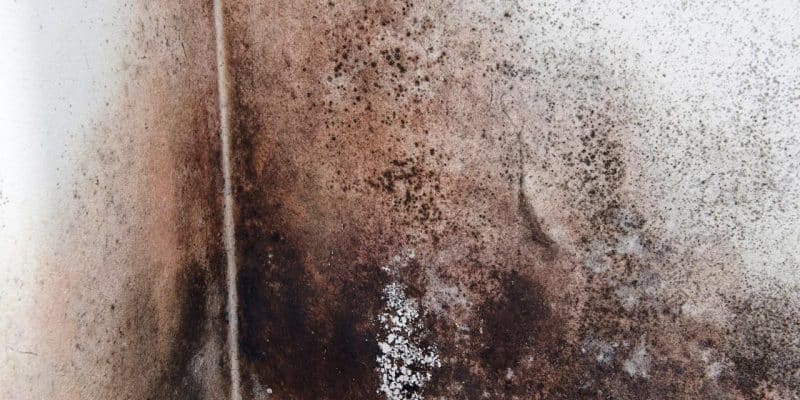
It is easy to know that your home has mold if you see patches or blemishes of the fungus. In most cases, you will find mold hidden in places that are damp and dark. If you see mold, you know straight away that you should call a mold removal contractor.

But there are also cases when mold is hidden, and all you can perceive are signs that the fungus is present in your home. It is important to be on the lookout for these signs because, by the time you can see actual patches of mold, the fungus usually has spread to various parts of your home.mold-removal-ez-breathe-1

Here are some tips about signs of mold infestation and how to select a good mold removal company.

  1. Water Damage

Signs that there is water damage in your home include wet basements, damp foundation walls, bowing foundation walls, plumbing leaks, and sagging floors and ceilings. If you see any of these signs, you can be almost certain that you will find mold in different places including under sinks, around places with leaks, and on ceilings, carpets, and drywalls. To be sure, you need to get help from a mold removal company.

  1. High Humidity and Dampness

Seepage of water into places such as crawlspaces and basements will cause the growth of mold. Such places are also likely to have damp air because of the high humidity. Rooms that are not well ventilated also have high humidity and are likely to have mold.

  1. Smelly Rooms, Basements or Crawlspaces

Mold usually causes musty odors as its spores produce MVOCs (microbial volatile organic compounds).  Therefore, if you have rooms and basements or crawlspaces that are smelly with not clear reason, you could be facing a mold infestation problem. A mold removal company will help you by inspecting your home to determine if there is mold.mold-removal-ez-breathe-2

  1. Health Problems

The musty odors produced by mold are associated with numerous health problems such as sneezing, skin irritation, coughing, tightness of the chest, wheezing, itchy eyes, and runny nose. If you start experiencing these signs when you enter your basement or any other indoor space, you should have it inspected for mold so that if detected, the mold can be removed.

Tips for Selecting a Good Mold Removal Company

Effective removal of mold depends on the method that is used. When choosing a mold removal contractor, you should inquire whether the company:

  • Does mold inspection
  • Applies mold containment measures during mold removal
  • Has equipment for air cleaning and HEPA vacuuming
  • Conducts post-mold removal assessment.

Contact the Professionals at Everdry Waterproofing of Indianapolis Today! (317) 648-5726