indoor-air-quality-ez-breathe-ventilation-system-1

EZ Breathe Ventilation: A Sustainable Solution for Indoor Air Quality

As awareness of indoor air quality and environmental health grows, homeowners are increasingly looking for sustainable solutions. The EZ Breathe ventilation system meets this demand by improving air quality in a way that minimizes energy usage and environmental impact. This article explores the sustainable benefits of EZ Breathe and why it’s a great choice for eco-conscious homeowners.

The Link Between Ventilation and Sustainability
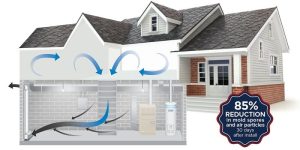
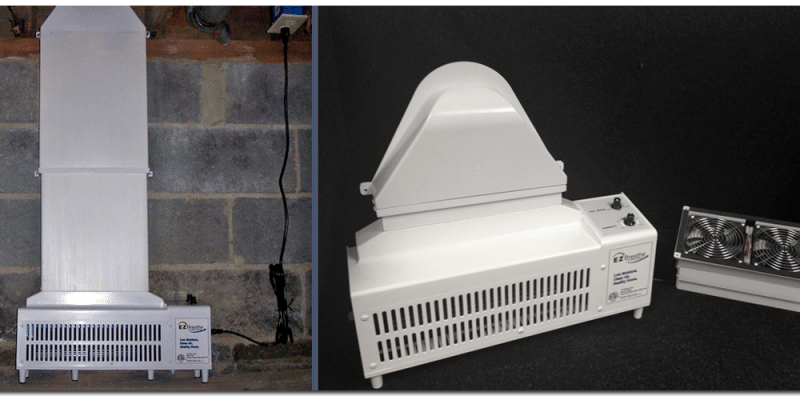
crawlspace-waterproofing-ez-breathe-ventilation-system-2Most ventilation and air quality solutions, such as dehumidifiers and air purifiers, rely heavily on electricity and frequent maintenance, which can contribute to higher energy consumption and environmental impact. EZ Breathe offers a low-energy solution that not only enhances indoor air quality but also supports sustainability goals by conserving energy.

Sustainable Benefits of the EZ Breathe System

  1. Energy Conservation
    EZ Breathe operates with low power consumption, helping homeowners maintain optimal air quality without high electricity usage. Traditional dehumidifiers must run constantly to keep humidity in check, which uses significantly more energy. EZ Breathe, in contrast, operates efficiently to maintain air quality across the home.
  2. Reduced Need for Chemical Cleaners
    Many homeowners use chemical sprays to eliminate mold and mildew. By preventing moisture buildup, EZ Breathe helps reduce or even eliminate the need for such products, minimizing chemical exposure in the home and decreasing environmental impact.
  3. Extended HVAC Life
    Excess humidity can cause HVAC systems to work harder, which shortens their lifespan. EZ Breathe reduces indoor moisture, making it easier for heating and cooling systems to perform effectively. This extends the life of HVAC units, reducing waste associated with repairs and replacements.
  4. Improved Health, Reduced Healthcare Impact
    By improving air quality and reducing allergens, EZ Breathe can help prevent health issues such as respiratory infections and allergies, which in turn can reduce medical expenses and healthcare strain.

How EZ Breathe Enhances Eco-Friendly Homes

For eco-conscious homeowners, EZ Breathe supports a green lifestyle by promoting sustainable indoor air quality. Its energy efficiency and minimal maintenance requirements align with the values of those seeking to reduce their environmental impact.
indoor-air-quality-ez-breathe-ventilation-system-2

How EZ Breathe Ventilation Transforms Indoor Spaces for Health and Comfort

Indoor air quality has become a top concern for homeowners, as poor air quality can affect both health and overall comfort in the home. One of the most effective ways to improve indoor air is through a reliable ventilation system, and EZ Breathe has become a standout solution. This article delves into the transformative impact of EZ Breathe ventilation systems, showing how they can convert indoor spaces into healthier, more comfortable environments.

The Problem of Poor Indoor Air Quality

Many homes struggle with indoor air quality issues due to pollutants like dust, mold spores, and volatile organic compounds (VOCs) as well as excess moisture, particularly in basements and crawlspaces. Without proper ventilation, these pollutants accumulate and pose health risks, especially for people with respiratory conditions like asthma or allergies. The EZ Breathe system provides a solution to this problem by ensuring continuous air exchange and moisture control.

How EZ Breathe Transforms Indoor Air Quality

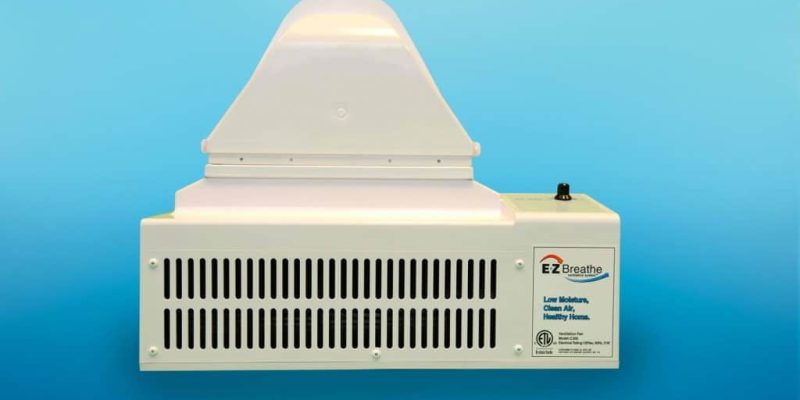
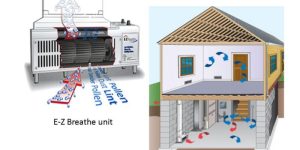
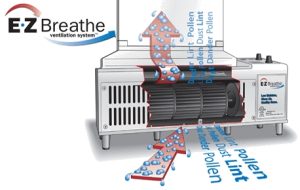
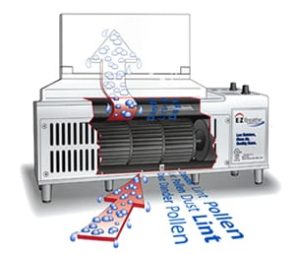
EZ Breathe is more than a simple dehumidifier or air purifier. By ventilating the entire home, it actively removes stale, humid air and replaces it with fresh outdoor air, resulting in multiple benefits for the home’s environment.

  1. indoor-air-quality-ez-breathe-ventilation-system-1Continuous Air Exchange: The system creates a steady flow of fresh air into the home, expelling indoor air pollutants that cause odors and trigger health issues.
  2. Moisture Control: By managing indoor humidity levels, EZ Breathe keeps moisture at bay, preventing the growth of mold and mildew and enhancing comfort.
  3. Odor Removal: Homes with crawlspaces or basements often suffer from damp, musty odors. EZ Breathe expels the air that causes these odors, creating a fresher living space.
  4. Adaptable to Various Home Setups: The system is effective in basements, crawlspaces, and any moisture-prone areas, making it a versatile solution for different home layouts.

Key Benefits of EZ Breathe for a Healthier Home

  1. basement-waterproofing-methods-ez-breathe-ventilation-system-2Protection from Mold and Allergens
    Mold spores and allergens flourish in areas with high humidity and stagnant air. EZ Breathe’s moisture control capabilities make it a powerful defense against mold, which can damage your home and harm your health. The reduced allergens create a healthier living environment for all household members.
  2. Energy Efficiency and Cost Savings
    Traditional dehumidifiers consume a lot of energy, which can add up over time. EZ Breathe, however, operates with low energy consumption, reducing utility bills. Additionally, it helps HVAC systems perform more efficiently by preventing excess moisture, which can make heating and cooling less effective.
  3. Improved Sleep Quality and Comfort
    Good air quality directly impacts sleep quality. With fresh air circulating continuously, residents may find their sleep improved, as the clean air reduces irritation from allergens and eliminates odors that can disrupt sleep.

Installation and Maintenance: A Hassle-Free Solution

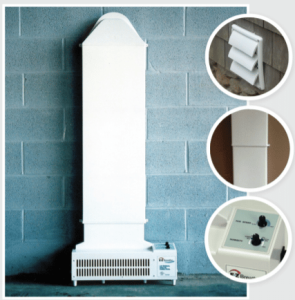
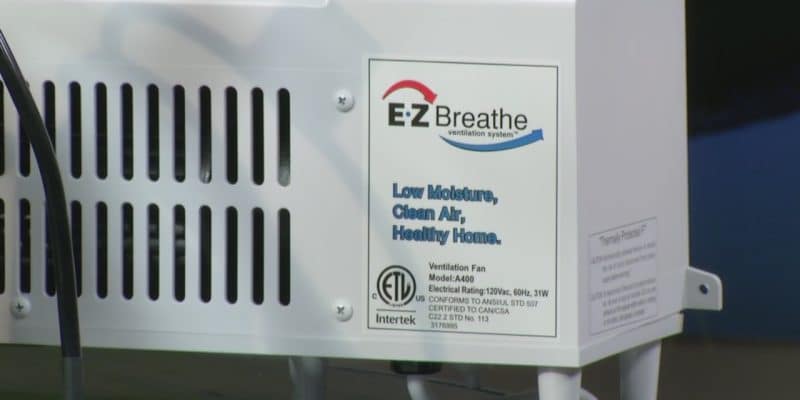
One of EZ Breathe’s strengths is its straightforward installation and minimal maintenance. It doesn’t require filters, tanks, or complex upkeep, and it’s designed to run quietly, so it doesn’t disrupt daily life.

ez-breathe-ventilation-system-ez-breathe-3

Enhancing Home Health and Safety with the EZ Breathe Ventilation System

The health and safety of a home are paramount for ensuring a comfortable and secure living environment. Poor indoor air quality (IAQ) and excess moisture can lead to various health problems and structural issues. The EZ Breathe Ventilation System is designed to enhance home health and safety by improving IAQ and controlling moisture levels. This article delves into the importance of the EZ Breathe Ventilation System in promoting a healthier and safer home environment.

The Importance of Indoor Air Quality

Indoor air quality plays a significant role in the overall health and well-being of a home’s occupants. Poor IAQ can result from various sources, including indoor pollutants, inadequate ventilation, and high humidity levels.

  1. Health Risks of Poor IAQ:ez-breathe-ventilation-system-ez-breathe-1
  • Respiratory Issues: Pollutants such as dust, mold spores, and VOCs can exacerbate asthma and other respiratory conditions.
  • Allergies: Indoor allergens can trigger allergic reactions, including sneezing, coughing, and skin irritation.
  • Chronic Illnesses: Long-term exposure to indoor pollutants can lead to serious health problems, including COPD and even cancer.
  1. Factors Affecting IAQ:
  • Indoor Pollutants: Common indoor pollutants include dust, mold spores, VOCs, radon, and carbon monoxide.
  • Ventilation: Inadequate ventilation can lead to the accumulation of indoor pollutants and increased humidity levels.
  • Humidity: High humidity levels can promote mold growth and other moisture-related issues.

How the EZ Breathe Ventilation System Enhances IAQ and Home Safety

The EZ Breathe Ventilation System is designed to address the primary factors that contribute to poor IAQ and moisture-related problems. By providing effective ventilation and moisture control, the system helps create a healthier and safer home environment.

  1. Improved Ventilation:
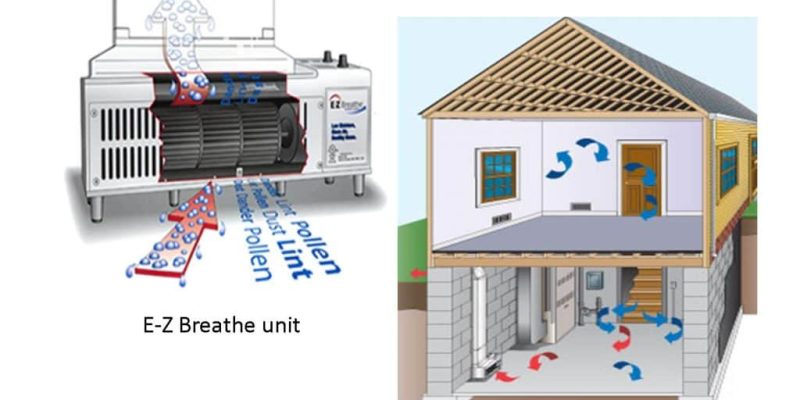
  • Continuous Air Exchange: The system continuously exchanges indoor air with fresh outdoor air, reducing the concentration of indoor pollutants.
  • Enhanced Airflow: Improved airflow helps distribute fresh air throughout the home, preventing the buildup of pollutants.
  1. Moisture Control:
  • Humidity Regulation: The EZ Breathe System helps maintain optimal humidity levels, preventing conditions that promote mold growth.
  • Mold Prevention: By controlling moisture, the system reduces the risk of mold and mildew, which can negatively impact IAQ and home safety.

Key Benefits of the EZ Breathe Ventilation System

  1. Health and Wellness:
  • Reduced Respiratory Problems: Improved IAQ can help reduce respiratory issues and improve overall lung health.
  • Allergy Relief: By reducing indoor allergens, the system can alleviate symptoms for allergy sufferers.
  • Enhanced Comfort: Improved air quality leads to a more comfortable living environment, free from stale air and unpleasant odors.
  1. Structural Protection:
  • Prevention of Moisture Damage: Effective moisture control helps protect the home’s structure from moisture-related damage, such as wood rot and mold growth.
  • Preservation of Building Materials: By preventing mold growth, the system helps preserve drywall, insulation, and other building materials.
  1. Environmental Benefits:
  • Energy Efficiency: The EZ Breathe System is energy efficient, using minimal power to provide continuous ventilation. This helps reduce overall energy consumption.
  • Sustainable Living: By improving IAQ and reducing the need for additional air purification devices, the system contributes to a more sustainable living environment.
  1. Safety Benefits:
  • Reduced Radon Levels: The system helps reduce radon levels by improving ventilation, enhancing home safety.
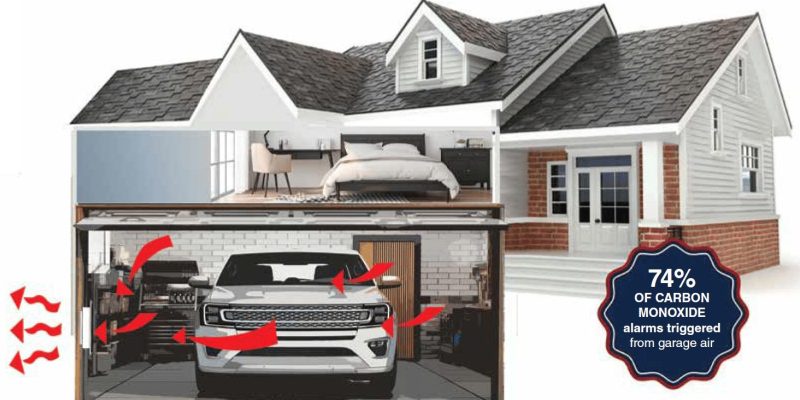
  • Carbon Monoxide Reduction: Improved ventilation can help reduce the concentration of carbon monoxide, further enhancing home safety.

Installation and Maintenance

The EZ Breathe Ventilation System is designed for easy installation and minimal maintenance, making it an ideal choice for homeowners looking to improve IAQ and home safety.

  1. Easy Installation:
  • Professional Installation: While the system is easy to install, professional installation ensures optimal performance and longevity.
  • Versatility: The EZ Breathe System can be installed in various areas of the home, including basements, crawlspaces, and living areas.
  1. Low Maintenance:
  • Minimal Upkeep: The system requires minimal maintenance, with no filters to change or replace.
  • Long-Term Reliability: Built with durable components, the EZ Breathe System is designed for long-term reliability and performance.

Best Practices for Maintaining Home Health and Safety

In addition to installing the EZ Breathe Ventilation System, homeowners can take several steps to further enhance home health and safety.

  1. Regular Inspections:
  • Check for Leaks: Regularly inspect the home for leaks in the roof, walls, and plumbing. Promptly repair any leaks to prevent moisture buildup.
  • Monitor Humidity Levels: Use a hygrometer to monitor indoor humidity levels and ensure they remain between 30% and 50%.
  1. Proper Ventilation:
  • Vent Appliances: Ensure that appliances such as dryers, stoves, and bathrooms are properly vented to the outside.
  • Use Exhaust Fans: Use exhaust fans in kitchens and bathrooms to remove moisture and improve ventilation.
  1. Clean and Dry:
  • Dry Wet Areas: Promptly dry any wet areas in the home, such as spills, leaks, or areas exposed to condensation.
  • Clean Regularly: Regularly clean areas prone to moisture, such as bathrooms and kitchens, to prevent mold growth.
  1. Use Mold-Resistant Products:
  • Mold-Resistant Materials: Use mold-resistant drywall, insulation, and paint in areas prone to moisture.
  • Sealants: Apply mold-resistant sealants to surfaces in bathrooms, kitchens, and basements.

Enhancing Home Value

Investing in an EZ Breathe Ventilation System can enhance the value of a home by improving its overall health and livability.

  1. Market Appeal:ez-breathe-ventilation-system-ez-breathe-2
  • Desirable Feature: Homes equipped with advanced ventilation systems are more appealing to buyers, particularly those concerned with IAQ and health.
  • Increased Resale Value: Improved IAQ and energy efficiency can contribute to a higher resale value, making the home more competitive in the real estate market.
  1. Long-Term Investment:
  • Health Benefits: The health benefits provided by the system can lead to reduced medical expenses and improved quality of life.
  • Cost Savings: The energy efficiency of the EZ Breathe System can result in long-term savings on utility bills, offsetting the initial investment.

The EZ Breathe Ventilation System offers a comprehensive solution for enhancing home health and safety by improving indoor air quality and controlling moisture levels. Its ability to regulate humidity and provide continuous ventilation makes it an effective tool for maintaining a healthy and safe home environment. Easy installation and low maintenance make the system a practical choice for homeowners committed to improving IAQ and ensuring home safety. By investing in the EZ Breathe Ventilation System and following best practices for maintaining home health and safety, homeowners can protect their health, preserve their property, and enjoy a safer, cleaner living space.

Contact the Professionals at EZ Breathe Today! 866-822-7328

indoor-air-quality-ez-breathe-3

The Benefits of Positive Airflow in Homes: Enhancing Indoor Air Quality and Comfort

The quality of indoor air is a crucial factor affecting the health, comfort, and well-being of residents. Positive airflow in a home, a system designed to create a slight positive pressure by pushing air into the building, plays a significant role in improving indoor air environments. This article will explore what positive airflow is, how it benefits a home, and the methods for achieving optimal airflow to enhance indoor air quality and overall comfort.

What is Positive Airflow?

Positive airflow refers to the condition where the air pressure inside a building is slightly higher than the air pressure outside. This is achieved by strategically introducing fresh air into the home, which helps push out stale and potentially contaminated air through leaks and other openings. The concept is commonly used in clean room environments and healthcare settings but is increasingly being applied in residential areas to improve indoor air quality and comfort.

Benefits of Positive Airflow in Homes

1. Improved Air Qualityindoor-air-quality-ez-breathe-1

One of the primary benefits of positive airflow is the significant improvement in indoor air quality it offers. By continuously introducing fresh air into the home, positive airflow systems reduce the concentration of indoor pollutants such as VOCs (Volatile Organic Compounds), allergens, dust, and mold spores. This is particularly beneficial for individuals with allergies, asthma, or other respiratory issues.

2. Moisture Control

Excessive moisture is a common problem in many homes, leading to mold growth and the deterioration of building materials. Positive airflow helps to control humidity levels by pushing moist air outside and reducing condensation on walls and windows. This not only protects the structural integrity of the home but also prevents the growth of mold and mildew, which can have health implications.

3. Reduction of Infiltration of Pollutants

In homes with negative pressure, outdoor pollutants such as smoke, dust, and pollen can be drawn inside more easily. Positive pressure systems reverse this flow, pushing indoor air outward. This helps to keep out environmental pollutants and improves the overall air quality inside the home.

4. Enhanced Comfort

Maintaining a steady supply of fresh air can significantly enhance comfort within a home. Positive airflow systems help eliminate odors, reduce the buildup of stale air, and maintain a fresh and pleasant living environment. This is especially noticeable in homes without adequate natural ventilation.

5. Energy Efficiency

When implemented correctly, positive airflow systems can contribute to energy efficiency. By stabilizing indoor environments, these systems can reduce the workload on heating, ventilation, and air conditioning (HVAC) systems, potentially lowering energy consumption and utility bills.

How to Achieve Positive Airflow in Your Home

1. Mechanical Ventilation

The most effective way to establish positive airflow is through mechanical ventilation. This involves using fans and duct systems to continuously bring fresh air into the home. Heat recovery ventilators (HRVs) and energy recovery ventilators (ERVs) are particularly effective as they can introduce fresh air while recovering energy from the outgoing air, thus maintaining energy efficiency.

2. Air Sealing and Insulation

To maintain positive pressure, it is crucial to manage the air leakage from the home. Sealing cracks, gaps, and other openings can help control the air exchange and enhance the effectiveness of a positive airflow system. Proper insulation also plays a role in maintaining the desired indoor temperature and pressure.

3. Controlled Ventilation Outlets

In addition to introducing fresh air, controlling where it exits is also important. Strategically placing exhaust fans and vents in areas like bathrooms and kitchens can help manage moisture and odors more effectively, enhancing the overall impact of the positive airflow system.

4. Regular Maintenanceindoor-air-quality-ez-breathe-2

Like any other system, maintaining positive airflow requires regular checks and maintenance. This includes cleaning or replacing filters, inspecting fans and ductwork for blockages, and ensuring that vents are not obstructed.

Positive airflow is a powerful concept in residential ventilation that offers numerous benefits, from improved air quality and moisture control to enhanced indoor comfort and energy efficiency. By understanding and implementing strategies to maintain a slight positive pressure in their homes, homeowners can enjoy a healthier, more comfortable living environment.

Investing in proper ventilation systems and regular maintenance will ensure that the benefits of positive airflow are maximized. As awareness of indoor air quality and its impact on health continues to grow, positive airflow systems represent a proactive approach to ensuring a safer, more pleasant home environment.

Contact the Professionals at EZ Breathe Today! 866-822-7328

mitigating-toxic-chemicals-ez-breathe-3

Clearing the Air: Identifying and Mitigating Toxic Chemicals in Your Home

Your home is meant to be a sanctuary—a place of safety and comfort. However, lurking within the walls of your home may be invisible threats to your health and well-being in the form of toxic chemicals. From household cleaners to building materials, many common items emit volatile organic compounds (VOCs) and other harmful substances that can degrade indoor air quality and pose health risks. In this article, we’ll explore the sources and effects of toxic chemicals in the home, as well as practical strategies for reducing exposure and improving indoor air quality.

Understanding Toxic Chemicals in the Home:

Toxic chemicals in the home can originate from a variety of sources, including:

  • Household Cleaners: Many conventional household cleaners contain chemicals such as ammonia, chlorine, and phthalates, which can release VOCs and other hazardous substances into the air when used.
  • Paints and Finishes: Paints, varnishes, and wood finishes often contain volatile organic compounds (VOCs), which can off-gas into the air, especially during application and drying.mitigating-toxic-chemicals-ez-breathe-1
  • Building Materials: Some building materials, such as pressed wood products, carpets, and insulation, may contain formaldehyde, flame retardants, and other chemicals that can emit harmful fumes over time.
  • Furniture and Upholstery: Furniture, mattresses, and upholstery may be treated with flame retardants, stain-resistant coatings, and other chemicals that can release VOCs and other toxins into the air.
  • Air Fresheners and Fragrances: Synthetic fragrances found in air fresheners, candles, and personal care products can contain phthalates, which are known endocrine disruptors and respiratory irritants.
  • Pesticides and Herbicides: Indoor use of pesticides and herbicides can introduce harmful chemicals into the home environment, leading to indoor air pollution and potential health risks.

The Impact on Indoor Air Quality and Health:

Exposure to toxic chemicals in the home can have a range of adverse effects on indoor air quality and health:

  • Respiratory Irritation: VOCs and other airborne chemicals can irritate the respiratory system, leading to symptoms such as coughing, wheezing, shortness of breath, and throat irritation.
  • Allergies and Asthma: Indoor allergens and irritants, including VOCs, can trigger allergic reactions and exacerbate symptoms in individuals with asthma and other respiratory conditions.
  • Neurological Effects: Certain chemicals found in household products, such as formaldehyde and phthalates, have been linked to neurological effects, including headaches, dizziness, and cognitive impairment.
  • Cancer Risk: Long-term exposure to certain chemicals found in the home, such as formaldehyde and benzene, has been associated with an increased risk of cancer, including leukemia and lymphoma.
  • Endocrine Disruption: Phthalates, bisphenol A (BPA), and other endocrine-disrupting chemicals found in household products can interfere with hormone function and contribute to reproductive and developmental disorders.
  • Indoor Air Pollution: Toxic chemicals emitted from household products can contribute to indoor air pollution, leading to poor indoor air quality and potential health hazards for occupants.

Practical Strategies for Reducing Exposure:

Fortunately, there are steps you can take to minimize exposure to toxic chemicals in your home and improve indoor air quality:

Choose Safer Products:

    • Opt for environmentally friendly and non-toxic household cleaners, paints, and building materials labeled as low-VOC or VOC-free.
    • Look for products certified by third-party organizations, such as Green Seal or the Environmental Protection Agency’s Safer Choice program.

Ventilate Properly:

    • Use exhaust fans or open windows when using household cleaners, paints, and other products that emit VOCs or other fumes.
    • Increase ventilation in your home by using ceiling fans, opening windows, and using air purifiers with HEPA filters to remove airborne pollutants.

Reduce Indoor Air Pollution:

    • Minimize indoor air pollution by avoiding the use of air fresheners, candles, and other scented products containing synthetic fragrances.
    • Choose natural alternatives, such as essential oils or homemade air fresheners, to scent your home without introducing harmful chemicals.

Dust and Vacuum Regularly:

    • Dust and vacuum your home regularly to remove dust, pet dander, and other allergens that may harbor toxic chemicals and pollutants.
    • Use a vacuum cleaner with a HEPA filter to trap fine particles and prevent them from being recirculated into the air.

Limit Pesticide Use:

    • Practice integrated pest management (IPM) techniques to minimize the use of pesticides and herbicides indoors.
    • Use non-toxic alternatives, such as diatomaceous earth or botanical insecticides, to control pests without introducing harmful chemicals into your home.

Choose Low-Toxicity Furnishings:

    • Select furniture, mattresses, and upholstery made from natural materials or certified as low-VOC to minimize off-gassing of harmful chemicals.
    • Allow new furniture and upholstery to off-gas in a well-ventilated area before bringing them into your home.

Test Your Home for Radon:

    • Test your home for radon, a radioactive gas that can seep into homes through cracks in the foundation and pose a risk of lung cancer.
    • Consider installing a radon mitigation system if elevated levels of radon are detected in your home.

Toxic chemicals in the home pose significant risks to indoor air quality and human health, yet they often go unnoticed or underestimated by homeowners. By identifying common sources of indoor air pollution and implementing practical strategies to reduce exposure, homeowners can create a healthier and safer living environment for themselves and their families. Don’t let invisible threats compromise the air you breathe—take proactive steps to clear the air and improve indoor air quality in your home today.

Contact the Professionals at EZ Breathe Today! 866-822-7328

indoor-air-quality-ez-breathe-3

The Role of Basement Ventilation in Moisture Control

Moisture control is one of the primary objectives of basement ventilation systems. Excess moisture in basements can lead to a host of problems, including mold growth, structural damage, and poor indoor air quality. In this article, we’ll explore the role of basement ventilation in moisture control and discuss strategies for effectively managing moisture levels in basements.

Basements are inherently prone to moisture buildup due to their below-ground location and lack of natural ventilation. Factors such as groundwater seepage, condensation, and inadequate waterproofing can contribute to excess moisture in basements, creating an ideal environment for mold and mildew growth.basement-ventilation-methods-ez-breathe-1

Proper ventilation is essential for controlling moisture levels in basements by promoting airflow and removing excess humidity. Ventilation systems such as exhaust fans, dehumidifiers, and heat recovery ventilators (HRVs) help circulate air and maintain optimal humidity levels, preventing moisture buildup and mold proliferation.

Here are some key ways in which basement ventilation contributes to moisture control:

  • Air Circulation: Ventilation systems facilitate air movement within the basement, preventing stagnant air and allowing moisture to dissipate. Proper airflow helps distribute fresh air while expelling stale, humid air, reducing the likelihood of condensation and mold growth.
  • Humidity Regulation: Ventilation systems remove excess humidity from the air, helping to maintain balanced indoor humidity levels. By controlling humidity, ventilation systems prevent moisture condensation on surfaces and inhibit mold and mildew growth.
  • Moisture Removal: Mechanical ventilation systems such as exhaust fans and dehumidifiers actively remove moisture from the basement, preventing dampness and water damage. These systems extract humid air and expel it outside, effectively reducing moisture levels within the space.
  • Prevention of Structural Damage: By controlling moisture levels, basement ventilation systems help prevent structural damage caused by water infiltration and dampness. Excess moisture can weaken building materials, leading to rot, decay, and deterioration over time. Proper ventilation mitigates these risks by keeping the basement environment dry and moisture-free.

In addition to installing ventilation systems, homeowners can take proactive measures to manage moisture in their basements, such as:

  • Sealing Foundation Cracks: Seal any cracks or gaps in the basement walls and floors to prevent water intrusion and moisture infiltration.basement-ventilation-methods-ez-breathe-2
  • Improving Drainage: Ensure proper grading around the foundation and install effective drainage systems to divert water away from the basement.
  • Waterproofing: Apply waterproof coatings or membranes to basement walls and floors to create a barrier against moisture penetration.
  • Regular Maintenance: Regularly inspect and maintain ventilation systems, plumbing fixtures, and foundation components to identify and address potential moisture issues promptly.

By incorporating these strategies and investing in effective ventilation systems, homeowners can mitigate moisture problems in their basements and create a healthy, comfortable living environment for themselves and their families.

Contact the Professionals at EZ BreatheToday!  866-822-7328

basement-ventilation-methods-ez-breathe-3

Energy Efficiency and Basement Ventilation: Finding the Balance

Balancing energy efficiency with effective ventilation is a crucial consideration when designing and implementing basement ventilation systems. While proper ventilation is essential for maintaining indoor air quality and preventing moisture-related issues, it can also impact energy consumption and heating/cooling costs. In this article, we’ll explore the relationship between energy efficiency and basement ventilation and discuss strategies for finding the right balance.

Basement ventilation systems, particularly mechanical ventilation systems such as exhaust fans and dehumidifiers, consume energy to operate. The energy usage of these systems can vary depending on factors such as system efficiency, airflow rates, and runtime. While ventilation is necessary for maintaining a healthy indoor environment, excessive energy consumption can negate the benefits of ventilation and lead to higher utility bills.basement-ventilation-methods-ez-breathe-1

Here are some key considerations for optimizing energy efficiency in basement ventilation:

  • System Selection: Choose ventilation systems that are energy-efficient and appropriate for the size and layout of your basement. High-efficiency exhaust fans, dehumidifiers, and heat recovery ventilators (HRVs) can help minimize energy consumption while effectively managing indoor air quality and moisture levels.
  • Control Strategies: Implement control strategies to optimize the operation of ventilation systems and minimize energy waste. Use programmable timers, occupancy sensors, or humidity sensors to regulate ventilation based on occupancy and moisture levels, ensuring that the system operates only when necessary.
  • Ventilation Design: Design ventilation systems to maximize airflow and minimize energy loss. Proper ductwork design, efficient fan placement, and sealed duct connections can improve ventilation performance while reducing energy consumption.
  • Insulation and Air Sealing: Insulate basement walls and floors to prevent heat loss and minimize energy requirements for heating and cooling. Air sealing measures such as sealing gaps around windows, doors, and vents can further enhance energy efficiency by reducing air leakage.basement-ventilation-methods-ez-breathe-2
  • Integration with HVAC Systems: Integrate basement ventilation systems with existing HVAC systems to optimize energy usage and minimize overall energy consumption. Coordinate ventilation operation with heating and cooling cycles to leverage existing infrastructure and avoid unnecessary energy expenditure.

While prioritizing energy efficiency is important, it’s crucial not to compromise on indoor air quality and moisture control. Poor ventilation can lead to a host of health and safety issues, including mold growth, indoor air pollutants, and discomfort for occupants. By implementing energy-efficient ventilation strategies and adopting smart control measures, homeowners can strike the right balance between energy savings and indoor environmental quality in their basements.

In conclusion, basement ventilation plays a vital role in maintaining a healthy, comfortable indoor environment while managing energy consumption and operating costs. By selecting energy-efficient ventilation systems, optimizing control strategies, and integrating ventilation with overall home energy management, homeowners can achieve optimal performance and efficiency in their basement ventilation systems.

Contact the Professionals at EZ BreatheToday!  866-822-7328

the-importance-of-basement-ventilation-ez-breathe-ventilation-system-3

Common Issues and Solutions in Basement Ventilation

While basement ventilation is crucial for maintaining a healthy indoor environment, many homeowners encounter common issues that hinder effective ventilation. In this article, we’ll explore some of these issues and provide practical solutions to ensure optimal basement ventilation.

Poor Air Circulation:basement-ventilation-methods-ez-breathe-1

One of the most common issues in basements is poor air circulation, leading to stagnant air and pockets of trapped moisture. This can result from inadequate ventilation systems or obstructed airflow due to clutter or furniture blocking vents and ducts.

Solution: Ensure proper airflow by keeping vents and ducts clear of obstructions. Consider installing additional exhaust fans or dehumidifiers to improve air circulation in the basement.

High Humidity Levels:

Excess humidity is a prevalent issue in basements, especially in humid climates or poorly ventilated spaces. High humidity levels can lead to mold growth, musty odors, and discomfort for occupants.

Solution: Install a dehumidification system to control moisture levels in the basement. Regularly check and maintain the system to ensure optimal performance. Additionally, consider sealing any cracks or leaks in the basement walls to prevent moisture infiltration.

Inadequate Ventilation System:

Some basements may have outdated or insufficient ventilation systems, resulting in ineffective moisture control and air quality management.

Solution: Upgrade to a modern ventilation system that meets the specific needs of your basement. Consult with a professional HVAC technician to assess your ventilation requirements and recommend the appropriate system.

Condensation on Windows and Walls:

Condensation buildup on windows and walls is a common sign of poor ventilation and excess moisture in the basement. This can lead to water damage, mold growth, and deterioration of building materials over time.

Solution: Improve ventilation by increasing airflow and reducing humidity levels in the basement. Consider installing insulated windows or applying moisture-resistant coatings to walls to prevent condensation buildup.

Musty Odors:

Musty or unpleasant odors are often indicative of mold or mildew growth in the basement, resulting from poor ventilation and excess moisture.basement-ventilation-methods-ez-breathe-2

Solution: Address the root cause of the odor by improving ventilation and controlling moisture levels. Clean and disinfect affected areas to remove mold and mildew, and implement preventive measures to avoid future growth.

By addressing these common issues and implementing effective solutions, homeowners can ensure proper ventilation and maintain a healthy and comfortable basement environment for themselves and their families.

Contact the Professionals at EZ BreatheToday!  866-822-7328

basement-ventilation-ez-breathe-3

Enhancing Home Health and Comfort: The Importance of Basement Ventilation

Basements are versatile spaces in our homes, serving as storage areas, laundry rooms, or even additional living quarters. However, they are often susceptible to issues such as moisture buildup, poor air quality, and stale odors due to inadequate ventilation. In this comprehensive guide, we’ll explore the importance of basement ventilation, its impact on home health and comfort, and strategies to achieve optimal airflow in your basement.

The Significance of Basement Ventilation

Basement ventilation plays a crucial role in maintaining a healthy and comfortable indoor environment for several reasons:

Moisture Control: Basements are prone to moisture buildup from various sources such as groundwater seepage, condensation, or plumbing leaks. Proper ventilation helps mitigate moisture levels, reducing the risk of mold and mildew growth, wood rot, and structural damage.basement-ventilation-ez-breathe-1

Air Quality Improvement: Without adequate ventilation, basements can become stagnant environments where pollutants, allergens, and odors accumulate. Effective ventilation helps remove airborne contaminants, ensuring better indoor air quality and reducing the risk of respiratory issues and allergies.

Temperature Regulation: Basements often have lower temperatures than the rest of the house, especially in colder climates. Proper ventilation helps distribute heat evenly, improving overall comfort and energy efficiency.

Odor Elimination: Stale or musty odors are common in poorly ventilated basements due to trapped moisture and stagnant air. Ventilation systems help circulate fresh air, eliminating odors and creating a more pleasant living space.

Radon Mitigation: Radon, a naturally occurring radioactive gas, can seep into basements through the soil and pose serious health risks. Adequate ventilation, along with proper sealing and mitigation systems, helps reduce radon levels and protect occupants’ health.

Common Ventilation Issues in Basements

Several factors contribute to poor ventilation in basements:

Limited Natural Ventilation: Basements typically have few or no windows, limiting natural airflow and ventilation.

Insufficient Air Exchange: Without proper ventilation systems, air circulation in basements may be inadequate, leading to stagnant air and moisture buildup.

Sealed or Blocked Vents: Vents and air ducts in basements may become blocked or sealed off over time, hindering airflow and ventilation.

Humidity and Moisture: High humidity levels and moisture buildup in basements can worsen ventilation issues, promoting mold growth and indoor air pollution.

Strategies for Basement Ventilation

To address ventilation issues and improve air quality in your basement, consider implementing the following strategies:

Install Mechanical Ventilation Systems: Mechanical ventilation systems such as exhaust fans, ventilation fans, or air exchangers can effectively circulate air in basements, removing stale air and moisture.

Use Natural Ventilation: If possible, utilize windows, vents, or doors to facilitate natural airflow and ventilation in the basement. Consider installing window wells or vent covers to enhance ventilation while maintaining security.

basement-ventilation-ez-breathe-2

Utilize Dehumidifiers: Dehumidifiers help regulate humidity levels in basements, preventing moisture buildup and mold growth. Choose a dehumidifier with appropriate capacity and features for your basement size and moisture level.

Seal and Insulate: Properly seal and insulate basement walls, floors, and windows to minimize air leakage and moisture infiltration. This helps maintain a more consistent temperature and reduces the workload on ventilation systems.

Regular Maintenance: Routinely inspect and clean ventilation systems, air ducts, and filters to ensure optimal performance and airflow. Clear any obstructions or debris blocking vents or air ducts.

Consider HVAC Integration: Integrate basement ventilation with your home’s HVAC system to ensure consistent airflow and temperature regulation throughout the house. Consult with HVAC professionals to determine the best approach for your specific needs.

Basement ventilation is essential for maintaining a healthy, comfortable, and safe indoor environment in your home. By addressing ventilation issues and implementing effective strategies such as mechanical ventilation systems, natural ventilation, dehumidifiers, and proper sealing and insulation, you can improve air quality, reduce moisture buildup, and enhance overall comfort in your basement. Prioritizing basement ventilation not only protects your home’s structural integrity but also promotes the well-being and health of its occupants.

Contact the Professionals at EZ Breathe Today! 866-822-7328
 

indoor-air-quality-ez-breathe

The Silent Menace: How Poor Indoor Air Quality Impacts Your Health

In our fast-paced lives, the significance of environmental health often goes unnoticed, specifically the air we breathe indoors. However, poor indoor air quality can have profound effects on our health, as we spend the majority of our time within the confines of buildings. This article explores the various toxins present in indoor air and sheds light on the lasting health implications associated with them.

Understanding Indoor Air Quality

In the quest to improve indoor air quality (IAQ) and lead a healthier lifestyle, it is imperative to delve deeper into the intricate web of IAQ. Beyond the seemingly innocuous air we breathe within our homes, schools, and workplaces lies a complex mixture of pollutants that can significantly impact our well-being. Let’s unravel the mysteries surrounding indoor air quality by shedding light on the diverse culprits that compromise its purity.

1. Airborne Particles: The Unseen InvadersIndoor Air Quality | Macedonia, OH | EZ Breathe

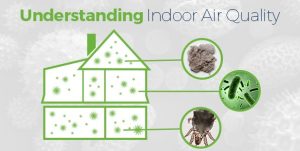
Microscopic particles suspended in the air constitute a significant threat to indoor and outdoor air quality. These particles, including dust mites, pet dander, pollen, and mold spores, can trigger allergies and respiratory issues. Understanding the sources of these airborne invaders is crucial in devising effective strategies to minimize their presence.

Common sources include poorly maintained HVAC systems, inadequate ventilation, and everyday activities like cooking and cleaning. Identifying and addressing these sources empowers individuals to take proactive steps in maintaining cleaner indoor air.

2. Ozone: Balancing Act in the Atmosphere

While ozone plays a vital role in protecting us from the sun’s harmful ultraviolet rays in the upper atmosphere, ground-level ozone can be detrimental to our health. Generated by various household appliances and even some air purifiers, excessive ozone levels can cause respiratory issues and exacerbate existing conditions like asthma.

Understanding the appliances and devices contributing to ozone emissions allows for informed decisions in selecting air purifiers and appliances that prioritize IAQ without compromising on safety.

3. Carbon Dioxide: The Silent Presence

While carbon dioxide is a natural component of the air we breathe, elevated levels can result from poor ventilation and combustion processes. High concentrations of carbon dioxide found in homes can cause drowsiness, headaches, and impaired cognitive function, making it imperative to monitor and regulate indoor levels. Effective ventilation systems, proper use of exhaust fans, and regular maintenance of combustion appliances are key strategies in managing carbon dioxide levels and ensuring a healthier indoor environment.

4. Formaldehyde: Hiding in Plain Sight

Present in many household products such as furniture, paints, and adhesives, formaldehyde is a volatile organic compound (VOC) that can off-gas and compromise indoor air quality. Prolonged exposure to formaldehyde may lead to respiratory issues and other health concerns.

Opting for low-VOC or VOC-free products, proper ventilation during and after renovation or construction, and investing in air purifiers equipped to capture VOCs are effective measures in reducing formaldehyde exposure.

5. Odors and Gases: The Unpleasant Intruders

Unpleasant odors and gases can emanate from a variety of sources, including cooking, cleaning products, and tobacco smoke. While not always harmful, these elements can contribute to discomfort and affect overall indoor and outdoor air quality.

Proactive measures such as proper ventilation, use of air purifiers with odor-eliminating capabilities, and adopting eco-friendly cleaning products contribute to a fresher indoor environment.

Understanding the intricate dynamics of indoor air quality is the cornerstone of creating a healthier living space. By recognizing and addressing the diverse culprits compromising indoor air quality problems and IAQ, individuals can make informed decisions to enhance the quality of the air they breathe, promoting overall well-being and a healthier lifestyle.

The Health Effects of Poor Indoor Air Quality

In our pursuit of a healthier lifestyle, it is paramount to comprehend the far-reaching health effects associated with poor indoor air quality (IAQ). The air we breathe within the confines of our homes can harbor a multitude of pollutants, and understanding the implications of exposure to these air contaminants is crucial for safeguarding our well-being. Let’s delve into the diverse health effects that can result from compromised IAQ, connecting the dots between the air we breathe and its impact on our health.

1. Weight Gain: The Unseen Link to Indoor Toxins

Surprisingly, poor indoor air quality has been linked to unexplained weight gain. The presence of toxins in the air can overload our bodies’ natural pathways, disrupting metabolic processes and leading to fluctuations in weight. Individuals experiencing persistent weight issues may find relief by addressing and other health problems and improving indoor air quality, thereby fostering a healthier living environment.

2. Asthma: Breathing Easier with Clean Air

The World Health Organization reports that up to 30 percent of respiratory diseases are attributed to exposure to poor indoor air. Asthma, a chronic respiratory condition, is particularly affected by indoor air pollutants. Inhalation, being the most common pathway for these pollutants, underscores the importance of maintaining clean indoor air to reduce the risk and severity of asthma attacks.

3. Depression: Clearing the Air for Mental Health

While depression is often associated with genetic predisposition and life events, studies have revealed a surprising correlation between long-term exposure to indoor toxins and depressive symptoms. The very air pollution we breathe may have a subtle yet significant impact on mental health, emphasizing the need for improved indoor air quality as a complementary strategy in addressing and managing depression.

4. Allergies: Battling Allergens for a Healthier Home

The prevalence of allergies in the United States has witnessed a significant uptick, with one of the contributing factors being higher levels of indoor toxins. Allergens present in indoor air can trigger a range of allergic reactions, including sneezing, headaches, skin rashes, swelling, fatigue, and runny noses. Effectively eliminating these allergens from fresh air is paramount for fostering a healthier home environment and mitigating the risk of developing allergies.

5. Humidity Levels: Striking the Right Balance

Maintaining optimal humidity levels is crucial for indoor air quality. Excessive moisture can lead to mold growth, while overly dry conditions can irritate respiratory passages. Exploring the significance of humidity control and implementing measures, such as dehumidifiers or humidifiers, can contribute to a more comfortable and healthier indoor air conditioning environment.

6. Radon Gas: A Stealthy Intruder

Radon, a colorless and odorless gas, can seep into buildings from the ground. Prolonged exposure to radon is a leading cause of lung cancer, making it essential to test for radon levels in homes. Understanding the sources and implementing radon mitigation strategies can help create a safer living space.

7. Volatile Organic Compounds (VOCs): The Offenders in Everyday Products

Everyday products, from cleaning supplies to furniture, release VOCs into the air. These compounds can contribute to respiratory issues and other health concerns. Exploring the common sources of VOCs and adopting practices to help reduce their impact, such as using eco-friendly products, enhances indoor air quality.

8. The Role of Houseplants: Nature’s Air Purifiers

Houseplants not only add aesthetic appeal but also serve as natural outdoor air pollution purifiers by absorbing pollutants. Exploring the types of plants that are effective in improving indoor air quality and integrating them into home decor can be a sustainable and visually pleasing approach to enhancing IAQ.

9. DIY IAQ Assessments: Empowering Homeowners

Empowering homeowners with the knowledge to conduct simple IAQ assessments can be instrumental in identifying and addressing potential issues. From assessing ventilation to checking for leaks, providing practical steps for a DIY IAQ check helps individuals take proactive measures toward a healthier living space.

10. Children and Indoor Air Quality: Nurturing Future Generations

Children are particularly vulnerable to the effects of poor indoor air quality. Exploring specific considerations of poor air quality for children, such as their respiratory health and susceptibility to allergies, emphasizes the importance of prioritizing IAQ in homes with young occupants. Implementing child-friendly IAQ practices ensures a safe and nurturing environment.

Hiring Professionals for a Healthier Indoor Environment

As we unravel the complexities of indoor air quality (IAQ), it becomes evident that achieving and maintaining a clean living space requires a comprehensive strategy. While proactive measures and lifestyle adjustments play a crucial role, sometimes it’s beneficial to enlist the expertise of professionals who specialize in creating healthier indoor environments.

  1. Professional IAQ Assessment: Initiating your journey to cleaner indoor air begins with a professional IAQ assessment. Trained professionals can conduct thorough evaluations of your living space, identifying specific pollutants, assessing ventilation systems, and detecting potential sources of contamination. This comprehensive analysis serves as the foundation for a targeted and effective action plan.
  2. Tailored IAQ Solutions: Professionals in the field of indoor air quality are equipped with knowledge about the latest technologies and solutions. They can recommend and implement tailored interventions based on the unique characteristics of your home or workplace. Whether it’s advanced air purification systems, specialized ventilation adjustments, or targeted pollutant removal strategies, professionals ensure that interventions are precisely aligned with identified IAQ challenges.
  3. Technology Integration: Incorporating cutting-edge technologies to enhance IAQ is a specialty of professionals in the field. From smart HVAC systems to advanced air purifiers, these experts can guide you in selecting and integrating technology that not only addresses current concerns but also provides ongoing monitoring and control for a sustained improvement in indoor air quality.
  4. Radon Testing and Mitigation: Professionals can conduct radon testing, an essential step in areas prone to elevated radon levels. If radon is detected, these experts can implement mitigation strategies to reduce its concentration, minimizing the risk of lung cancer associated with prolonged exposure to this colorless, odorless gas.
  5. Indoor Humidity Management: Controlling humidity levels is crucial for preventing mold growth and maintaining optimal indoor air quality. Professionals can assess your home’s humidity levels and recommend measures such as dehumidification systems to strike the right balance, ensuring a healthier living environment.
  6. Education and Guidance: Beyond immediate interventions, professionals in the IAQ industry offer valuable education and guidance. They can empower you with knowledge about ongoing maintenance, best practices for pollutant prevention, and how to make informed decisions that contribute to sustained indoor air quality improvements.
  7. Ongoing Monitoring and Support: Engaging professionals ensures a commitment to ongoing monitoring and support. Regular check-ins, follow-up assessments, and adjustments to the IAQ strategy as needed are integral parts of the service. This long-term partnership guarantees that your indoor environment remains consistently healthy.

A Comprehensive Approach to Clean Indoor Air

indoor air particles

In the quest for a healthier lifestyle, the significance of clean indoor air cannot be overstated. Our well-being is intricately tied to the quality of the air we breathe, especially considering the majority of our time is spent indoors. As we navigate the multifaceted landscape of indoor air quality (IAQ), adopting a comprehensive approach becomes paramount for achieving and maintaining a healthier living space.

Understanding the diverse pollutants and their potential health effects is the first step toward crafting a strategy for clean and acceptable indoor air quality. From microscopic airborne particles to invisible gases, each aspect demands attention and tailored solutions. The preceding sections have illuminated the various facets of IAQ, providing insights into sources, effects, and measures to mitigate potential risks.

Call-to-Action: For personalized guidance on improving indoor fresh outdoor air in quality, contact the Professionals at EZ Breathe Today! 866-822-7328.