airborne-chemicals-in-the-homes-ez-breathe-ventilation-system-3

Understanding Airborne Chemicals in the Home: Sources, Risks, and Mitigation Strategies

Airborne chemicals in the home, often referred to as volatile organic compounds (VOCs), can significantly impact indoor air quality and pose health risks to residents. These chemicals are released from a variety of household products and building materials, leading to a complex mix of pollutants that can affect respiratory health, contribute to allergies, and exacerbate chronic conditions such as asthma. In this article, we’ll explore the common sources of airborne chemicals in the home, the potential health risks associated with exposure, and practical strategies for reducing and mitigating these chemicals to create a healthier living environment.

What Are Airborne Chemicals?

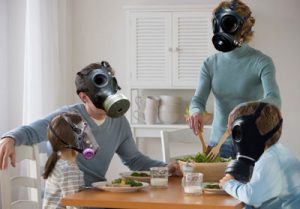
airborne-chemicals-in-the-homes-ez-breathe-ventilation-system-1Airborne chemicals encompass a wide range of substances that can become suspended in the air within a home. The most common types of airborne chemicals are VOCs, which are organic compounds that easily evaporate at room temperature. These compounds are emitted from a variety of sources, including household products, building materials, and even outdoor pollution that infiltrates indoor spaces.

VOCs can include:

  • Formaldehyde: Commonly found in pressed wood products, furniture, and some fabrics.
  • Benzene: Present in tobacco smoke, vehicle exhaust, and some paints and cleaning products.
  • Toluene: Found in paint thinners, adhesives, and nail polish.
  • Xylene: Used in paints, varnishes, and cleaning agents.
  • Acetone: A solvent found in nail polish remover and some household cleaners.

Common Sources of Airborne Chemicals in the Home

Airborne chemicals can originate from a variety of everyday items and activities within the home. Understanding these sources is the first step in reducing exposure and improving indoor air quality.

1. Household Cleaning Products

Many cleaning products, including disinfectants, air fresheners, and degreasers, contain VOCs that can be released into the air during use. Even after cleaning, residues left on surfaces can continue to emit VOCs over time.

  • Key Chemicals: Ammonia, bleach, phthalates, and formaldehyde.
  • Impact: Frequent use of these products can contribute to elevated levels of indoor air pollutants, which can irritate the eyes, nose, and throat, and lead to respiratory issues.
2. Building Materials and Furnishings

New construction and renovation projects can introduce a significant amount of VOCs into the home. Building materials such as paint, varnish, adhesives, and insulation often contain chemicals that off-gas for weeks or even months after application.

  • Key Chemicals: Formaldehyde, toluene, xylene, and ethylene glycol.
  • Impact: Off-gassing from new materials can cause headaches, dizziness, and nausea, especially in poorly ventilated areas.
3. Personal Care Products

Many personal care items, including perfumes, deodorants, hairsprays, and cosmetics, contain VOCs that can be inhaled during and after use.

  • Key Chemicals: Phthalates, ethanol, and formaldehyde-releasing preservatives.
  • Impact: These chemicals can contribute to indoor air pollution and may cause allergic reactions or exacerbate asthma symptoms in sensitive individuals.
4. Tobacco Smoke

Tobacco smoke is a well-known source of indoor air pollution, releasing a complex mixture of chemicals, including VOCs, into the air.

  • Key Chemicals: Benzene, formaldehyde, and acetaldehyde.
  • Impact: Secondhand smoke is a significant health hazard, particularly for children and non-smoking adults. It increases the risk of respiratory infections, asthma, and lung cancer.
5. Cooking and Combustion

Cooking, especially with gas stoves, can release VOCs and other airborne chemicals into the home. Combustion of fuel sources such as wood, coal, or natural gas in fireplaces or stoves also contributes to indoor air pollution.

  • Key Chemicals: Nitrogen dioxide, carbon monoxide, and formaldehyde.
  • Impact: Prolonged exposure to these pollutants can lead to respiratory problems, particularly in vulnerable populations such as children and the elderly.
6. Outdoor Pollution Infiltration

Outdoor pollutants, such as vehicle exhaust, industrial emissions, and pesticide sprays, can enter the home through windows, doors, and ventilation systems, contributing to indoor air pollution.

  • Key Chemicals: Benzene, toluene, and particulate matter.
  • Impact: These pollutants can exacerbate respiratory conditions and contribute to poor indoor air quality, especially in urban areas.

Health Risks Associated with Airborne Chemicals

The health risks associated with exposure to airborne chemicals can vary depending on the specific chemicals involved, the level of exposure, and the duration of exposure. Common health effects include:

1. Respiratory Issues

Exposure to airborne chemicals can irritate the respiratory system, leading to symptoms such as coughing, wheezing, and shortness of breath. Long-term exposure to certain VOCs, such as formaldehyde, can increase the risk of developing chronic respiratory conditions, including asthma and bronchitis.

2. Allergic Reactions

Some airborne chemicals can trigger allergic reactions, including skin rashes, eye irritation, and respiratory symptoms. Individuals with pre-existing allergies or asthma may be more susceptible to these effects.

3. Headaches and Dizziness

Inhaling high concentrations of VOCs can lead to acute symptoms such as headaches, dizziness, and nausea. These symptoms are often more pronounced in poorly ventilated spaces where chemical concentrations can build up.

4. Long-Term Health Effects

Prolonged exposure to certain airborne chemicals, such as benzene and formaldehyde, has been linked to more severe health outcomes, including an increased risk of cancer. Benzene, for example, is a known carcinogen, while formaldehyde exposure has been associated with nasopharyngeal cancer and leukemia.

5. Impact on Vulnerable Populations

Children, the elderly, and individuals with pre-existing health conditions are more vulnerable to the effects of airborne chemicals. For example, children’s developing respiratory systems make them more susceptible to the harmful effects of indoor pollutants, while elderly individuals may have compromised immune systems that make them less able to detoxify and eliminate harmful chemicals.

Strategies for Reducing Airborne Chemicals in the Home

While it’s impossible to eliminate all airborne chemicals from your home, there are several effective strategies you can implement to reduce their presence and minimize health risks.

1. Improve Ventilation

One of the most effective ways to reduce airborne chemicals in the home is to improve ventilation. This can be achieved by:

  • Using Exhaust Fans: Install and use exhaust fans in areas where chemicals are commonly released, such as kitchens, bathrooms, and laundry rooms.
  • Opening Windows: Regularly open windows and doors to allow fresh air to circulate and dilute indoor pollutants.
  • Using Air Purifiers: Consider using air purifiers equipped with activated carbon filters, which can capture VOCs and other pollutants from the air.
2. Choose Low-VOC Products

When purchasing household products, look for those labeled as low-VOC or no-VOC. This applies to paints, varnishes, cleaning products, and even furniture and carpeting.

  • Use Natural Cleaning Products: Opt for natural or homemade cleaning solutions that use ingredients like vinegar, baking soda, and essential oils, which are less likely to emit harmful chemicals.
  • Select Low-VOC Paints and Finishes: When painting or finishing wood, choose products that are labeled as low in VOCs to reduce off-gassing in your home.
3. Store Chemicals Properly

Improper storage of household chemicals can lead to the release of airborne chemicals even when they’re not in use.

  • Seal Containers Tightly: Ensure that all containers of cleaning products, paints, and solvents are tightly sealed when not in use.
  • Store Chemicals in Well-Ventilated Areas: Keep chemicals in a well-ventilated area, preferably outside the main living space, such as in a garage or shed.
4. Reduce Use of Air Fresheners and Scented Products

Air fresheners, candles, and other scented products can emit a significant amount of VOCs into the air. Consider reducing or eliminating their use in favor of natural alternatives.

  • Use Essential Oils Sparingly: If you enjoy adding fragrance to your home, use essential oils in a diffuser, but be mindful of the concentration and ventilation.
  • Eliminate Odors Naturally: Use natural odor absorbers like baking soda or activated charcoal instead of masking odors with air fresheners.
5. Avoid Smoking Indoors

To protect indoor air quality, avoid smoking indoors or allow smoking in a designated, well-ventilated area away from the living spaces.

  • Create a Smoke-Free Environment: Encourage a smoke-free home policy to reduce exposure to secondhand smoke and its associated health risks.
6. Regularly Maintain HVAC Systems

airborne-chemicals-in-the-homes-ez-breathe-ventilation-system-2Heating, ventilation, and air conditioning (HVAC) systems play a crucial role in maintaining indoor air quality. Regular maintenance can help ensure that your HVAC system is effectively filtering and circulating air.

  • Change Filters Regularly: Replace HVAC filters according to the manufacturer’s recommendations, typically every 1 to 3 months.
  • Consider Upgrading Filters: Use high-efficiency particulate air (HEPA) filters or filters designed to capture VOCs and other airborne chemicals.

Airborne chemicals in the home can significantly impact indoor air quality and pose various health risks, particularly for vulnerable populations. By understanding the common sources of these chemicals and implementing effective strategies for reducing their presence, you can create a healthier living environment for you and your family. Improving ventilation, choosing low-VOC products, and maintaining your home’s HVAC system are all crucial steps in mitigating the effects of airborne chemicals. By taking these proactive measures, you can enjoy cleaner, safer air in your home and protect your long-term

Contact the Professionals at EZ Breathe Ventilation System Today! 866-822-7328
mitigating-toxic-chemicals-ez-breathe-3

Clearing the Air: Identifying and Mitigating Toxic Chemicals in Your Home

Your home is meant to be a sanctuary—a place of safety and comfort. However, lurking within the walls of your home may be invisible threats to your health and well-being in the form of toxic chemicals. From household cleaners to building materials, many common items emit volatile organic compounds (VOCs) and other harmful substances that can degrade indoor air quality and pose health risks. In this article, we’ll explore the sources and effects of toxic chemicals in the home, as well as practical strategies for reducing exposure and improving indoor air quality.

Understanding Toxic Chemicals in the Home:

Toxic chemicals in the home can originate from a variety of sources, including:

  • Household Cleaners: Many conventional household cleaners contain chemicals such as ammonia, chlorine, and phthalates, which can release VOCs and other hazardous substances into the air when used.
  • Paints and Finishes: Paints, varnishes, and wood finishes often contain volatile organic compounds (VOCs), which can off-gas into the air, especially during application and drying.mitigating-toxic-chemicals-ez-breathe-1
  • Building Materials: Some building materials, such as pressed wood products, carpets, and insulation, may contain formaldehyde, flame retardants, and other chemicals that can emit harmful fumes over time.
  • Furniture and Upholstery: Furniture, mattresses, and upholstery may be treated with flame retardants, stain-resistant coatings, and other chemicals that can release VOCs and other toxins into the air.
  • Air Fresheners and Fragrances: Synthetic fragrances found in air fresheners, candles, and personal care products can contain phthalates, which are known endocrine disruptors and respiratory irritants.
  • Pesticides and Herbicides: Indoor use of pesticides and herbicides can introduce harmful chemicals into the home environment, leading to indoor air pollution and potential health risks.

The Impact on Indoor Air Quality and Health:

Exposure to toxic chemicals in the home can have a range of adverse effects on indoor air quality and health:

  • Respiratory Irritation: VOCs and other airborne chemicals can irritate the respiratory system, leading to symptoms such as coughing, wheezing, shortness of breath, and throat irritation.
  • Allergies and Asthma: Indoor allergens and irritants, including VOCs, can trigger allergic reactions and exacerbate symptoms in individuals with asthma and other respiratory conditions.
  • Neurological Effects: Certain chemicals found in household products, such as formaldehyde and phthalates, have been linked to neurological effects, including headaches, dizziness, and cognitive impairment.
  • Cancer Risk: Long-term exposure to certain chemicals found in the home, such as formaldehyde and benzene, has been associated with an increased risk of cancer, including leukemia and lymphoma.
  • Endocrine Disruption: Phthalates, bisphenol A (BPA), and other endocrine-disrupting chemicals found in household products can interfere with hormone function and contribute to reproductive and developmental disorders.
  • Indoor Air Pollution: Toxic chemicals emitted from household products can contribute to indoor air pollution, leading to poor indoor air quality and potential health hazards for occupants.

Practical Strategies for Reducing Exposure:

Fortunately, there are steps you can take to minimize exposure to toxic chemicals in your home and improve indoor air quality:

Choose Safer Products:

    • Opt for environmentally friendly and non-toxic household cleaners, paints, and building materials labeled as low-VOC or VOC-free.
    • Look for products certified by third-party organizations, such as Green Seal or the Environmental Protection Agency’s Safer Choice program.

Ventilate Properly:

    • Use exhaust fans or open windows when using household cleaners, paints, and other products that emit VOCs or other fumes.
    • Increase ventilation in your home by using ceiling fans, opening windows, and using air purifiers with HEPA filters to remove airborne pollutants.

Reduce Indoor Air Pollution:

    • Minimize indoor air pollution by avoiding the use of air fresheners, candles, and other scented products containing synthetic fragrances.
    • Choose natural alternatives, such as essential oils or homemade air fresheners, to scent your home without introducing harmful chemicals.

Dust and Vacuum Regularly:

    • Dust and vacuum your home regularly to remove dust, pet dander, and other allergens that may harbor toxic chemicals and pollutants.
    • Use a vacuum cleaner with a HEPA filter to trap fine particles and prevent them from being recirculated into the air.

Limit Pesticide Use:

    • Practice integrated pest management (IPM) techniques to minimize the use of pesticides and herbicides indoors.
    • Use non-toxic alternatives, such as diatomaceous earth or botanical insecticides, to control pests without introducing harmful chemicals into your home.

Choose Low-Toxicity Furnishings:

    • Select furniture, mattresses, and upholstery made from natural materials or certified as low-VOC to minimize off-gassing of harmful chemicals.
    • Allow new furniture and upholstery to off-gas in a well-ventilated area before bringing them into your home.

Test Your Home for Radon:

    • Test your home for radon, a radioactive gas that can seep into homes through cracks in the foundation and pose a risk of lung cancer.
    • Consider installing a radon mitigation system if elevated levels of radon are detected in your home.

Toxic chemicals in the home pose significant risks to indoor air quality and human health, yet they often go unnoticed or underestimated by homeowners. By identifying common sources of indoor air pollution and implementing practical strategies to reduce exposure, homeowners can create a healthier and safer living environment for themselves and their families. Don’t let invisible threats compromise the air you breathe—take proactive steps to clear the air and improve indoor air quality in your home today.

Contact the Professionals at EZ Breathe Today! 866-822-7328

indoor-air-quality-ez-breathe-3

The Role of Basement Ventilation in Moisture Control

Moisture control is one of the primary objectives of basement ventilation systems. Excess moisture in basements can lead to a host of problems, including mold growth, structural damage, and poor indoor air quality. In this article, we’ll explore the role of basement ventilation in moisture control and discuss strategies for effectively managing moisture levels in basements.

Basements are inherently prone to moisture buildup due to their below-ground location and lack of natural ventilation. Factors such as groundwater seepage, condensation, and inadequate waterproofing can contribute to excess moisture in basements, creating an ideal environment for mold and mildew growth.basement-ventilation-methods-ez-breathe-1

Proper ventilation is essential for controlling moisture levels in basements by promoting airflow and removing excess humidity. Ventilation systems such as exhaust fans, dehumidifiers, and heat recovery ventilators (HRVs) help circulate air and maintain optimal humidity levels, preventing moisture buildup and mold proliferation.

Here are some key ways in which basement ventilation contributes to moisture control:

  • Air Circulation: Ventilation systems facilitate air movement within the basement, preventing stagnant air and allowing moisture to dissipate. Proper airflow helps distribute fresh air while expelling stale, humid air, reducing the likelihood of condensation and mold growth.
  • Humidity Regulation: Ventilation systems remove excess humidity from the air, helping to maintain balanced indoor humidity levels. By controlling humidity, ventilation systems prevent moisture condensation on surfaces and inhibit mold and mildew growth.
  • Moisture Removal: Mechanical ventilation systems such as exhaust fans and dehumidifiers actively remove moisture from the basement, preventing dampness and water damage. These systems extract humid air and expel it outside, effectively reducing moisture levels within the space.
  • Prevention of Structural Damage: By controlling moisture levels, basement ventilation systems help prevent structural damage caused by water infiltration and dampness. Excess moisture can weaken building materials, leading to rot, decay, and deterioration over time. Proper ventilation mitigates these risks by keeping the basement environment dry and moisture-free.

In addition to installing ventilation systems, homeowners can take proactive measures to manage moisture in their basements, such as:

  • Sealing Foundation Cracks: Seal any cracks or gaps in the basement walls and floors to prevent water intrusion and moisture infiltration.basement-ventilation-methods-ez-breathe-2
  • Improving Drainage: Ensure proper grading around the foundation and install effective drainage systems to divert water away from the basement.
  • Waterproofing: Apply waterproof coatings or membranes to basement walls and floors to create a barrier against moisture penetration.
  • Regular Maintenance: Regularly inspect and maintain ventilation systems, plumbing fixtures, and foundation components to identify and address potential moisture issues promptly.

By incorporating these strategies and investing in effective ventilation systems, homeowners can mitigate moisture problems in their basements and create a healthy, comfortable living environment for themselves and their families.

Contact the Professionals at EZ BreatheToday!  866-822-7328

basement-ventilation-ez-breathe-3

Enhancing Home Health and Comfort: The Importance of Basement Ventilation

Basements are versatile spaces in our homes, serving as storage areas, laundry rooms, or even additional living quarters. However, they are often susceptible to issues such as moisture buildup, poor air quality, and stale odors due to inadequate ventilation. In this comprehensive guide, we’ll explore the importance of basement ventilation, its impact on home health and comfort, and strategies to achieve optimal airflow in your basement.

The Significance of Basement Ventilation

Basement ventilation plays a crucial role in maintaining a healthy and comfortable indoor environment for several reasons:

Moisture Control: Basements are prone to moisture buildup from various sources such as groundwater seepage, condensation, or plumbing leaks. Proper ventilation helps mitigate moisture levels, reducing the risk of mold and mildew growth, wood rot, and structural damage.basement-ventilation-ez-breathe-1

Air Quality Improvement: Without adequate ventilation, basements can become stagnant environments where pollutants, allergens, and odors accumulate. Effective ventilation helps remove airborne contaminants, ensuring better indoor air quality and reducing the risk of respiratory issues and allergies.

Temperature Regulation: Basements often have lower temperatures than the rest of the house, especially in colder climates. Proper ventilation helps distribute heat evenly, improving overall comfort and energy efficiency.

Odor Elimination: Stale or musty odors are common in poorly ventilated basements due to trapped moisture and stagnant air. Ventilation systems help circulate fresh air, eliminating odors and creating a more pleasant living space.

Radon Mitigation: Radon, a naturally occurring radioactive gas, can seep into basements through the soil and pose serious health risks. Adequate ventilation, along with proper sealing and mitigation systems, helps reduce radon levels and protect occupants’ health.

Common Ventilation Issues in Basements

Several factors contribute to poor ventilation in basements:

Limited Natural Ventilation: Basements typically have few or no windows, limiting natural airflow and ventilation.

Insufficient Air Exchange: Without proper ventilation systems, air circulation in basements may be inadequate, leading to stagnant air and moisture buildup.

Sealed or Blocked Vents: Vents and air ducts in basements may become blocked or sealed off over time, hindering airflow and ventilation.

Humidity and Moisture: High humidity levels and moisture buildup in basements can worsen ventilation issues, promoting mold growth and indoor air pollution.

Strategies for Basement Ventilation

To address ventilation issues and improve air quality in your basement, consider implementing the following strategies:

Install Mechanical Ventilation Systems: Mechanical ventilation systems such as exhaust fans, ventilation fans, or air exchangers can effectively circulate air in basements, removing stale air and moisture.

Use Natural Ventilation: If possible, utilize windows, vents, or doors to facilitate natural airflow and ventilation in the basement. Consider installing window wells or vent covers to enhance ventilation while maintaining security.

basement-ventilation-ez-breathe-2

Utilize Dehumidifiers: Dehumidifiers help regulate humidity levels in basements, preventing moisture buildup and mold growth. Choose a dehumidifier with appropriate capacity and features for your basement size and moisture level.

Seal and Insulate: Properly seal and insulate basement walls, floors, and windows to minimize air leakage and moisture infiltration. This helps maintain a more consistent temperature and reduces the workload on ventilation systems.

Regular Maintenance: Routinely inspect and clean ventilation systems, air ducts, and filters to ensure optimal performance and airflow. Clear any obstructions or debris blocking vents or air ducts.

Consider HVAC Integration: Integrate basement ventilation with your home’s HVAC system to ensure consistent airflow and temperature regulation throughout the house. Consult with HVAC professionals to determine the best approach for your specific needs.

Basement ventilation is essential for maintaining a healthy, comfortable, and safe indoor environment in your home. By addressing ventilation issues and implementing effective strategies such as mechanical ventilation systems, natural ventilation, dehumidifiers, and proper sealing and insulation, you can improve air quality, reduce moisture buildup, and enhance overall comfort in your basement. Prioritizing basement ventilation not only protects your home’s structural integrity but also promotes the well-being and health of its occupants.

Contact the Professionals at EZ Breathe Today! 866-822-7328
 

common-basement-waterproofing-techniques-ez-breathe-3

Exploring Common Basement Waterproofing Techniques: Strategies for a Dry and Secure Home

Basements are essential components of many homes, providing valuable space for storage, utilities, and recreational activities. However, they are also susceptible to water infiltration, which can lead to a range of problems such as mold growth, structural damage, and compromised indoor air quality. Basement waterproofing is essential for protecting the structural integrity of the home and creating a dry, comfortable living environment. In this article, we’ll explore common basement waterproofing techniques, their benefits, and considerations for homeowners.

1. Exterior Waterproofingcommon-basement-waterproofing-techniques-ez-breathe-1

Exterior waterproofing is one of the most effective methods for preventing water intrusion into the basement. This technique involves applying waterproof coatings or membranes to the exterior surface of the foundation walls to create a barrier against water infiltration. Additionally, exterior drainage systems such as French drains or footing drains can be installed to redirect groundwater away from the foundation. Exterior waterproofing is typically done during the construction phase or as part of a renovation project and requires excavation around the perimeter of the foundation.

2. Interior Waterproofing

Interior waterproofing focuses on managing moisture that has already infiltrated the basement. This technique may include installing interior drainage systems, such as drain tiles or sump pumps, to collect and remove water from the basement. Interior sealants and coatings can also be applied to basement walls and floors to prevent moisture penetration. While interior waterproofing does not address the underlying causes of water intrusion, it can help mitigate the effects and prevent damage to the interior of the basement.

3. Crack Injection

Foundation cracks are common entry points for water infiltration into the basement. Crack injection is a technique used to repair these cracks and prevent further water intrusion. Specialized materials such as epoxy or polyurethane resins are injected into the cracks to fill and seal them. This helps prevent water from seeping into the basement and causing damage to the foundation walls. Crack injection is typically done by trained professionals and can be an effective solution for addressing localized water intrusion issues.

4. Interior Drainage Systems

Interior drainage systems are designed to collect and remove water from the basement to prevent flooding and water damage. These systems typically consist of drain tiles or perforated pipes installed along the perimeter of the basement floor. The collected water is then directed to a sump pump pit, where it is pumped out of the basement and away from the foundation. Interior drainage systems are particularly effective in areas with high water tables or frequent rainfall and can help keep the basement dry and free of moisture.

5. Sump Pump Installation

Sump pumps are essential components of basement waterproofing systems, especially in areas prone to flooding or high groundwater levels. A sump pump is installed in a pit excavated in the basement floor, and its primary function is to remove excess water from the basement and discharge it to a designated drainage area. Sump pumps are typically equipped with a float switch that activates the pump when the water level rises above a certain point. Regular maintenance is essential to ensure the proper functioning of sump pumps and prevent water damage in the basement.

Benefits of Basement Waterproofing

Investing in basement waterproofing offers numerous benefits for homeowners, including:

  • Protection Against Water Damage: By preventing water infiltration, waterproofing helps protect the structural integrity of the home and reduces the risk of costly water damage repairs.
  • Improved Indoor Air Quality: Waterproofing helps maintain a dry, healthy basement environment by reducing the risk of mold, mildew, and musty odors caused by excess moisture.
  • Increased Living Space: A dry basement can be utilized as additional living space, such as a recreation room, home office, or guest bedroom, increasing the overall square footage and value of the home.
  • Energy Efficiency: Waterproofing can also contribute to energy savings by reducing moisture-related heat loss in the winter and heat gain in the summer, resulting in lower heating and cooling costs.

Considerations for Homeowners

Before undertaking a basement waterproofing project, homeowners should consider the following factors:

  • Extent of Water Damage: It’s essential to assess the severity of water damage in the basement and identify the underlying causes before choosing a waterproofing technique.
  • Budget: Waterproofing costs can vary depending on the chosen method and the size of the basement. Homeowners should establish a realistic budget and prioritize necessary repairs.common-basement-waterproofing-techniques-ez-breathe-2
  • DIY vs. Professional Installation: While some basement waterproofing tasks can be done DIY, more complex techniques such as exterior waterproofing or crack injection may require professional expertise. Homeowners should weigh the pros and cons of DIY vs. professional installation based on their skill level and the scope of the project.
  • Building Codes and Permits: Depending on the jurisdiction, certain basement waterproofing projects may require permits or compliance with building codes. Homeowners should check local regulations and obtain necessary permits before starting work.
  • Maintenance Requirements: Proper maintenance is essential to ensure the effectiveness of basement waterproofing systems. Homeowners should follow manufacturer recommendations and schedule periodic inspections to identify and address any issues promptly.

Basement waterproofing is a critical investment for homeowners looking to protect their property from water damage and create a dry, comfortable living environment. By implementing common waterproofing techniques such as exterior waterproofing, interior waterproofing, crack injection, interior drainage systems, and sump pump installation, homeowners can effectively prevent water intrusion into the basement and maintain the structural integrity of their homes. Whether through DIY efforts or professional assistance, investing in basement waterproofing is essential for ensuring the long-term health and safety of the home and its occupants.

Contact the Professionals at EZ Breathe Today! 866-822-7328

Indoor Air Quality | Macedonia, OH | EZ Breathe

Easy Ways to Improve Indoor Air Quality

Easy Ways To Improve Indoor Air Quality

The average American spends 90 percent of their time indoors. That means that you spend most of your time breathing indoor air. According to a study by the Environment Protection Agency (US EPA), indoor air quality for the average home is much worse than outdoor air quality. The EP reports that the levels of pollutants in homes are 2 to 5 times higher than that in outdoor air. Some pollutants recorded high levels of 100 times more indoors than outdoors. Indoor Air Quality | Macedonia, OH | EZ Breathe

While spending more time outdoors is a great idea for our overall health, it doesn’t solve the problem of high levels of pollutants in our homes. The good news is that you can improve your indoor air quality with the following easy steps.

  1. Keep your home ventilated

One of the easiest ways to reduce the levels of pollutants in the air within your home is to open your windows and doors. This will allow air to circulate into and out of your home. Good exchange of air will promote healthy air indoors.

  1. Smoke outdoors

If you or a member of your household likes to indulge in cigarette smoking every once in a while, restrict the activity to the outdoors. Cigarette smoking is not only bad for your health as a smoker but also for the other members of your household. Second hand smoke has been attributed as the cause of up to 3000 deaths a year as a result of developing lung cancer.Indoor Air Quality | Macedonia, OH | EZ Breathe

Dust mites and mold love moisture. Mold spores and dust mites are known to cause allergies or increase allergy episodes. Keeping humidity levels low will help to reduce the levels of mold and dust mites in your home. Consider investing in a dehumidifier for those parts of your home that are especially humid such as the basement or crawlspace.

  1. Bring in plants

Plants offer an easy and inexpensive way to purify your air. These natural air purifiers take in stale indoor air that is full of chemicals and release fresh oxygen rich air into your home. Placing a large number of plants in your home will help to ensure your indoor air is cleaner. Be sure to look for plants that are known for air purification such as spider plants, Aloe Vera and mother in-laws tongue.

Are you looking for ways to improve indoor air quality? Try the tips above to get started right away.

Contact the Professionals at EZ Breathe today! 866-822-7328

Indoor Air Quality | Nashville, TN | EZ Breathe Ventilation System

Main Factors That Influence Indoor Air Quality

Main Factors That Influence Indoor Air Quality

Everyone knows that pollution is a bad thing, but often the term pollution is used in reference to big cities and the outdoor environment. However, there is an equally important concern: indoor air pollution.

Indoor Air Quality | Nashville, TN | EZ Breathe Ventilation System

Indoor air quality and pollution

According to the CDC, research over the last few years has established that indoor air can be more seriously contaminated compared to the outdoor air even in the biggest cities. Also, as noted by the CDC, because people spend nearly 90% of their time indoors, the health risk of exposure to air pollution while indoors may exceed the risks associated with outdoor pollution.

Along the same line, the World Health Organization has estimated that about 4.3 million people globally die every year as a result of indoor air pollution. It for this reason that John Bower, the founder of Healthy House Institute, argued that walking into a building today can sometimes be likened to putting your head into a plastic bag that is full poisonous fumes.

How basements contribute to poor indoor air quality

In the United States, basement are one of the major causes of indoor pollution. This is because many basements are often damp and dirty. High moisture in basements causes the growth of mold. As the mold grows, it pollutes the air through the release of volatile organic compounds (VOCs).

VOCs and mold spores are associated with health issues such as allergies and respiratory problems. The musty odors that are associated with mold are also uncomfortable. Also, a high level of humidity in basements makes it possible for air to carry many other types of harmful pollutants.

The connection between basements and your home’s indoor air quality is due to the fact that about 50% of the air you breathe on the first floor circulates through the basement. Therefore, if the air in the basement is polluted due to mold and other harmful compounds, there is a high chance that your indoor air quality will be poor.

Indoor Air Quality | Nashville, TN | EZ Breathe Ventilation System

Basement waterproofing as a solution to indoor air pollution

Basement waterproofing involves addressing the issues that make basements wet to prevent the growth of mold and eliminate the basement’s clamminess. The process helps improve indoor air quality in the following ways:

  • Keeping the basement dry – Basement waterproofing techniques such as sealing foundation wall cracks and improving the drainage around a basement help keep away water and moisture. This keeps the basement dry and prevents dampness and other harmful effects of high humidity on indoor air.
  • Preventing the growth of mold – Mold thrives in wet or humid conditions. Therefore, if you keep your basement dry through waterproofing, you make the space unconducive for mold to grow.

Contact the Professionals at EZ Breathe Ventilation System Today! 866-822-7328

Indoor Air Quality | Cleveland, OH | EZ Breathe Ventilation System

Indoor Air Quality: 4 Benefits of a Good Ventilation System

Indoor Air Quality: 4 Benefits of a Good Ventilation System

Ventilation is the process of intentionally introducing outdoor air into spaces such as houses or rooms while removing stale air. The aim of ventilation is to regulate indoor air quality by displacing and diluting indoor pollutants. A good ventilation system should therefore be able to remove or dilute any indoor pollutants and distribute fresh air in your house. Indoor Air Quality | Cleveland, OH | EZ Breathe Ventilation System

Ventilation systems also play numerous roles that improve the quality of indoor air. Below are four benefits of a good ventilation system.

  1. Controls air impurities

It is important for every home or building to have good circulation of indoor air in order to constantly get a supply of fresh air. A constant supply of fresh air into a building reduces the risk of indoor air pollution. According to the World Health Organization, approximately 4.3 million people across the world die annually as a result of poor indoor air quality.

A good ventilation system helps improve indoor air quality by expelling different types of pollutants including bacteria, moisture, musty odors and dust.

  1. Stops condensation

Another benefit of a good ventilation system is that it stops condensation in any indoor space. Condensation occurs as a result of a buildup of moisture. The moisture condenses on various sources to form water droplets.

Condensation can lead to the growth of mold on various surfaces including drywalls, walls and floors. Another problem that stems from condensation is wood decay, which occurs when wooden items have a moisture content that exceeds 20%.

By removing moisture, a ventilation system helps stop problems such as condensation and growth of mold, thus improving indoor air quality.  Indoor Air Quality | Cleveland, OH | EZ Breathe Ventilation System

  1. Regulates air

Unless you have installed a good ventilation system, you are not able to control the movement of air in your home. Too much cold air coming in may mean high energy costs due to heating. A good ventilation system controls the amount of air that enters a building and ensures that your indoor air is of the right quality and has the right temperature.

  1. Controls air temperature

The ability to control air temperature is a notable benefit of a good ventilation system. Room temperatures change due to factors such as weather, the location of the room, the number and size of windows, and the number of people in a room.

A good ventilation system adjusts the temperature accordingly so that your indoor space does not become hot and stuffy when there are many people or when the incoming air becomes hotter.

Contact the Professionals at EZ Breathe Ventilation System Today! 866-822-7328

3 Facts about How Air Purifiers Improve Indoor Air Quality New Jersey

3 Facts About How Air Purifiers Improve Indoor Air Quality New Jersey

The quality of the air that you inhale in your home or at your place of work has a notable impact on your health. Research has shown that indoor air quality affects the health, wellbeing and comfort of the people who occupy any building. To avoid the negative impact of poor indoor air quality, many people install air purifiers in their buildings.

Before buying an air purifier, it is important to familiarize yourself with how the equipment works and other points that you need to consider. Here are 3 important things that you should know about air purifiers. Indoor Air Quality | New Jersey | EZ Breathe

1. How Does An Air Purifier Function?

An air purifier has a filtration system that is designed to trap microscopic elements from the air. The equipment has a system of internal fans that draw the air in a building and make it pass through a series of filters.

Each time that the air cleaning equipment cycles, air passes through the device’s purification system and in the process, the air is filtered by removing harmful airborne elements such as pollen, dust and bacteria. The air purifier then recirculates the clean air back into the building.

2. Who Needs An Air Purifier?

Everyone needs clean indoor air. Therefore, virtually everyone needs to have an air purifier installed in their building to ensure that the air that they breathe is clean all the time. However, there are situations in which you are likely to need an air purifier more. For instance, if your building has been designed to be energy efficient in that it is airtight, then you are likely to need more artificial ventilation in terms of air purifiers.

Also, if your building has fewer windows and vents, this means less air circulation. To keep the air in such a building cleaner, you will have to install an air purifier.

Some buildings are also exposed to pollutants from vehicle exhaust, cooking, cleaning, fresh paints, fiberglass, and other materials and processes. If you occupy such a building, you will need an air purifier to remove all the harmful particles from your indoor air.

air-purifier-new-jersey-ezbreathe-systems

3. What Are The Features Of A Good Air Purifier?

A good air purifier should be able to improve indoor air quality by removing harmful contaminants from the air, controlling the moisture content of the air, and ensuring that a building has fresh air all the time. So, if you are planning to install an air purifier in your home or office, ensure that the device meets the aforementioned qualities.

Contact the Professionals at EZ Breathe Today! 866-822-7328

Indoor Air Quality | Cleveland, OH | EZ Breathe Ventilation System

Indoor Air Quality – 3 Ways to Improve It So You Can Breathe Easy New Jersey

Indoor Air Quality – 3 Ways to Improve It So You Can Breathe Easy New Jersey

When you think of air pollution, you may think about what pollutes the air outside. However, there are many pollutants in the home and office that reduce indoor air quality. As a result, people face a higher risk of suffering from various illnesses, especially illnesses that affect the respiratory system. Here are some major steps you can take to reduce your risk in the home. Indoor Air Quality | New Jersey | EZ Breathe

1. Keep your floors clean

Allergens, chemicals, and other irritants can build up in dust over a long period of time. Cleaning your floors on a regular basis will remove dust and debris and prevent buildup. Choose a vacuum that has a strong suction and rotating brushes, and also has a HEPA filter. This will prevent dust from blowing back out as you vacuum. In high-traffic areas, such as the family room, you will want to vacuum the same area several times. A good schedule is to vacuum at least twice a week.

After vacuuming, go over the floors with a mop. This will pick up anything that the vacuum left behind. You don’t need to add soap; plain water works well in removing leftover dust. Mops with microfibers work better than traditional fibers in picking up dust.

Once your doors are clean, add a floor mat at every door. This will reduce the amount of dirt and pollutants that people track into the home from outside.

2. Maintain humidity levels

Some of the most common pollutants are mold and dust mites, and both love moisture. To keep then under control and improve indoor air quality, try maintaining humidity levels of 30%-50% in the home. You can do this by running an air conditioner during warmer months and a dehumidifier during cooler months.

Moisture | New Jersey | EZ Breathe Systems

You can also reduce the humidity in your home by turning on the exhaust fan or opening a window when using the washer, showering, or cooking. Set up your clothes dryer to vent outside, and fix any leaky plumbing that can attract mold.

3. Test for radon

Radon is a colorless and odorless gas that comes from the natural decaying of uranium present in soil. It has the potential to leak into any home, new or old, by seeping into the cracks and holes in the foundation.

Testing for radon is an inexpensive and easy way to determine if you have a problem. If your home has high levels of radon, there are affordable ways of reducing it.

Taking the time to keep your home free of pollutants will improve indoor air quality and help keep your family healthy.

Contact the Professionals at EZ Breathe Today! 866-822-7328