Moisture and Mold

Say Goodbye to Moisture and Mold: How EZ Breathe Ventilation Systems Protect Your Family’s Health

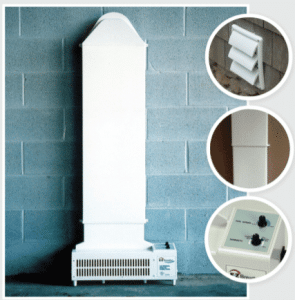
You’re no stranger to the lurking dangers of moisture and mold in your home, but have you considered the EZ Breathe Ventilation System as your secret weapon? This innovative system tirelessly expels stale, damp air, allowing fresh air to circulate, effectively reducing humidity and the risk of mold growth. Not only does it bolster the comfort of your living space, but it also greatly lessens allergy symptoms. But the perks of this system don’t stop here, there’s more to be discovered about how it can contribute to your family’s health.

Basement Ventilation Systems

In the world of basement waterproofing, ventilation systems are an integral part of maintaining a dry, healthy living space. You’ve probably heard sayings like “prevention is better than cure”. Well, that’s exactly what an EZ Breathe Ventilation System does for your basement.

It’s not just about drying out the space after the fact; it’s about creating a consistently dry environment that prevents problems from arising in the first place.

You see, when it comes to your basement, it’s all about circulation. Without proper ventilation, stale air, excess humidity, and pollutants can build up, creating an environment that’s ripe for mold, mildew, and other damaging factors. That’s where EZ Breathe steps in.

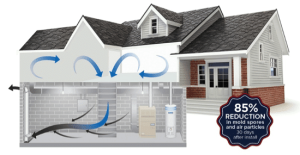
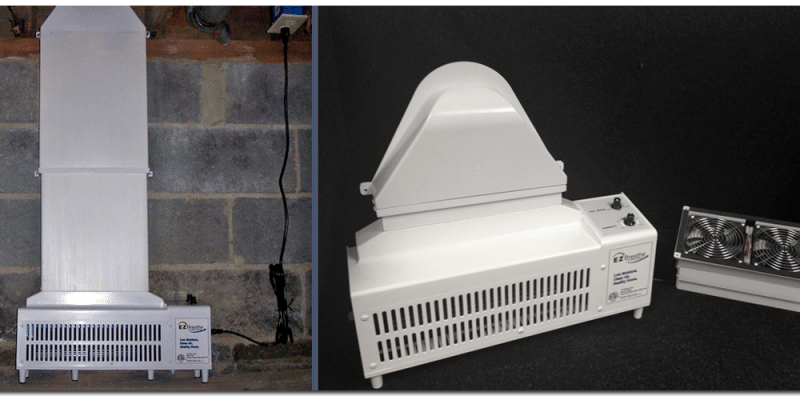
This system expels the stale air, drawing down fresh air from above, effectively combating moisture build-up and improving overall air quality.

But what makes EZ Breathe truly stand out is its efficiency. You don’t have to worry about costly energy bills, as it operates using less energy than a 40-watt light bulb.

In addition, it’s a maintenance-free system, meaning you can set it up and forget about it. As you can see, investing in an EZ Breathe Ventilation System is a decision you won’t regret.

Conclusion

You’ve now seen how the EZ Breathe Ventilation System can protect your family’s health. By continuously expelling damp, stale air, it prevents mold growth, reduces allergy symptoms, and creates a healthier living environment. Plus, its maintenance-free design provides long-lasting reliability. So, don’t let moisture and mold threaten your home’s health. Invest in an EZ Breathe System and enjoy a safer, fresher, more comfortable living space.

Indoor Air Quality

Revolutionizing Indoor Air Quality: The Benefits of EZ Breathe Ventilation Systems for Your Home

Consider the air you’re breathing in your home. Is it fresh and clean, or does it feel stale and humid, particularly in your basement? The EZ Breathe Ventilation System could be your answer. It efficiently expels polluted air and draws in fresher air from above, keeping humidity in check while thwarting mold and musty odors. This system not only improves your indoor air quality but also promotes a healthier environment, essential for those most vulnerable like kids and seniors. Intrigued? Let’s explore how this energy-efficient solution can make a difference in your home.

Basement Ventilation Systems

Basement ventilation is a key player in maintaining a healthy and safe home environment. When you neglect this, you’re risking the growth of harmful molds and mildews that can compromise your health. Damp, stagnant air can create an ideal breeding ground for such nuisances.

Now, you might be thinking, “But I’ve got windows and doors, isn’t that enough?” Unfortunately, it’s not. Traditional methods of ventilation often fall short in providing the adequate airflow needed for a healthy basement. That’s where the EZ Breathe Ventilation System comes into play.

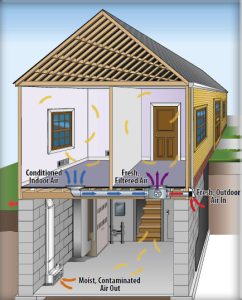
This system works tirelessly to combat the common issues associated with poor basement ventilation. It expels the stale, polluted air from your basement, creating a vacuum that pulls down fresh, dry air from the upper levels of your home. You’re not just moving air around; you’re effectively replacing it.

Moreover, this system helps maintain ideal humidity levels, preventing the build-up of condensation which can lead to structural damage.

Conclusion

To sum up, the EZ Breathe Ventilation System is a game-changer for indoor air quality. It’s not just about reducing humidity and preventing mold; it’s about improving your overall health and wellness. This system is energy-efficient, cost-effective, and specially designed to protect the most vulnerable. So, why wait? Make the smart move and invest in the EZ Breathe system for a healthier, fresher home environment. You owe it to yourself and your loved ones.

not-cleaning-air-ducts-ez-breathe-1

EZ Breathe Ventilation Systems: Eliminating Humidity, Allergens, and Odors for a Healthier Home

Ever thought about the quality of air in your home? EZ Breathe Ventilation Systems could be your solution to a healthier and more comfortable living space. They’re designed to eliminate humidity, allergens, and odors by continuously expelling stale air and drawing in fresh, clean air. You’ll not only protect your home from potential damage caused by moisture and mold but also enhance your indoor environment. But how exactly do these systems work and what makes them a worthy investment? Let’s explore.
Basement Ventilation Systems

As a professional in basement waterproofing, I can’t stress enough the importance of a proper Basement Ventilation System. It’s your first line of defense against excess moisture that could lead to mold, mildew, and structural damage.

But it’s not just about keeping things dry; it’s also about improving the air quality in your home.

Consider this: the average home’s foundation absorbs about 10-15 gallons of water daily. Without proper ventilation, this moisture gets trapped, creating a perfect breeding ground for mold.

That’s where the EZ Breathe Ventilation System comes in. It’s a maintenance-free unit that helps protect your home by expelling damp, polluted air and replacing it with dry, clean air.

What’s more, unlike traditional dehumidifiers, the EZ Breathe system doesn’t just collect moisture; it actively removes it, along with allergens and odors. It’s like giving your basement a refreshing atmosphere.

Investing in an EZ Breathe Ventilation System is investing in your home’s health and your own.

Conclusion

With EZ Breathe Ventilation Systems, you can finally say goodbye to dampness, allergens, and unpleasant smells. It’s a proactive, maintenance-free solution that continuously works to improve your indoor air quality. Not only does it protect your home from potential damage, but it also adds to its value. So, invest in EZ Breathe today and enjoy a healthier, more comfortable living environment. It’s a small change that can make a huge difference.

ez-breathe-ventilation-system-ez-breathe-ventilation-system-3

Transform Your Home with Effective Basement Ventilation: Spotlight on the EZ Breathe System

Basements play a versatile role in modern homes, serving as storage spaces, recreational areas, or even additional living quarters. Despite their benefits, basements are often plagued by poor air circulation, high humidity levels, and potential health risks caused by mold and radon. Addressing these issues requires a robust ventilation solution, and the EZ Breathe Ventilation System stands out as an innovative and efficient option. This article explores the critical importance of basement ventilation and how the EZ Breathe system offers a transformative solution.

The Problem with Poor Basement Ventilation

Basements are inherently vulnerable to several environmental challenges due to their location below ground level. Without proper ventilation, these challenges can lead to a host of problems that affect both your home and health.

  1. ez-breathe-ventilation-system-ez-breathe-ventilation-system-1Excess Moisture
    • Groundwater seepage, condensation, and leaks contribute to high humidity levels in basements. This moisture creates a perfect environment for mold growth and structural damage.
  2. Airborne Pollutants
    • Stagnant basement air traps allergens, dust, and harmful particles, which can easily circulate into the rest of the house.
  3. Radon Gas
    • Radon, a naturally occurring radioactive gas, is a common hazard in basements. Without proper ventilation, radon levels can rise to dangerous concentrations.
  4. Musty Odors
    • Poor air circulation allows odors to linger, making basements unpleasant and less usable.
  5. Impact on Overall Indoor Air Quality

The Consequences of Ignoring Ventilation

Neglecting proper basement ventilation can have far-reaching implications:

  • Health Concerns: Exposure to mold, mildew, and radon can lead to respiratory issues, allergies, and other serious health problems.
  • Structural Damage: Persistent moisture can weaken your home’s foundation, damage walls, and cause wood to rot.
  • Higher Energy Costs: Excess humidity makes HVAC systems work harder, increasing energy consumption.
  • Reduced Home Value: A damp, unventilated basement can deter potential buyers and lower the resale value of your home.

Traditional Basement Ventilation Solutions

Many homeowners rely on traditional methods to address basement ventilation, including:

  1. Dehumidifiers
  2. Exhaust Fans
    • Exhaust fans remove stale air but often fail to provide sufficient fresh air circulation.
  3. Natural Ventilation
    • Opening windows is a limited and weather-dependent solution that does little for basements without sufficient openings.

While these methods can help, they are often incomplete solutions. A comprehensive approach like the EZ Breathe Ventilation System offers a more effective and efficient way to improve basement air quality.

The EZ Breathe Ventilation System: A Game-Changer for Your Basement

The EZ Breathe system is a state-of-the-art solution designed to address the unique challenges of basement ventilation. It offers a proactive approach that enhances air circulation and reduces harmful elements in the environment.

Key Features of the EZ Breathe System
  1. Comprehensive Air Exchange
    • The EZ Breathe system continuously expels moist, stale air while introducing fresh air, improving the overall air quality in your basement and home.ez-breathe-ventilation-system-ez-breathe-ventilation-system-2
  2. Humidity Control
    • By regulating humidity levels, the system prevents mold growth, condensation, and musty odors.
  3. Radon Reduction
    • The system effectively mitigates radon by expelling contaminated air and maintaining a safer indoor environment.
  4. Energy Efficiency
    • Unlike energy-intensive dehumidifiers, the EZ Breathe system operates with minimal electricity, reducing your energy bills.
  5. User-Friendly Operation
    • Designed for ease of use, the system is low-maintenance, quiet, and unobtrusive.
How It Works

The EZ Breathe system operates on a simple yet effective principle:

  1. Exhausting Stale Air: The system pulls moist, polluted air out of the basement.
  2. Encouraging Fresh Airflow: By creating a slight pressure difference, it draws fresh air into the basement from other parts of the home.
  3. Continuous Performance: The system runs consistently, ensuring a dry and pollutant-free basement environment.

Benefits of the EZ Breathe System

Investing in the EZ Breathe system offers numerous benefits for homeowners:

  1. Healthier Living Environment
    • The system reduces allergens, mold spores, and radon, making your home safer and healthier.
  2. Enhanced Comfort
  3. Improved Structural Integrity
    • By preventing moisture-related issues, the system helps protect your home’s foundation and structural components.
  4. Energy Savings
  5. Increased Property Value
    • A dry, well-ventilated basement boosts your home’s overall value and appeal to potential buyers.

Why Choose EZ Breathe Over Other Solutions?

Feature Dehumidifiers Exhaust Fans EZ Breathe System
Controls Humidity Yes Limited Yes
Removes Pollutants No Limited Yes
Energy Efficient No (High usage) Moderate Yes (Low usage)
Radon Mitigation No No Yes
Whole-Home Impact No Limited Yes

Real-World Results

Thousands of homeowners have experienced the benefits of the EZ Breathe system. Here’s what some of them have to say:

  • “The air in our basement is noticeably fresher, and we no longer have issues with mold. Installing the EZ Breathe system was one of the best decisions we made!” – John D., Michigan
  • “Our radon levels dropped significantly after installing the EZ Breathe system. It’s reassuring to know that our family is breathing safer air.” – Maria S., Ohio
  • “The system works quietly in the background, and we’ve seen a noticeable reduction in our energy bills compared to when we used a dehumidifier.” – Lisa T., Pennsylvania

Installation and Maintenance

The EZ Breathe system is designed for convenience and longevity:

  • Professional Installation: A quick installation process ensures the system is set up for optimal performance.
  • Minimal Maintenance: With no water tanks to empty or filters to change frequently, the system requires very little upkeep.
  • Durable Design: Built to last, the EZ Breathe system offers years of reliable service.

Is the EZ Breathe System Right for You?

The EZ Breathe system is ideal for:

  • Homeowners experiencing damp, musty basements.
  • Families concerned about radon and indoor air quality.
  • Those seeking a low-maintenance and energy-efficient solution.
  • Anyone looking to make their basement a healthier, more comfortable space.

Basement ventilation is a critical aspect of maintaining a safe, healthy, and comfortable home. The EZ Breathe Ventilation System offers an innovative and effective solution to the challenges of poor basement air quality. By addressing moisture, pollutants, and airflow, EZ Breathe transforms basements into healthier and more livable spaces while protecting your home’s structural integrity.

For homeowners looking to enhance their indoor air quality, reduce energy costs, and protect their property investment, the EZ Breathe system is a smart and worthwhile choice. Say goodbye to damp, musty basements and hello to a healthier home environment with EZ Breathe.

Contact the Professionals at EZ Breathe Ventilation System Today! 866-822-7328

basement-waterproofing-methods-ez-breathe-ventilation-system-3

Proven Basement Waterproofing Methods: Ensuring a Moisture-Free Home

Basements, while valuable for storage or additional living space, are often vulnerable to water infiltration due to their position below ground level. Water intrusion can result in mold growth, foundation damage, and costly repairs. Therefore, homeowners need to employ effective basement waterproofing methods to ensure their homes remain moisture-free. In this guide, we’ll explore various basement waterproofing techniques, discussing both their benefits and potential drawbacks to provide a balanced perspective.

1. Exterior Basement Waterproofing: The First Barrier

Exterior basement waterproofing is designed to stop water before reaching the basement. This approach targets water management around the foundation.

  • Waterproof Membranes: One common method involves excavating around the foundation and applying a waterproof membrane or coating to the exterior walls. Materials such as asphalt-modified polyurethane or rubberized asphalt are typically used to create an impermeable barrier.
    Pros:
    • Prevents water entry at the source: This method stops water before it reaches the foundation, offering comprehensive protection.
    • Durable: Once installed, the waterproof membrane can last for decades, making it a long-term solution.
  • Cons:
    • Expensive: Excavation and applying waterproof materials are costly, with labor and material expenses adding up.
    • Disruptive: The process requires digging around the foundation, which can disturb landscaping, walkways, and driveways.
  • French Drains: French drains are another popular exterior waterproofing method. These are perforated pipes installed around the foundation, buried in gravel-filled trenches. Water that builds up around the foundation is captured by the drains and diverted away from the home.basement-waterproofing-methods-ez-breathe-ventilation-system-1
    Pros:
    • Effective water diversion: French drains help manage groundwater and prevent it from accumulating around the foundation.
    • Reduces hydrostatic pressure: By controlling water flow, these drains help relieve pressure on the basement walls.
  • Cons:
    • Requires maintenance: Over time, French drains can clog with sediment and may need cleaning or repairs.
    • Installation costs: Like waterproof membranes, French drains require excavation, making them a significant investment.

2. Interior Basement Waterproofing: Handling Water from Within

Interior basement waterproofing addresses water that has already entered the basement or manages moisture through preventive measures.

  • Interior Drainage Systems: Interior French drains, or perimeter drains, are installed along the inside perimeter of the basement floor. These pipes collect water that seeps in and directs it to a sump pump, which ejects the water out and away from the house.
    Pros:
    • Less invasive than exterior waterproofing: No need to excavate around the foundation, so it won’t disturb landscaping.
    • Effective for managing existing water issues: This system is ideal for basements that experience periodic water intrusion.
  • Cons:
  • Sump Pumps: Sump pumps are essential for any interior drainage system. These devices are installed in sump pits, and when water collects in the pit, the pump automatically ejects it away from the home. There are two main types of sump pumps: pedestal and submersible.
    Pros:
    • Effective water removal: Sump pumps can quickly remove large amounts of water, preventing basement flooding.
    • Automatic operation: Sump pumps are triggered by rising water levels, providing peace of mind during heavy rains.
  • Cons:
    • Requires power: Sump pumps run on electricity, so a power outage can leave your basement vulnerable unless you have a backup system.
    • Maintenance needed: Regular maintenance is required to keep the pump functioning properly.

3. Sealing Foundation Cracks

Cracks in basement walls or floors are common pathways for water entry. Repairing these cracks can help prevent moisture issues.

  • Epoxy or Polyurethane Crack Injections: These materials can be injected into foundation cracks to seal them and prevent water infiltration. Epoxy is rigid and ideal for structural repairs, while polyurethane is flexible and better suited for small, moving cracks.
    Pros:
    • Cost-effective: Crack injections are relatively affordable compared to other waterproofing methods.
    • Quick fix: These injections can be done quickly, providing immediate protection.
  • Cons:
    • Limited effectiveness for major leaks: Crack injections are not suitable for basements with significant water problems.
    • May not be permanent: Cracks can reappear over time, especially if the foundation continues to shift.

4. Vapor Barriers and Dehumidifiers

For basements that struggle with high humidity rather than direct water intrusion, vapor barriers and dehumidifiers can help manage moisture levels.

Vapor Barriers: Vapor barriers are impermeable sheets applied to basement walls and floors to block moisture from entering. They are especially useful in unfinished basements to prevent condensation.

  • Pros:
    • Reduces humidity: Vapor barriers prevent moisture from seeping through walls and floors, lowering the overall humidity in the basement.
    • Mold prevention: By keeping moisture out, vapor barriers reduce the risk of mold growth.
  • Cons:
    • Not a complete solution: Vapor barriers don’t address water that enters through cracks or other pathways.
    • May require additional ventilation: Vapor barriers can sometimes trap moisture, necessitating improved ventilation.

Dehumidifiers: Basement dehumidifiers help reduce humidity levels, making the space more comfortable and preventing mold growth.

  • Pros:
    • Improves air quality: Lower humidity levels reduce the risk of musty odors and mold spores in the air.
    • Easy to install: Dehumidifiers require no professional installation and can be placed anywhere in the basement.
  • Cons:
    • Doesn’t address water intrusion: Dehumidifiers only control moisture in the air, not water that enters through cracks or leaks.
    • Energy consumption: Dehumidifiers run on electricity and may increase energy bills, especially in humid climates.

Choosing the right basement waterproofing method depends on the specific water issues your home is facing. Exterior solutions like waterproof membranes and French drains are effective but come with higher costs and disruption. Interior methods, such as drainage systems and sump pumps, provide relief from existing water problems but don’t prevent water from entering. Finally, tools like vapor barriers and dehumidifiers help manage moisture but aren’t a full waterproofing solution. By understanding the advantages and limitations of each method, homeowners can make informed decisions to keep their basements dry and secure.

Contact the Professionals at EZ Breathe Ventilation System Today! 866-822-7328

not-cleaning-air-ducts-ez-breathe-3

The Hidden Dangers of Neglected Air Ducts: Understanding the Harmful Effects

Air ducts are an integral part of most modern homes, responsible for distributing heated or cooled air throughout the building. However, despite their importance, air ducts are often neglected when it comes to regular home maintenance. Failing to clean air ducts can lead to a variety of harmful effects, impacting everything from indoor air quality to the efficiency of the heating, ventilation, and air conditioning (HVAC) system itself. This article explores the consequences of not cleaning air ducts and provides insights into the potential risks to health and home.

Why Clean Air Ducts Matter

not-cleaning-air-ducts-ez-breathe-1

Air ducts, over time, can accumulate dust, pollen, mold spores, and other debris. When air ducts are not regularly cleaned, these contaminants can be recirculated throughout the home, potentially leading to health issues and decreased air quality. Moreover, dirty ducts can also reduce the efficiency of your HVAC system, increasing energy costs and reducing the lifespan of the equipment.

Health Risks Associated with Dirty Air Ducts

1. Respiratory Problems

The primary concern with unclean air ducts is the impact on respiratory health. Dust and mold spores can trigger allergies and asthma attacks. For individuals with respiratory conditions, poor indoor air quality can lead to more frequent and severe symptoms, including coughing, wheezing, and shortness of breath.

2. Increased Allergens

Dust mites, pet dander, and pollen can all accumulate in dirty ducts and are common allergens that can cause reactions ranging from mild irritation to severe allergic responses. Regular cleaning helps reduce the presence of these allergens and can significantly improve the comfort and health of those sensitive to them.

3. Mold and Mildew Growth

Moisture can accumulate in ductwork, providing a perfect environment for mold and mildew to thrive. Exposure to mold can lead to a variety of health issues, including throat irritation, nasal stuffiness, coughing, wheezing, and skin irritation. For those with mold allergies, the reactions can be even more severe.

Impact on HVAC System Efficiency

Dirty air ducts can also have a significant impact on the efficiency and performance of your HVAC system.

1. Reduced Air Flow

Buildup of dust and debris in the ducts can restrict air flow, forcing the HVAC system to work harder to heat or cool the home. This not only leads to increased energy consumption but can also strain the system, potentially leading to premature breakdowns and costly repairs.

2. Increased Energy Costs

As the HVAC system works harder to overcome airflow blockages, it consumes more energy, leading to higher utility bills. Clean air ducts help ensure that your system operates at peak efficiency, maintaining your home’s comfort at a lower cost.

3. Wear and Tear on HVAC Components

Excessive dirt and debris can also lead to wear and tear on the HVAC components themselves. For example, the blower fan may need to work harder to push air through clogged ducts, which can lead to motor failure and other mechanical issues.

Home Safety Concerns

Beyond health and efficiency, dirty air ducts can pose additional safety risks to your home.

1. Fire Hazards

Accumulated dust and fibers in ductwork can pose a fire hazard, particularly near heating elements and electrical components of the HVAC system. Regular cleaning reduces this risk significantly.

2. Pests and Vermin

Unclean air ducts can also attract pests such as rodents and insects, which are drawn to the warmth and potential food sources found in ductwork. These pests can cause further damage to the ducts, create unpleasant odors, and pose additional health risks.

How Often Should Air Ducts Be Cleaned?not-cleaning-air-ducts-ez-breathe-2

The frequency of air duct cleaning depends on several factors, including pet ownership, smoking habits, recent renovations, your home’s dust levels, and the presence of allergy sufferers. As a general rule, it’s advisable to have your air ducts inspected and cleaned by a professional every three to five years. However, in households with high dust or pet dander, or where occupants have allergies or respiratory conditions, more frequent cleaning may be beneficial.

Neglecting to clean your air ducts can lead to serious health risks, increased energy costs, and potential safety hazards. Regularly maintaining your home’s air ducts not only supports a healthier indoor environment but also enhances the efficiency and longevity of your HVAC system. Homeowners should consider professional duct cleaning services to ensure that their indoor air quality is not compromised. By understanding and addressing the dangers of dirty air ducts, you can ensure a safer, healthier, and more comfortable living environment for you and your family.

Contact the Professionals at EZ Breathe Today! 866-822-7328

indoor-air-quality-ez-breathe-3

The Silent Threat: Understanding and Managing Chemicals in Indoor Air

The quality of indoor air in our homes is crucial for our well-being and health. Often overlooked, the air inside our homes can be laden with various chemicals from everyday products and materials. This article delves into the common sources of indoor air pollution, the risks associated with exposure to these chemicals, and practical steps homeowners can take to minimize their impact.

Understanding Indoor Air Quality (IAQ)

Indoor Air Quality (IAQ) refers to the air quality within and around buildings and structures, especially as it relates to the health and comfort of building occupants. Understanding and controlling common pollutants indoors can help reduce the risk of indoor health concerns.

Common Sources of Chemicals in Indoor Air

1. Household Cleaning Products

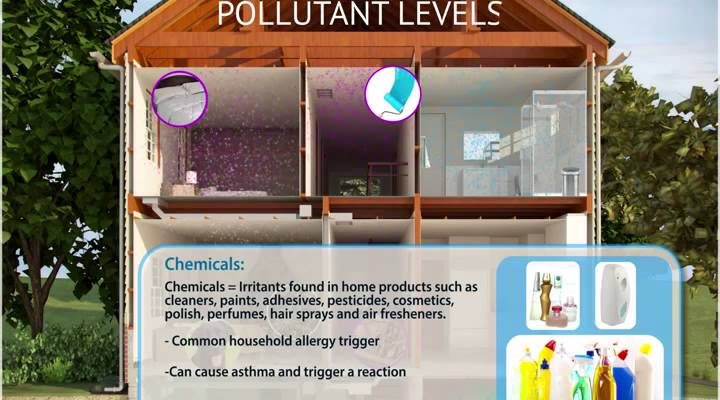
Products such as disinfectants, polishes, and cleaners often contain volatile organic compounds (VOCs) like formaldehyde, ammonia, and bleach. These compounds can evaporate into the air and contribute to indoor pollution.

2. Building Materials

Materials used in home construction such as paint, varnish, sealants, and flooring materials can emit a variety of toxic substances, including formaldehyde and other VOCs, long after they have been installed.

3. Furnishings

Furniture and upholstery can release chemicals absorbed during their manufacturing process. For instance, flame retardants and phthalates in plastics and textiles can vaporize into the air.

4. Personal Care Products

Products like hairsprays, perfumes, and colognes are significant sources of VOCs inside the home. These substances can linger in the air and contribute to a chemical cocktail in enclosed spaces.

5. Heating Equipment and Stoves

Burning fuels such as gas, oil, kerosene, coal, or wood can produce indoor pollutants including carbon monoxide and nitrogen dioxide.

6. Outdoor Air Pollution

Outdoor contaminants such as pesticides, radon, and particulate matter can enter homes through open doors, windows, and cracks in structures, worsening indoor air quality.

Health Risks Associated with Poor IAQ

Exposure to indoor pollutants can lead to a variety of short-term and long-term health effects. Short-term effects, often treatable, include irritation of the eyes, nose, and throat, headaches, dizziness, and fatigue. Long-term exposure can lead to respiratory diseases, heart disease, and cancer, which can be severely debilitating or fatal.

Strategies to Improve Indoor Air Quality

Improving the air quality in your home involves several strategies, from choosing the right materials and products to regular maintenance and air quality monitoring.

1. Ventilation

Increase ventilation to reduce pollutant concentration. This can be achieved through natural methods like opening windows and doors when weather and environmental conditions permit, or through mechanical means such as exhaust fans in bathrooms and kitchens.

2. Keep a Clean Home

Regular cleaning helps reduce dust and animal dander which can trap and hold chemicals. Use vacuum cleaners equipped with HEPA filters and mop regularly to keep surfaces clean.

3. Choose Low-Emitting Products

Select paints, varnishes, and furnishings that emit lower quantities of VOCs. Manufacturers often label products that are low-VOC, providing a safer alternative for indoor use.

4. Monitor Humidity Levels

Maintain indoor humidity at 30-50% to help reduce the potential for mold growth and control dust mites. Dehumidifiers and air conditioners can help maintain the correct indoor humidity levels.

5. Use Air Purifiers

Consider using an air purifier with a HEPA filter to capture particulate matter and an activated carbon filter to remove gases and odors from the air.

6. Reduce Chemical Use

Limit the use of harsh cleaners, aerosol sprays, and air fresheners, opting instead for natural cleaning products or homemade solutions like baking soda and vinegar.

7. Houseplantsindoor-air-quality-ez-breathe-2

Some studies suggest that certain houseplants can absorb harmful toxins, although the effectiveness can vary significantly. Plants can also improve indoor aesthetics and provide psychological benefits.

The air inside our homes can be more polluted than the air outdoors, primarily due to everyday activities and the products we use. By understanding the sources and risks of indoor air pollution and implementing strategies to improve indoor air quality, homeowners can create a safer, healthier environment for themselves and their families.

Ultimately, the key to managing indoor air quality is awareness and proactive behavior. Regularly testing your home for radon, avoiding smoking indoors, and being mindful of the materials and products you bring into your home can significantly improve the air you breathe. While some pollutants are unavoidable, minimizing exposure and maximizing ventilation can help mitigate the risks and ensure a healthier indoor environment.

Contact the Professionals at EZ Breathe Today! 866-822-7328

basement-drainage-ez-breathe-3

Navigating the Depths: A Comprehensive Guide to Basement Drainage Solutions

Basements are valuable spaces in residential homes, providing additional living, storage, or recreational areas. However, they are also vulnerable to moisture infiltration, leading to a host of problems such as water damage, mold growth, and structural deterioration. Proper basement drainage is essential for managing groundwater, surface water, and other sources of moisture to prevent these issues and maintain a dry, healthy living environment. In this comprehensive guide, we’ll explore the importance of basement drainage, common drainage problems, effective drainage solutions, and tips for implementing a robust drainage system in your basement.

Understanding the Importance of Basement Drainage

Basement drainage refers to the management and removal of excess water from the basement space to prevent water infiltration and accumulation. Proper drainage is crucial for several reasons:basement-drainage-ez-breathe-1

  • Preventing Water Damage: Basements are susceptible to water infiltration from various sources, including groundwater seepage, surface runoff, and plumbing leaks. Without adequate drainage, water can penetrate through cracks in the foundation walls or floor, leading to water damage, mold growth, and structural problems.
  • Preserving Indoor Air Quality: Excess moisture in the basement can lead to high humidity levels, condensation, and mold growth, which can compromise indoor air quality and pose health risks to occupants. Proper drainage helps control moisture levels and prevent mold-related issues.
  • Protecting Property Investment: Water damage in the basement can cause costly repairs and decrease the resale value of the home. By implementing effective drainage solutions, homeowners can protect their property investment and ensure the long-term integrity of their home’s foundation and structure.

Common Basement Drainage Problems

Several factors can contribute to basement drainage problems, including:

  • Groundwater Seepage: In areas with high water tables or poor soil drainage, groundwater can seep through the foundation walls or floor, leading to water infiltration and rising dampness in the basement.
  • Surface Water Runoff: Improper grading around the home’s foundation or inadequate drainage systems can result in surface water runoff pooling around the basement perimeter, increasing the risk of water infiltration and flooding.
  • Plumbing Leaks: Leaking pipes, fixtures, or appliances in the basement can introduce water into the indoor environment, leading to moisture buildup and water damage.
  • Condensation: Lack of ventilation, insulation, or air circulation in the basement can lead to condensation buildup on surfaces, contributing to moisture-related problems and mold growth.

Effective Basement Drainage Solutions

Several drainage solutions can be implemented to address basement drainage problems and manage excess water effectively:

Exterior Waterproofing:

    • Exterior waterproofing involves applying waterproof coatings, membranes, or sealants to the exterior surface of the foundation walls to prevent water infiltration.
    • Additionally, exterior drainage systems such as French drains, curtain drains, or surface grading can be installed around the perimeter of the home to divert surface water away from the foundation.

Interior Drainage Systems:

    • Interior drainage systems, such as French drains or interior weeping tile systems, are installed within the basement to collect and channel water to a sump pump or drainage outlet.
    • These systems typically consist of perforated pipes or channels installed along the perimeter of the basement floor, surrounded by gravel or drainage matting to facilitate water flow.

Sump Pump Installation:

    • Sump pumps are commonly used in conjunction with interior drainage systems to remove collected water from the basement and discharge it safely away from the home.
    • A sump pump is installed in a designated sump pit or basin, where it automatically activates to pump water out of the basement when water levels rise above a certain threshold.

Crawl Space Encapsulation:

    • For homes with crawl spaces, encapsulation involves sealing off the space with vapor barriers, insulation, and dehumidifiers to prevent moisture buildup and improve indoor air quality.
    • This helps prevent moisture infiltration into the basement and reduces the risk of water-related issues such as mold growth and structural damage.

Foundation Repair and Maintenance:

    • Addressing cracks, gaps, or damage in the foundation walls or floor is essential for preventing water infiltration and maintaining structural integrity.
    • Foundation repair techniques such as crack sealing, epoxy injection, or foundation underpinning may be necessary to correct structural problems and prevent water leakage.

Tips for Implementing a Robust Basement Drainage System

When designing and implementing a basement drainage system, consider the following tips to ensure optimal performance and effectiveness:

  • Assess Moisture Sources: Identify and address potential sources of moisture infiltration, including groundwater seepage, surface water runoff, plumbing leaks, and condensation buildup.basement-drainage-ez-breathe-2
  • Design for Redundancy: Incorporate multiple drainage solutions and backup systems to provide redundancy and ensure continuous protection against water infiltration and flooding.
  • Proper Installation: Ensure that drainage systems, sump pumps, and other components are installed correctly and according to manufacturer specifications to maximize their effectiveness and longevity.
  • Regular Maintenance: Schedule regular inspections and maintenance of the basement drainage system, including cleaning, testing, and servicing of sump pumps, drainage channels, and discharge outlets.
  • Monitor Performance: Monitor the performance of the basement drainage system regularly, including water levels, pump operation, and moisture levels, to detect and address any issues promptly.
  • Professional Consultation: Consult with experienced waterproofing professionals or structural engineers to assess your basement drainage needs and develop a customized drainage plan tailored to your specific requirements.

Basement drainage is essential for preventing water infiltration, managing moisture levels, and protecting the structural integrity of residential homes. By understanding common basement drainage problems, implementing effective drainage solutions, and following best practices for design and maintenance, homeowners can ensure a dry, healthy, and resilient basement environment. Whether through exterior waterproofing, interior drainage systems, sump pump installation, crawl space encapsulation, or foundation repair, investing in basement drainage solutions offers long-term benefits and peace of mind. With proper drainage measures in place, homeowners

Contact the Professionals at EZ Breathe Repair Today! 866-822-7328

basement-ventilation-ez-breathe-3

Optimizing Indoor Air Quality: A Comprehensive Guide to Basement Ventilation

Basements are valuable spaces in residential homes, serving a variety of purposes such as storage, laundry, recreational areas, or even additional living space. However, due to their below-ground location and limited natural ventilation, basements are prone to poor indoor air quality, high humidity levels, and potential mold growth. Proper basement ventilation is essential for maintaining a healthy and comfortable living environment, preventing moisture-related issues, and preserving the structural integrity of the home. In this comprehensive guide, we will explore the importance of basement ventilation, common ventilation strategies, factors to consider when designing a ventilation system, and tips for optimizing indoor air quality in basements.

Understanding the Importance of Basement Ventilation

Basement ventilation refers to the exchange of indoor and outdoor air within the basement space, allowing for the removal of stale air, moisture, and indoor pollutants while introducing fresh air from the outdoors. Proper ventilation is crucial for several reasons:

  • Moisture Control: Basements are prone to high humidity levels, which can lead to condensation, mold growth, and musty odors. Adequate ventilation helps control moisture levels by promoting air circulation and preventing stagnant air from accumulating.basement-ventilation-ez-breathe-1
  • Indoor Air Quality: Poor ventilation can result in the buildup of indoor pollutants such as volatile organic compounds (VOCs), radon, and carbon monoxide, which can pose health risks to occupants. Effective ventilation helps dilute and remove indoor pollutants, ensuring a healthier indoor environment.
  • Prevention of Structural Damage: Excess moisture in the basement can lead to wood rot, corrosion, and deterioration of building materials, compromising the structural integrity of the home. Proper ventilation helps prevent moisture-related damage, prolonging the lifespan of the building.
  • Comfort and Livability: A well-ventilated basement is more comfortable and inviting for occupants, with improved air quality and reduced humidity levels. Proper ventilation also helps regulate temperatures and reduces the risk of temperature extremes in the basement space.

Common Basement Ventilation Strategies

Several ventilation strategies can be employed to effectively ventilate basements and improve indoor air quality:

Natural Ventilation:

  • Natural ventilation relies on passive airflow driven by temperature and pressure differentials between indoor and outdoor air.
  • Opening windows and doors, installing vents or louvers, and utilizing air vents or ducts connected to the exterior can facilitate natural ventilation in basements.
  • Cross-ventilation, where air enters through one opening and exits through another, helps promote air circulation and exchange.

Mechanical Ventilation:

  • Mechanical ventilation systems utilize fans or blowers to actively exhaust stale air from the basement and introduce fresh outdoor air.
  • Exhaust fans, such as bathroom or kitchen exhaust fans, can be installed to remove moisture and pollutants from the basement space.
  • Supply ventilation systems use fans to bring outdoor air into the basement, providing a continuous source of fresh air while exhausting stale indoor air.

Whole-House Ventilation:

  • Whole-house ventilation systems are designed to ventilate the entire home, including the basement, by exchanging indoor and outdoor air throughout the building.
  • Balanced ventilation systems, such as heat recovery ventilators (HRVs) or energy recovery ventilators (ERVs), simultaneously exhaust stale indoor air and supply fresh outdoor air while recovering heat or energy from the outgoing air stream.
  • Central exhaust systems remove stale air from multiple rooms, including the basement, and exhaust it directly to the outdoors.

Dehumidification:

    • Dehumidifiers can be used to remove excess moisture from the basement air, reducing humidity levels and preventing mold growth.
    • Portable or built-in dehumidifiers extract moisture from the air and collect it in a reservoir or drain it directly outside the home.

Factors to Consider When Designing a Basement Ventilation System

When designing a basement ventilation system, several factors should be taken into account to ensure optimal performance and efficiency:

  • Basement Size and Layout: Consider the size and layout of the basement space, including the number of rooms, ceiling height, and any obstacles or obstructions that may affect airflow.
  • Occupancy and Use: Determine the intended use of the basement and the occupancy load to assess ventilation requirements. Occupied spaces may require higher ventilation rates to maintain indoor air quality.
  • Moisture Sources: Identify potential moisture sources in the basement, such as plumbing fixtures, appliances, and groundwater infiltration, and incorporate ventilation strategies to address moisture buildup.
  • Climate and Seasonal Variation: Consider climate factors such as temperature, humidity, and outdoor air quality, as well as seasonal variations in ventilation requirements.
  • Building Codes and Regulations: Familiarize yourself with local building codes and regulations governing ventilation requirements for residential basements, including minimum airflow rates, ventilation system design, and installation standards.
  • Energy Efficiency: Choose energy-efficient ventilation systems and strategies that minimize energy consumption while maintaining adequate indoor air quality. Consider options such as variable-speed fans, programmable controls, and heat recovery technologies.

Optimizing Indoor Air Quality in Basements

In addition to implementing effective ventilation strategies, homeowners can take proactive steps to optimize indoor air quality in basements:

  • Control Moisture: Address sources of moisture infiltration, such as leaks, condensation, and groundwater seepage, to prevent mold growth and maintain dry conditions in the basement.basement-ventilation-ez-breathe-2
  • Maintain Cleanliness: Keep the basement clean and free of dust, debris, and clutter to reduce the buildup of indoor pollutants and allergens.
  • Ventilate Appliances: Ensure that appliances such as clothes dryers, furnaces, and water heaters are properly vented to the outdoors to prevent the release of combustion byproducts and indoor pollutants into the basement air.
  • Use Low-VOC Products: Choose low-VOC (volatile organic compound) paints, finishes, and building materials to minimize the release of harmful chemicals into the indoor air.
  • Monitor Indoor Air Quality: Regularly monitor indoor air quality in the basement using air quality monitors or sensors to detect elevated levels of pollutants, humidity, or other contaminants.
  • Schedule Regular Maintenance: Maintain ventilation systems, appliances, and building components in the basement through regular inspection, cleaning, and servicing to ensure optimal performance and efficiency.

Basement ventilation is essential for maintaining a healthy, comfortable, and structurally sound living environment in residential homes. By implementing effective ventilation strategies, homeowners can control moisture levels, improve indoor air quality, and prevent the buildup of indoor pollutants and allergens. Whether through natural ventilation, mechanical ventilation, whole-house ventilation, or dehumidification, investing in basement ventilation offers numerous benefits for homeowners, including enhanced comfort, energy efficiency, and peace of mind. By considering factors such as basement size and layout, occupancy, moisture sources, and climate conditions, homeowners can design and implement a customized ventilation system that meets their specific needs and ensures a healthy indoor environment for themselves and their families.

Contact the Professionals at EZ Breathe Repair Today! 866-822-7328

mitigating-toxic-chemicals-ez-breathe-3

Clearing the Air: Identifying and Mitigating Toxic Chemicals in Your Home

Your home is meant to be a sanctuary—a place of safety and comfort. However, lurking within the walls of your home may be invisible threats to your health and well-being in the form of toxic chemicals. From household cleaners to building materials, many common items emit volatile organic compounds (VOCs) and other harmful substances that can degrade indoor air quality and pose health risks. In this article, we’ll explore the sources and effects of toxic chemicals in the home, as well as practical strategies for reducing exposure and improving indoor air quality.

Understanding Toxic Chemicals in the Home:

Toxic chemicals in the home can originate from a variety of sources, including:

  • Household Cleaners: Many conventional household cleaners contain chemicals such as ammonia, chlorine, and phthalates, which can release VOCs and other hazardous substances into the air when used.
  • Paints and Finishes: Paints, varnishes, and wood finishes often contain volatile organic compounds (VOCs), which can off-gas into the air, especially during application and drying.mitigating-toxic-chemicals-ez-breathe-1
  • Building Materials: Some building materials, such as pressed wood products, carpets, and insulation, may contain formaldehyde, flame retardants, and other chemicals that can emit harmful fumes over time.
  • Furniture and Upholstery: Furniture, mattresses, and upholstery may be treated with flame retardants, stain-resistant coatings, and other chemicals that can release VOCs and other toxins into the air.
  • Air Fresheners and Fragrances: Synthetic fragrances found in air fresheners, candles, and personal care products can contain phthalates, which are known endocrine disruptors and respiratory irritants.
  • Pesticides and Herbicides: Indoor use of pesticides and herbicides can introduce harmful chemicals into the home environment, leading to indoor air pollution and potential health risks.

The Impact on Indoor Air Quality and Health:

Exposure to toxic chemicals in the home can have a range of adverse effects on indoor air quality and health:

  • Respiratory Irritation: VOCs and other airborne chemicals can irritate the respiratory system, leading to symptoms such as coughing, wheezing, shortness of breath, and throat irritation.
  • Allergies and Asthma: Indoor allergens and irritants, including VOCs, can trigger allergic reactions and exacerbate symptoms in individuals with asthma and other respiratory conditions.
  • Neurological Effects: Certain chemicals found in household products, such as formaldehyde and phthalates, have been linked to neurological effects, including headaches, dizziness, and cognitive impairment.
  • Cancer Risk: Long-term exposure to certain chemicals found in the home, such as formaldehyde and benzene, has been associated with an increased risk of cancer, including leukemia and lymphoma.
  • Endocrine Disruption: Phthalates, bisphenol A (BPA), and other endocrine-disrupting chemicals found in household products can interfere with hormone function and contribute to reproductive and developmental disorders.
  • Indoor Air Pollution: Toxic chemicals emitted from household products can contribute to indoor air pollution, leading to poor indoor air quality and potential health hazards for occupants.

Practical Strategies for Reducing Exposure:

Fortunately, there are steps you can take to minimize exposure to toxic chemicals in your home and improve indoor air quality:

Choose Safer Products:

    • Opt for environmentally friendly and non-toxic household cleaners, paints, and building materials labeled as low-VOC or VOC-free.
    • Look for products certified by third-party organizations, such as Green Seal or the Environmental Protection Agency’s Safer Choice program.

Ventilate Properly:

    • Use exhaust fans or open windows when using household cleaners, paints, and other products that emit VOCs or other fumes.
    • Increase ventilation in your home by using ceiling fans, opening windows, and using air purifiers with HEPA filters to remove airborne pollutants.

Reduce Indoor Air Pollution:

    • Minimize indoor air pollution by avoiding the use of air fresheners, candles, and other scented products containing synthetic fragrances.
    • Choose natural alternatives, such as essential oils or homemade air fresheners, to scent your home without introducing harmful chemicals.

Dust and Vacuum Regularly:

    • Dust and vacuum your home regularly to remove dust, pet dander, and other allergens that may harbor toxic chemicals and pollutants.
    • Use a vacuum cleaner with a HEPA filter to trap fine particles and prevent them from being recirculated into the air.

Limit Pesticide Use:

    • Practice integrated pest management (IPM) techniques to minimize the use of pesticides and herbicides indoors.
    • Use non-toxic alternatives, such as diatomaceous earth or botanical insecticides, to control pests without introducing harmful chemicals into your home.

Choose Low-Toxicity Furnishings:

    • Select furniture, mattresses, and upholstery made from natural materials or certified as low-VOC to minimize off-gassing of harmful chemicals.
    • Allow new furniture and upholstery to off-gas in a well-ventilated area before bringing them into your home.

Test Your Home for Radon:

    • Test your home for radon, a radioactive gas that can seep into homes through cracks in the foundation and pose a risk of lung cancer.
    • Consider installing a radon mitigation system if elevated levels of radon are detected in your home.

Toxic chemicals in the home pose significant risks to indoor air quality and human health, yet they often go unnoticed or underestimated by homeowners. By identifying common sources of indoor air pollution and implementing practical strategies to reduce exposure, homeowners can create a healthier and safer living environment for themselves and their families. Don’t let invisible threats compromise the air you breathe—take proactive steps to clear the air and improve indoor air quality in your home today.

Contact the Professionals at EZ Breathe Today! 866-822-7328