

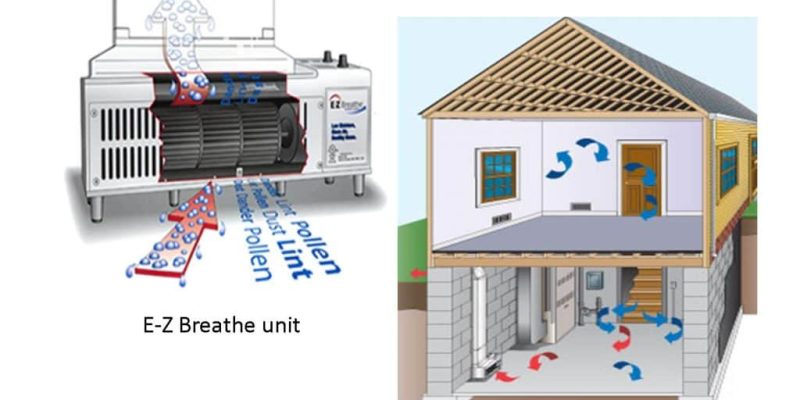
Basement ventilation is a crucial yet often overlooked aspect of maintaining a healthy and comfortable home environment. Basements are typically more susceptible to moisture, poor air circulation, and temperature imbalances, which can lead to a host of problems, including mold growth, musty odors, and even structural damage. Proper ventilation helps mitigate these issues by promoting air circulation, controlling humidity levels, and improving indoor air quality. In this article, we’ll explore the importance of basement ventilation, the different techniques available, and best practices for ensuring your basement remains dry, fresh, and safe.
Why Basement Ventilation Matters
Basements are unique in that they are partially or fully below ground level, which creates a set of challenges not typically found in other parts of the home. The combination of limited natural light, cooler temperatures, and potential exposure to soil moisture makes basements prone to poor air quality and moisture-related problems. Here’s why ventilation is essential in this context:
- Moisture Control:
- Basements are naturally cooler, and when warm, humid air from the upper levels of the house or outside enters the basement, it can condense on cooler surfaces. This condensation can lead to dampness, which creates the perfect environment for mold and mildew to thrive.
- Proper ventilation helps regulate humidity levels, reducing the risk of moisture accumulation and its associated problems.
- Mold and Mildew Prevention:
- Mold and mildew not only cause unpleasant odors but can also pose serious health risks, including respiratory issues, allergies, and asthma. Ventilation reduces the likelihood of mold growth by keeping the air dry and circulating, which helps prevent stagnant, damp conditions where mold can flourish.

- Mold and mildew not only cause unpleasant odors but can also pose serious health risks, including respiratory issues, allergies, and asthma. Ventilation reduces the likelihood of mold growth by keeping the air dry and circulating, which helps prevent stagnant, damp conditions where mold can flourish.
- Improved Indoor Air Quality:
- The air quality in your basement directly impacts the air quality throughout your home, as air tends to move upwards (a process known as the stack effect). If your basement air is stale or contaminated, it can affect the living spaces above. Effective ventilation ensures that fresh air circulates, reducing the concentration of pollutants and allergens.
- Temperature Regulation:
- Basements can become excessively warm or cold depending on the season, leading to discomfort and inefficient heating or cooling in the rest of the house. Ventilation helps maintain a more consistent temperature in the basement, contributing to overall energy efficiency and comfort.
- Odor Control:
- Musty odors are a common complaint in poorly ventilated basements, often caused by mold, mildew, or the presence of dampness. Ventilation helps eliminate these odors by introducing fresh air and removing stagnant air that harbors unpleasant smells.
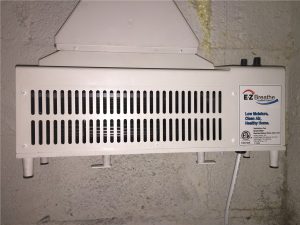
Types of Basement Ventilation Systems
There are several methods to ventilate a basement, each with its own advantages and applications. The choice of ventilation system depends on the specific needs of your basement, including its size, layout, and existing moisture levels.
1. Natural Ventilation
Natural ventilation relies on the passive movement of air through openings, such as windows, doors, or vents. This method is most effective in basements with ample windows or above-ground access points.
- Pros:
- Cost-Effective: Natural ventilation requires no additional equipment or energy, making it an economical choice.
- Simple to Implement: Opening windows or doors periodically is all that’s needed to allow fresh air to circulate.
- Environmentally Friendly: It doesn’t rely on electricity, so it has no carbon footprint.
- Cons:
- Weather-Dependent: Natural ventilation is less effective in extreme weather conditions or seasons when windows and doors are typically closed.
- Limited Control: You have less control over airflow and humidity levels compared to mechanical systems.
- Security Concerns: Leaving windows or doors open can pose a security risk, especially in urban areas.
2. Mechanical Ventilation
Mechanical ventilation involves the use of fans, exhaust systems, or air exchangers to actively move air in and out of the basement. This method provides more control over airflow and can be used year-round, regardless of weather conditions.
- Types of Mechanical Ventilation:
- Exhaust Fans: These are installed to remove stale, humid air from the basement and can be operated manually or automatically based on humidity levels.
- Supply Fans: These bring fresh air into the basement, which can be particularly useful in tightly sealed homes where natural airflow is minimal.
- Balanced Ventilation Systems: These systems use both supply and exhaust fans to maintain a balanced air exchange, ensuring that fresh air is introduced while stale air is removed simultaneously.
- Pros:
- Consistent Airflow: Mechanical systems provide consistent and controlled ventilation, improving air quality regardless of external conditions.
- Humidity Control: Many systems are equipped with sensors that monitor humidity levels and adjust airflow as needed.
- Versatility: Mechanical ventilation can be customized to suit the specific needs of your basement, including the size and level of moisture.
- Cons:
- Installation Cost: Mechanical systems require an initial investment for installation and equipment.
- Energy Usage: These systems use electricity, which can increase your energy bills, though energy-efficient models are available.
- Maintenance: Regular maintenance is necessary to keep mechanical ventilation systems running efficiently.
3. Dehumidifiers
While not a ventilation system per se, dehumidifiers play a crucial role in controlling moisture levels in basements, making them an essential component of an overall ventilation strategy.
- Pros:
- Effective Moisture Control: Dehumidifiers are specifically designed to remove excess moisture from the air, which can significantly reduce humidity levels and prevent mold growth.
- Portable: Most dehumidifiers are portable, allowing you to move them around the basement as needed.
- Cons:
- Ongoing Costs: Dehumidifiers require electricity to operate, and you’ll also need to empty the water collection reservoir regularly (unless you choose a model with a continuous drain option).
- Limited Airflow: While dehumidifiers control humidity, they don’t circulate air as effectively as ventilation systems.
4. Air Exchangers
Air exchangers are advanced ventilation systems that remove stale indoor air and replace it with fresh outdoor air. Some models also include heat recovery ventilators (HRVs) or energy recovery ventilators (ERVs), which capture and reuse the energy from the exhausted air to condition the incoming air.
- Pros:
- Enhanced Air Quality: Air exchangers provide continuous fresh air, significantly improving indoor air quality.
- Energy Efficiency: HRVs and ERVs help maintain energy efficiency by reducing the load on your heating and cooling systems.
- Cons:
- Cost: Air exchangers are more expensive to install and maintain compared to basic ventilation systems.
- Complex Installation: Professional installation is typically required, adding to the initial cost.
Best Practices for Effective Basement Ventilation
To ensure that your basement ventilation system works effectively, follow these best practices:
1. Assess Your Basement’s Needs
Before choosing a ventilation system, assess the specific conditions in your basement, including moisture levels, temperature, and air quality. This will help you determine the most suitable ventilation method for your space.
2. Control Humidity Levels
Maintaining a humidity level of 30% to 50% is ideal for basements. If humidity consistently exceeds this range, consider using a dehumidifier in conjunction with your ventilation system to control moisture effectively.
3. Seal Air Leaks
Ensure that your basement is properly sealed to prevent air leaks, which can introduce moisture and reduce the efficiency of your ventilation system. Pay special attention to windows, doors, and any cracks in the foundation.
4. Regular Maintenance
If you have a mechanical ventilation system, regular maintenance is essential to keep it functioning optimally. Clean or replace filters, inspect fans and ducts, and ensure that sensors are working correctly.
5. Monitor Air Quality
Use a hygrometer and air quality monitor to keep track of humidity levels and indoor air quality in your basement. This allows you to make adjustments to your ventilation system as needed to maintain a healthy environment.
6. Consider Seasonal Adjustments
In some cases, you may need to adjust your ventilation system seasonally. For example, during the winter, you might reduce ventilation to conserve heat, while in the summer, you may need to increase it to manage higher humidity levels.
7. Integrate with HVAC Systems
For optimal results, consider integrating your basement ventilation system with your home’s HVAC system. This allows for better control of temperature and humidity throughout the entire house and ensures that fresh air is consistently circulated.
Conclusion

Proper basement ventilation is essential for maintaining a healthy, comfortable, and energy-efficient home. Whether you opt for natural ventilation, a mechanical system, or a combination of both, the key is to ensure that your basement remains dry, fresh, and free of pollutants. By following best practices and choosing the right ventilation method for your specific needs, you can prevent common basement problems such as mold growth, musty odors, and poor air quality, ultimately protecting your home and your health.
Investing in effective basement ventilation not only enhances your living environment but also contributes to the long-term durability of your home’s structure. A well-ventilated basement is a crucial component of a healthy home, and with the right approach, you can enjoy a safer, more comfortable living space for years to come.
Contact the Professionals at EZ Breathe Ventilation System Today! 866-822-7328