

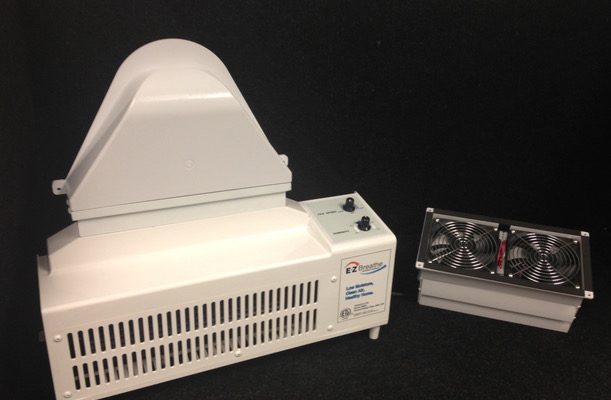
As winter approaches, most homeowners begin preparing their homes for colder temperatures. They check the furnace, seal windows, and ensure insulation is adequate. While these steps improve comfort and energy efficiency, they also contribute to a growing problem that often goes unnoticed: poor indoor air quality. With homes sealed tightly to keep heat inside, moisture and contaminants become trapped—and without proper ventilation, they accumulate quickly.
This raises an important question for homeowners: Do you really need a ventilation system? And more importantly, how do you determine if your home is one of the many that could benefit from better air exchange during cold weather?
This article explores why ventilation systems matter, how they differ from dehumidifiers or air purifiers, and how to know when winter conditions are making your home more vulnerable to air quality and moisture issues.
Why Ventilation Becomes More Important in Winter
Ventilation is necessary all year, but during winter it becomes essential. The home is sealed as much as possible to retain heat, which naturally limits airflow. Unfortunately, stagnant indoor air allows moisture, odors, and pollutants to build up to levels that can impact health and comfort.
Here are the primary reasons ventilation is more critical during the colder months:
1. Homes Stay Closed for Longer Periods
When doors and windows remain tightly closed, fresh air has no way to enter the home. Meanwhile, contaminants from everyday living, including cooking fumes, cleaning chemicals, pet dander, and moisture, have nowhere to go.
This creates an environment where stale air dominates.
2. Heating Systems Recycle the Same Air
 Your furnace does not bring in fresh air. Instead, it heats the air already inside your home and circulates it. This means:
Dust
VOCs
Mold spores
Humidity
Odors
are continually pushed throughout the home without being replaced by clean outdoor air.
3. Winter Increases Indoor Moisture Levels
Contrary to what many homeowners believe, moisture problems often worsen in winter. A sealed home traps humidity from:
Hot showers
Cooking
Laundry
Breathing
Humidifiers
Furnace operation
When warm, moisture-filled indoor air meets cold surfaces, especially in a basement, condensation forms, raising humidity and promoting mold growth.
4. Basement Air Rises Into the Home
Because of the stack effect, the air from your basement or crawlspace is constantly being pulled upward into your living areas. If that air is damp, musty, or contaminated, your entire home is breathing it.
This makes basement ventilation essential to maintaining healthy indoor air.
Common Signs That Indicate You May Need a Ventilation System
Most homes show early warning signs long before winter begins. Unfortunately, homeowners often overlook or normalize these issues because they seem minor—until the problems grow.
Here are some signs that your home may benefit from a dedicated ventilation system:
1. Persistent Musty Odors
If your basement or lower levels smell musty, you’re experiencing high humidity or mold growth. These odors rise into your home and linger without proper ventilation.
2. Condensation on Walls or Windows
When moisture appears on basement walls, concrete floors, or interior windows during winter, it’s a sign that indoor humidity is too high.
3. Air Feels Heavy or Stuffy
A lack of fresh airflow causes air to feel thick, stagnant, and uncomfortable. Even frequent cleaning won’t remove that feeling because it’s caused by moisture and pollutants.
4. Increased Allergies or Respiratory Symptoms
Poor ventilation worsens:
Allergies
Asthma
Sinus irritation
Headaches
Chronic cough
If symptoms intensify in winter, your indoor air quality may be the culprit.
5. Mold Growth or Damp Spots
Visible mold, peeling paint, soft drywall, or damp carpets indicate moisture that is not being properly removed.
6. High Humidity Levels
If your hygrometer regularly shows humidity above 50 percent in winter, there is likely insufficient ventilation.
7. Radon Test Results Are Elevated
Winter is the time when radon levels typically peak because homes are sealed. Without ventilation, radon becomes trapped and concentrated.
Why Air Purifiers and Dehumidifiers Aren’t Enough
Many homeowners assume a dehumidifier or air purifier can replace a ventilation system. While these devices help with specific issues, they do not provide complete air quality protection.
Here’s why:
Air Purifiers Filter Air but Do Not Replace It
Purifiers remove particles like dust and pollen. However, they:
Do not reduce humidity
Do not eliminate odors
Do not remove VOCs effectively
Do not address radon
Do not exchange stale air with fresher air
Your home continues breathing the same air, just cleaner to a degree.
Dehumidifiers Reduce Moisture but Not Contaminants
Dehumidifiers are useful but limited. They:
 Only remove moisture
Recirculate stale air
Require frequent maintenance
Lose efficiency in cold basements
Do not prevent radon buildup
Do not address chemicals or odors
 Only remove moisture
You may have drier air, but not healthier air.
Neither Solution Moves Contaminated Air Out of the Home
The biggest limitation of both devices is that they do not remove old air. They treat the symptoms but not the cause.
A true ventilation system replaces stale, humid indoor air with cleaner, drier air from outside. This improves the overall quality of your home’s environment and reduces long-term issues.
How Ventilation Systems Protect Your Home in Winter
A ventilation system’s purpose is simple but powerful: remove contaminated indoor air and replace it with fresher air.
Here’s how it helps:
1. Reduces Humidity at the Source
Moisture in basements and crawlspaces contributes to condensation, mold, and musty odors. Ventilation removes damp air before it spreads through the home.
2. Prevents Mold Growth and Structural Damage
By keeping humidity balanced, ventilation systems reduce the risk of:
Mold
Rotting wood
Crumbling drywall
Peeling paint
Moisture stains
This protects the long-term health of your home.
3. Eliminates Musty Odors
Instead of covering odors, ventilation removes them entirely by expelling the stale air that carries them.
4. Lowers Radon Levels Naturally
Continuous air exchange helps reduce radon concentration, especially in winter when homes are sealed tightly.
5. Improves Health and Comfort
Homeowners frequently report:
Easier breathing
Fewer allergies
Better sleep
Less congestion
More consistent comfort levels
The home feels lighter and fresher.
6. Supports More Efficient Heating
Drier air warms more efficiently. With lower humidity, heating systems don’t need to run as long, which can help reduce energy costs.
Do All Homes Need a Ventilation System?
Not every home requires mechanical ventilation, but most homes benefit from it, especially those with:
Basements
Crawlspaces
Older foundations
Poor natural airflow
Musty odors
High radon readings
Moisture issues
Winter condensation
If your home experiences any of these problems, a ventilation system can significantly improve comfort and health.
How to Determine the Right Ventilation Solution for Your Home
Before winter begins, homeowners should evaluate:
Humidity levels (ideal: 30 to 50 percent)
Radon test results
Odor presence
Mold activity
Condensation patterns
Basement conditions
If any of these factors raise concerns, a professional can help determine the appropriate ventilation strategy.
Conclusion: A Ventilation System Is One of the Most Effective Winter Upgrades
During winter, your home becomes more sealed, more humid, and more contaminated than at any other time of year. While heating systems and insulation improve energy efficiency, they also trap pollutants, moisture, and odors inside.
A ventilation system solves these problems at their source by expelling stale indoor air and replacing it with fresher, cleaner air. For many homeowners, it becomes one of the most noticeable upgrades—improving comfort, health, and overall home environment during the coldest months of the year.
If your home experiences musty odors, stale air, condensation, or humidity this winter, a ventilation system may be exactly what you need to restore balance and improve indoor air quality.
 Seven Products Now on BPI Product List