Cleveland, OH | EZ Breathe

Why Basement & Crawlspace Ventilation Is Essential for a Healthy Home

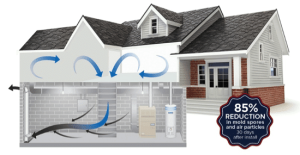
Basements, crawlspaces, and other below-grade areas are among the most overlooked spaces in a home. Homeowners often focus on living areas bedrooms, kitchens, and family rooms without realizing that the air circulating through these upper floors is deeply influenced by what happens below. Poor ventilation in basements and crawlspaces allows moisture, odors, mold spores, and pollutants to accumulate, eventually moving upward through a process known as the stack effect.

This is exactly why proper ventilation in these lower areas is not just beneficial, it’s essential. In this article, we explore why basement and crawlspace ventilation matters, how it affects health, and why solutions like the EZ Breathe Ventilation System offer a more effective, long-term approach than traditional dehumidifiers.

The Hidden Role of the Basement and Crawlspace in Indoor Air Quality

Most homeowners are surprised to learn that air quality problems inside the home rarely start in the rooms they spend time in. Instead, they often originate in the lowest levels of the structure. Because warm air rises and escapes through the roof or attic, new air is constantly pulled from below. This means that whatever exists in your basement or crawlspace humidity, mold, odors, soil gases will eventually move upward.

Why These Areas Are Vulnerable

Basements and crawlspaces are exposed to:

  • Soil moisture

  • Foundation leaks

  • Condensation on cold walls

  • Poor airflow

  • Organic materials that trap humidity (wood framing, insulation, stored items)

These conditions create the perfect environment for mold growth, musty odors, pests, and allergens. Without ventilation, these problems intensify over time.

Moisture: The Foundation of Nearly All Indoor Air Problems

Humidity is the single biggest factor affecting basement and crawlspace air quality. When these spaces hold moisture, a chain reaction begins.

1. Mold and Mildew Thrive

Mold only needs three things to grow: moisture, oxygen, and organic material—basements provide all three. Once mold becomes active, it releases spores that travel throughout the home, causing allergic reactions, respiratory irritation, and long-term health risks.

2. Dust Mites Multiply

Dust mites thrive in humidity levels above 50%. Basements with poor ventilation often hover at 60–80%, making them ideal breeding grounds. These microscopic pests are a major trigger for asthma and indoor allergies.

3. Structural Damage Can Follow

Moisture buildup eventually affects:

  • Wooden floor joists

  • Subflooring

  • Drywall

  • Insulation

  • Foundation components

Rot and deterioration weaken the home’s structure, leading to costly repairs.

4. Odors Become Permanent

Musty smells are a symptom of high humidity, stagnant air, and organic decay. Without ventilation, odors embed into carpeting, furniture, storage boxes, and HVAC ducts.

The Stack Effect: How Basement Air Travels Through the Entire Home

The stack effect is one of the most important concepts for homeowners to understand. Warm air rises and escapes through the top of the home. As that air escapes, replacement air is pulled up from lower levels—exactly where moisture and contaminants are most concentrated.

As a result:

  • Up to 40% of the air you breathe on the main floor originates from the basement or crawlspace.

  • Pollutants from these lower spaces circulate throughout the entire home.

  • Temperature and humidity become uneven because moisture moves upward.

  • Homes feel “stuffy” due to stagnant, contaminated air.

This process is constant, whether you realize it or not. And the only way to break the cycle is by improving ventilation where the problems begin.

Why Dehumidifiers Often Fall Short

Many homeowners try to combat moisture by placing dehumidifiers in their basements. While dehumidifiers have their uses, they are not a complete ventilation solution.

Limitations of Dehumidifiers

  • They only treat humidity, not pollutants.

  • They recirculate the same stale air instead of replacing it.

  • They require ongoing filter cleaning or replacement.

  • They consume a high amount of electricity.

  • They do nothing to remove odors, VOCs, or soil gases.

  • They struggle in large basements or open crawlspaces.

In other words, dehumidifiers may collect water, but they do not address the root cause of the problem: poor air exchange.

The Advantage of a Continuous Ventilation System

A true ventilation system doesn’t just dry the air; it replaces it. This is the fundamental difference that makes systems like EZ Breathe more effective than dehumidifiers.

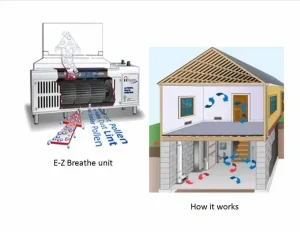
How EZ Breathe Works

The EZ Breathe Ventilation System:

  1. Pulls contaminated, moist air from the basement or crawlspace.

  2. Expels it to the outside of the home.

  3. Draws in fresher, drier air from the upper levels.

  4. Creates measurable airflow throughout the home.

  5. Reduces humidity without expensive refrigeration coils.

This continuous exchange improves indoor air quality at the source, not just temporarily.

Health Benefits of Proper Basement & Crawlspace Ventilation

1. Reduced Allergens

By lowering humidity and improving air exchange, ventilation dramatically reduces:

  • Mold spores

  • Dust mites

  • Pet dander trapped in the basement storage

  • Pollen brought in through foundation vents

2. Better Respiratory Health

Families with asthma, allergies, or sensitivity to pollutants see noticeable improvements when basement air is properly ventilated.

3. Less Risk of Mold-Related Illness

Mold exposure is linked to sinus infections, headaches, coughing, and even neurological symptoms in sensitive individuals. Improving airflow minimizes this risk.

Structural Benefits for the Home

Ventilating the basement or crawlspace also protects the home’s physical structure.

1. Drying Out Wood and Preventing Rot

A drier substructure ensures floor joists and beam supports remain strong.

2. Limiting Foundation Damage

Moisture and mold can weaken foundation materials over time. Ventilation helps maintain stable humidity levels that protect concrete and masonry.

3. PreservinBasement g Stored Items

Cardboard boxes, clothing, documents, and equipment deteriorate rapidly in damp environments. Ventilation keeps these belongings safe.

Why EZ Breathe Is a Superior Long-Term Solution

EZ Breathe is engineered specifically for below-grade air problems. Its design focuses on whole-home air exchange instead of spot-dehumidification.

Key Benefits

  • Low energy consumption compared to dehumidifiers.

  • No buckets to empty or filters to replace.

  • Serves up to the entire lower level of the home.

  • Removes odors, humidity, allergens, and pollutants simultaneously.

  • Quiet, low-maintenance operation.

  • Built-in humidity control for automatic performance.

Because it continuously replaces old air with new, the home stays fresher, drier, and healthier without constant attention.

Common Misconceptions About Ventilating Basements & Crawlspaces

“My basement doesn’t smell, so it’s fine.”

Odors often appear only after mold becomes visible. Ventilation prevents problems long before smells develop.

“I already have HVAC, so I don’t need ventilation.”

HVAC systems circulate air—they do not remove pollutants or dry out damp areas.

“Opening windows works just as well.”

Depending on climate and season, open windows can make humidity worse, not better.

FAQs

1. Does EZ Breathe replace the need for a dehumidifier?

In most homes, yes. Because it removes moisture along with stale air, EZ Breathe often eliminates the need for a dehumidifier entirely.

2. Will ventilation make my basement warmer or colder?

Ventilation creates balanced airflow, which helps stabilize temperatures rather than drastically changing them.

3. How long does the system take to improve air quality?

Many homeowners notice improvements in odors and humidity within days, with full results developing over several weeks.

4. Does EZ Breathe require professional installation?

Yes, professional installation ensures proper airflow design, vent placement, and system efficiency.

5. Is the system noisy?

No. EZ Breathe operates quietly, typically quieter than a standard bathroom fan.

Conclusion: A Healthier Home Starts Below the Surface

Basements and crawlspaces are often forgotten, but they play a crucial role in your home’s air quality, comfort, and long-term structural health. When these spaces lack ventilation, humidity rises, mold develops, odors linger, and contaminants spread through the entire home.

A continuous ventilation solution like EZ Breathe breaks the cycle by removing polluted air at the source and replacing it with fresher, drier air. The result is a healthier living environment, fewer allergens, less moisture damage, and greater peace of mind.

If you want a long-lasting, low-maintenance way to improve your home’s indoor air quality, proper basement and crawlspace ventilation—supported by a proven system like EZ Breathe—is one of the smartest investments you can make.

Integrating the EZ Breathe System With Your Home’s HVAC: Improved Air Quality, Energy Efficiency, and Low-Maintenance Ventilation

Most homeowners rely on their HVAC system tokeep their indoor environment comfortable throughout the year. Heating and cooling systems regulate temperature, filter dust, and maintain airflow in living spaces. However, they were never designed to address deeper air quality issues coming from basements, crawlspaces, garages, or other below-grade areas of the home.

This is where a dedicated ventilation system like EZ Breathe becomes essential—especially when integrated alongside an HVAC system. While HVAC handles temperature control, EZ Breathe manages moisture, odors, contaminants, and stale air at the source. The result is a healthier, fresher, more efficient home environment.

This article explains how HVAC systems work, why they often fall short in controlling moisture and pollutants, and how integrating EZ Breathe provides a whole-home solution that homeowners can rely on year-round.

Why HVAC Alone Can’t Solve Indoor Air Quality Problems

Your HVAC system plays a crucial role in comfort, but it has limitations when it comes to indoor air management.

1. HVAC Systems Recirculate the Same Indoor Air

Heating and cooling units continually recycle the air inside your home. While this helps distribute conditioned air, it does not remove pollutants. Instead, it only filters some particles and redistributes the rest.

2. HVAC Filters Cannot Capture Moisture, Odors, or VOCs

Filters trap dust but cannot eliminate:

  • Humidity

  • Mold spores hidden in lower-level spaces

  • Pet odors

  • Musty basement smells

  • Volatile organic compounds (VOCs) from chemicals

These contaminants bypass the HVAC system entirely.

3. HVAC Systems Do Not Ventilate Basements or Crawlspaces

Below-grade spaces are often disconnected from ductwork. This means stale, moist air accumulates in:

  • Basements

  • Crawlspaces

  • Garages

  • Utility rooms

That air eventually rises through the stack effect and spreads throughout the home.

4. HVAC Can Actually Amplify Moisture Problems

Air conditioning cools air but does not eliminate humidity in basements or crawlspaces. Warm summer air entering through leaks condenses on cooler surfaces, creating dampness that HVAC cannot manage.

The Benefits of Integrating EZ Breathe With Your Existing HVAC System

EZ Breathe is not a replacement for HVAC—it’s a complementary system that fills the gaps HVAC cannot. Together, they create balanced airflow, healthier indoor air, and better long-term energy performance.

1. A Complete Air Exchange System Instead of Recirculating Indoor Air

Unlike HVAC, EZ Breathe does not recycle stale air. It removes contaminated air from lower levels and replaces it with fresher, drier air from upper floors.

The result:

  • Fewer odors

  • Lower humidity

  • Better indoor air purity

  • Reduced buildup of toxins and mold spores

This improves the quality of the air your HVAC system distributes.

2. Improved Efficiency and Reduced HVAC Workload

When indoor air is fresher and less humid, HVAC systems do not need to work as hard to maintain comfort.

HVAC Efficiency Benefits Include:

  • Lower cooling costs in the summer

  • Less strain on heating equipment in winter

  • More stable temperatures throughout the home

  • Reduced energy consumption

By removing moisture at the source, EZ Breathe helps HVAC operate more efficiently.

3. Better Moisture Control Throughout the Entire Home

Moisture is responsible for many indoor air problems, and HVAC systems are not designed to manage it effectively especially in basements and crawlspaces.

What EZ Breathe Controls That HVAC Cannot:

  • High humidity caused by groundwater

  • Dampness from concrete floors

  • Moisture from poor insulation in crawlspaces

  • Condensation caused by temperature differences

  • Musty odors

  • Mold growth

With EZ Breathe running continuously, humidity becomes more stable, helping the HVAC system keep the entire home balanced.

4. A Cleaner, Healthier Home Environment

A ventilation system significantly improves indoor air quality by removing contaminants before HVAC circulates them.

Pollutants EZ Breathe Helps Reduce:

  • Mold spores

  • VOCs from chemicals, paints, and storage items

  • Allergens like dust mites

  • Radon and soil gases

  • Pet odors and dander

  • Musty smells

  • Airborne moisture

Cleaner air means better breathing, fewer allergens, and reduced health risks.

5. The Stack Effect: How EZ Breathe Enhances Whole-Home Airflow

The stack effect naturally pulls air from lower levels upward into living spaces. Without ventilation, this allows moisture and pollutants to spread through the home.

By integrating EZ Breathe with HVAC:

  • Contaminated air is exhausted before it rises

  • Fresh air is brought in through upper floors

  • HVAC circulates cleaner, drier air

  • Airflow becomes more balanced

This creates a healthier and more consistent indoor environment.

Understanding How EZ Breathe Works With Your Home’s HVAC

EZ Breathe operates by removing heavy, contaminated air while encouraging replacement air to move downward from upper levels.

Step-by-Step Integration:

  1. EZ Breathe pulls humid, stale air from the basement, crawlspace, or garage.

  2. Air is exhausted outdoors, removing pollutants and moisture.

  3. HVAC circulates the cleaner air from the living areas.

  4. Fresher air moves downward to equalize pressure.

  5. The cycle repeats continuously, improving air quality 24/7.

This synergy ensures complete air exchange something HVAC cannot accomplish alone.

Why EZ Breathe Is More Effective Than Dehumidifiers or Stand-Alone Fans

Many homeowners rely on dehumidifiers or garage fans to manage moisture and odors. While they offer partial relief, they cannot provide whole-home ventilation or integrate with HVAC systems.

Limitations of Dehumidifiers

  • Treat humidity but not odors or pollutants

  • Require filter and tank maintenance

  • Use high amounts of electricity

  • Don’t improve airflow

  • Cannot ventilate crawlspaces effectively

Limitations of Standard Fans

  • Often pull outdoor humidity inside

  • Only provide spot ventilation

  • Do not remove pollutants

  • Are noisy and energy-inefficient

EZ Breathe solves these problems by offering continuous, low-energy ventilation that integrates seamlessly with HVAC.

Situations Where EZ Breathe + HVAC Integration Provides Maximum Benefits

Homes With Damp Basements

HVAC systems cannot dry basements on their own. EZ Breathe exhausts basement moisture before it spreads upstairs.

Homes With Crawlspaces

Crawlspaces are major sources of moisture and contaminants. EZ Breathe stabilizes humidity and reduces mold growth.

Garages Connected to Living Areas

Fumes, odors, and VOCs from garages easily enter homes. Ventilation removes contaminants before HVAC circulates them.

Homes With Poor Airflow

Stagnant air leads to odors and moisture problems. EZ Breathe ensures continuous circulation.

Homes With Allergy or Asthma Concerns

Cleaner air significantly improves comfort for sensitive individuals.

Energy Efficiency: How EZ Breathe Supports a More Sustainable Home

Because EZ Breathe reduces humidity and stale air, HVAC systems run more efficiently.

Energy Advantages Include:

  • Lower cooling costs

  • Reduced heating load

  • Extended lifespan of HVAC components

  • More consistent indoor temperature

With less moisture in the air, HVAC spends less time cycling on and off.

Maintenance Benefits: A Low-Effort Solution

One of the biggest advantages of EZ Breathe is its minimal maintenance requirements.

No Filters to Replace

Unlike dehumidifiers and HVAC systems, EZ Breathe does not require regular filter changes.

No Water Tanks or Drain Lines

It exhausts moisture instead of collecting it.

Quiet, Continuous Operation

Ideal for basements, crawlspaces, and garages.

Long-Term Reliability

Designed to operate year-round with minimal homeowner involvement.

FAQs

1. Do I need to upgrade my HVAC to use EZ Breathe?

No. EZ Breathe works with any existing HVAC system without modifications.

2. Will EZ Breathe lower my energy bills?

Yes. By reducing humidity and improving airflow, HVAC systems operate more efficiently.

3. Can EZ Breathe help with mold problems?

It prevents mold growth by reducing moisture, though existing mold may need remediation first.

4. Does EZ Breathe replace a dehumidifier?

In many homes, yes, especially when integrated with HVAC.

5. How long does installation take?

Most installations are completed in a few hours by a trained professional.

A Complete, Efficient, and Healthy Indoor Environment Starts With Proper Ventilation

Your HVAC system does an excellent job managing temperature, but it cannot remove moisture, odors, or pollutants from lower levels of your home. By integrating EZ Breathe with your existing HVAC setup, you create a complete air quality solution that keeps your home healthier, drier, and more energy-efficient.

EZ Breathe manages ventilation and moisture control, while HVAC distributes cleaner air more effectively. Together, they deliver a powerful combination of comfort, health benefits, and long-term protection for your home.

If you’re looking for a low-maintenance, whole-home solution that enhances indoor air quality and supports energy efficiency, integrating EZ Breathe with your HVAC system is one of the smartest upgrades you can make.

mitigating-toxic-chemicals-ez-breathe-1

Eliminating Persistent Odors, Mold, and Allergens in Garages and Adjacent Spaces: Why Proper Ventilation Matters More Than You Think

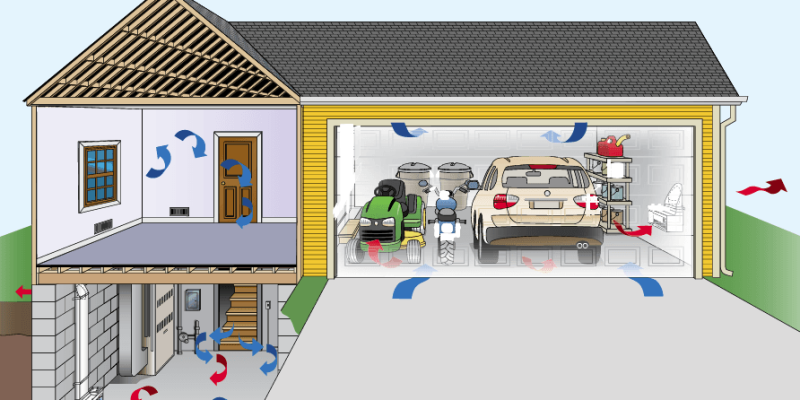
Garages, utility rooms, and other adjacent spaces are often ignored when it comes to indoor air quality. Homeowners tend to focus on basements, crawlspaces, and main living areas, assuming that garages are separate enough not to affect the rest of the house. In reality, garages are one of the biggest sources of poor indoor air quality and recurring moisture problems.

Because garages frequently contain vehicles, chemical products, tools, stored belongings, and fluctuating temperatures, they become hotspots for odors, mold growth, and allergen accumulation. What many homeowners don’t know is that the air inside a garage doesn’t stay there—contaminants easily migrate into the rest of the home through shared walls, entry doors, and the stack effect.

This article examines why garages and adjacent spaces often develop persistent odors and moisture issues, how these problems impact the entire home, and how a continuous ventilation system, such as EZ Breathe, provides a powerful, long-term solution.

Garages: The Perfect Environment for Odors and Moisture to Thrive

Garages are unique spaces within a home because they combine indoor and outdoor conditions. They are partially insulated, exposed to outdoor air, and often house items that produce fumes or off-gassing. This environment creates the ideal recipe for stale smells, moisture buildup, and unhealthy air.

Common Garage Conditions That Trigger Problems

  • Air QualityTemperature fluctuations are hot in summer, cold in winter
  • High humidity due to a lack of insulation

  • Minimal airflow

  • Storage of chemicals, paint, fuel, and cleaning products

  • Vehicles that emit fumes and exhaust residue

  • Dampness from rain, snow, or wet cars

  • Basements or living spaces directly attached

When these factors combine, garages accumulate:

  • Musty odors

  • Mold and mildew

  • Chemical fumes

  • Dust and allergens

  • Persistent dampness

Without ventilation, contaminants remain trapped and intensify.

Why Odors Become Embedded in Garages and Spread Indoors

Garages are one of the primary sources of household odors because they contain materials that continuously release volatile organic compounds (VOCs). These gases come from items like gasoline, oil, adhesives, fertilizers, stored clothing, drywall scrap, insulation, and cardboard boxes.

When VOCs accumulate, they create strong, lingering odors.

The Migration of Garage Odors into the Home

Many homeowners are surprised to learn that garage air often enters the home through:

  • Gaps around service doors

  • Air ducts connected to adjoining rooms

  • Cracks in drywall or flooring

  • Attic or crawlspace access points

  • The pressure created by the stack effect

This means contaminants do not stay isolated. They drift into hallways, laundry rooms, kitchens, and even bedrooms.

Moisture Problems in Garages: A Growing Concern

Humidity is a hidden enemy in garages. Because these spaces are not usually climate-controlled, moisture can enter easily and remain trapped.

Top Causes of Moisture Buildup

  1. Wet vehicles entering the garage
    Rain, snow, and ice melt off cars, creating puddles that boost humidity.

  2. Poor insulation and airflow
    Garages rarely have proper ventilation, allowing moisture to linger.

  3. Concrete slab absorption
    Garage floors pull moisture from both the ground and the air.

  4. No direct sunlight
    Garages stay cooler, slowing evaporation.

  5. Stored items like cardboard and fabric
    These materials absorb moisture and promote mold growth.

Signs of Excess Moisture in Garages

  • Musty smells

  • Mold on walls, ceilings, or stored items

  • Condensation on doors or windows

  • Rust on tools and metal shelves

  • Warped or damp cardboard boxes

  • Crumbling drywall

These symptoms often go unnoticed until the damage becomes advanced.

Mold Growth: One of the Biggest Risks in Garages and Adjacent Spaces

Garages provide nearly perfect conditions for mold:

  • Moisture from weather or humidity

  • Organic materials like wood, cardboard, insulation

  • Dark, enclosed corners

  • Moderate temperatures

Once mold becomes active, it spreads quickly.

Where Mold Commonly Appears

  • Behind stored boxes

  • On wooden studs

  • Around the garage door frame

  • On insulation

  • On the ceiling where warm indoor air meets cool exterior air

  • On tools or bicycles

How Mold in Garages Affects the Home

Even if mold is confined to the garage, spores can enter the home through:

  • The garage-to-house door

  • HVAC systems nearby

  • Attic or crawlspace connections

  • Air leaks around framing

This can trigger:

  • Allergies

  • Asthma flare-ups

  • Sinus problems

  • Eye and throat irritation

  • Strong odors drifting into the home

Garages should never be ignored in moisture and mold control plans.

Why Allergens Thrive in Unventilated Garage Spaces

Allergens like mold spores, dust mites, pollen, and pet dander accumulate in garages because there is limited air movement. Many homeowners store pet supplies or even allow pets to pass through the garage, increasing the allergen load.

Without Ventilation:

  • Dust accumulates on tools, shelves, and belongings

  • Mold spores multiply in humid corners

  • Pollen enters when the garage door opens and becomes trapped

  • Fumes and VOCs mix with existing allergens

This creates a cocktail of pollutants that easily travels into living spaces.

How Adjacent Spaces Are Affected

Garages rarely exist in isolation—they often connect to:

  • Laundry rooms

  • Mudrooms

  • Basements

  • Utility rooms

  • Kitchens

  • Bonus rooms above the garage

These areas absorb garage-related moisture and pollutants quickly.

Common Issues in Adjacent Areas

  • Musty odors spreading indoors

  • Mold on walls shared with the garage

  • Poor air quality in bedrooms located above garages

  • Increased dust and allergens in nearby rooms

  • Higher humidity levels affecting flooring and drywall

When homeowners notice these issues, they often focus on symptoms instead of addressing the source—the garage.

Why Traditional Solutions Don’t Fix the Problem

Many homeowners try to solve garage odors or moisture by using:

Air fresheners – Mask smells but do not remove moisture or contaminants

Opening windows – Allows humid air in during summer and cold air in winter

Portable dehumidifiers – Collect water but do not exchange stale air

Exhaust fans – Often too weak or used intermittently

Insulation upgrades – Help with temperature but do not address humidity

Garage door seals – Keep outdoor air out but trap contaminated air inside

These solutions treat isolated symptoms and rarely improve overall air quality.

Why Continuous Ventilation Is the Key to Solving Garage Moisture and Odor Problems

Garage air needs to be replaced, not recirculated. This is where a system like EZ Breathe becomes especially valuable.

How EZ Breathe Works in Garages and Adjacent Spaces

  • ez-breathe-ventilation-system-ez-breathe-ventilation-system-2Removes humid, stale air at its source

  • Pushes contaminants, fumes, and odors outside

  • Pulls in fresher, drier air from upper areas of the home

  • Prevents mold, mildew, and bacteria growth

  • Reduces VOC concentration

  • Controls humidity naturally without refrigeration coils

Because EZ Breathe runs continuously, it prevents the buildup that leads to odors and moisture damage.

Health Benefits of Ventilating Garages and Utility Areas

Improved ventilation in garages and nearby rooms results in:

  • Fewer respiratory irritants

  • Reduced mold exposure

  • Lower allergen levels

  • Better air quality throughout the home

  • A safer environment for children and pets

  • Fewer chemical fumes drifting indoors

Many families notice a difference within days of installing a ventilation system.


Structural Benefits of Proper Ventilation

Beyond air quality, ventilation also protects the home itself.

Reduces Rust and Corrosion

Tools, bicycles, and equipment last longer in a dry environment.

Protects Stored Belongings

Moisture damages cardboard, fabrics, papers, and electronics. Ventilation keeps the space dry.

Prevents Drywall and Insulation Damage

Humidity weakens garage materials over time. Proper airflow maintains stable conditions.

Stops Mold from Spreading Behind Walls

Ventilation removes moisture before it penetrates deeper structures.

Why EZ Breathe Is a Superior Choice for Garage Ventilation

EZ Breathe is designed for whole-space ventilation, not spot treatment.

Key Advantages

  • Energy-efficient operation

  • No water buckets or filters

  • Quiet and continuous airflow

  • Ideal for garages, basements, and utility rooms

  • Removes odors, moisture, allergens, and fumes simultaneously

  • Requires minimal maintenance

Because it improves air quality at the source, it also enhances comfort and air purity throughout the entire home.

FAQs

1. Can EZ Breathe be installed in a garage?

Yes. It is effective for garages, utility rooms, workshops, and adjacent spaces.

2. Will ventilation help with chemical odors?

Absolutely. EZ Breathe vents VOCs and fumes outside instead of letting them accumulate.

3. Does it reduce humidity?

Yes—by expelling humid air and replacing it with fresher, drier air.

4. Will it interfere with heating or cooling?

No. It complements your HVAC system by improving airflow and reducing pollutants.

5. Can it help with mold removal?

Ventilation prevents mold growth by managing moisture, but existing mold may require remediation first.

Conclusion: A Cleaner, Drier, Healthier Home Starts with Your Garage

Garages and adjacent spaces are often overlooked, yet they are major contributors to home moisture, odors, and pollutant levels. Because these areas lack insulation, trap humidity, and contain chemical products, they can quickly become some of the unhealthiest parts of the home. Worse yet, contaminants easily migrate into living spaces through shared walls and the natural airflow of the home.

A continuous ventilation system like EZ Breathe offers a powerful solution by removing stale, humid, and contaminated air at the source. By improving airflow, reducing moisture, and preventing mold growth, it transforms garages and connected spaces into cleaner, safer parts of the home.

If you want a long-term, low-maintenance way to control odors, humidity, and allergens starting with proper garage ventilation is one of the smartest decisions you can make.

basement-waterproofing-methods-ez-breathe-ventilation-system-1

How Seasonal Changes Affect Your Home’s Indoor Moisture (And How EZ Breathe Helps Keep It Under Control)

Seasonal weather changes dramatically shape the moisture levels inside your home. Even if you don’t notice the shift right away, temperature swings, rainfall patterns, humidity fluctuations, and atmospheric pressure all play a powerful role in how much moisture your basement, crawlspace, and living areas retain.

For many homeowners, this cycle creates ongoing challenges: musty odors in spring, sticky indoor air during summer, condensation in fall, and dry-but-damp-feeling basements in winter. While these issues may seem harmless at first, unmanaged indoor moisture can lead to serious problems like mold growth, wood rot, poor indoor air quality, and costly structural damage.

This article takes a deep look at how each season affects moisture inside your home and why a continuous ventilation system like EZ Breathe is one of the most effective long-term solutions for controlling it.

Why Homes React to Seasonal Moisture Changes

Your home is not static it’s constantly breathing. Temperature differences between indoors and outdoors cause air to move, expand, contract, and circulate. Because of this, seasonal shifts have a direct impact on humidity and moisture buildup.

Several factors contribute:

  • Moisture and Mold

    Outdoor humidity levels

  • Soil saturation after rainfall or snowmelt

  • Temperature fluctuations affecting condensation

  • Heating and cooling cycles

  • Pressure differences influencing air movement

  • The stack effect pulling lower-level air upward

Even well-sealed homes experience these changes. Understanding how each season affects moisture can help you identify early warning signs and stop humidity-related issues before they begin.

Spring: When Melting, Rain, and Ground Saturation Trigger Moisture Problems

Spring is one of the most challenging seasons for basements and crawlspaces. As winter snow melts and rainfall increases, groundwater levels rise quickly. This moisture often collects around foundations, creating a surge in indoor humidity.

Common Spring Moisture Issues

  1. Seepage through foundation cracks
    Thawing snow saturates soil, pushing water against foundation walls.

  2. Damp basement smell
    A combination of warming temperatures and trapped winter moisture creates musty odors.

  3. Condensation on walls and pipes
    Cool basement surfaces meet warmer outdoor air entering through small gaps.

  4. Mold growth spikes
    Spring provides the perfect recipe: moisture + warmth.

Why Ventilation Matters in Spring

Dehumidifiers can remove some moisture, but they do not address:

  • The stale air trapped from winter

  • Springtime allergen buildup

  • Soil gases that rise during ground saturation

A system like EZ Breathe removes the moisture-laden air at its source and replaces it with cleaner, fresher air. This continuous airflow keeps humidity from spiking during high-moisture months.

Summer: High Humidity Creates a Breeding Ground for Mold and Odors

Summer is the season when indoor humidity problems explode. Warm air holds far more moisture than cool air, so even small air leaks allow large amounts of humidity into the home.

Common Summer Moisture Problems

  1. Sticky, uncomfortable indoor air
    Excess humidity makes your home feel warmer than the thermostat indicates.

  2. High basement humidity (often 70–90%)
    Warm moist air sinks into cooler basement floors, causing condensation.

  3. Mold spreads rapidly
    Once humidity passes 60%, mold activity increases dramatically.

  4. Worsening asthma and allergies
    Damp environments help dust mites multiply.

How Ventilation Helps in Summer

Instead of recycling humid air, EZ Breathe exhausts it and replaces it with drier air from upper levels. This reduces:

  • Lower-level humidity

  • Mold growth

  • Dust mite populations

  • Odor accumulation

HVAC systems alone cannot handle high humidity in below-grade spaces. Continuous ventilation provides the missing piece.

Fall: Temperature Swings Create Condensation and Air Quality Issues

Fall is notorious for unpredictable weather—warm one day, cold the next. These rapid changes increase condensation and moisture migration, especially in basements and crawlspaces.

Common Fall Moisture Issues

  1. Condensation on walls, windows, and pipes
    Warm indoor air meets suddenly cooler surfaces.

  2. Increased musty smells
    Dampness trapped from summer begins to decay organic materials.

  3. Dust accumulation
    As windows stay closed more often, air becomes stagnant.

  4. Crawlspace moisture spikes
    Cooler outdoor temperatures slow evaporation and trap humidity.

Why Fall Is the Perfect Time for Ventilation Upgrades

Because of fluctuating conditions, fall is when trapped summer humidity begins causing measurable damage:

  • Wood begins to swell or soften

  • Subflooring becomes vulnerable

  • Stored items absorb moisture

A ventilation system like EZ Breathe helps reset indoor moisture by removing stagnant, humid air that has built up over the summer.

Winter: Cold Weather Creates a “Hidden Moisture” Problem

Winter may feel dry on the surface, but basements and crawlspaces often become damp because of the stack effect. As heated indoor air rises and escapes, new air is drawn from lower levels—pulling moisture up with it.

Common Winter Moisture Problems

  1. Condensation on cold basement walls
    Even small amounts of warm air leaking downward can create moisture.

  2. Increased radon and soil gas levels
    Winter pressure differences draw gases upward from the ground.

  3. Stuffy indoor air
    Since windows remain shut, contaminants stay trapped.

  4. Frozen pipes and thaw cycles causing leaks
    Shifts between freezing and thawing weaken plumbing in lower areas.

Why Ventilation Is Critical in Winter

Winter is when homeowners notice:

  • Respiratory irritation

  • Stronger basement smells

  • Higher radon levels

  • Dampness around foundation walls

Ventilation ensures contaminants and moisture are continually expelled instead of accumulating in enclosed spaces.

Understanding the Seasonal Moisture Cycle: The Bigger Picture

When you look at moisture patterns across the entire year, it becomes clear:

  • Spring introduces moisture through melting and rain.

  • Summer amplifies it with high humidity.

  • Fall traps it with shifting temperatures.

  • Winter circulates it through the stack effect.

This cycle repeats every year and unless moisture is controlled at the source, basements and crawlspaces will always struggle to stay dry and odor-free.

Why Traditional Moisture Solutions Fall Short

Many homeowners use temporary fixes that treat symptoms, not causes.

Common but Incomplete Options

Dehumidifiers

Remove water from the air, but:

  • Do not exchange air

  • Do not remove contaminants

  • Use high electricity

  • Are ineffective in large or open spaces

Vents and Fans

Often pull humid outdoor air directly inside, making moisture worse.

HVAC Systems

Designed for climate control, not below-grade humidity.

Sump pumps

Remove standing water but do not manage airborne moisture.

These methods can help in specific situations, but none offer a whole-home moisture solution.

How EZ Breathe Controls Moisture in Every Season

EZ Breathe works differently from traditional approaches. Instead of treating moisture after it appears, it prevents it by actively replacing damp air with drier, cleaner air.

How It Works Year-Round

  • Spring: Removes humid, odor-filled air caused by melting and rainfall

  • Summer: Eliminates hot, moisture-heavy air before it condenses

  • Fall: Balances humidity during fluctuating temperatures

  • Winter: Reduces radon, soil gases, and stale air buildup

Why EZ Breathe Is Effective Across All Seasons

  1. Continuous air exchange keeps moisture from settling.

  2. Lower-level ventilation breaks the source of humidity buildup.

  3. Energy-efficient operation avoids the high costs of dehumidifiers.

  4. No filters means no expensive maintenance.

  5. Whole-home airflow improvement enhances air quality on every floor.

Because it removes polluted, humid air at the source, EZ Breathe stabilizes indoor moisture regardless of weather changes.

Signs Your Home Is Affected by Seasonal Moisture

You may notice symptoms before you identify the cause. Common indicators include:

Spring

  • Musty odors

  • Damp walls or floors

  • Mold in corners or behind stored items

Summer

  • Sticky indoor air

  • Condensation on basement floors

  • Stronger-than-usual odors

Fall

  • Increased dust

  • Damp-smelling crawlspaces

  • Condensation during sudden cold fronts

Winter

  • Stuffy indoor air

  • Higher radon readings

  • Damp patches on foundation walls

When these problems occur season after season, ventilation, not just dehumidification, is typically the missing piece.

FAQs

basement-waterproofing-ez-breathe-ventilation-system-11. Does EZ Breathe help with seasonal allergies?

Yes. By reducing mold spores, dust mites, and stagnant air, EZ Breathe can improve seasonal allergy symptoms.

2. What if I already have a dehumidifier?

You can use both, but many homeowners find that EZ Breathe replaces their need for a dehumidifier entirely.

3. Will EZ Breathe make my home colder or warmer?

No. It stabilizes indoor humidity and airflow, helping homes feel more comfortable year-round.

4. Can it help prevent mold growth?

Absolutely. Mold requires moisture to survive. Reducing humidity interrupts its life cycle.

5. Does EZ Breathe run all year long?

Yes. It is designed for continuous use, and its energy-efficient operation makes it cost-effective to run every season.

Moisture Control Starts with Understanding Seasonal Changes

Every season introduces new moisture challenges inside your home. Spring brings excessive groundwater, summer intensifies humidity, fall traps existing moisture, and winter redistributes it through the stack effect. While traditional solutions like dehumidifiers offer short-term help, they do not address the root issue: poor airflow in below-grade areas.

EZ Breathe provides a year-round solution by removing moisture-laden air at the source and replacing it with cleaner, drier air. The result is a healthier, more comfortable, and more structurally sound home—no matter what the season brings.

basement-waterproofing-ez-breathe-ventilation-system-2

Fresh Air Made Simple: How EZ Breathe DIY Kits Transform Home Ventilation

Improving indoor air quality has never been more important. From lingering odors to excess humidity and hidden pollutants, today’s homes often trap contaminants that can affect comfort and health. The problem is that many solutions, like air purifiers and dehumidifiers, only treat symptoms temporarily. What homeowners really need is a system that addresses air quality at the source.

The EZ Breathe DIY Self-Install Kit offers that solution. It’s the same powerful ventilation technology used in professionally installed EZ Breathe systems, but designed for easy, do-it-yourself installation. With minimal tools and no specialized experience required, homeowners can take control of their air quality, creating a fresher, healthier living environment on their own schedule.

Why Proper Ventilation Matters

Indoor air is often more polluted than outdoor air, sometimes up to five times worse. Common indoor contaminants include:
  • Moisture and humidity, which lead to mold and mildew growth.

  • Dust and allergens that circulate through HVAC systems.

  • Volatile Organic Compounds (VOCs) from paints, cleaners, and household chemicals.

  • Odors from basements, crawlspaces, or garages that linger and spread.

Without proper ventilation, these pollutants accumulate, making your home’s air feel heavy, stale, or even unhealthy. That’s where EZ Breathe’s DIY kits make a difference — by continuously replacing old, contaminated air with new, fresh air.

The EZ Breathe DIY Solution

The EZ Breathe Self-Install Kit brings professional-grade results to your fingertips. Instead of waiting for installation appointments, homeowners can install their system in just a few hours using basic tools.

Here’s how it works:

  1. Air Extraction – The system removes stale, polluted air from the targeted area (like a basement or crawlspace).

  2. Air Replacement – Fresh, drier air is pulled in, reducing humidity and odors.

  3. Continuous Operation – It runs quietly 24/7, keeping air balanced and clean year-round.

  4. Maintenance-Free Design – No water tanks, no filters, no daily upkeep.

EZ Breathe creates a constant air exchange, tackling moisture, odors, and pollutants all at once — something portable devices simply can’t do.

What’s Included in Every EZ Breathe DIY Kit

Each kit comes ready to install, including:

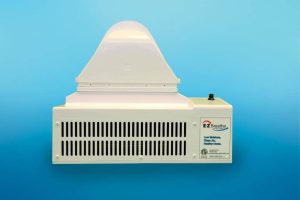
  • The EZ Breathe ventilation unit.

  • Venting and duct components.

  • Mounting hardware.

  • Detailed step-by-step installation instructions.

  • Access to customer support for technical help.

All you need are a few standard tools (a drill, screwdriver, and level), making this one of the easiest home improvement projects you’ll ever complete.

Where to Install an EZ Breathe DIY System

One of the best things about EZ Breathe is its versatility. The same system can be used to improve air in several key areas of your home:

  • Basements – Eliminate musty odors and reduce moisture buildup.

  • Crawlspaces – Stop mold and mildew while improving air circulation.

  • Garages – Remove chemical fumes and exhaust gases.

  • Laundry Rooms or Utility Areas – Prevent humidity from spreading through the house.

No matter where it’s installed, the system delivers one consistent result: cleaner, drier, healthier air.

The Benefits of Installing EZ Breathe Yourself

  • Immediate Results – Start improving your air the same day you install.

  • Cost Savings – Avoid professional labor fees while still getting high-quality results.

  • Flexibility – Install when it’s convenient for you, with support if needed.

  • Simplicity – Designed for homeowners, no technical expertise required.

  • Confidence – Understanding your system inside and out makes maintenance easier.

Real-Life Example: DIY Success Story

A homeowner in Michigan noticed persistent humidity and a musty smell in their finished basement. Rather than waiting for professional scheduling, they ordered an EZ Breathe DIY Self-Install Kit. With a few basic tools, they installed the system in under four hours.

Within 48 hours, the air felt noticeably fresher, and the smell was gone. After a week, the humidity levels dropped significantly, and they no longer needed their portable dehumidifier. The homeowner said it was one of the most rewarding weekend projects they had ever done — and one that made their entire home feel cleaner.

How EZ Breathe DIY Kits Compare to Other Air Quality Solutions

FeatureAir PurifierDehumidifierEZ Breathe DIY Kit
Moisture ControlNoYesYes
Air ExchangeNoNoYes
Odor EliminationPartialLimitedYes
Coverage AreaSingle RoomSmall AreaWhole Space
MaintenanceHighHighLow
DIY FriendlyLimitedNoYes

Unlike single-room devices, EZ Breathe offers whole-space results with none of the constant upkeep.

Step-by-Step Installation Overview

Installing your EZ Breathe system is simple, even for first-time DIYers:

  1. Select the Location: Choose a wall near an outlet and with a clear venting path to the outside.

  2. Drill and Prepare: Use the included guide to create the exterior vent opening.

  3. Mount the Unit: Secure the ventilation unit to the wall using the provided hardware.

  4. Connect the Ducting: Attach the duct from the unit to the outdoor vent.

  5. Seal and Power Up: Ensure airtight connections, plug in, and test airflow.

The instructions are designed for clarity, and the EZ Breathe support team is available if questions arise.

Professional Installation vs. DIY: What’s the Difference?

EZ Breathe gives homeowners a choice.

  • Professional Installation – Ideal for large or complex projects, or for those who prefer a done-for-you setup.

  • DIY Kits – Perfect for handy homeowners who want immediate results and complete control over the process.

Both deliver the same powerful performance, long-term reliability, and warranty-backed peace of mind.

Maintenance and Longevity

EZ Breathe systems are engineered for minimal upkeep. There are no filters to replace, no tanks to empty, and no complicated parts to maintain. Simply check periodically that the vent is clear and the system is running smoothly. Many units operate flawlessly for years with little more than that.

Frequently Asked Questions (FAQs)

ez-breathe-ventilation-system-ez-breathe-ventilation-system-31. Is the installation difficult for beginners?
Not at all. With basic tools and the included guide, most homeowners complete the setup in just a few hours.

2. Does the DIY system work as well as the professionally installed version?
Yes. Both use the exact same technology and provide identical performance.

3. What happens if I need help during installation?
EZ Breathe offers phone and online support to guide you step-by-step.

4. How soon will I notice a difference?
Many homeowners report fresher air and reduced humidity within 24–48 hours.

5. Does it replace a dehumidifier or air purifier?
In most cases, yes. EZ Breathe manages humidity and air exchange more effectively than standalone devices.

6. Is it energy-efficient?
Absolutely. It operates continuously at a fraction of the cost of running a standard dehumidifier.

Conclusion

Clean, healthy air shouldn’t be complicated and with EZ Breathe DIY Self-Install Kits, it doesn’t have to be. Designed for simplicity and performance, these systems empower homeowners to take charge of their indoor air quality with professional results and zero hassle.

By removing stale, damp air and replacing it with fresh, dry air, EZ Breathe creates a healthier environment for your family starting from the basement, crawlspace, or garage, and extending throughout your entire home.

If you’re ready to transform your home’s air without waiting for an appointment or paying for professional installation, the EZ Breathe DIY Kit is your path to fresh air made simple.

A white, rectangular laboratory instrument with a vented base and a tall, tapered top against a gray background. A cord is coiled beside it.

Why Proper Basement Ventilation Is the Key to a Healthier Home Environment

When you think about the air you breathe inside your home, the basement probably isn’t the first place that comes to mind. Yet, it’s one of the most influential areas when it comes to overall indoor air quality. A damp, poorly ventilated basement doesn’t just affect the lower level the musty odors, excess humidity, and pollutants that develop there eventually rise into your living spaces.

If your basement feels stuffy, smells musty, or frequently experiences moisture problems, your home’s air health is already being compromised. The good news is that modern ventilation systems like EZ Breathe are designed to address these issues directly, creating a continuous flow of fresh, dry air that protects your home from the ground up.

The Forgotten Role of Your Basement in Air Quality

ez-breathe-ventilation-system-ez-breathe-3Basements are unique because of their position below ground. They’re surrounded by soil, exposed to moisture, and often lack natural airflow. Over time, these conditions lead to:

  • High humidity levels that promote mold and mildew.

  • Musty odors caused by moisture and bacteria.

  • Dust, allergens, and radon gas are accumulating in the air.

  • Condensation that damages insulation, drywall, and flooring.

What many homeowners don’t realize is that the air in the basement doesn’t stay there. Through a natural process known as the stack effect, air rises throughout your home. That means up to 40% of the air you breathe upstairs can come directly from the basement.

How Poor Ventilation Affects Your Health

Without proper air exchange, basements become breeding grounds for mold spores, bacteria, and other airborne pollutants. This can have a direct impact on health, particularly for people who suffer from allergies, asthma, or respiratory conditions.

Poor ventilation can lead to:

  • Increased allergy symptoms due to mold spores and dust mites.

  • Chronic musty odors signal microbial growth.

  • Respiratory irritation from volatile organic compounds (VOCs) and radon exposure.

  • Fatigue and headaches are caused by poor air circulation and oxygen imbalance.

In short, a poorly ventilated basement doesn’t just create an unpleasant smell; it can affect how you feel every day inside your home.

Why Dehumidifiers Aren’t Enough

Many homeowners attempt to solve basement air problems with a standard dehumidifier. While these can help reduce moisture temporarily, they don’t solve the underlying issue of air stagnation.

Dehumidifiers:

  • Only recycle existing basement air instead of exchanging it with fresh air.

  • Require constant maintenance (emptying tanks, cleaning filters).

  • Cover a limited area and can’t remove gases or odors.

In contrast, a ventilation system like EZ Breathe provides a whole-space solution, exchanging the old, contaminated air for new, cleaner air while maintaining ideal humidity levels automatically.

How the EZ Breathe Basement Ventilation System Works

The EZ Breathe System is designed to create a continuous cycle of clean air throughout your basement and, by extension, your entire home.

Here’s how it works:

  1. Air Extraction: The system removes stale, damp air from the basement, venting it outdoors.

  2. Fresh Air Intake: It draws in drier, fresher air from upstairs or outside.

  3. Moisture Control: Maintaining balanced humidity levels it prevents condensation and mold growth.

  4. Pollutant Removal: EZ Breathe helps vent out allergens, odors, and even radon gas particles.

  5. Continuous Operation: Running quietly and efficiently, it keeps your basement fresh 24/7.

This creates a consistent environment where pollutants are removed, and air circulation is always active — something no dehumidifier or portable fan can achieve.

Benefits of Proper Basement Ventilation

  • Healthier Air Quality – Reduces allergens, mold spores, and humidity-related irritants.

  • Odor Elimination – Removes musty smells that linger in carpets, furniture, and fabrics.

  • Mold and Mildew Prevention – Keeps the environment dry enough to stop mold before it starts.

  • Structural Protection – Helps preserve wood framing, drywall, and insulation from moisture damage.

  • Energy Efficiency – Operates at a low cost and helps HVAC systems work more efficiently.

  • Whole-Home Impact – Cleaner basement air equals cleaner air everywhere.

Real-Life Example: A Home Reborn from the Ground Up

A homeowner in Ohio struggled with a damp basement that smelled musty year-round. Even after running two dehumidifiers, the problem persisted the air always felt heavy. After installing an EZ Breathe Basement Ventilation System, the transformation was immediate. The humidity stabilized within days, odors disappeared, and even the upstairs air felt lighter and cleaner.

Months later, the homeowner reported reduced allergy flare-ups and a noticeable improvement in comfort throughout the house. What started as a basement issue became a whole-home health upgrade.

How EZ Breathe Compares to Other Basement Air Solutions

FeatureDehumidifierAir PurifierEZ Breathe System
Moisture ControlPartialNoYes
Air ExchangeNoLimitedYes
Pollutant RemovalMinimalPartialYes
Coverage AreaSmallMediumEntire Basement
MaintenanceHighMediumLow
Energy EfficiencyModerateLowHigh

The difference is clear: EZ Breathe doesn’t just reduce symptoms, it solves the cause.

Professional Installation vs. DIY Options

EZ Breathe offers flexibility for homeowners:

  • Professional Installation ensures optimal placement, airflow balance, and seamless performance.

  • Self-Install Kits provide the same system in an easy-to-assemble format for DIY enthusiasts.

Both versions deliver identical air quality results, the only difference is who installs it.

Maintenance and Longevity

Unlike other basement solutions, EZ Breathe requires almost no upkeep. There are no filters to replace, no tanks to empty, and no frequent adjustments to make. Simply ensure the intake and exhaust areas remain clear, and the system will continue operating efficiently for years.

Frequently Asked Questions (FAQs)

not-cleaning-air-ducts-ez-breathe-31. How fast will I notice a difference in air quality?
Most homeowners report noticeable improvements in odor and humidity within a few days.

2. Can it help with existing mold problems?
EZ Breathe prevents new mold growth and helps dry out existing conditions, but existing mold should be remediated before installation.

3. Does it replace a dehumidifier?
Yes, EZ Breathe controls humidity while also providing full air exchange, which a dehumidifier can’t do.

4. Is it noisy or disruptive?
No. The system is designed for quiet, continuous operation.

5. Will it increase my energy bills?
EZ Breathe is energy-efficient, costing less to run than a standard dehumidifier.

6. Can it help with radon?
While not a radon mitigation device, EZ Breathe’s ventilation helps reduce radon concentration by exhausting basement air outdoors.

Conclusion

Your basement may be out of sight, but it should never be out of mind. The quality of air in that space affects every breath you take upstairs. Proper basement ventilation is not just about comfort — it’s about protecting your family’s health and your home’s structure.

The EZ Breathe Basement Ventilation System offers a reliable, low-maintenance, and energy-efficient solution that keeps your basement dry, your air fresh, and your entire home healthier.

When you invest in proper ventilation, you’re not just improving a room — you’re improving the air your family breathes every day. And with EZ Breathe, that transformation starts from the ground up.

Wax Melts = Diesel Exhaust?

Recent research from Purdue University found that using scented wax melts can produce indoor air pollution in the form of nanoparticles that is comparable in concentration and respiratory exposure to emissions from diesel engines. 

This finding from Purdue University challenges the perception that flameless scented products are a safer alternative to burning candles.

Unlike diesel fumes, which come from combustion, wax melts produce nanoparticles through a chemical reaction.

Scented wax melts release high levels of volatile organic compounds (VOCs), specifically fragrant compounds called terpenes, when heated. The terpenes react with naturally occurring ozone in the indoor air. The product of this reaction is new nanoparticle formation.

A study published in Environmental Science and Technology Letters found that scented wax melts created nanoparticle

concentrations similar to those emitted by gas stoves, scented candles and diesel and natural gas engines. Respiratory tract modeling showed that the particles created by wax melts resulted in dose rates comparable to those from sources like diesel engines. 

The small size to these nanoparticles allows them to penetrate deep into the lungs.

Scented wax melts also contain endocrine disruptors like phthalates, which are chemicals found in fragrances that can interfere with hormones. A 2025 American Chemical Society study highlighted that compounds released from scented wax melts can react with indoor air to form potentially harmful particles, and other research confirms volatile organic compounds (VOCs) such as formaldehyde and benzene can be released from these products.

Endocrine disruption is a huge concern as it can lead to extreme hormonal imbalances, infertility, metabolic disorders, developmental abnormalities, reduced brain function, weakening of the immune system, and even is linked to increased cancer risk.

Understanding Oregon’s Crawl Space Ventilation Law — And How EZ Breathe Can Help

state of oregon code

Crawl spaces are often out of sight and out of mind — until moisture, mold, pests, or structural decay force you to revisit what’s underneath your house. In Oregon, state and local building codes place clear requirements on crawl space ventilation (or encapsulation) to protect the home’s durability, indoor air quality, and energy efficiency. Understanding these rules is essential for builders, remodelers, and homeowners alike. In this post, we’ll explain the relevant Oregon crawl space ventilation laws, compare ventilated vs. unvented (encapsulated) crawl spaces, and illustrate how a system like EZ Breathe (ezbreathe.com) can help ensure code compliance and healthier indoor environments.

Oregon’s Crawl Space Ventilation Requirements — What the Code Says

Oregon’s crawl space rules derive from the Oregon Residential Specialty Code (ORSC), which is based on the International Residential Code (IRC) but includes Oregon-specific adaptations and errata. Below are the key provisions as they currently stand, along with county and local caveats.

Ventilated Crawl Spaces (Traditional, Passive Ventilation)

For crawl spaces that are ventilated (i.e. rely on passive air openings):

  • Minimum net ventilation area: The code requires at least 1 square foot of net vent opening for every 150 square feet of underfloor area.

  • Vapor barrier requirement: A Class 1 vapor barrier must be installed on the warm side of the insulation (i.e. on or just above the ground). If no vapor barrier is used or installed properly, the ventilation requirement cannot be reduced.

  • Cross-ventilation / placement: Vent openings should be placed on opposite sides of the crawl space to promote airflow. At least one opening should be within 3 feet of each corner of the building.

  • County exceptions / stricter rules: In certain Oregon counties — such as Baker, Clackamas, Hood River, Multnomah, Polk, Washington, and Yamhill — naturally ventilated crawl spaces in new construction may not be permitted where radon-mitigating construction is required. Reddit Also, local jurisdictions may mandate additional ventilation or limit passive vents in favor of mechanical systems. Always check with the local building inspection office.

  • Whole-house ventilation interplay: Oregon’s 2021 ORSC introduced requirements for continuous, balanced mechanical whole-house ventilation systems (WHV). These rules don’t exempt crawl space rules, but they do emphasize that homes must maintain air exchange to manage moisture and indoor air quality.

Unvented / Encapsulated Crawl Spaces

An alternative to passive ventilation is creating a sealed, conditioned (or semi-conditioned) crawl space — sometimes called “encapsulation.” When done properly, this approach can reduce moisture infiltration, improve energy efficiency, and reduce mold risk. But Oregon’s code provides specific criteria:

  • Continuous mechanical exhaust: The crawl space must have an exhaust fan operating continuously, sized at 1 cubic foot per minute (cfm) per 50 square feet of crawl space floor area.

  • Conditioned air supply: There must also be a supply of conditioned (i.e. tempered) air at the same rate — 1 cfm per 50 square feet of floor area. Effectively, the crawl becomes part of the conditioned envelope.

  • Airtightness and insulation: The perimeter walls of the crawl must be airtight and insulated to prevent condensation and pollutant intrusion.

  • Vapor barrier on exposed earth: Exposed earth in the crawl space must be covered by a Class 1 vapor retarder, with laps and sealed joints, and extended up the walls. 

  • Sealing penetrations and ducts: Any penetrations, duct seams, floor openings, access doors, etc., must be air-sealed (e.g., gasketed or caulked).

  • Radon / local constraints: Some local jurisdictions may impose further constraints or require additional mitigation (e.g., radon venting) when sealing crawl spaces.

Why These Rules Matter: Moisture, Durability & Indoor Air Quality

These code requirements are not arbitrary. Crawl spaces are prone to moisture problems: ground moisture, condensation, water intrusion, duct leaks, and air infiltration can lead to mold growth, wood rot, pest intrusion, and poor indoor air quality. In cities like Portland, the local code prohibits dwellings from having “interior dampness” and requires remediation if mold is visible.

When properly ventilated or encapsulated, crawl spaces become more stable environments, reduce humidity swings, and help preserve the structural components of the house. The rules are intended to strike a balance: enough ventilation or mechanical exchange to purge moisture, but not so much as to introduce cold air or energy inefficiency.

Challenges in Practice & Pitfalls

While the code is relatively clear, real-world implementation can be tricky. Here are some common challenges:

  1. Leakage and ineffective vapor barriers
    Even with the correct area of vents, if the vapor barrier is punctured, loosely installed, or not extended properly, it fails. That leads to moist soil gas and water vapor entering the crawl.

  2. Poor vent placement or airflow blockage
    Vents may get blocked by debris, landscaping, or structural elements. Cross-ventilation is essential — if one side is blocked, airflow stagnates.

  3. Mismatch between ventilation and supply
    In an unvented crawl, if the conditioned supply and exhaust rates are not balanced, pressure differentials can draw in unconditioned air or soil gases.

  4. Neglecting the envelope and air sealing
    Even with fans and ductwork, if the crawl perimeter is leaky, you’ll still get condensation or moisture infiltration.

  5. Unawareness of local exceptions / stricter rules
    As noted, some Oregon counties may require mechanical ventilation (disallowing passive vents) or additional mitigation in new construction. If you rely on generic IRC guidance without checking local amendments, you might fail inspection.

  6. Interactions with whole-house ventilation
    A home may meet crawl space rules but still violate the required continuous balanced whole-house ventilation as per ORSC Section M1505.4.

Given these complications, many builders, remodelers, and homeowners look for turnkey solutions or services to manage the delicate balance of moisture control, airflow, and code compliance. That’s where EZ Breathe comes in.

How EZ Breathe (ezbreathe.com) Can Help You Comply — and Improve Indoor Air

EZ Breathe is a system designed to manage crawl space ventilation, moisture, and indoor air quality in an intelligent, code-conscious way. While you’ll want to validate specific product specs or offerings with the EZ Breathe team, here are ways such a system can align with Oregon’s requirements and mitigate the typical challenges.

1. Engineered air exchange (supply + exhaust) to meet code

For unvented or encapsulated crawls, Oregon requires a continuous exhaust and conditioned supply at 1 cfm per 50 sq ft. A system like EZ Breathe can be engineered to deliver exactly that — matching the supply and exhaust rates so the crawl stays balanced. No guessing, no under- or over-venting.

2. Smart controls and monitoring

One of the risks in crawl systems is over-ventilation (drawing in cold air) or under-ventilation (failing to purge moisture). EZ Breathe can incorporate sensors (humidity, temperature, pressure) to modulate fan speeds, adjust runtime, and maintain the ideal environment automatically. That helps prevent condensation or stagnation and helps maintain compliance.

3. Sealing, air barriers, coordination with insulation

To satisfy the airtightness requirements for an encapsulated crawl, you need high-quality sealing of penetrations, ducts, access hatches, and floor openings. EZ Breathe systems are designed to work with proper sealing strategies — integrating with vapor barriers, gasketed doors, and duct sealing practices. This helps prevent infiltration of groundwater vapor or soil gases (e.g., radon) that might bypass poorly sealed elements.

4. Coordination with whole-house ventilation

Because Oregon now mandates balanced whole-house ventilation, an integrated solution is powerful. EZ Breathe can be coordinated with your home’s supply/return systems so that crawl ventilation becomes part of the overall indoor air strategy, rather than a standalone system. This helps you avoid conflicts between the crawl system and your HVAC or WHV (whole-house ventilation) system.

5. Retrofit flexibility & local code adaptation

Many existing homes have vented crawl spaces that don’t meet newer codes or suffer moisture problems. EZ Breathe offers retrofit options — converting poorly performing vented crawls into semi-conditioned, balanced environments. The adaptability to local conditions (climate, soil moisture, county-specific rules) is a major advantage.

6. Documentation and inspection support

Complying with the building code doesn’t stop at installation: you must pass inspection. Part of that is demonstrating that ventilation area, airflow rates, vapor barrier installation, and sealing meet specifications. EZ Breathe typically provides performance metrics, design documentation, and may support verification or commissioning, making it easier to satisfy building inspectors.

Sample Use Cases & Comparisons

To help illustrate how this might play out in practice, here are a few scenarios:

  • New home in Multnomah County: Passive vents may not be allowed for radon-sensitive construction. A builder uses an EZ Breathe system to seal the crawl space, add insulation, and install the required supply/exhaust air. The system is documented and inspected, allowing compliance where passive venting would fail inspection.

  • Existing home in rural Oregon with moisture problems: Homeowners have wet wood, mold, and pests. A contractor retrofits the crawl: seals vents, installs vapor barrier, and balloons supply/exhaust ducts with an EZ Breathe unit. The crawl becomes part of the conditioned envelope, resolving moisture problems and improving interior air quality.

  • Homes requiring balanced whole-house ventilation: In accordance with ORSC’s WHV requirements, EZ Breathe is integrated with the home’s HVAC/ventilation system so that crawl and living space share supply/exhaust pathways, reducing complexity and improving efficiency.

Practical Tips for Complying with Oregon’s Crawl Space Requirements

Here are some best practices to keep in mind when designing or retrofitting crawl spaces under Oregon’s code:

  1. Always double-check local codes and amendments
    While Oregon’s ORSC sets a floor, counties and municipalities can require stricter standards — especially in radon zones or flood-prone areas.

  2. Don’t treat the crawl as an afterthought
    Design the air paths, insulation, vapor barrier, and ductwork from the start to avoid moisture traps, unbalanced flows, or code conflicts.

  3. Maintain proper vapor barrier installation
    Use a Class 1 vapor retarder, extend it up walls, overlap and seal joints, and avoid punctures or gaps around penetrations.

  4. Ensure cross-ventilation or balanced airflow
    In passive designs, vents must be properly placed. In encapsulated designs, supply and exhaust must be matched and controlled.

  5. Seal all penetrations and ducts
    Use gasketed access doors, caulking, mastic, or other high-integrity sealing methods — poor sealing is often the weak link in moisture control.

  6. Integrate the crawl ventilation with whole-house strategy
    If your home has or needs balanced ventilation, design systems so they complement rather than compete.

  7. Plan for verification and commissioning
    Before passing final inspection, measure airflow (cfm), check pressure balance, inspect all sealing and continuity of vapor barrier, and document the installation. Stay vigilant about maintenance

  8. Vents can get blocked, vapor barriers can shift, sensors may drift — periodic checks ensure the system continues performing over time.

Conclusion

Oregon’s building codes set clear rules for crawl space ventilation — whether traditional passive venting or modern encapsulated systems. These rules exist to protect homes from moisture damage, mold, structural decay, and indoor air issues. The complexity arises when integrating ventilation, vapor barriers, airflow, whole-house systems, and local amendments into a reliable, inspectable installation.

That’s why solutions like EZ Breathe are valuable: they offer engineered, monitored, and documented systems that help builders and homeowners navigate the code landscape while delivering performance, reliability, and long-term protection. Whether you’re building new, renovating, or fixing a moisture problem, understanding the law is just the first step — executing a robust, compliant crawl space strategy is where the real value lies.

If you’d like help customizing language for your audience, or want assistance comparing alternate systems or preparing supporting documentation, I’d be happy to help!

indoor-air-quality-ez-breathe-ventilation-system-2

The Hidden Health Risks of Garage Fumes and the Smart Ventilation Fix

You might think of your garage as separate from your living space a place to park cars, store tools, or tackle weekend projects. But what many homeowners don’t realize is that the air in the garage is directly connected to the air inside their home. Fumes, chemicals, and moisture that accumulate in an enclosed garage can easily travel through walls, doors, and shared air ducts, spreading pollutants throughout the house.

Even with the door closed, garage fumes can silently compromise your indoor air quality. From vehicle exhaust to stored chemicals, the average garage contains dozens of pollutants that can linger long after you’ve turned off the engine. The EZ Breathe Garage Ventilation System offers a simple, continuous solution that removes these contaminants, ensuring a cleaner, safer, and healthier home environment.

Why Garage Fumes Are a Hidden Health Risk

Garages are one of the most overlooked sources of indoor air pollution. While you may notice the occasional smell of gasoline or paint, many of the harmful compounds released are invisible and more dangerous than you think.

Common Garage Pollutants

  • Carbon Monoxide (CO): Produced by car exhaust, this colorless gas can cause headaches, dizziness, or worse at high levels.

  • Benzene and Formaldehyde: Common in fuels and solvents, both are known carcinogens.

  • Volatile Organic Compounds (VOCs): Released by paints, cleaning products, and adhesives, these can irritate the eyes and lungs.

  • Particulate Matter: Dust and soot from vehicles can linger in the air and be inhaled.

  • Mold and Mildew: High humidity can promote biological contaminants that add to the problem.

Without ventilation, these pollutants accumulate and migrate indoors, affecting every breath you take.

How Garage Air Impacts Your Home

Even if you don’t spend much time in your garage, the air inside it doesn’t stay confined. Through small openings, gaps, and air ducts, contaminants travel into your living spaces.

The stack effect, a natural air movement process, draws air upward through the home. This means when polluted air enters from the garage, it’s pulled into the house and circulates through your HVAC system.

Signs That Garage Air Is Affecting Your Home

  • Lingering fuel or chemical odors near interior doors.

  • Increased allergy or asthma symptoms.

  • Condensation or discoloration on garage walls or ceilings.

  • Musty air even after cleaning.

If you notice any of these, your garage air quality is likely impacting your indoor air.

How the EZ Breathe Garage Ventilation System Works

The EZ Breathe System continuously exchanges contaminated air with fresh air, creating a balanced, healthier environment.

Here’s what makes it so effective:

  1. Air Extraction: Polluted air is drawn out of the garage and vented outdoors.

  2. Air Replacement: Cleaner air from outside or adjacent spaces replaces it.

  3. Fume and Odor Removal: Harmful gases and odors are expelled, keeping the space fresh.

  4. Moisture Control: Balanced airflow helps reduce humidity and prevent corrosion or mold.

  5. Energy Efficiency: The system runs quietly and continuously, using minimal electricity.

With EZ Breathe, you don’t just cover up smells, you remove them at their source.

Health and Home Benefits of Garage Ventilation

Proper garage ventilation doesn’t just make the space more comfortable it protects your health, your home, and your belongings.

  • Cleaner Indoor Air: Reduces harmful gases and allergens from entering your home.

  • Odor-Free Spaces: Eliminates musty, chemical, and exhaust smells.

  • Prevents Rust and Mold: Keeps humidity levels in check to protect vehicles, bikes, and tools.

  • Improves Comfort: Reduces heat buildup in summer and stale air year-round.

  • Protects Your Family: Continuous airflow helps prevent dangerous fume accumulation.

Real-Life Example: From Stale Air to Safe Air

A homeowner who frequently used their garage for woodworking noticed strong paint and varnish odors drifting into their kitchen and living room. The family began experiencing frequent headaches and irritation after projects. After installing an EZ Breathe Garage Ventilation System, the difference was immediate. The garage smelled clean, indoor air felt lighter, and the family could finally enjoy their hobbies without worrying about health effects.

Months later, they also noticed less rust on tools and a more comfortable temperature in the garage added benefits of proper ventilation.

How EZ Breathe Compares to Other Garage Solutions

FeatureCeiling FanOpen WindowsEZ Breathe System
Continuous VentilationNoNoYes
Pollutant RemovalMinimalLimitedYes
Odor EliminationPartialTemporaryYes
Moisture ControlNoNoYes
MaintenanceMediumLowLow
Energy EfficiencyLowModerateHigh

Unlike temporary solutions, EZ Breathe provides year-round air exchange, ensuring garage pollutants never have a chance to build up again.

Why Opening the Garage Door Isn’t Enough

Many homeowners assume cracking open the garage door provides enough ventilation. While that helps for a few minutes, it doesn’t remove pollutants trapped in corners, ceilings, or around stored chemicals. Once the door closes, the air quickly becomes stagnant again.

EZ Breathe ensures constant airflow, not just occasional bursts, maintaining healthy air even when the door stays shut.

Professional Installation vs. DIY Options

EZ Breathe gives homeowners flexibility:

  • Professional Installation – Ideal for garages with complex layouts or where maximum airflow placement is needed.

  • Self-Install Kits – Provide all necessary components and clear instructions for confident DIY installation.

Both deliver the same professional-grade results.

Long-Term Value and Protection

A well-ventilated garage is more than just a comfort upgrade it’s an investment in your home’s long-term value. With cleaner, drier air:

  • Vehicles experience less corrosion.

  • Tools and storage items last longer.

  • Indoor air quality improves permanently.

  • You spend less on future repairs from mold or rust.

EZ Breathe’s low energy use and maintenance-free design make it a cost-effective solution for years to come.

Frequently Asked Questions (FAQs)

1. Will EZ Breathe completely eliminate exhaust fumes?
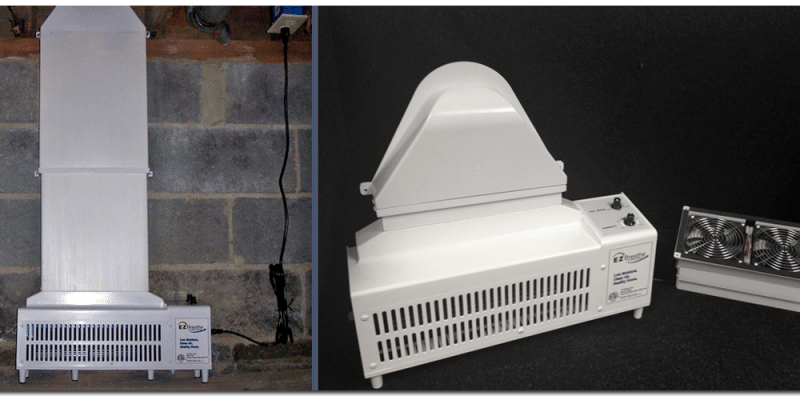
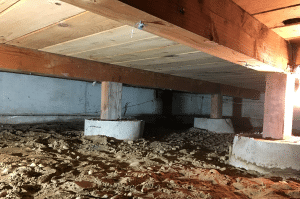
It significantly reduces them by continuously venting contaminated air outdoors.

2. Does it also control humidity?
Yes — balanced airflow keeps the garage drier and reduces moisture-related damage.

3. Can it help with chemical odors from paint or fuel?
Absolutely. EZ Breathe is designed to remove volatile organic compounds (VOCs) effectively.

4. Will it raise my energy bills?
No — it operates efficiently, costing less than running a small household appliance.

5. Do I need professional installation?
It depends on your comfort level. Many homeowners choose DIY kits; professionals are available for optimal setup.

6. How quickly will I notice results?
Most users report fresher air and reduced odors within days of installation.

Conclusion

Your garage may not be part of your main living space, but it has a powerful influence on your home’s air quality. The fumes, chemicals, and odors trapped inside can travel indoors, exposing your family to hidden pollutants every day.

With the EZ Breathe Garage Ventilation System, you can protect your home and your health with one simple, continuous solution. Designed for energy efficiency and minimal maintenance, EZ Breathe removes fumes, regulates humidity, and ensures your garage air stays as clean as the rest of your home.

It’s time to stop treating your garage as separate from your living environment because the air you breathe connects it all. With EZ Breathe, you can finally breathe safer, cleaner, and fresher air from the ground up.

mitigating-toxic-chemicals-ez-breathe-3

Crawlspace Air Problems You Can’t Ignore (and How EZ Breathe Fixes Them)

Your crawlspace may not be a place you visit often, but what happens there affects your home every single day. Hidden beneath your floors, this small, enclosed area plays a surprisingly big role in indoor air quality, humidity control, and even your home’s structural integrity.

Unfortunately, crawlspaces are often damp, dark, and poorly ventilated, the perfect breeding ground for mold, mildew, pests, and unpleasant odors. Even worse, the air from your crawlspace doesn’t stay there. It rises into your living areas through a process known as the stack effect, meaning you and your family breathe that same air.

If you’ve ever noticed a musty smell that just won’t go away, higher humidity indoors, or worsening allergy symptoms, your crawlspace might be to blame. The good news? The EZ Breathe Crawlspace Ventilation System provides a simple, effective, and low-maintenance way to fix these issues at the source.

Why Crawlspaces Are Prone to Air Problems

Crawlspaces sit directly on the ground, often with limited insulation or airflow. That makes them naturally vulnerable to moisture buildup and stagnant air. Over time, this leads to:

  • crawlspace-waterproofing-ez-breathe-ventilation-system-3High Humidity Levels – Moisture from the soil evaporates upward, raising humidity in the crawlspace and the rest of the home.

  • Mold and Mildew Growth – Excess moisture feeds mold colonies on wooden beams, insulation, and foundation walls.

  • Musty Odors – The smell of dampness and decay can spread throughout the house.

  • Structural Decay – Moisture weakens wood framing and corrodes metal supports.

  • Pest Infestation – Insects and rodents thrive in humid, undisturbed crawlspaces.

These issues don’t just stay hidden; they silently impact your home’s air and structure.

The Stack Effect: How Crawlspace Air Travels Upward

The stack effect is a natural process that causes warm air to rise and cool air to sink. As warm air escapes through the upper parts of your home, new air is drawn in from below, usually from the crawlspace.

This means that as much as 40% of the air on the first floor of your home originates from your crawlspace. If that air is full of mold spores, moisture, or allergens, it circulates throughout your living areas. Over time, it can cause health symptoms like:

  • Persistent allergies or asthma flare-ups.

  • Headaches or fatigue from poor air quality.

  • Musty odors in bedrooms or living rooms.

  • Condensation on windows or walls upstairs.

In short, if your crawlspace is damp, your entire home suffers.

How the EZ Breathe Crawlspace Ventilation System Works

EZ Breathe takes a comprehensive, whole-home approach to crawlspace ventilation. Rather than relying on passive vents or dehumidifiers, it continuously exchanges stale air for fresh air — improving conditions automatically.

Here’s how it works:

  1. Continuous Air Exchange – Stale, contaminated crawlspace air is vented outside.

  2. Fresh Air Replacement – Drier, cleaner air replaces it, improving air quality.

  3. Humidity Regulation – The system balances moisture levels to prevent mold and mildew.

  4. Pollutant Removal – Reduces allergens, odors, and even radon gas levels.

  5. Energy Efficiency – Designed to operate quietly and continuously with minimal energy use.

This constant cycle keeps your crawlspace, and your home, dry, fresh, and healthy year-round.

The Consequences of Ignoring Crawlspace Air Problems

Many homeowners underestimate how much a neglected crawlspace can cost them. Over time, unaddressed humidity and poor air circulation can lead to:

  • Foundation Repairs – Moisture can cause wood rot or cracks that require expensive fixes.

  • Rising Energy Bills – Damp air makes your HVAC system work harder to maintain temperature.

  • Persistent Odors – Musty smells that never seem to go away, no matter how much you clean.

  • Health Complaints – Allergies, coughing, and respiratory discomfort that worsen indoors.

Ventilating and drying your crawlspace is one of the smartest investments you can make in your home’s health and value.

Real-Life Example: A Crawlspace Transformation

A homeowner in North Carolina noticed that their hardwood floors were beginning to warp and that the first floor smelled musty, especially in summer. Upon inspection, the crawlspace was damp with visible mold growth.

After installing an EZ Breathe Crawlspace Ventilation System, the transformation was dramatic. Within a week, humidity levels dropped by 20%, odors disappeared, and the floors began to stabilize. The homeowner also noticed fewer allergy symptoms — proof that fresh air from below makes a difference throughout the home.

How EZ Breathe Compares to Other Crawlspace Solutions

FeaturePassive VentsDehumidifierEZ Breathe System
Moisture ControlLimitedYesYes
Air ExchangeMinimalNoYes
Odor RemovalNoPartialYes
Mold PreventionNoPartialYes
MaintenanceMediumHighLow
Energy EfficiencyLowModerateHigh

Passive vents let in outdoor humidity, while dehumidifiers only recycle the same air. EZ Breathe provides continuous, balanced airflow that keeps your crawlspace healthy without constant maintenance.

Why Dehumidifiers Aren’t Enough

Many homeowners assume that a dehumidifier will solve their crawlspace issues. While dehumidifiers can remove some moisture, they don’t address ventilation meaning pollutants and stale air remain trapped.

Dehumidifiers also require regular maintenance, electricity, and emptying water tanks. EZ Breathe, on the other hand, works automatically to exchange air, remove moisture, and eliminate the need for constant upkeep.

Professional Installation vs. DIY Setup

EZ Breathe systems can be installed professionally or as part of a DIY kit.

  • Professional Installation ensures the system is placed for maximum airflow and moisture removal.

  • DIY Self-Install Kits provide all components and easy instructions for homeowners who want flexibility.

Both options deliver the same results — clean, dry air and lasting protection for your home.

Long-Term Benefits of Crawlspace Ventilation

  • Improved Air Quality – Cleaner air in your crawlspace means cleaner air upstairs.

  • Mold and Odor Prevention – Keeps conditions too dry for mold to thrive.

  • Structural Protection – Reduces long-term damage to wooden supports and insulation.

  • Energy Efficiency – Balanced airflow helps HVAC systems run more smoothly.

  • Increased Home Value – A clean, dry crawlspace signals proper home maintenance.

Frequently Asked Questions (FAQs)

crawlspace-waterproofing-ez-breathe-ventilation-system-21. Will EZ Breathe remove mold from my crawlspace?
It won’t remove existing mold, but it prevents new growth by controlling humidity and improving airflow.

2. Can it replace my crawlspace dehumidifier?
Yes, EZ Breathe eliminates the need for a dehumidifier while providing better ventilation.

3. Is it expensive to operate?
No. The system is highly energy-efficient and costs less to run than most household appliances.

4. How soon will I notice results?
Most homeowners notice reduced odors and humidity levels within days of installation.

5. Does it work in winter?
Yes, EZ Breathe operates year-round and adjusts naturally to seasonal changes.

6. Is professional installation required?
No. You can choose between a professional setup or an easy self-install kit.

Conclusion

Ignoring your crawlspace air problems doesn’t make them disappear it allows them to spread. Moisture, mold, and poor ventilation in this hidden space affect your home’s air quality, structure, and even your health.

The EZ Breathe Crawlspace Ventilation System is a smart, low-maintenance solution that tackles these issues at the source. By continuously exchanging stale, humid air for clean, dry air, it transforms your crawlspace into a healthier foundation for your entire home.

Don’t wait until musty odors, high humidity, or mold become a costly problem. With EZ Breathe, you can breathe easier knowing your home and the air your family breathes is protected from the ground up.