


Persistent basement odors are more than just an inconvenience. While many homeowners associate musty smells with old houses or seasonal dampness, these odors often signal deeper issues related to moisture, air circulation, and indoor air quality. What makes the problem even more concerning is that basement odors rarely stay confined to the basement.
As air moves throughout a home, the conditions below ground can directly influence the air people breathe every day. Understanding the connection between basement odors, moisture, and indoor air health is essential for addressing the problem effectively and protecting the comfort of the entire home.
Why Basement Odors Develop in the First Place
Basements create a unique environment that allows odors to develop more easily than in other areas of the home. Several factors contribute to this.
Excess Moisture and Damp Conditions
Basements are surrounded by soil that retains moisture year-round. Even without visible leaks, moisture can migrate through foundation walls and floors. Over time, this moisture creates damp conditions that encourage odor-producing microbial activity.
Limited Air Circulation
Many basements lack proper airflow. Windows are rarely opened, and mechanical ventilation is often absent. Without consistent air exchange, stale air becomes trapped, allowing odors to intensify.
Organic Materials and Stored Items
Cardboard boxes, wood, fabric, and stored belongings can absorb moisture and release odors as they break down. These materials can also provide food sources for mold and mildew.
Mold and Mildew Activity
Even when mold is not visible, mold spores and microbial growth can still be present. These organisms release compounds that contribute to the characteristic musty basement smell.
How Basement Odors Affect the Air You Breathe
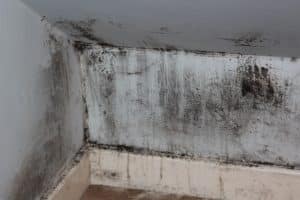 Basement odors are not just a localized issue. Due to natural air movement within a home, basement air gradually travels upward into living spaces.
This means that odors, airborne particles, and moisture from the basement can affect:
-
Living rooms and common areas
-
Bedrooms and sleeping environments
-
HVAC systems and ductwork
-
Overall indoor air freshness
Many homeowners notice unpleasant smells upstairs without realizing the basement is the source. Air fresheners may temporarily mask odors, but they do not remove the air carrying them.
The Connection Between Moisture and Indoor Air Health
Moisture plays a central role in indoor air quality. High humidity and damp conditions create an environment where pollutants thrive.
Increased Mold Spore Circulation
Moist conditions allow mold spores to remain airborne longer. These spores can spread throughout the home, affecting air quality even when visible mold is limited.
Growth of Bacteria and Microorganisms
Damp environments support bacterial growth, which can release airborne byproducts that contribute to odor and discomfort.
Impact on Respiratory Comfort
While individual sensitivities vary, poor air quality can contribute to irritation and discomfort for occupants, particularly those sensitive to airborne particles.
Maintaining balanced moisture levels and clean airflow is key to reducing these risks.
Why Masking Odors Doesn’t Solve the Problem
Sprays, candles, and plug-in air fresheners are often used to manage basement odors. While they may offer short-term relief, they do not address the cause.
Odors return because the air remains unchanged. Moisture, stagnant air, and microbial activity continue behind the scenes. Without removing and replacing the affected air, odors persist.
Effective odor control starts with improving air movement and reducing the conditions that allow odors to form.
The Role of Ventilation in Odor and Moisture Control
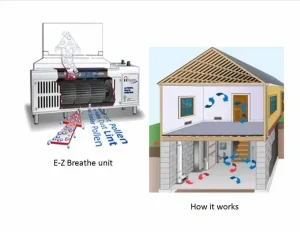
Ventilation directly addresses the root causes of basement odors by removing stale, contaminated air and replacing it with fresh air. This process helps:
-
Reduce moisture levels
-
Limit odor buildup
-
Improve air circulation
-
Support healthier indoor air conditions
Unlike passive solutions, mechanical ventilation works continuously, preventing problems from developing rather than reacting after odors appear.
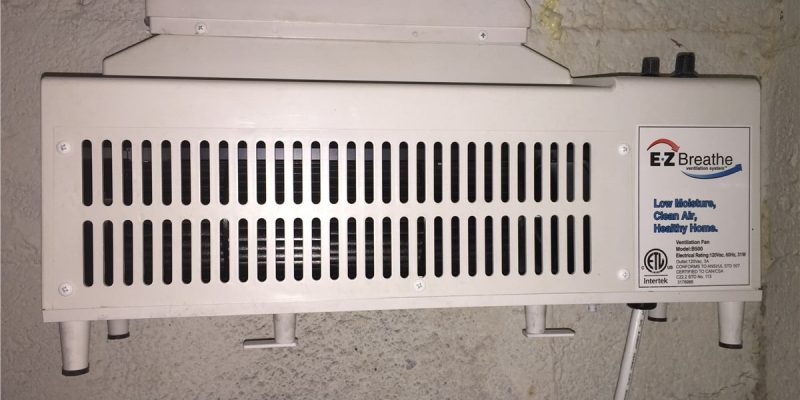
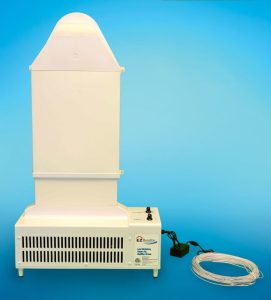
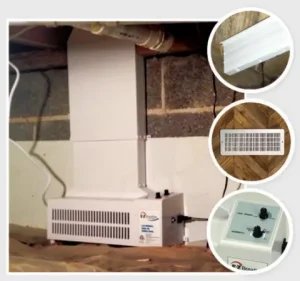
Systems like EZ Breathe are designed specifically to handle these challenges in below-grade environments.
How Continuous Ventilation Improves Indoor Air Health
Continuous ventilation provides consistent air exchange, which leads to long-term improvements in air quality.
Removal of Odor-Causing Air
By actively exhausting stale air, ventilation removes the source of odors instead of masking them.
Reduction in Excess Humidity
Replacing damp air with drier air helps control humidity and discourages microbial growth.
Fresher Air Throughout the Home
As basement air quality improves, the air circulating into upper levels becomes cleaner and more comfortable.
This steady improvement creates a noticeable difference in how the home smells and feels.
Signs That Basement Odors Are Affecting Your Home
 Homeowners may not always recognize the source of air quality problems. Common warning signs include:
-
Musty smells that come and go
-
Odors that are stronger after rain or humidity
-
Air that feels stale or heavy indoors
-
Recurring moisture issues despite cleaning
These indicators often point to underlying airflow and moisture problems rather than surface-level issues.
Why Professional Solutions Matter
Basement air quality challenges are rarely solved with one-size-fits-all solutions. Each home has unique conditions influenced by foundation design, climate, and usage.
Professional systems focus on long-term performance and consistent results. By addressing airflow and moisture together, they provide a more reliable solution than temporary measures.
Ventilation systems designed for basements operate quietly, require minimal maintenance, and integrate seamlessly into existing spaces.
Improving Basement Air Quality for the Long Term
Long-term improvement comes from prevention, not reaction. Instead of waiting for odors to appear, proactive ventilation keeps air moving and moisture in check year-round.
This approach helps protect not only the basement but also the comfort and air quality of the entire home. Over time, homeowners often notice fewer odors, more consistent humidity levels, and a fresher living environment.
Final Thoughts
Basement odors are more than a nuisance. They are often a sign of moisture and air circulation problems that can impact indoor air quality throughout the home.
By understanding the link between basement conditions and indoor air health, homeowners can make more informed decisions about long-term solutions. Continuous ventilation addresses the root of the problem by improving airflow, reducing moisture, and creating a healthier indoor environment from the ground up.
When basement air improves, the entire home benefits.
 Dehumidifiers are designed to remove excess moisture from the air. They pull in humid air, condense the moisture, and release drier air back into the space. This process can be effective in reducing relative humidity, especially in enclosed areas.
 Many homeowners rely on dehumidifiers for years without realizing why problems persist. Common situations include:
 Dehumidifiers are popular because they are easy to buy and easy to understand. High humidity is a common basement issue, and these machines are designed to pull moisture out of the air.
 Musty odors never fully go away
 Basements and lower levels:
 One of the most interesting things about continuous ventilation is how subtle the improvement can feel at first. Many homeowners simply notice that:
 Air moves through:
 However, drywall, carpeting, and furniture can trap moisture and odors. Without proper ventilation, these materials slowly absorb poor air and release it back into the space over time.
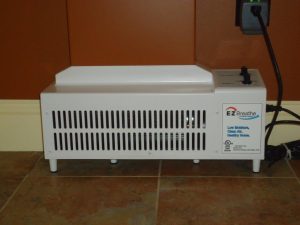 Drywall, carpeting, and furniture all absorb moisture and odors. Without ventilation, these materials can hold onto stale air and slowly release it back into the space.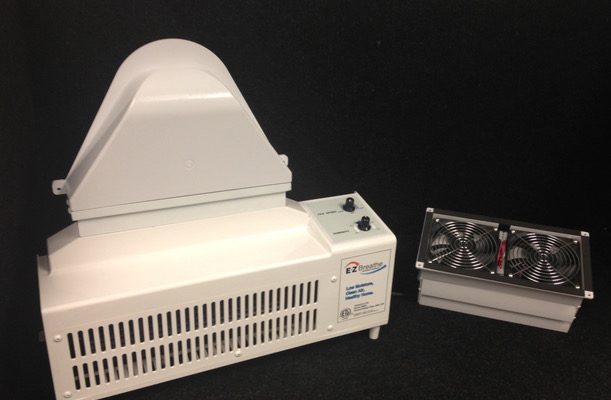
 Your furnace does not bring in fresh air. Instead, it heats the air already inside your home and circulates it. This means:
 Only remove moisture
 You see immediate improvements in air freshness
 The benefits include:
 In winter, basements often show:
 Use kitchen and bathroom exhaust fans regularly