Cleveland, OH | EZ Breathe

Why Basement & Crawlspace Ventilation Is Essential for a Healthy Home

Basements, crawlspaces, and other below-grade areas are among the most overlooked spaces in a home. Homeowners often focus on living areas bedrooms, kitchens, and family rooms without realizing that the air circulating through these upper floors is deeply influenced by what happens below. Poor ventilation in basements and crawlspaces allows moisture, odors, mold spores, and pollutants to accumulate, eventually moving upward through a process known as the stack effect.

This is exactly why proper ventilation in these lower areas is not just beneficial, it’s essential. In this article, we explore why basement and crawlspace ventilation matters, how it affects health, and why solutions like the EZ Breathe Ventilation System offer a more effective, long-term approach than traditional dehumidifiers.

The Hidden Role of the Basement and Crawlspace in Indoor Air Quality

Most homeowners are surprised to learn that air quality problems inside the home rarely start in the rooms they spend time in. Instead, they often originate in the lowest levels of the structure. Because warm air rises and escapes through the roof or attic, new air is constantly pulled from below. This means that whatever exists in your basement or crawlspace humidity, mold, odors, soil gases will eventually move upward.

Why These Areas Are Vulnerable

Basements and crawlspaces are exposed to:

  • Soil moisture

  • Foundation leaks

  • Condensation on cold walls

  • Poor airflow

  • Organic materials that trap humidity (wood framing, insulation, stored items)

These conditions create the perfect environment for mold growth, musty odors, pests, and allergens. Without ventilation, these problems intensify over time.

Moisture: The Foundation of Nearly All Indoor Air Problems

Humidity is the single biggest factor affecting basement and crawlspace air quality. When these spaces hold moisture, a chain reaction begins.

1. Mold and Mildew Thrive

Mold only needs three things to grow: moisture, oxygen, and organic material—basements provide all three. Once mold becomes active, it releases spores that travel throughout the home, causing allergic reactions, respiratory irritation, and long-term health risks.

2. Dust Mites Multiply

Dust mites thrive in humidity levels above 50%. Basements with poor ventilation often hover at 60–80%, making them ideal breeding grounds. These microscopic pests are a major trigger for asthma and indoor allergies.

3. Structural Damage Can Follow

Moisture buildup eventually affects:

  • Wooden floor joists

  • Subflooring

  • Drywall

  • Insulation

  • Foundation components

Rot and deterioration weaken the home’s structure, leading to costly repairs.

4. Odors Become Permanent

Musty smells are a symptom of high humidity, stagnant air, and organic decay. Without ventilation, odors embed into carpeting, furniture, storage boxes, and HVAC ducts.

The Stack Effect: How Basement Air Travels Through the Entire Home

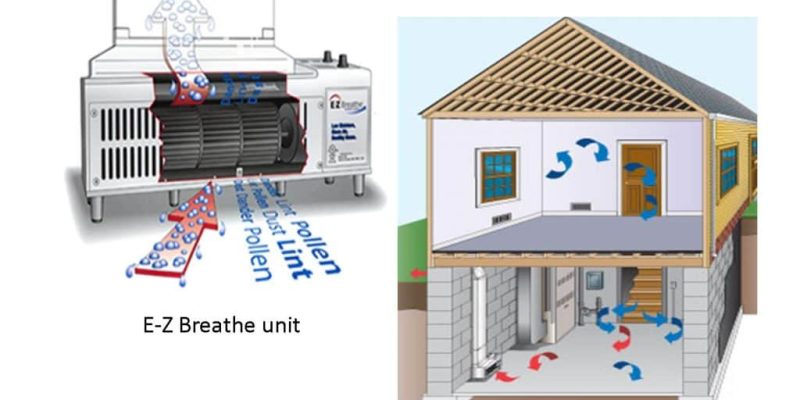
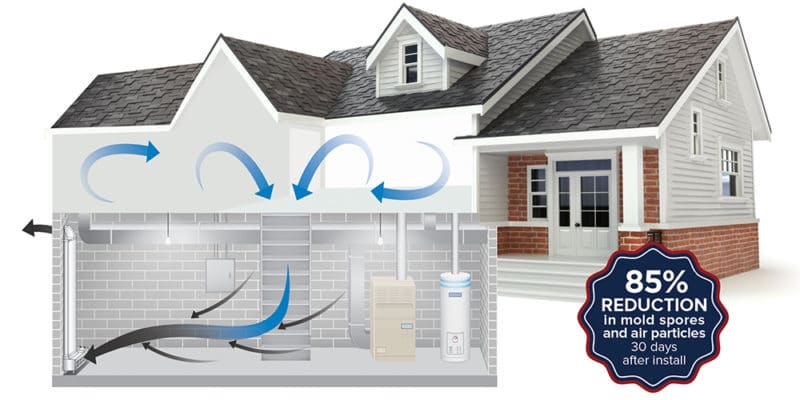
The stack effect is one of the most important concepts for homeowners to understand. Warm air rises and escapes through the top of the home. As that air escapes, replacement air is pulled up from lower levels—exactly where moisture and contaminants are most concentrated.

As a result:

  • Up to 40% of the air you breathe on the main floor originates from the basement or crawlspace.

  • Pollutants from these lower spaces circulate throughout the entire home.

  • Temperature and humidity become uneven because moisture moves upward.

  • Homes feel “stuffy” due to stagnant, contaminated air.

This process is constant, whether you realize it or not. And the only way to break the cycle is by improving ventilation where the problems begin.

Why Dehumidifiers Often Fall Short

Many homeowners try to combat moisture by placing dehumidifiers in their basements. While dehumidifiers have their uses, they are not a complete ventilation solution.

Limitations of Dehumidifiers

  • They only treat humidity, not pollutants.

  • They recirculate the same stale air instead of replacing it.

  • They require ongoing filter cleaning or replacement.

  • They consume a high amount of electricity.

  • They do nothing to remove odors, VOCs, or soil gases.

  • They struggle in large basements or open crawlspaces.

In other words, dehumidifiers may collect water, but they do not address the root cause of the problem: poor air exchange.

The Advantage of a Continuous Ventilation System

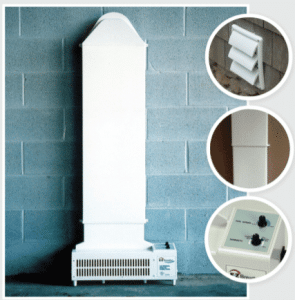
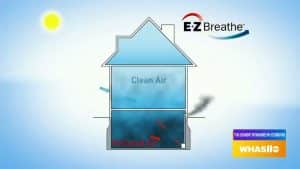
A true ventilation system doesn’t just dry the air; it replaces it. This is the fundamental difference that makes systems like EZ Breathe more effective than dehumidifiers.

How EZ Breathe Works

The EZ Breathe Ventilation System:

  1. Pulls contaminated, moist air from the basement or crawlspace.

  2. Expels it to the outside of the home.

  3. Draws in fresher, drier air from the upper levels.

  4. Creates measurable airflow throughout the home.

  5. Reduces humidity without expensive refrigeration coils.

This continuous exchange improves indoor air quality at the source, not just temporarily.

Health Benefits of Proper Basement & Crawlspace Ventilation

1. Reduced Allergens

By lowering humidity and improving air exchange, ventilation dramatically reduces:

  • Mold spores

  • Dust mites

  • Pet dander trapped in the basement storage

  • Pollen brought in through foundation vents

2. Better Respiratory Health

Families with asthma, allergies, or sensitivity to pollutants see noticeable improvements when basement air is properly ventilated.

3. Less Risk of Mold-Related Illness

Mold exposure is linked to sinus infections, headaches, coughing, and even neurological symptoms in sensitive individuals. Improving airflow minimizes this risk.

Structural Benefits for the Home

Ventilating the basement or crawlspace also protects the home’s physical structure.

1. Drying Out Wood and Preventing Rot

A drier substructure ensures floor joists and beam supports remain strong.

2. Limiting Foundation Damage

Moisture and mold can weaken foundation materials over time. Ventilation helps maintain stable humidity levels that protect concrete and masonry.

3. PreservinBasement g Stored Items

Cardboard boxes, clothing, documents, and equipment deteriorate rapidly in damp environments. Ventilation keeps these belongings safe.

Why EZ Breathe Is a Superior Long-Term Solution

EZ Breathe is engineered specifically for below-grade air problems. Its design focuses on whole-home air exchange instead of spot-dehumidification.

Key Benefits

  • Low energy consumption compared to dehumidifiers.

  • No buckets to empty or filters to replace.

  • Serves up to the entire lower level of the home.

  • Removes odors, humidity, allergens, and pollutants simultaneously.

  • Quiet, low-maintenance operation.

  • Built-in humidity control for automatic performance.

Because it continuously replaces old air with new, the home stays fresher, drier, and healthier without constant attention.

Common Misconceptions About Ventilating Basements & Crawlspaces

“My basement doesn’t smell, so it’s fine.”

Odors often appear only after mold becomes visible. Ventilation prevents problems long before smells develop.

“I already have HVAC, so I don’t need ventilation.”

HVAC systems circulate air—they do not remove pollutants or dry out damp areas.

“Opening windows works just as well.”

Depending on climate and season, open windows can make humidity worse, not better.

FAQs

1. Does EZ Breathe replace the need for a dehumidifier?

In most homes, yes. Because it removes moisture along with stale air, EZ Breathe often eliminates the need for a dehumidifier entirely.

2. Will ventilation make my basement warmer or colder?

Ventilation creates balanced airflow, which helps stabilize temperatures rather than drastically changing them.

3. How long does the system take to improve air quality?

Many homeowners notice improvements in odors and humidity within days, with full results developing over several weeks.

4. Does EZ Breathe require professional installation?

Yes, professional installation ensures proper airflow design, vent placement, and system efficiency.

5. Is the system noisy?

No. EZ Breathe operates quietly, typically quieter than a standard bathroom fan.

Conclusion: A Healthier Home Starts Below the Surface

Basements and crawlspaces are often forgotten, but they play a crucial role in your home’s air quality, comfort, and long-term structural health. When these spaces lack ventilation, humidity rises, mold develops, odors linger, and contaminants spread through the entire home.

A continuous ventilation solution like EZ Breathe breaks the cycle by removing polluted air at the source and replacing it with fresher, drier air. The result is a healthier living environment, fewer allergens, less moisture damage, and greater peace of mind.

If you want a long-lasting, low-maintenance way to improve your home’s indoor air quality, proper basement and crawlspace ventilation—supported by a proven system like EZ Breathe—is one of the smartest investments you can make.
basement-drainage-ez-breathe-3

Navigating the Depths: A Comprehensive Guide to Basement Drainage Solutions

Basements are valuable spaces in residential homes, providing additional living, storage, or recreational areas. However, they are also vulnerable to moisture infiltration, leading to a host of problems such as water damage, mold growth, and structural deterioration. Proper basement drainage is essential for managing groundwater, surface water, and other sources of moisture to prevent these issues and maintain a dry, healthy living environment. In this comprehensive guide, we’ll explore the importance of basement drainage, common drainage problems, effective drainage solutions, and tips for implementing a robust drainage system in your basement.

Understanding the Importance of Basement Drainage

Basement drainage refers to the management and removal of excess water from the basement space to prevent water infiltration and accumulation. Proper drainage is crucial for several reasons:basement-drainage-ez-breathe-1

  • Preventing Water Damage: Basements are susceptible to water infiltration from various sources, including groundwater seepage, surface runoff, and plumbing leaks. Without adequate drainage, water can penetrate through cracks in the foundation walls or floor, leading to water damage, mold growth, and structural problems.
  • Preserving Indoor Air Quality: Excess moisture in the basement can lead to high humidity levels, condensation, and mold growth, which can compromise indoor air quality and pose health risks to occupants. Proper drainage helps control moisture levels and prevent mold-related issues.
  • Protecting Property Investment: Water damage in the basement can cause costly repairs and decrease the resale value of the home. By implementing effective drainage solutions, homeowners can protect their property investment and ensure the long-term integrity of their home’s foundation and structure.

Common Basement Drainage Problems

Several factors can contribute to basement drainage problems, including:

  • Groundwater Seepage: In areas with high water tables or poor soil drainage, groundwater can seep through the foundation walls or floor, leading to water infiltration and rising dampness in the basement.
  • Surface Water Runoff: Improper grading around the home’s foundation or inadequate drainage systems can result in surface water runoff pooling around the basement perimeter, increasing the risk of water infiltration and flooding.
  • Plumbing Leaks: Leaking pipes, fixtures, or appliances in the basement can introduce water into the indoor environment, leading to moisture buildup and water damage.
  • Condensation: Lack of ventilation, insulation, or air circulation in the basement can lead to condensation buildup on surfaces, contributing to moisture-related problems and mold growth.

Effective Basement Drainage Solutions

Several drainage solutions can be implemented to address basement drainage problems and manage excess water effectively:

Exterior Waterproofing:

    • Exterior waterproofing involves applying waterproof coatings, membranes, or sealants to the exterior surface of the foundation walls to prevent water infiltration.
    • Additionally, exterior drainage systems such as French drains, curtain drains, or surface grading can be installed around the perimeter of the home to divert surface water away from the foundation.

Interior Drainage Systems:

    • Interior drainage systems, such as French drains or interior weeping tile systems, are installed within the basement to collect and channel water to a sump pump or drainage outlet.
    • These systems typically consist of perforated pipes or channels installed along the perimeter of the basement floor, surrounded by gravel or drainage matting to facilitate water flow.

Sump Pump Installation:

    • Sump pumps are commonly used in conjunction with interior drainage systems to remove collected water from the basement and discharge it safely away from the home.
    • A sump pump is installed in a designated sump pit or basin, where it automatically activates to pump water out of the basement when water levels rise above a certain threshold.

Crawl Space Encapsulation:

    • For homes with crawl spaces, encapsulation involves sealing off the space with vapor barriers, insulation, and dehumidifiers to prevent moisture buildup and improve indoor air quality.
    • This helps prevent moisture infiltration into the basement and reduces the risk of water-related issues such as mold growth and structural damage.

Foundation Repair and Maintenance:

    • Addressing cracks, gaps, or damage in the foundation walls or floor is essential for preventing water infiltration and maintaining structural integrity.
    • Foundation repair techniques such as crack sealing, epoxy injection, or foundation underpinning may be necessary to correct structural problems and prevent water leakage.

Tips for Implementing a Robust Basement Drainage System

When designing and implementing a basement drainage system, consider the following tips to ensure optimal performance and effectiveness:

  • Assess Moisture Sources: Identify and address potential sources of moisture infiltration, including groundwater seepage, surface water runoff, plumbing leaks, and condensation buildup.basement-drainage-ez-breathe-2
  • Design for Redundancy: Incorporate multiple drainage solutions and backup systems to provide redundancy and ensure continuous protection against water infiltration and flooding.
  • Proper Installation: Ensure that drainage systems, sump pumps, and other components are installed correctly and according to manufacturer specifications to maximize their effectiveness and longevity.
  • Regular Maintenance: Schedule regular inspections and maintenance of the basement drainage system, including cleaning, testing, and servicing of sump pumps, drainage channels, and discharge outlets.
  • Monitor Performance: Monitor the performance of the basement drainage system regularly, including water levels, pump operation, and moisture levels, to detect and address any issues promptly.
  • Professional Consultation: Consult with experienced waterproofing professionals or structural engineers to assess your basement drainage needs and develop a customized drainage plan tailored to your specific requirements.

Basement drainage is essential for preventing water infiltration, managing moisture levels, and protecting the structural integrity of residential homes. By understanding common basement drainage problems, implementing effective drainage solutions, and following best practices for design and maintenance, homeowners can ensure a dry, healthy, and resilient basement environment. Whether through exterior waterproofing, interior drainage systems, sump pump installation, crawl space encapsulation, or foundation repair, investing in basement drainage solutions offers long-term benefits and peace of mind. With proper drainage measures in place, homeowners

Contact the Professionals at EZ Breathe Repair Today! 866-822-7328

the-importance-of-basement-ventilation-ez-breathe-ventilation-system-3

Common Issues and Solutions in Basement Ventilation

While basement ventilation is crucial for maintaining a healthy indoor environment, many homeowners encounter common issues that hinder effective ventilation. In this article, we’ll explore some of these issues and provide practical solutions to ensure optimal basement ventilation.

Poor Air Circulation:basement-ventilation-methods-ez-breathe-1

One of the most common issues in basements is poor air circulation, leading to stagnant air and pockets of trapped moisture. This can result from inadequate ventilation systems or obstructed airflow due to clutter or furniture blocking vents and ducts.

Solution: Ensure proper airflow by keeping vents and ducts clear of obstructions. Consider installing additional exhaust fans or dehumidifiers to improve air circulation in the basement.

High Humidity Levels:

Excess humidity is a prevalent issue in basements, especially in humid climates or poorly ventilated spaces. High humidity levels can lead to mold growth, musty odors, and discomfort for occupants.

Solution: Install a dehumidification system to control moisture levels in the basement. Regularly check and maintain the system to ensure optimal performance. Additionally, consider sealing any cracks or leaks in the basement walls to prevent moisture infiltration.

Inadequate Ventilation System:

Some basements may have outdated or insufficient ventilation systems, resulting in ineffective moisture control and air quality management.

Solution: Upgrade to a modern ventilation system that meets the specific needs of your basement. Consult with a professional HVAC technician to assess your ventilation requirements and recommend the appropriate system.

Condensation on Windows and Walls:

Condensation buildup on windows and walls is a common sign of poor ventilation and excess moisture in the basement. This can lead to water damage, mold growth, and deterioration of building materials over time.

Solution: Improve ventilation by increasing airflow and reducing humidity levels in the basement. Consider installing insulated windows or applying moisture-resistant coatings to walls to prevent condensation buildup.

Musty Odors:

Musty or unpleasant odors are often indicative of mold or mildew growth in the basement, resulting from poor ventilation and excess moisture.basement-ventilation-methods-ez-breathe-2

Solution: Address the root cause of the odor by improving ventilation and controlling moisture levels. Clean and disinfect affected areas to remove mold and mildew, and implement preventive measures to avoid future growth.

By addressing these common issues and implementing effective solutions, homeowners can ensure proper ventilation and maintain a healthy and comfortable basement environment for themselves and their families.

Contact the Professionals at EZ BreatheToday!  866-822-7328

basement-ventilation-ez-breathe-3

The Importance of Basement Ventilation

Basement ventilation is a crucial aspect of maintaining a healthy and comfortable home environment. Basements are prone to high humidity levels, poor air circulation, and potential mold growth due to their below-grade location and limited access to natural light and fresh air. Proper ventilation helps mitigate these issues by promoting airflow, reducing moisture buildup, and improving indoor air quality. In this article, we’ll explore the importance of basement ventilation and its impact on overall home comfort and health.

1. Methods of Basement Ventilation

There are several methods of basement ventilation, each with its advantages and considerations. These methods include:

Natural Ventilation: Utilizing windows, vents, or doors allows fresh air to enter the basement and stale air to exit. This method relies on natural airflow and can be enhanced with strategically placed vents or fans to improve circulation.basement-ventilation-ez-breathe-1

Mechanical Ventilation: Installing mechanical ventilation systems such as exhaust fans, supply fans, or heat recovery ventilators (HRVs) to actively remove stale air and introduce fresh air into the basement. Mechanical ventilation systems are particularly effective in areas with limited natural airflow or high humidity levels.

Dehumidification: Using dehumidifiers to remove excess moisture from the air and maintain optimal humidity levels in the basement. Dehumidifiers can help prevent mold growth, reduce musty odors, and improve indoor air quality.

Sealing and Insulation: Sealing off cracks, gaps, and openings in the basement walls and floors to prevent moisture infiltration and air leakage. Insulating the basement walls and rim joists can also help regulate temperature and reduce energy costs.

2. Benefits of Basement Ventilation

Proper basement ventilation offers numerous benefits for homeowners, including:

Reduced Moisture Buildup: Ventilation helps remove excess moisture from the air, reducing the risk of condensation, mold growth, and structural damage.

Improved Indoor Air Quality: Ventilation promotes airflow and circulation, removing stale air and indoor pollutants while introducing fresh, outdoor air into the basement. This helps create a healthier living environment for occupants.

Prevention of Musty Odors: Ventilation helps eliminate musty odors caused by stagnant air, mold, or mildew, creating a more pleasant and comfortable basement space.

Enhanced Comfort: Proper ventilation helps regulate temperature and humidity levels in the basement, creating a more comfortable and livable environment for occupants.

3. Considerations for Basement Ventilation

When planning basement ventilation systems, homeowners should consider the following factors:

Size and Layout of the Basement: The size and layout of the basement will influence the choice of ventilation methods and equipment. Larger basements may require multiple vents or fans to ensure adequate airflow, while smaller basements may benefit from compact ventilation systems.

Humidity Levels: Basements with high humidity levels may require more robust ventilation systems, such as dehumidifiers or HRVs, to control moisture and prevent mold growth.basement-ventilation-ez-breathe-2

Energy Efficiency: When selecting ventilation equipment, homeowners should consider energy-efficient options to minimize operating costs and reduce environmental impact.

Maintenance Requirements: Proper maintenance is essential to ensure the effectiveness of basement ventilation systems. Homeowners should regularly clean and inspect vents, fans, and filters to keep the system running smoothly and prevent issues such as clogs or malfunctions.

In conclusion, basement ventilation is a critical aspect of maintaining a healthy, comfortable, and livable home environment. By implementing proper ventilation methods and equipment, homeowners can reduce moisture buildup, improve indoor air quality, and enhance overall home comfort. Whether through natural ventilation, mechanical ventilation, dehumidification, or sealing and insulation, investing in basement ventilation is essential for creating a safe and enjoyable living space for occupants.

Contact the Professionals at EZ Breathe Today! 866-822-7328

indoor-air-quality-ez-breathe

The Silent Menace: How Poor Indoor Air Quality Impacts Your Health

In our fast-paced lives, the significance of environmental health often goes unnoticed, specifically the air we breathe indoors. However, poor indoor air quality can have profound effects on our health, as we spend the majority of our time within the confines of buildings. This article explores the various toxins present in indoor air and sheds light on the lasting health implications associated with them.

Understanding Indoor Air Quality

In the quest to improve indoor air quality (IAQ) and lead a healthier lifestyle, it is imperative to delve deeper into the intricate web of IAQ. Beyond the seemingly innocuous air we breathe within our homes, schools, and workplaces lies a complex mixture of pollutants that can significantly impact our well-being. Let’s unravel the mysteries surrounding indoor air quality by shedding light on the diverse culprits that compromise its purity.

1. Airborne Particles: The Unseen InvadersIndoor Air Quality | Macedonia, OH | EZ Breathe

Microscopic particles suspended in the air constitute a significant threat to indoor and outdoor air quality. These particles, including dust mites, pet dander, pollen, and mold spores, can trigger allergies and respiratory issues. Understanding the sources of these airborne invaders is crucial in devising effective strategies to minimize their presence.

Common sources include poorly maintained HVAC systems, inadequate ventilation, and everyday activities like cooking and cleaning. Identifying and addressing these sources empowers individuals to take proactive steps in maintaining cleaner indoor air.

2. Ozone: Balancing Act in the Atmosphere

While ozone plays a vital role in protecting us from the sun’s harmful ultraviolet rays in the upper atmosphere, ground-level ozone can be detrimental to our health. Generated by various household appliances and even some air purifiers, excessive ozone levels can cause respiratory issues and exacerbate existing conditions like asthma.

Understanding the appliances and devices contributing to ozone emissions allows for informed decisions in selecting air purifiers and appliances that prioritize IAQ without compromising on safety.

3. Carbon Dioxide: The Silent Presence

While carbon dioxide is a natural component of the air we breathe, elevated levels can result from poor ventilation and combustion processes. High concentrations of carbon dioxide found in homes can cause drowsiness, headaches, and impaired cognitive function, making it imperative to monitor and regulate indoor levels. Effective ventilation systems, proper use of exhaust fans, and regular maintenance of combustion appliances are key strategies in managing carbon dioxide levels and ensuring a healthier indoor environment.

4. Formaldehyde: Hiding in Plain Sight

Present in many household products such as furniture, paints, and adhesives, formaldehyde is a volatile organic compound (VOC) that can off-gas and compromise indoor air quality. Prolonged exposure to formaldehyde may lead to respiratory issues and other health concerns.

Opting for low-VOC or VOC-free products, proper ventilation during and after renovation or construction, and investing in air purifiers equipped to capture VOCs are effective measures in reducing formaldehyde exposure.

5. Odors and Gases: The Unpleasant Intruders

Unpleasant odors and gases can emanate from a variety of sources, including cooking, cleaning products, and tobacco smoke. While not always harmful, these elements can contribute to discomfort and affect overall indoor and outdoor air quality.

Proactive measures such as proper ventilation, use of air purifiers with odor-eliminating capabilities, and adopting eco-friendly cleaning products contribute to a fresher indoor environment.

Understanding the intricate dynamics of indoor air quality is the cornerstone of creating a healthier living space. By recognizing and addressing the diverse culprits compromising indoor air quality problems and IAQ, individuals can make informed decisions to enhance the quality of the air they breathe, promoting overall well-being and a healthier lifestyle.

The Health Effects of Poor Indoor Air Quality

In our pursuit of a healthier lifestyle, it is paramount to comprehend the far-reaching health effects associated with poor indoor air quality (IAQ). The air we breathe within the confines of our homes can harbor a multitude of pollutants, and understanding the implications of exposure to these air contaminants is crucial for safeguarding our well-being. Let’s delve into the diverse health effects that can result from compromised IAQ, connecting the dots between the air we breathe and its impact on our health.

1. Weight Gain: The Unseen Link to Indoor Toxins

Surprisingly, poor indoor air quality has been linked to unexplained weight gain. The presence of toxins in the air can overload our bodies’ natural pathways, disrupting metabolic processes and leading to fluctuations in weight. Individuals experiencing persistent weight issues may find relief by addressing and other health problems and improving indoor air quality, thereby fostering a healthier living environment.

2. Asthma: Breathing Easier with Clean Air

The World Health Organization reports that up to 30 percent of respiratory diseases are attributed to exposure to poor indoor air. Asthma, a chronic respiratory condition, is particularly affected by indoor air pollutants. Inhalation, being the most common pathway for these pollutants, underscores the importance of maintaining clean indoor air to reduce the risk and severity of asthma attacks.

3. Depression: Clearing the Air for Mental Health

While depression is often associated with genetic predisposition and life events, studies have revealed a surprising correlation between long-term exposure to indoor toxins and depressive symptoms. The very air pollution we breathe may have a subtle yet significant impact on mental health, emphasizing the need for improved indoor air quality as a complementary strategy in addressing and managing depression.

4. Allergies: Battling Allergens for a Healthier Home

The prevalence of allergies in the United States has witnessed a significant uptick, with one of the contributing factors being higher levels of indoor toxins. Allergens present in indoor air can trigger a range of allergic reactions, including sneezing, headaches, skin rashes, swelling, fatigue, and runny noses. Effectively eliminating these allergens from fresh air is paramount for fostering a healthier home environment and mitigating the risk of developing allergies.

5. Humidity Levels: Striking the Right Balance

Maintaining optimal humidity levels is crucial for indoor air quality. Excessive moisture can lead to mold growth, while overly dry conditions can irritate respiratory passages. Exploring the significance of humidity control and implementing measures, such as dehumidifiers or humidifiers, can contribute to a more comfortable and healthier indoor air conditioning environment.

6. Radon Gas: A Stealthy Intruder

Radon, a colorless and odorless gas, can seep into buildings from the ground. Prolonged exposure to radon is a leading cause of lung cancer, making it essential to test for radon levels in homes. Understanding the sources and implementing radon mitigation strategies can help create a safer living space.

7. Volatile Organic Compounds (VOCs): The Offenders in Everyday Products

Everyday products, from cleaning supplies to furniture, release VOCs into the air. These compounds can contribute to respiratory issues and other health concerns. Exploring the common sources of VOCs and adopting practices to help reduce their impact, such as using eco-friendly products, enhances indoor air quality.

8. The Role of Houseplants: Nature’s Air Purifiers

Houseplants not only add aesthetic appeal but also serve as natural outdoor air pollution purifiers by absorbing pollutants. Exploring the types of plants that are effective in improving indoor air quality and integrating them into home decor can be a sustainable and visually pleasing approach to enhancing IAQ.

9. DIY IAQ Assessments: Empowering Homeowners

Empowering homeowners with the knowledge to conduct simple IAQ assessments can be instrumental in identifying and addressing potential issues. From assessing ventilation to checking for leaks, providing practical steps for a DIY IAQ check helps individuals take proactive measures toward a healthier living space.

10. Children and Indoor Air Quality: Nurturing Future Generations

Children are particularly vulnerable to the effects of poor indoor air quality. Exploring specific considerations of poor air quality for children, such as their respiratory health and susceptibility to allergies, emphasizes the importance of prioritizing IAQ in homes with young occupants. Implementing child-friendly IAQ practices ensures a safe and nurturing environment.

Hiring Professionals for a Healthier Indoor Environment

As we unravel the complexities of indoor air quality (IAQ), it becomes evident that achieving and maintaining a clean living space requires a comprehensive strategy. While proactive measures and lifestyle adjustments play a crucial role, sometimes it’s beneficial to enlist the expertise of professionals who specialize in creating healthier indoor environments.

  1. Professional IAQ Assessment: Initiating your journey to cleaner indoor air begins with a professional IAQ assessment. Trained professionals can conduct thorough evaluations of your living space, identifying specific pollutants, assessing ventilation systems, and detecting potential sources of contamination. This comprehensive analysis serves as the foundation for a targeted and effective action plan.
  2. Tailored IAQ Solutions: Professionals in the field of indoor air quality are equipped with knowledge about the latest technologies and solutions. They can recommend and implement tailored interventions based on the unique characteristics of your home or workplace. Whether it’s advanced air purification systems, specialized ventilation adjustments, or targeted pollutant removal strategies, professionals ensure that interventions are precisely aligned with identified IAQ challenges.
  3. Technology Integration: Incorporating cutting-edge technologies to enhance IAQ is a specialty of professionals in the field. From smart HVAC systems to advanced air purifiers, these experts can guide you in selecting and integrating technology that not only addresses current concerns but also provides ongoing monitoring and control for a sustained improvement in indoor air quality.
  4. Radon Testing and Mitigation: Professionals can conduct radon testing, an essential step in areas prone to elevated radon levels. If radon is detected, these experts can implement mitigation strategies to reduce its concentration, minimizing the risk of lung cancer associated with prolonged exposure to this colorless, odorless gas.
  5. Indoor Humidity Management: Controlling humidity levels is crucial for preventing mold growth and maintaining optimal indoor air quality. Professionals can assess your home’s humidity levels and recommend measures such as dehumidification systems to strike the right balance, ensuring a healthier living environment.
  6. Education and Guidance: Beyond immediate interventions, professionals in the IAQ industry offer valuable education and guidance. They can empower you with knowledge about ongoing maintenance, best practices for pollutant prevention, and how to make informed decisions that contribute to sustained indoor air quality improvements.
  7. Ongoing Monitoring and Support: Engaging professionals ensures a commitment to ongoing monitoring and support. Regular check-ins, follow-up assessments, and adjustments to the IAQ strategy as needed are integral parts of the service. This long-term partnership guarantees that your indoor environment remains consistently healthy.

A Comprehensive Approach to Clean Indoor Air

indoor air particles

In the quest for a healthier lifestyle, the significance of clean indoor air cannot be overstated. Our well-being is intricately tied to the quality of the air we breathe, especially considering the majority of our time is spent indoors. As we navigate the multifaceted landscape of indoor air quality (IAQ), adopting a comprehensive approach becomes paramount for achieving and maintaining a healthier living space.

Understanding the diverse pollutants and their potential health effects is the first step toward crafting a strategy for clean and acceptable indoor air quality. From microscopic airborne particles to invisible gases, each aspect demands attention and tailored solutions. The preceding sections have illuminated the various facets of IAQ, providing insights into sources, effects, and measures to mitigate potential risks.

Call-to-Action: For personalized guidance on improving indoor fresh outdoor air in quality, contact the Professionals at EZ Breathe Today! 866-822-7328. 

common waterproofing techniques-ez-breathe-3

Ventilation Systems And Why They Are A Benefit To Your Home

Ventilation Systems And Why They Are A Benefit To Your Home

Ventilation systems can play an important role in the health and comfort of your home. By providing fresh, filtered air to a room or space, ventilation systems remove stale air that is potentially filled with pollutants or allergens. It also helps to reduce humidity levels within an environment by circulating cooler air, making it easier to maintain comfortable temperatures. With the right system in place, you can create healthier and more enjoyable living spaces. When selecting a ventilation system for your home, there are several factors you should consider such as size of the area to be ventilated, desired airflow rate (in cubic feet per minute), noise level during operation, energy efficiency and cost. Additionally, you should look into whether the system provides adequate filtration and ventilation, as well as whether it can be integrated with other systems such as air conditioning or heating. Finding the right ventilation system for your home is essential in achieving a healthy and comfortable living environment. With the right ventilation system, you can create healthier and more enjoyable living spaces. Investing in a quality ventilation system is an important decision that should not be taken lightly.ventilation-systems-ez-breathe-1

Make sure to do your research so that you select the best option for your needs. With the right ventilation system, you can create healthier and more enjoyable living spaces. Make sure to do your research so that you select the best option for your needs. With the right ventilation system, you can ensure a healthier and more comfortable home. Investing in a quality ventilation system is an important decision that should not be taken lightly. Do your research and select one that fits your needs for optimal health and comfort in your home. With the right ventilation system, you can enjoy healthier, more comfortable living spaces. Investing in a quality ventilation system is an important decision that should not be taken lightly. Do your research and select one that fits your needs for optimal health and comfort in your home.ventilation-systems-ez-breathe-2

With proper ventilation, you can improve air quality, reduce energy costs, increase comfort levels, and even help protect against mold growth – all of which are beneficial to overall home health. Make sure to do your homework before investing in ventilation systems so you choose the best option for your needs and budget. The right ventilation system can help create healthier and more enjoyable living spaces – something we could all use these days! Investing in a quality ventilation system is an important decision that should not be taken lightly. Do your research and select one that fits your needs for optimal health and comfort in your home. With the right ventilation system, you can enjoy healthier, more comfortable living spaces. Invest in a quality ventilation system today and make sure to do your homework beforehand so you get the best option for your needs!

The bottom line is: ventilation systems are an essential part of creating healthy and comfortable homes. Make sure to do your research and select one that fits your needs for optimal health and comfort in your home. Investing in a quality ventilation system is an important decision that should not be taken lightly, as it will help provide you with better air quality, reduce energy costs, increase comfort levels and even potentially protect against mold growth. With the right ventilation system, you can enjoy healthier and more enjoyable living spaces – something we could all use these days! Invest in a quality ventilation system today and make sure to do your homework beforehand so you get the best option for your needs. Good ventilation systems are essential components of creating healthy homes, so don’t hesitate to invest in one today!

Contact the Professionals at EZ Breathe Today! 866-941-7256


ventilation-systems-ez-breathe-3

How to Ventilate Your Home

How to Ventilate Your Home

Proper ventilation is key to a healthy and comfortable home. It helps to regulate indoor air quality by removing excess moisture, pollutants, and airborne contaminants from home. There are many different ways to ventilate a home, and the best method will depend on the individual needs of the home. Here are some of the most common methods of home ventilation.ventilation-systems-ez-breathe-1

Natural Ventilation

Natural ventilation is one of the most energy-efficient ways to ventilate a home. It makes use of natural forces like wind and convection to move air through the home. To take advantage of natural ventilation, homes need to be designed with strategic openings that allow for cross-ventilation. This can be achieved with open windows, skylights, or other openings that allow fresh air to enter the home while stale air is expelled.

Mechanical Ventilation

Mechanical ventilation uses powered fans to force air through the home. This type of ventilation can be used in conjunction with natural ventilation or as a standalone system. Common types of mechanical ventilation include exhaust fans, whole-house fans, and heat recovery ventilators (HRVs). Exhaust fans are typically used in bathrooms and kitchens to remove moisture-laden air, while whole-house fans are used to exchange all the air in a home several times per day. HRVs are similar to whole-house fans, but they also recover some of the heat from exhausted air, making them more energy efficient.ventilation-systems-ez-breathe-2

Hybrid Ventilation Systems

Hybrid systems combine natural and mechanical ventilation to provide an effective and energy-efficient way to ventilate a home. One example of a hybrid system is an HRV that is used in conjunction with open windows. The HRV provides continuous ventilation while the windows are opened as needed to provide fresh air and expel stale air. Another example is a whole-house fan that is used in conjunction with an exhaust fan in the kitchen and bathroom. The whole-house fan provides general ventilation, while the exhaust fans remove moisture-laden air from high-use areas of the home. 

There are many different ways to ventilate a home, and the best method will depend on the individual needs of the home. Natural ventilation is one of the most energy-efficient ways to ventilate a home, but it may not be sufficient on its own in all cases. Mechanical ventilation can provide more control over indoor air quality, but it comes at the cost of increased energy usage. Hybrid systems offer a good compromise between energy efficiency and indoor air quality control.

Contact the Professionals at EZ Breathe Today! 866-822-7328