Moisture and Mold

Say Goodbye to Moisture and Mold: How EZ Breathe Ventilation Systems Protect Your Family’s Health

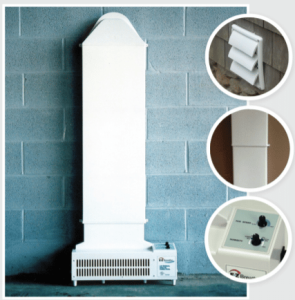
You’re no stranger to the lurking dangers of moisture and mold in your home, but have you considered the EZ Breathe Ventilation System as your secret weapon? This innovative system tirelessly expels stale, damp air, allowing fresh air to circulate, effectively reducing humidity and the risk of mold growth. Not only does it bolster the comfort of your living space, but it also greatly lessens allergy symptoms. But the perks of this system don’t stop here, there’s more to be discovered about how it can contribute to your family’s health.

Basement Ventilation Systems

In the world of basement waterproofing, ventilation systems are an integral part of maintaining a dry, healthy living space. You’ve probably heard sayings like “prevention is better than cure”. Well, that’s exactly what an EZ Breathe Ventilation System does for your basement.

It’s not just about drying out the space after the fact; it’s about creating a consistently dry environment that prevents problems from arising in the first place.

You see, when it comes to your basement, it’s all about circulation. Without proper ventilation, stale air, excess humidity, and pollutants can build up, creating an environment that’s ripe for mold, mildew, and other damaging factors. That’s where EZ Breathe steps in.

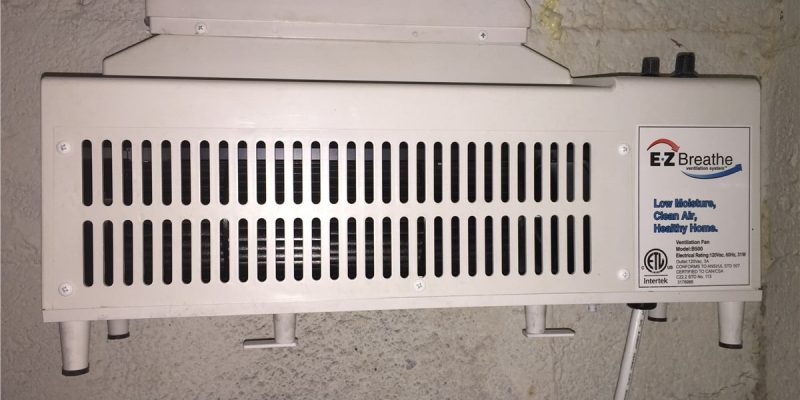
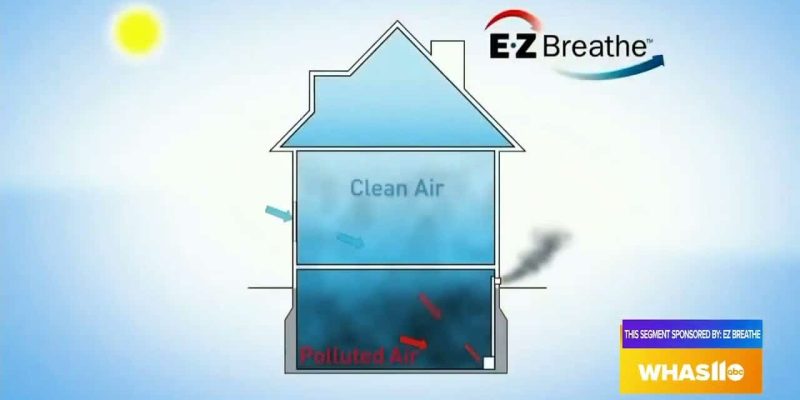
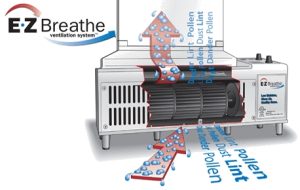
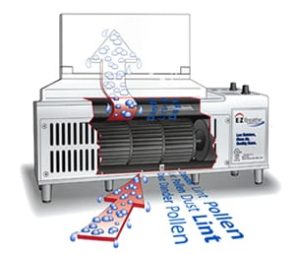
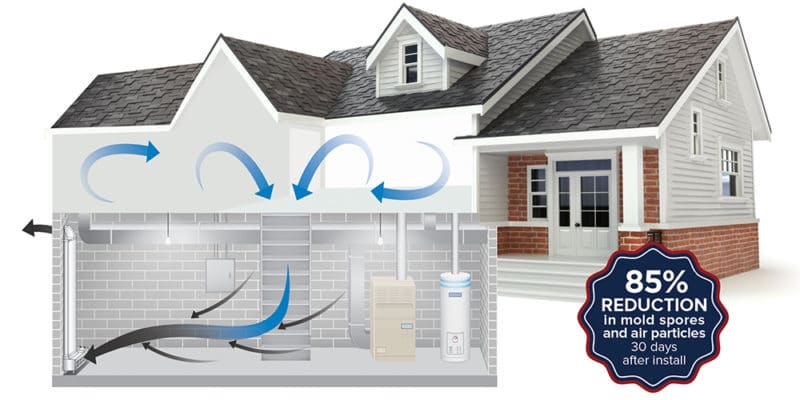
This system expels the stale air, drawing down fresh air from above, effectively combating moisture build-up and improving overall air quality.

But what makes EZ Breathe truly stand out is its efficiency. You don’t have to worry about costly energy bills, as it operates using less energy than a 40-watt light bulb.

In addition, it’s a maintenance-free system, meaning you can set it up and forget about it. As you can see, investing in an EZ Breathe Ventilation System is a decision you won’t regret.

Conclusion

You’ve now seen how the EZ Breathe Ventilation System can protect your family’s health. By continuously expelling damp, stale air, it prevents mold growth, reduces allergy symptoms, and creates a healthier living environment. Plus, its maintenance-free design provides long-lasting reliability. So, don’t let moisture and mold threaten your home’s health. Invest in an EZ Breathe System and enjoy a safer, fresher, more comfortable living space.

indoor-air-quality-ez-breathe-ventilation-system-3

A Comprehensive Guide to Better Indoor Air Quality

In recent years, increasing attention has been given to indoor air quality and its impact on health, comfort, and overall well-being. As homes become more energy-efficient and airtight, the need for effective ventilation systems becomes crucial to ensure proper air exchange, reduce moisture levels, and eliminate harmful pollutants. Among the various ventilation systems available, EZ Breathe has gained popularity as a leading solution for maintaining a healthy indoor environment. In this article, we will explore EZ Breathe, compare it with other ventilation systems, and provide a comprehensive understanding of why ventilation is essential for any home.

Understanding Indoor Air Quality (IAQ)

Before diving into EZ Breathe and other ventilation systems, it’s important to understand the concept of indoor air quality (IAQ) and why it matters. IAQ refers to the quality of air inside a building, influenced by factors such as humidity levels, pollutants, and ventilation. Poor IAQ can lead to a range of health problems, including allergies, asthma, respiratory issues, and headaches. Long-term exposure to indoor pollutants can even increase the risk of chronic illnesses.

Several common pollutants contribute to poor IAQ, including:

  • Volatile Organic Compounds (VOCs): These are chemicals emitted from everyday products such as paints, cleaning supplies, and furniture. Prolonged exposure to VOCs can irritate the eyes, nose, and throat, and in some cases, cause more serious health effects.
  • Mold and Mildew: Excess moisture can lead to the growth of mold and mildew, which not only damages property but also releases spores into the air, aggravating respiratory conditions and allergies.
  • Dust and Particulates: Dust, pet dander, and other airborne particles can accumulate in poorly ventilated spaces, making the air feel stuffy and increasing the risk of allergies.
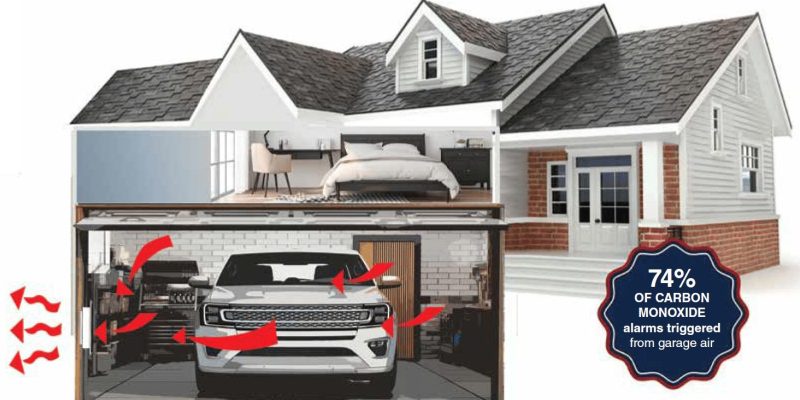
  • Carbon Dioxide (CO2) and Carbon Monoxide (CO): Poor ventilation can lead to an accumulation of carbon dioxide from human respiration and carbon monoxide from fuel-burning appliances, which are harmful in high concentrations.

A good ventilation system can significantly reduce these risks by providing adequate air exchange, removing pollutants, and maintaining healthy humidity levels.

What is EZ Breathe?

EZ Breathe is a whole-home ventilation system designed to improve indoor air quality by facilitating continuous airflow and eliminating moisture and pollutants from the home. Unlike traditional ventilation systems that rely on windows, fans, or air filters, EZ Breathe works to remove stale, polluted air from the lowest levels of the home (such as the basement or crawl space) and replace it with fresher air from above. This process helps regulate humidity, reduce allergens, and improve overall air quality throughout the entire house.indoor-air-quality-ez-breathe-ventilation-system-1

Key features of EZ Breathe include:

  1. Energy Efficiency: EZ Breathe operates efficiently without relying on heavy energy consumption. It doesn’t use fans or require complicated ductwork, making it an energy-efficient option for homeowners looking to improve air quality without skyrocketing utility bills.
  2. Moisture Control: One of the most significant advantages of EZ Breathe is its ability to control humidity levels. By removing excess moisture, it prevents the growth of mold and mildew, which thrive in damp environments. Moisture control is especially important in basements and crawl spaces, which are more susceptible to water seepage.
  3. Low Maintenance: Unlike traditional ventilation systems that require regular filter replacements and maintenance, EZ Breathe operates without filters, reducing the need for upkeep. This makes it a convenient option for homeowners who want an easy-to-manage system.
  4. Improved Air Exchange: EZ Breathe helps remove pollutants, allergens, and contaminants from the home by constantly cycling out stale air. This ensures that fresh air circulates throughout the house, leading to a healthier living environment.

How EZ Breathe Works

The EZ Breathe system works by creating air movement through natural convection, without the need for additional fans or ductwork. It pulls stale air from the basement or crawl space and vents it outside, while allowing fresh air from upper levels of the home to replace it. This process helps balance air pressure, regulate humidity, and ensure continuous air exchange throughout the home.

Here’s how the system operates in a step-by-step process:

  1. Air Removal: EZ Breathe is typically installed in the lowest part of the home, such as a basement or crawl space, where moisture and pollutants tend to accumulate. It pulls air from this area, removing it from the home and venting it outside.
  2. Air Circulation: As the system removes stale air, it creates negative air pressure, which naturally draws fresh air from the upper levels of the home to fill the space. This creates a continuous cycle of air movement.
  3. Ventilation and Moisture Control: By venting moist, polluted air outside and replacing it with fresh air, EZ Breathe helps control humidity levels. This prevents damp conditions that lead to mold growth, condensation, and musty odors.
  4. Whole-Home Benefits: Although installed in the lowest level of the home, EZ Breathe impacts the entire house by improving airflow, reducing pollutants, and balancing indoor humidity levels.

Comparing EZ Breathe with Other Ventilation Systems

While EZ Breathe is a popular choice, it’s important to compare it with other types of ventilation systems to see how it measures up.

1. Mechanical Ventilation Systems

Mechanical ventilation systems, such as HRVs (Heat Recovery Ventilators) and ERVs (Energy Recovery Ventilators), are designed to provide controlled ventilation by exchanging indoor air with outdoor air. These systems use fans and ductwork to distribute air throughout the home, often working in conjunction with HVAC systems.

  • HRVs: Heat Recovery Ventilators are designed to recover heat from the outgoing stale air and transfer it to the incoming fresh air, making them energy-efficient in colder climates.
  • ERVs: Energy Recovery Ventilators perform a similar function but also manage humidity by transferring moisture between the air streams.

Comparison:

  • Efficiency: Both HRVs and ERVs are energy-efficient and provide excellent ventilation, but they tend to be more complex and expensive to install than EZ Breathe.
  • Moisture Control: While ERVs help control humidity, EZ Breathe is specifically designed to target areas like basements where moisture problems are most common.
  • Maintenance: Mechanical ventilation systems require regular filter changes and cleaning, whereas EZ Breathe is a low-maintenance option without the need for filters.

2. Natural Ventilation

Natural ventilation relies on passive airflow through windows, doors, and vents to regulate indoor air quality. While it’s the most basic form of ventilation, it has limitations, particularly in airtight or energy-efficient homes where air circulation may be insufficient.

Comparison:

  • Cost: Natural ventilation is free, but it often leads to inconsistent results, especially in areas with extreme weather conditions.
  • Control: Unlike EZ Breathe, which provides consistent air exchange, natural ventilation depends on external factors such as wind and weather, making it less reliable.

3. Dehumidifiers

Dehumidifiers are often used to manage moisture in basements, crawl spaces, and other damp areas. They work by removing excess moisture from the air and collecting it in a reservoir, which must be emptied periodically.

Comparison:

  • indoor-air-quality-ez-breathe-ventilation-system-2Moisture Control: Dehumidifiers are effective at removing moisture, but they do not improve air circulation or remove pollutants the way EZ Breathe does.
  • Energy Consumption: Dehumidifiers typically use more electricity than EZ Breathe, especially in humid climates where they may need to run continuously.
  • Maintenance: Dehumidifiers require regular maintenance, including cleaning and emptying the water reservoir. In contrast, EZ Breathe is a set-it-and-forget-it system with minimal upkeep.

Benefits of Proper Ventilation

Investing in a ventilation system like EZ Breathe offers a range of benefits, from improved health to enhanced comfort and structural protection.

1. Improved Health

Good ventilation is crucial for maintaining healthy indoor air. By removing pollutants such as VOCs, mold spores, and allergens, ventilation systems reduce the risk of respiratory problems, allergies, and other health issues. Cleaner air contributes to better sleep, fewer headaches, and improved overall well-being.

2. Moisture Management

Proper ventilation helps control humidity levels, which is especially important in homes with basements and crawl spaces. By preventing excessive moisture buildup, ventilation systems like EZ Breathe reduce the risk of mold growth, which can cause structural damage and exacerbate health issues.

3. Energy Efficiency

Ventilation systems help regulate indoor air temperatures and humidity levels, reducing the need for air conditioning and heating. This can lead to lower energy bills and a more comfortable living environment.

4. Long-Term Protection for Your Home

Excess moisture can lead to structural damage, including wood rot, rust, and warping. Proper ventilation extends the life of your home by preventing moisture-related problems that can compromise the foundation, walls, and flooring.

Ventilation systems like EZ Breathe are essential for maintaining good indoor air quality and protecting your home from moisture and pollutants. By creating a continuous flow of fresh air and removing harmful contaminants, EZ Breathe ensures a healthier, more comfortable living environment. When compared to other ventilation options, it stands out for its simplicity, energy efficiency, and low maintenance requirements. Whether you’re looking to improve air quality, control moisture, or reduce allergens, investing in a ventilation system like EZ Breathe is a smart choice for any homeowner.

Contact the Professionals at EZ Breathe Ventilation System Today! 866-822-7328


crawlspace-waterproofing-ez-breathe-ventilation-system-1

Enhancing Indoor Air Quality with the EZ Breathe Ventilation System

Indoor air quality (IAQ) is a crucial aspect of maintaining a healthy home environment. Poor IAQ can lead to various health problems, including respiratory issues, allergies, and chronic illnesses. The EZ Breathe Ventilation System is designed to improve indoor air quality by providing effective ventilation and reducing indoor pollutants. This article explores the importance of having an EZ Breathe Ventilation System, focusing on its benefits for IAQ and overall health.

Understanding Indoor Air Quality

Indoor air quality refers to the condition of the air inside buildings, particularly as it relates to the health and comfort of occupants. Common indoor pollutants include dust, mold spores, volatile organic compounds (VOCs), radon, and carbon monoxide. These pollutants can accumulate due to inadequate ventilation, leading to a range of health issues.

  1. Health Implications of Poor IAQ:ez-breathe-ventilation-system-ez-breathe-3
  • Respiratory Issues: Poor IAQ can exacerbate asthma and other respiratory conditions. Dust, mold spores, and VOCs are common triggers for respiratory problems.
  • Allergies: Indoor allergens such as dust mites, pet dander, and mold can cause or worsen allergic reactions.
  • Chronic Illnesses: Long-term exposure to indoor pollutants can lead to serious health problems, including chronic obstructive pulmonary disease (COPD) and even cancer.
  1. Factors Affecting IAQ:
  • Inadequate Ventilation: Without proper ventilation, indoor air can become stale and polluted.
  • High Humidity: Excess moisture in the air can lead to mold growth and other humidity-related problems.
  • Building Materials: Some building materials release VOCs, which can negatively impact IAQ.

The Role of the EZ Breathe Ventilation System

The EZ Breathe Ventilation System is designed to address the common issues associated with poor IAQ by providing effective ventilation and moisture control. It works by exchanging indoor air with fresh outdoor air, thereby reducing the concentration of indoor pollutants.

  1. Ventilation:
  • Continuous Air Exchange: The EZ Breathe System continuously exchanges indoor air with fresh outdoor air, preventing the buildup of pollutants.
  • Improved Air Circulation: By improving air circulation, the system ensures that fresh air reaches all areas of the home, reducing the concentration of pollutants.
  1. Moisture Control:

Benefits of the EZ Breathe Ventilation System

  1. Health Benefits:
  • Reduced Respiratory Problems: Improved IAQ can help reduce respiratory issues and improve overall lung health.
  • Allergy Relief: By reducing indoor allergens, the system can alleviate symptoms for allergy sufferers.
  • Enhanced Comfort: Improved air quality leads to a more comfortable living environment, free from stale air and unpleasant odors.
  1. Environmental Benefits:
  • Energy Efficiency: The EZ Breathe System is energy efficient, using minimal power to provide continuous ventilation. This can help reduce overall energy consumption.
  • Sustainable Living: By improving IAQ and reducing the need for additional air purification devices, the system contributes to a more sustainable living environment.
  1. Property Protection:
  • Structural Integrity: Controlling humidity levels helps prevent moisture-related damage to the home’s structure, such as wood rot and mold growth.
  • Preservation of Furnishings: Reduced humidity and improved air quality can help preserve furniture, electronics, and other household items.

Installation and Maintenance

The EZ Breathe Ventilation System is designed for easy installation and minimal maintenance, making it an ideal choice for homeowners looking to improve their IAQ.

  1. Easy Installation:
  • Professional Installation: While the system is easy to install, professional installation ensures optimal performance and longevity.
  • Versatility: The EZ Breathe System can be installed in various areas of the home, including basements, crawlspaces, and living areas.
  1. Low Maintenance:ez-breathe-ventilation-system-ez-breathe-2
  • Minimal Upkeep: The system requires minimal maintenance, with no filters to change or replace.
  • Long-Term Reliability: Built with durable components, the EZ Breathe System is designed for long-term reliability and performance.

The EZ Breathe Ventilation System offers a comprehensive solution for improving indoor air quality and creating a healthier living environment. By providing effective ventilation and moisture control, the system reduces indoor pollutants, alleviates health issues, and protects the home’s structure. Its easy installation and low maintenance make it a practical choice for homeowners committed to enhancing their IAQ. Investing in an EZ Breathe Ventilation System is a proactive step towards ensuring a comfortable, healthy, and sustainable living space.

Contact the Professionals at EZ Breathe Today! 866-822-7328

ez-breathe-ventilation-system-ez-breathe-3

The Comprehensive Benefits of the EZ Breathe Ventilation System for Modern Homes

Modern homes are designed to be energy-efficient, often resulting in tightly sealed environments that can trap indoor pollutants. While this efficiency is beneficial for reducing energy costs, it can negatively impact indoor air quality (IAQ). The EZ Breathe Ventilation System addresses this issue by enhancing ventilation and improving IAQ. This article explores the comprehensive benefits of the EZ Breathe Ventilation System for modern homes.

The Challenge of Modern Home Design

Energy-efficient home designs focus on reducing air leakage, which can inadvertently lead to poor IAQ. The lack of natural ventilation can result in the accumulation of indoor pollutants and increased humidity levels.

  1. Energy Efficiency vs. IAQ:ez-breathe-ventilation-system-ez-breathe-1
  • Tight Sealing: Modern homes are constructed with tight seals to prevent energy loss, but this also limits natural ventilation.
  • Pollutant Accumulation: Without adequate ventilation, pollutants such as VOCs, radon, and mold spores can accumulate indoors.
  • Humidity Issues: High humidity levels can lead to mold growth and other moisture-related problems.

How the EZ Breathe Ventilation System Works

The EZ Breathe Ventilation System is designed to improve IAQ in modern homes by providing continuous ventilation and effective moisture control.

  1. Continuous Ventilation:
  • Air Exchange: The system continuously exchanges indoor air with fresh outdoor air, ensuring a constant supply of clean air.
  • Pollutant Reduction: By removing stale air and introducing fresh air, the system reduces the concentration of indoor pollutants.
  1. Moisture Control:
  • Humidity Regulation: The EZ Breathe System helps maintain optimal humidity levels, preventing the conditions that promote mold growth.
  • Mold Prevention: By controlling moisture, the system reduces the risk of mold and mildew, which can negatively impact IAQ.

Key Benefits of the EZ Breathe Ventilation System

  1. Health and Wellness:
  • Improved Respiratory Health: By reducing indoor pollutants, the system helps improve respiratory health and reduce the incidence of asthma and allergies.
  • Allergy Relief: The system effectively reduces indoor allergens, providing relief for individuals with allergies and sensitivities.
  • Enhanced Comfort: A consistent supply of fresh air enhances overall comfort and well-being, creating a healthier living environment.
  1. Energy Efficiency:
  • Complementing Modern Design: The EZ Breathe System enhances the energy efficiency of modern homes by improving ventilation without compromising energy conservation.
  • Cost Savings: The system’s energy-efficient design helps reduce energy consumption, leading to cost savings on utility bills.
  1. Structural Protection:
  • Preventing Moisture Damage: Effective moisture control helps protect the home’s structure from moisture-related damage, such as wood rot and mold growth.
  • Preservation of Belongings: By maintaining optimal humidity levels, the system helps preserve furniture, electronics, and other household items.
  1. Environmental Impact:
  • Sustainable Living: The EZ Breathe System promotes sustainable living by improving IAQ without relying on energy-intensive air purification systems.
  • Reduced Carbon Footprint: The system’s energy-efficient design contributes to a reduced carbon footprint, supporting environmentally friendly practices.

Installation and Operation

The EZ Breathe Ventilation System is designed for ease of installation and operation, making it an ideal choice for homeowners seeking to improve IAQ.

  1. Installation:
  • Professional Installation: While the system can be installed by homeowners, professional installation ensures optimal performance and proper integration with existing systems.
  • Versatility: The EZ Breathe System can be installed in various areas of the home, including basements, crawlspaces, and living areas.
  1. Operation:
  • User-Friendly Design: The system is designed for easy operation, with minimal adjustments required once installed.
  • Low Maintenance: The EZ Breathe System requires minimal maintenance, with no filters to replace and simple upkeep procedures.

Enhancing Home Value

Investing in an EZ Breathe Ventilation System can enhance the value of a home by improving its overall health and livability.

  1. Market Appeal:ez-breathe-ventilation-system-ez-breathe-2
  • Desirable Feature: Homes equipped with advanced ventilation systems are more appealing to buyers, particularly those concerned with IAQ and health.
  • Increased Resale Value: Improved IAQ and energy efficiency can contribute to a higher resale value, making the home more competitive in the real estate market.
  1. Long-Term Investment:
  • Health Benefits: The health benefits provided by the system can lead to reduced medical expenses and improved quality of life.
  • Cost Savings: The energy efficiency of the EZ Breathe System can result in long-term savings on utility bills, offsetting the initial investment.

The EZ Breathe Ventilation System offers a comprehensive solution for improving indoor air quality in modern homes. By providing continuous ventilation and effective moisture control, the system addresses the challenges associated with energy-efficient home design. Its benefits extend beyond health and wellness, encompassing energy efficiency, structural protection, and environmental sustainability. Easy installation and low maintenance make the EZ Breathe System a practical choice for homeowners committed to creating a healthier living environment. Investing in this advanced ventilation system is a proactive step towards ensuring a comfortable, safe, and valuable home.

Contact the Professionals at EZ Breathe Today! 866-822-7328

ez-breathe-ventilation-system-ez-breathe-3

The Role of the EZ Breathe Ventilation System in Preventing Mold and Mildew

Mold and mildew are common problems in homes, particularly in areas with high humidity levels. These issues can lead to a range of health problems and structural damage. The EZ Breathe Ventilation System offers an effective solution for preventing mold and mildew by improving indoor air quality (IAQ) and controlling moisture levels. This article explores the role of the EZ Breathe Ventilation System in mold and mildew prevention, highlighting its benefits and best practices for maintaining a healthy home environment.

Understanding Mold and Mildew

Mold and mildew are types of fungi that thrive in damp, humid environments. They can grow on various surfaces, including walls, ceilings, and floors, and can spread quickly if not addressed.

  1. Health Risks:
  • Respiratory Issues: Exposure to mold spores can cause respiratory problems, including asthma and allergies.
  • Allergic Reactions: Mold exposure can trigger allergic reactions, such as sneezing, coughing, and skin irritation.
  • Chronic Illnesses: Long-term exposure to mold can lead to serious health issues, including chronic respiratory conditions and weakened immune systems.
  1. Structural Damage:
  • Wood Rot: Mold can cause wood to rot, compromising the structural integrity of the home.
  • Damage to Building Materials: Mold can damage drywall, insulation, and other building materials, leading to costly repairs.
  • Aesthetic Issues: Mold growth can cause unsightly stains and odors, affecting the overall appearance and comfort of the home.

How the EZ Breathe Ventilation System Prevents Mold and Mildew

The EZ Breathe Ventilation System addresses the primary factors that contribute to mold and mildew growth: moisture and poor ventilation. By improving IAQ and controlling humidity levels, the system helps create an environment where mold and mildew cannot thrive.

  1. Moisture Control:
  • Humidity Regulation: The EZ Breathe System helps maintain optimal humidity levels, preventing the conditions that promote mold growth.ez-breathe-ventilation-system-ez-breathe-1
  • Vapor Barrier: The system can be used in conjunction with vapor barriers to further reduce moisture levels in basements and crawlspaces.
  1. Improved Ventilation:
  • Air Exchange: The system continuously exchanges indoor air with fresh outdoor air, reducing the concentration of mold spores and other pollutants.
  • Enhanced Airflow: Improved airflow prevents stagnant air, reducing the likelihood of mold growth on surfaces.

Key Benefits of the EZ Breathe Ventilation System

  1. Health Benefits:
  • Reduced Mold Exposure: By preventing mold growth, the system reduces exposure to mold spores, improving overall respiratory health.
  • Allergy Relief: The system helps reduce indoor allergens, providing relief for individuals with mold allergies.
  • Enhanced Comfort: Improved IAQ leads to a more comfortable living environment, free from mold-related odors and irritants.
  1. Structural Protection:
  • Prevention of Wood Rot: Effective moisture control helps protect the home’s structure from wood rot and other moisture-related damage.
  • Preservation of Building Materials: By preventing mold growth, the system helps preserve drywall, insulation, and other building materials.
  1. Aesthetic and Environmental Benefits:
  • Improved Appearance: A mold-free home is more visually appealing and comfortable to live in.
  • Energy Efficiency: The EZ Breathe System is energy efficient, using minimal power to provide continuous ventilation. This helps reduce overall energy consumption and environmental impact.

Installation and Maintenance

The EZ Breathe Ventilation System is designed for ease of installation and minimal maintenance, making it an ideal choice for homeowners looking to prevent mold and mildew.

  1. Easy Installation:
  • Professional Installation: While the system is easy to install, professional installation ensures optimal performance and longevity.
  • Versatility: The EZ Breathe System can be installed in various areas of the home, including basements, crawlspaces, and living areas.
  1. Low Maintenance:
  • Minimal Upkeep: The system requires minimal maintenance, with no filters to change or replace.
  • Long-Term Reliability: Built with durable components, the EZ Breathe System is designed for long-term reliability and performance.

Best Practices for Mold and Mildew Prevention

In addition to installing the EZ Breathe Ventilation System, homeowners can take several steps to further prevent mold and mildew growth.

  1. Regular Inspections:
  • Check for Leaks: Regularly inspect the home for leaks in the roof, walls, and plumbing. Promptly repair any leaks to prevent moisture buildup.ez-breathe-ventilation-system-ez-breathe-2
  • Monitor Humidity Levels: Use a hygrometer to monitor indoor humidity levels and ensure they remain between 30% and 50%.
  1. Proper Ventilation:
  • Vent Appliances: Ensure that appliances such as dryers, stoves, and bathrooms are properly vented to the outside.
  • Use Exhaust Fans: Use exhaust fans in kitchens and bathrooms to remove moisture and improve ventilation.
  1. Clean and Dry:
  • Dry Wet Areas: Promptly dry any wet areas in the home, such as spills, leaks, or areas exposed to condensation.
  • Clean Regularly: Regularly clean areas prone to moisture, such as bathrooms and kitchens, to prevent mold growth.
  1. Use Mold-Resistant Products:
  • Mold-Resistant Materials: Use mold-resistant drywall, insulation, and paint in areas prone to moisture.
  • Sealants: Apply mold-resistant sealants to surfaces in bathrooms, kitchens, and basements.

The EZ Breathe Ventilation System offers a comprehensive solution for preventing mold and mildew by improving indoor air quality and controlling moisture levels. Its ability to regulate humidity and provide continuous ventilation makes it an effective tool for maintaining a healthy and comfortable home environment. Easy installation and low maintenance make the system a practical choice for homeowners committed to preventing mold and mildew. By investing in the EZ Breathe Ventilation System and following best practices for mold prevention, homeowners can protect their health, preserve their property, and enjoy a safer, cleaner living space.

Contact the Professionals at EZ Breathe Today! 866-822-7328

indoor-air-quality-ez-breathe-3

The Role of Basement Ventilation in Moisture Control

Moisture control is one of the primary objectives of basement ventilation systems. Excess moisture in basements can lead to a host of problems, including mold growth, structural damage, and poor indoor air quality. In this article, we’ll explore the role of basement ventilation in moisture control and discuss strategies for effectively managing moisture levels in basements.

Basements are inherently prone to moisture buildup due to their below-ground location and lack of natural ventilation. Factors such as groundwater seepage, condensation, and inadequate waterproofing can contribute to excess moisture in basements, creating an ideal environment for mold and mildew growth.basement-ventilation-methods-ez-breathe-1

Proper ventilation is essential for controlling moisture levels in basements by promoting airflow and removing excess humidity. Ventilation systems such as exhaust fans, dehumidifiers, and heat recovery ventilators (HRVs) help circulate air and maintain optimal humidity levels, preventing moisture buildup and mold proliferation.

Here are some key ways in which basement ventilation contributes to moisture control:

  • Air Circulation: Ventilation systems facilitate air movement within the basement, preventing stagnant air and allowing moisture to dissipate. Proper airflow helps distribute fresh air while expelling stale, humid air, reducing the likelihood of condensation and mold growth.
  • Humidity Regulation: Ventilation systems remove excess humidity from the air, helping to maintain balanced indoor humidity levels. By controlling humidity, ventilation systems prevent moisture condensation on surfaces and inhibit mold and mildew growth.
  • Moisture Removal: Mechanical ventilation systems such as exhaust fans and dehumidifiers actively remove moisture from the basement, preventing dampness and water damage. These systems extract humid air and expel it outside, effectively reducing moisture levels within the space.
  • Prevention of Structural Damage: By controlling moisture levels, basement ventilation systems help prevent structural damage caused by water infiltration and dampness. Excess moisture can weaken building materials, leading to rot, decay, and deterioration over time. Proper ventilation mitigates these risks by keeping the basement environment dry and moisture-free.

In addition to installing ventilation systems, homeowners can take proactive measures to manage moisture in their basements, such as:

  • Sealing Foundation Cracks: Seal any cracks or gaps in the basement walls and floors to prevent water intrusion and moisture infiltration.basement-ventilation-methods-ez-breathe-2
  • Improving Drainage: Ensure proper grading around the foundation and install effective drainage systems to divert water away from the basement.
  • Waterproofing: Apply waterproof coatings or membranes to basement walls and floors to create a barrier against moisture penetration.
  • Regular Maintenance: Regularly inspect and maintain ventilation systems, plumbing fixtures, and foundation components to identify and address potential moisture issues promptly.

By incorporating these strategies and investing in effective ventilation systems, homeowners can mitigate moisture problems in their basements and create a healthy, comfortable living environment for themselves and their families.

Contact the Professionals at EZ BreatheToday!  866-822-7328

basement-ventilation-methods-ez-breathe-3

Energy Efficiency and Basement Ventilation: Finding the Balance

Balancing energy efficiency with effective ventilation is a crucial consideration when designing and implementing basement ventilation systems. While proper ventilation is essential for maintaining indoor air quality and preventing moisture-related issues, it can also impact energy consumption and heating/cooling costs. In this article, we’ll explore the relationship between energy efficiency and basement ventilation and discuss strategies for finding the right balance.

Basement ventilation systems, particularly mechanical ventilation systems such as exhaust fans and dehumidifiers, consume energy to operate. The energy usage of these systems can vary depending on factors such as system efficiency, airflow rates, and runtime. While ventilation is necessary for maintaining a healthy indoor environment, excessive energy consumption can negate the benefits of ventilation and lead to higher utility bills.basement-ventilation-methods-ez-breathe-1

Here are some key considerations for optimizing energy efficiency in basement ventilation:

  • System Selection: Choose ventilation systems that are energy-efficient and appropriate for the size and layout of your basement. High-efficiency exhaust fans, dehumidifiers, and heat recovery ventilators (HRVs) can help minimize energy consumption while effectively managing indoor air quality and moisture levels.
  • Control Strategies: Implement control strategies to optimize the operation of ventilation systems and minimize energy waste. Use programmable timers, occupancy sensors, or humidity sensors to regulate ventilation based on occupancy and moisture levels, ensuring that the system operates only when necessary.
  • Ventilation Design: Design ventilation systems to maximize airflow and minimize energy loss. Proper ductwork design, efficient fan placement, and sealed duct connections can improve ventilation performance while reducing energy consumption.
  • Insulation and Air Sealing: Insulate basement walls and floors to prevent heat loss and minimize energy requirements for heating and cooling. Air sealing measures such as sealing gaps around windows, doors, and vents can further enhance energy efficiency by reducing air leakage.basement-ventilation-methods-ez-breathe-2
  • Integration with HVAC Systems: Integrate basement ventilation systems with existing HVAC systems to optimize energy usage and minimize overall energy consumption. Coordinate ventilation operation with heating and cooling cycles to leverage existing infrastructure and avoid unnecessary energy expenditure.

While prioritizing energy efficiency is important, it’s crucial not to compromise on indoor air quality and moisture control. Poor ventilation can lead to a host of health and safety issues, including mold growth, indoor air pollutants, and discomfort for occupants. By implementing energy-efficient ventilation strategies and adopting smart control measures, homeowners can strike the right balance between energy savings and indoor environmental quality in their basements.

In conclusion, basement ventilation plays a vital role in maintaining a healthy, comfortable indoor environment while managing energy consumption and operating costs. By selecting energy-efficient ventilation systems, optimizing control strategies, and integrating ventilation with overall home energy management, homeowners can achieve optimal performance and efficiency in their basement ventilation systems.

Contact the Professionals at EZ BreatheToday!  866-822-7328

basement-ventilation-ez-breathe-3

Enhancing Home Health and Comfort: The Importance of Basement Ventilation

Basements are versatile spaces in our homes, serving as storage areas, laundry rooms, or even additional living quarters. However, they are often susceptible to issues such as moisture buildup, poor air quality, and stale odors due to inadequate ventilation. In this comprehensive guide, we’ll explore the importance of basement ventilation, its impact on home health and comfort, and strategies to achieve optimal airflow in your basement.

The Significance of Basement Ventilation

Basement ventilation plays a crucial role in maintaining a healthy and comfortable indoor environment for several reasons:

Moisture Control: Basements are prone to moisture buildup from various sources such as groundwater seepage, condensation, or plumbing leaks. Proper ventilation helps mitigate moisture levels, reducing the risk of mold and mildew growth, wood rot, and structural damage.basement-ventilation-ez-breathe-1

Air Quality Improvement: Without adequate ventilation, basements can become stagnant environments where pollutants, allergens, and odors accumulate. Effective ventilation helps remove airborne contaminants, ensuring better indoor air quality and reducing the risk of respiratory issues and allergies.

Temperature Regulation: Basements often have lower temperatures than the rest of the house, especially in colder climates. Proper ventilation helps distribute heat evenly, improving overall comfort and energy efficiency.

Odor Elimination: Stale or musty odors are common in poorly ventilated basements due to trapped moisture and stagnant air. Ventilation systems help circulate fresh air, eliminating odors and creating a more pleasant living space.
Radon Mitigation: Radon, a naturally occurring radioactive gas, can seep into basements through the soil and pose serious health risks. Adequate ventilation, along with proper sealing and mitigation systems, helps reduce radon levels and protect occupants’ health.

Common Ventilation Issues in Basements

Several factors contribute to poor ventilation in basements:

Limited Natural Ventilation: Basements typically have few or no windows, limiting natural airflow and ventilation.

Insufficient Air Exchange: Without proper ventilation systems, air circulation in basements may be inadequate, leading to stagnant air and moisture buildup.

Sealed or Blocked Vents: Vents and air ducts in basements may become blocked or sealed off over time, hindering airflow and ventilation.

Humidity and Moisture: High humidity levels and moisture buildup in basements can worsen ventilation issues, promoting mold growth and indoor air pollution.

Strategies for Basement Ventilation

To address ventilation issues and improve air quality in your basement, consider implementing the following strategies:

Install Mechanical Ventilation Systems: Mechanical ventilation systems such as exhaust fans, ventilation fans, or air exchangers can effectively circulate air in basements, removing stale air and moisture.

Use Natural Ventilation: If possible, utilize windows, vents, or doors to facilitate natural airflow and ventilation in the basement. Consider installing window wells or vent covers to enhance ventilation while maintaining security.

basement-ventilation-ez-breathe-2

Utilize Dehumidifiers: Dehumidifiers help regulate humidity levels in basements, preventing moisture buildup and mold growth. Choose a dehumidifier with appropriate capacity and features for your basement size and moisture level.

Seal and Insulate: Properly seal and insulate basement walls, floors, and windows to minimize air leakage and moisture infiltration. This helps maintain a more consistent temperature and reduces the workload on ventilation systems.

Regular Maintenance: Routinely inspect and clean ventilation systems, air ducts, and filters to ensure optimal performance and airflow. Clear any obstructions or debris blocking vents or air ducts.

Consider HVAC Integration: Integrate basement ventilation with your home’s HVAC system to ensure consistent airflow and temperature regulation throughout the house. Consult with HVAC professionals to determine the best approach for your specific needs.

Basement ventilation is essential for maintaining a healthy, comfortable, and safe indoor environment in your home. By addressing ventilation issues and implementing effective strategies such as mechanical ventilation systems, natural ventilation, dehumidifiers, and proper sealing and insulation, you can improve air quality, reduce moisture buildup, and enhance overall comfort in your basement. Prioritizing basement ventilation not only protects your home’s structural integrity but also promotes the well-being and health of its occupants.

Contact the Professionals at EZ Breathe Today! 866-822-7328
 

common-basement-waterproofing-techniques-ez-breathe-3

Exploring Common Basement Waterproofing Techniques: Strategies for a Dry and Secure Home

Basements are essential components of many homes, providing valuable space for storage, utilities, and recreational activities. However, they are also susceptible to water infiltration, which can lead to a range of problems such as mold growth, structural damage, and compromised indoor air quality. Basement waterproofing is essential for protecting the structural integrity of the home and creating a dry, comfortable living environment. In this article, we’ll explore common basement waterproofing techniques, their benefits, and considerations for homeowners.

1. Exterior Waterproofingcommon-basement-waterproofing-techniques-ez-breathe-1

Exterior waterproofing is one of the most effective methods for preventing water intrusion into the basement. This technique involves applying waterproof coatings or membranes to the exterior surface of the foundation walls to create a barrier against water infiltration. Additionally, exterior drainage systems such as French drains or footing drains can be installed to redirect groundwater away from the foundation. Exterior waterproofing is typically done during the construction phase or as part of a renovation project and requires excavation around the perimeter of the foundation.

2. Interior Waterproofing

Interior waterproofing focuses on managing moisture that has already infiltrated the basement. This technique may include installing interior drainage systems, such as drain tiles or sump pumps, to collect and remove water from the basement. Interior sealants and coatings can also be applied to basement walls and floors to prevent moisture penetration. While interior waterproofing does not address the underlying causes of water intrusion, it can help mitigate the effects and prevent damage to the interior of the basement.

3. Crack Injection

Foundation cracks are common entry points for water infiltration into the basement. Crack injection is a technique used to repair these cracks and prevent further water intrusion. Specialized materials such as epoxy or polyurethane resins are injected into the cracks to fill and seal them. This helps prevent water from seeping into the basement and causing damage to the foundation walls. Crack injection is typically done by trained professionals and can be an effective solution for addressing localized water intrusion issues.

4. Interior Drainage Systems

Interior drainage systems are designed to collect and remove water from the basement to prevent flooding and water damage. These systems typically consist of drain tiles or perforated pipes installed along the perimeter of the basement floor. The collected water is then directed to a sump pump pit, where it is pumped out of the basement and away from the foundation. Interior drainage systems are particularly effective in areas with high water tables or frequent rainfall and can help keep the basement dry and free of moisture.

5. Sump Pump Installation

Sump pumps are essential components of basement waterproofing systems, especially in areas prone to flooding or high groundwater levels. A sump pump is installed in a pit excavated in the basement floor, and its primary function is to remove excess water from the basement and discharge it to a designated drainage area. Sump pumps are typically equipped with a float switch that activates the pump when the water level rises above a certain point. Regular maintenance is essential to ensure the proper functioning of sump pumps and prevent water damage in the basement.

Benefits of Basement Waterproofing

Investing in basement waterproofing offers numerous benefits for homeowners, including:

  • Protection Against Water Damage: By preventing water infiltration, waterproofing helps protect the structural integrity of the home and reduces the risk of costly water damage repairs.
  • Improved Indoor Air Quality: Waterproofing helps maintain a dry, healthy basement environment by reducing the risk of mold, mildew, and musty odors caused by excess moisture.
  • Increased Living Space: A dry basement can be utilized as additional living space, such as a recreation room, home office, or guest bedroom, increasing the overall square footage and value of the home.
  • Energy Efficiency: Waterproofing can also contribute to energy savings by reducing moisture-related heat loss in the winter and heat gain in the summer, resulting in lower heating and cooling costs.

Considerations for Homeowners

Before undertaking a basement waterproofing project, homeowners should consider the following factors:

  • Extent of Water Damage: It’s essential to assess the severity of water damage in the basement and identify the underlying causes before choosing a waterproofing technique.
  • Budget: Waterproofing costs can vary depending on the chosen method and the size of the basement. Homeowners should establish a realistic budget and prioritize necessary repairs.common-basement-waterproofing-techniques-ez-breathe-2
  • DIY vs. Professional Installation: While some basement waterproofing tasks can be done DIY, more complex techniques such as exterior waterproofing or crack injection may require professional expertise. Homeowners should weigh the pros and cons of DIY vs. professional installation based on their skill level and the scope of the project.
  • Building Codes and Permits: Depending on the jurisdiction, certain basement waterproofing projects may require permits or compliance with building codes. Homeowners should check local regulations and obtain necessary permits before starting work.
  • Maintenance Requirements: Proper maintenance is essential to ensure the effectiveness of basement waterproofing systems. Homeowners should follow manufacturer recommendations and schedule periodic inspections to identify and address any issues promptly.

Basement waterproofing is a critical investment for homeowners looking to protect their property from water damage and create a dry, comfortable living environment. By implementing common waterproofing techniques such as exterior waterproofing, interior waterproofing, crack injection, interior drainage systems, and sump pump installation, homeowners can effectively prevent water intrusion into the basement and maintain the structural integrity of their homes. Whether through DIY efforts or professional assistance, investing in basement waterproofing is essential for ensuring the long-term health and safety of the home and its occupants.

Contact the Professionals at EZ Breathe Today! 866-822-7328

basement-ventilation-ez-breathe-3

The Importance of Basement Ventilation

Basement ventilation is a crucial aspect of maintaining a healthy and comfortable home environment. Basements are prone to high humidity levels, poor air circulation, and potential mold growth due to their below-grade location and limited access to natural light and fresh air. Proper ventilation helps mitigate these issues by promoting airflow, reducing moisture buildup, and improving indoor air quality. In this article, we’ll explore the importance of basement ventilation and its impact on overall home comfort and health.

1. Methods of Basement Ventilation

There are several methods of basement ventilation, each with its advantages and considerations. These methods include:

Natural Ventilation: Utilizing windows, vents, or doors allows fresh air to enter the basement and stale air to exit. This method relies on natural airflow and can be enhanced with strategically placed vents or fans to improve circulation.basement-ventilation-ez-breathe-1

Mechanical Ventilation: Installing mechanical ventilation systems such as exhaust fans, supply fans, or heat recovery ventilators (HRVs) to actively remove stale air and introduce fresh air into the basement. Mechanical ventilation systems are particularly effective in areas with limited natural airflow or high humidity levels.

Dehumidification: Using dehumidifiers to remove excess moisture from the air and maintain optimal humidity levels in the basement. Dehumidifiers can help prevent mold growth, reduce musty odors, and improve indoor air quality.

Sealing and Insulation: Sealing off cracks, gaps, and openings in the basement walls and floors to prevent moisture infiltration and air leakage. Insulating the basement walls and rim joists can also help regulate temperature and reduce energy costs.

2. Benefits of Basement Ventilation

Proper basement ventilation offers numerous benefits for homeowners, including:

Reduced Moisture Buildup: Ventilation helps remove excess moisture from the air, reducing the risk of condensation, mold growth, and structural damage.

Improved Indoor Air Quality: Ventilation promotes airflow and circulation, removing stale air and indoor pollutants while introducing fresh, outdoor air into the basement. This helps create a healthier living environment for occupants.

Prevention of Musty Odors: Ventilation helps eliminate musty odors caused by stagnant air, mold, or mildew, creating a more pleasant and comfortable basement space.

Enhanced Comfort: Proper ventilation helps regulate temperature and humidity levels in the basement, creating a more comfortable and livable environment for occupants.

3. Considerations for Basement Ventilation

When planning basement ventilation systems, homeowners should consider the following factors:

Size and Layout of the Basement: The size and layout of the basement will influence the choice of ventilation methods and equipment. Larger basements may require multiple vents or fans to ensure adequate airflow, while smaller basements may benefit from compact ventilation systems.

Humidity Levels: Basements with high humidity levels may require more robust ventilation systems, such as dehumidifiers or HRVs, to control moisture and prevent mold growth.basement-ventilation-ez-breathe-2

Energy Efficiency: When selecting ventilation equipment, homeowners should consider energy-efficient options to minimize operating costs and reduce environmental impact.

Maintenance Requirements: Proper maintenance is essential to ensure the effectiveness of basement ventilation systems. Homeowners should regularly clean and inspect vents, fans, and filters to keep the system running smoothly and prevent issues such as clogs or malfunctions.

In conclusion, basement ventilation is a critical aspect of maintaining a healthy, comfortable, and livable home environment. By implementing proper ventilation methods and equipment, homeowners can reduce moisture buildup, improve indoor air quality, and enhance overall home comfort. Whether through natural ventilation, mechanical ventilation, dehumidification, or sealing and insulation, investing in basement ventilation is essential for creating a safe and enjoyable living space for occupants.

Contact the Professionals at EZ Breathe Today! 866-822-7328