crawlspace-waterproofing-ez-breathe-ventilation-system-1

Enhancing Indoor Air Quality with the EZ Breathe Ventilation System

Indoor air quality (IAQ) is a crucial aspect of maintaining a healthy home environment. Poor IAQ can lead to various health problems, including respiratory issues, allergies, and chronic illnesses. The EZ Breathe Ventilation System is designed to improve indoor air quality by providing effective ventilation and reducing indoor pollutants. This article explores the importance of having an EZ Breathe Ventilation System, focusing on its benefits for IAQ and overall health.

Understanding Indoor Air Quality

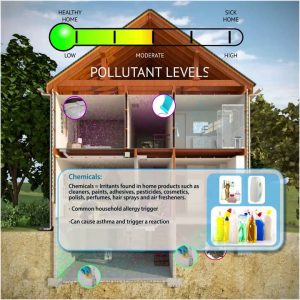
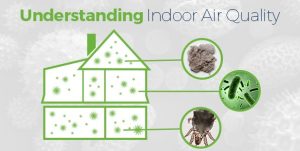
Indoor air quality refers to the condition of the air inside buildings, particularly as it relates to the health and comfort of occupants. Common indoor pollutants include dust, mold spores, volatile organic compounds (VOCs), radon, and carbon monoxide. These pollutants can accumulate due to inadequate ventilation, leading to a range of health issues.

  1. Health Implications of Poor IAQ:ez-breathe-ventilation-system-ez-breathe-3
  • Respiratory Issues: Poor IAQ can exacerbate asthma and other respiratory conditions. Dust, mold spores, and VOCs are common triggers for respiratory problems.
  • Allergies: Indoor allergens such as dust mites, pet dander, and mold can cause or worsen allergic reactions.
  • Chronic Illnesses: Long-term exposure to indoor pollutants can lead to serious health problems, including chronic obstructive pulmonary disease (COPD) and even cancer.
  1. Factors Affecting IAQ:
  • Inadequate Ventilation: Without proper ventilation, indoor air can become stale and polluted.
  • High Humidity: Excess moisture in the air can lead to mold growth and other humidity-related problems.
  • Building Materials: Some building materials release VOCs, which can negatively impact IAQ.

The Role of the EZ Breathe Ventilation System

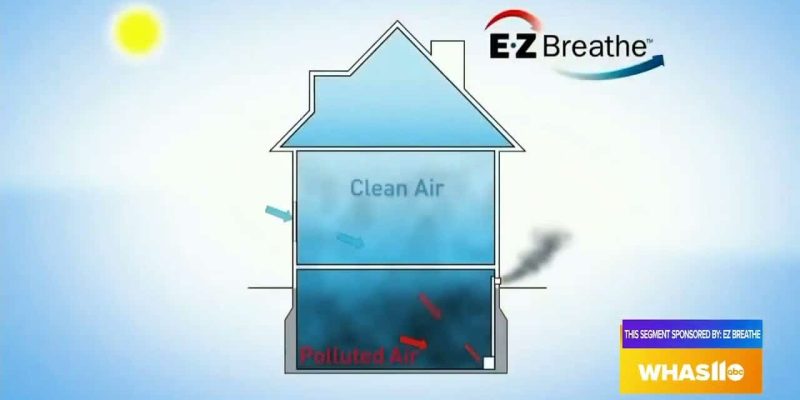
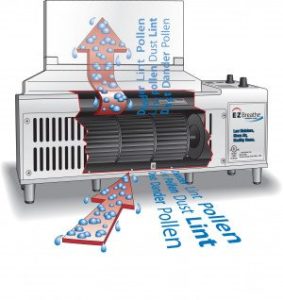
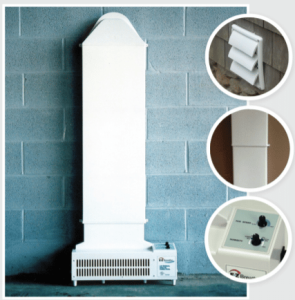
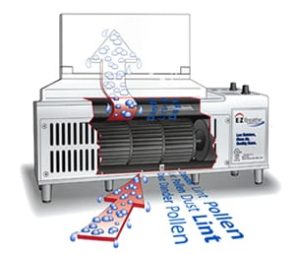
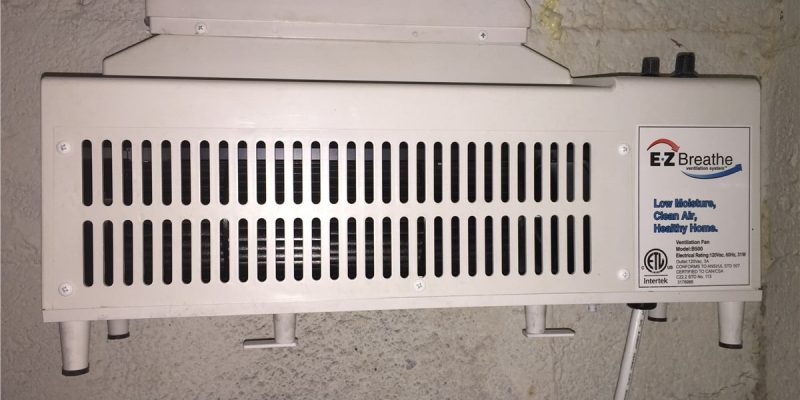
The EZ Breathe Ventilation System is designed to address the common issues associated with poor IAQ by providing effective ventilation and moisture control. It works by exchanging indoor air with fresh outdoor air, thereby reducing the concentration of indoor pollutants.

  1. Ventilation:
  • Continuous Air Exchange: The EZ Breathe System continuously exchanges indoor air with fresh outdoor air, preventing the buildup of pollutants.
  • Improved Air Circulation: By improving air circulation, the system ensures that fresh air reaches all areas of the home, reducing the concentration of pollutants.
  1. Moisture Control:

Benefits of the EZ Breathe Ventilation System

  1. Health Benefits:
  • Reduced Respiratory Problems: Improved IAQ can help reduce respiratory issues and improve overall lung health.
  • Allergy Relief: By reducing indoor allergens, the system can alleviate symptoms for allergy sufferers.
  • Enhanced Comfort: Improved air quality leads to a more comfortable living environment, free from stale air and unpleasant odors.
  1. Environmental Benefits:
  • Energy Efficiency: The EZ Breathe System is energy efficient, using minimal power to provide continuous ventilation. This can help reduce overall energy consumption.
  • Sustainable Living: By improving IAQ and reducing the need for additional air purification devices, the system contributes to a more sustainable living environment.
  1. Property Protection:
  • Structural Integrity: Controlling humidity levels helps prevent moisture-related damage to the home’s structure, such as wood rot and mold growth.
  • Preservation of Furnishings: Reduced humidity and improved air quality can help preserve furniture, electronics, and other household items.

Installation and Maintenance

The EZ Breathe Ventilation System is designed for easy installation and minimal maintenance, making it an ideal choice for homeowners looking to improve their IAQ.

  1. Easy Installation:
  • Professional Installation: While the system is easy to install, professional installation ensures optimal performance and longevity.
  • Versatility: The EZ Breathe System can be installed in various areas of the home, including basements, crawlspaces, and living areas.
  1. Low Maintenance:ez-breathe-ventilation-system-ez-breathe-2
  • Minimal Upkeep: The system requires minimal maintenance, with no filters to change or replace.
  • Long-Term Reliability: Built with durable components, the EZ Breathe System is designed for long-term reliability and performance.

The EZ Breathe Ventilation System offers a comprehensive solution for improving indoor air quality and creating a healthier living environment. By providing effective ventilation and moisture control, the system reduces indoor pollutants, alleviates health issues, and protects the home’s structure. Its easy installation and low maintenance make it a practical choice for homeowners committed to enhancing their IAQ. Investing in an EZ Breathe Ventilation System is a proactive step towards ensuring a comfortable, healthy, and sustainable living space.

Contact the Professionals at EZ Breathe Today! 866-822-7328
ez-breathe-ventilation-system-ez-breathe-3

The Comprehensive Benefits of the EZ Breathe Ventilation System for Modern Homes

Modern homes are designed to be energy-efficient, often resulting in tightly sealed environments that can trap indoor pollutants. While this efficiency is beneficial for reducing energy costs, it can negatively impact indoor air quality (IAQ). The EZ Breathe Ventilation System addresses this issue by enhancing ventilation and improving IAQ. This article explores the comprehensive benefits of the EZ Breathe Ventilation System for modern homes.

The Challenge of Modern Home Design

Energy-efficient home designs focus on reducing air leakage, which can inadvertently lead to poor IAQ. The lack of natural ventilation can result in the accumulation of indoor pollutants and increased humidity levels.

  1. Energy Efficiency vs. IAQ:ez-breathe-ventilation-system-ez-breathe-1
  • Tight Sealing: Modern homes are constructed with tight seals to prevent energy loss, but this also limits natural ventilation.
  • Pollutant Accumulation: Without adequate ventilation, pollutants such as VOCs, radon, and mold spores can accumulate indoors.
  • Humidity Issues: High humidity levels can lead to mold growth and other moisture-related problems.

How the EZ Breathe Ventilation System Works

The EZ Breathe Ventilation System is designed to improve IAQ in modern homes by providing continuous ventilation and effective moisture control.

  1. Continuous Ventilation:
  • Air Exchange: The system continuously exchanges indoor air with fresh outdoor air, ensuring a constant supply of clean air.
  • Pollutant Reduction: By removing stale air and introducing fresh air, the system reduces the concentration of indoor pollutants.
  1. Moisture Control:
  • Humidity Regulation: The EZ Breathe System helps maintain optimal humidity levels, preventing the conditions that promote mold growth.
  • Mold Prevention: By controlling moisture, the system reduces the risk of mold and mildew, which can negatively impact IAQ.

Key Benefits of the EZ Breathe Ventilation System

  1. Health and Wellness:
  • Improved Respiratory Health: By reducing indoor pollutants, the system helps improve respiratory health and reduce the incidence of asthma and allergies.
  • Allergy Relief: The system effectively reduces indoor allergens, providing relief for individuals with allergies and sensitivities.
  • Enhanced Comfort: A consistent supply of fresh air enhances overall comfort and well-being, creating a healthier living environment.
  1. Energy Efficiency:
  • Complementing Modern Design: The EZ Breathe System enhances the energy efficiency of modern homes by improving ventilation without compromising energy conservation.
  • Cost Savings: The system’s energy-efficient design helps reduce energy consumption, leading to cost savings on utility bills.
  1. Structural Protection:
  • Preventing Moisture Damage: Effective moisture control helps protect the home’s structure from moisture-related damage, such as wood rot and mold growth.
  • Preservation of Belongings: By maintaining optimal humidity levels, the system helps preserve furniture, electronics, and other household items.
  1. Environmental Impact:
  • Sustainable Living: The EZ Breathe System promotes sustainable living by improving IAQ without relying on energy-intensive air purification systems.
  • Reduced Carbon Footprint: The system’s energy-efficient design contributes to a reduced carbon footprint, supporting environmentally friendly practices.

Installation and Operation

The EZ Breathe Ventilation System is designed for ease of installation and operation, making it an ideal choice for homeowners seeking to improve IAQ.

  1. Installation:
  • Professional Installation: While the system can be installed by homeowners, professional installation ensures optimal performance and proper integration with existing systems.
  • Versatility: The EZ Breathe System can be installed in various areas of the home, including basements, crawlspaces, and living areas.
  1. Operation:
  • User-Friendly Design: The system is designed for easy operation, with minimal adjustments required once installed.
  • Low Maintenance: The EZ Breathe System requires minimal maintenance, with no filters to replace and simple upkeep procedures.

Enhancing Home Value

Investing in an EZ Breathe Ventilation System can enhance the value of a home by improving its overall health and livability.

  1. Market Appeal:ez-breathe-ventilation-system-ez-breathe-2
  • Desirable Feature: Homes equipped with advanced ventilation systems are more appealing to buyers, particularly those concerned with IAQ and health.
  • Increased Resale Value: Improved IAQ and energy efficiency can contribute to a higher resale value, making the home more competitive in the real estate market.
  1. Long-Term Investment:
  • Health Benefits: The health benefits provided by the system can lead to reduced medical expenses and improved quality of life.
  • Cost Savings: The energy efficiency of the EZ Breathe System can result in long-term savings on utility bills, offsetting the initial investment.

The EZ Breathe Ventilation System offers a comprehensive solution for improving indoor air quality in modern homes. By providing continuous ventilation and effective moisture control, the system addresses the challenges associated with energy-efficient home design. Its benefits extend beyond health and wellness, encompassing energy efficiency, structural protection, and environmental sustainability. Easy installation and low maintenance make the EZ Breathe System a practical choice for homeowners committed to creating a healthier living environment. Investing in this advanced ventilation system is a proactive step towards ensuring a comfortable, safe, and valuable home.

Contact the Professionals at EZ Breathe Today! 866-822-7328

ez-breathe-ventilation-system-ez-breathe-3

The Role of the EZ Breathe Ventilation System in Preventing Mold and Mildew

Mold and mildew are common problems in homes, particularly in areas with high humidity levels. These issues can lead to a range of health problems and structural damage. The EZ Breathe Ventilation System offers an effective solution for preventing mold and mildew by improving indoor air quality (IAQ) and controlling moisture levels. This article explores the role of the EZ Breathe Ventilation System in mold and mildew prevention, highlighting its benefits and best practices for maintaining a healthy home environment.

Understanding Mold and Mildew

Mold and mildew are types of fungi that thrive in damp, humid environments. They can grow on various surfaces, including walls, ceilings, and floors, and can spread quickly if not addressed.

  1. Health Risks:
  • Respiratory Issues: Exposure to mold spores can cause respiratory problems, including asthma and allergies.
  • Allergic Reactions: Mold exposure can trigger allergic reactions, such as sneezing, coughing, and skin irritation.
  • Chronic Illnesses: Long-term exposure to mold can lead to serious health issues, including chronic respiratory conditions and weakened immune systems.
  1. Structural Damage:
  • Wood Rot: Mold can cause wood to rot, compromising the structural integrity of the home.
  • Damage to Building Materials: Mold can damage drywall, insulation, and other building materials, leading to costly repairs.
  • Aesthetic Issues: Mold growth can cause unsightly stains and odors, affecting the overall appearance and comfort of the home.

How the EZ Breathe Ventilation System Prevents Mold and Mildew

The EZ Breathe Ventilation System addresses the primary factors that contribute to mold and mildew growth: moisture and poor ventilation. By improving IAQ and controlling humidity levels, the system helps create an environment where mold and mildew cannot thrive.

  1. Moisture Control:
  • Humidity Regulation: The EZ Breathe System helps maintain optimal humidity levels, preventing the conditions that promote mold growth.ez-breathe-ventilation-system-ez-breathe-1
  • Vapor Barrier: The system can be used in conjunction with vapor barriers to further reduce moisture levels in basements and crawlspaces.
  1. Improved Ventilation:
  • Air Exchange: The system continuously exchanges indoor air with fresh outdoor air, reducing the concentration of mold spores and other pollutants.
  • Enhanced Airflow: Improved airflow prevents stagnant air, reducing the likelihood of mold growth on surfaces.

Key Benefits of the EZ Breathe Ventilation System

  1. Health Benefits:
  • Reduced Mold Exposure: By preventing mold growth, the system reduces exposure to mold spores, improving overall respiratory health.
  • Allergy Relief: The system helps reduce indoor allergens, providing relief for individuals with mold allergies.
  • Enhanced Comfort: Improved IAQ leads to a more comfortable living environment, free from mold-related odors and irritants.
  1. Structural Protection:
  • Prevention of Wood Rot: Effective moisture control helps protect the home’s structure from wood rot and other moisture-related damage.
  • Preservation of Building Materials: By preventing mold growth, the system helps preserve drywall, insulation, and other building materials.
  1. Aesthetic and Environmental Benefits:
  • Improved Appearance: A mold-free home is more visually appealing and comfortable to live in.
  • Energy Efficiency: The EZ Breathe System is energy efficient, using minimal power to provide continuous ventilation. This helps reduce overall energy consumption and environmental impact.

Installation and Maintenance

The EZ Breathe Ventilation System is designed for ease of installation and minimal maintenance, making it an ideal choice for homeowners looking to prevent mold and mildew.

  1. Easy Installation:
  • Professional Installation: While the system is easy to install, professional installation ensures optimal performance and longevity.
  • Versatility: The EZ Breathe System can be installed in various areas of the home, including basements, crawlspaces, and living areas.
  1. Low Maintenance:
  • Minimal Upkeep: The system requires minimal maintenance, with no filters to change or replace.
  • Long-Term Reliability: Built with durable components, the EZ Breathe System is designed for long-term reliability and performance.

Best Practices for Mold and Mildew Prevention

In addition to installing the EZ Breathe Ventilation System, homeowners can take several steps to further prevent mold and mildew growth.

  1. Regular Inspections:
  • Check for Leaks: Regularly inspect the home for leaks in the roof, walls, and plumbing. Promptly repair any leaks to prevent moisture buildup.ez-breathe-ventilation-system-ez-breathe-2
  • Monitor Humidity Levels: Use a hygrometer to monitor indoor humidity levels and ensure they remain between 30% and 50%.
  1. Proper Ventilation:
  • Vent Appliances: Ensure that appliances such as dryers, stoves, and bathrooms are properly vented to the outside.
  • Use Exhaust Fans: Use exhaust fans in kitchens and bathrooms to remove moisture and improve ventilation.
  1. Clean and Dry:
  • Dry Wet Areas: Promptly dry any wet areas in the home, such as spills, leaks, or areas exposed to condensation.
  • Clean Regularly: Regularly clean areas prone to moisture, such as bathrooms and kitchens, to prevent mold growth.
  1. Use Mold-Resistant Products:
  • Mold-Resistant Materials: Use mold-resistant drywall, insulation, and paint in areas prone to moisture.
  • Sealants: Apply mold-resistant sealants to surfaces in bathrooms, kitchens, and basements.

The EZ Breathe Ventilation System offers a comprehensive solution for preventing mold and mildew by improving indoor air quality and controlling moisture levels. Its ability to regulate humidity and provide continuous ventilation makes it an effective tool for maintaining a healthy and comfortable home environment. Easy installation and low maintenance make the system a practical choice for homeowners committed to preventing mold and mildew. By investing in the EZ Breathe Ventilation System and following best practices for mold prevention, homeowners can protect their health, preserve their property, and enjoy a safer, cleaner living space.

Contact the Professionals at EZ Breathe Today! 866-822-7328

indoor-air-quality-ez-breathe-3

The Role of Basement Ventilation in Moisture Control

Moisture control is one of the primary objectives of basement ventilation systems. Excess moisture in basements can lead to a host of problems, including mold growth, structural damage, and poor indoor air quality. In this article, we’ll explore the role of basement ventilation in moisture control and discuss strategies for effectively managing moisture levels in basements.

Basements are inherently prone to moisture buildup due to their below-ground location and lack of natural ventilation. Factors such as groundwater seepage, condensation, and inadequate waterproofing can contribute to excess moisture in basements, creating an ideal environment for mold and mildew growth.basement-ventilation-methods-ez-breathe-1

Proper ventilation is essential for controlling moisture levels in basements by promoting airflow and removing excess humidity. Ventilation systems such as exhaust fans, dehumidifiers, and heat recovery ventilators (HRVs) help circulate air and maintain optimal humidity levels, preventing moisture buildup and mold proliferation.

Here are some key ways in which basement ventilation contributes to moisture control:

  • Air Circulation: Ventilation systems facilitate air movement within the basement, preventing stagnant air and allowing moisture to dissipate. Proper airflow helps distribute fresh air while expelling stale, humid air, reducing the likelihood of condensation and mold growth.
  • Humidity Regulation: Ventilation systems remove excess humidity from the air, helping to maintain balanced indoor humidity levels. By controlling humidity, ventilation systems prevent moisture condensation on surfaces and inhibit mold and mildew growth.
  • Moisture Removal: Mechanical ventilation systems such as exhaust fans and dehumidifiers actively remove moisture from the basement, preventing dampness and water damage. These systems extract humid air and expel it outside, effectively reducing moisture levels within the space.
  • Prevention of Structural Damage: By controlling moisture levels, basement ventilation systems help prevent structural damage caused by water infiltration and dampness. Excess moisture can weaken building materials, leading to rot, decay, and deterioration over time. Proper ventilation mitigates these risks by keeping the basement environment dry and moisture-free.

In addition to installing ventilation systems, homeowners can take proactive measures to manage moisture in their basements, such as:

  • Sealing Foundation Cracks: Seal any cracks or gaps in the basement walls and floors to prevent water intrusion and moisture infiltration.basement-ventilation-methods-ez-breathe-2
  • Improving Drainage: Ensure proper grading around the foundation and install effective drainage systems to divert water away from the basement.
  • Waterproofing: Apply waterproof coatings or membranes to basement walls and floors to create a barrier against moisture penetration.
  • Regular Maintenance: Regularly inspect and maintain ventilation systems, plumbing fixtures, and foundation components to identify and address potential moisture issues promptly.

By incorporating these strategies and investing in effective ventilation systems, homeowners can mitigate moisture problems in their basements and create a healthy, comfortable living environment for themselves and their families.

Contact the Professionals at EZ BreatheToday!  866-822-7328

basement-ventilation-methods-ez-breathe-3

Energy Efficiency and Basement Ventilation: Finding the Balance

Balancing energy efficiency with effective ventilation is a crucial consideration when designing and implementing basement ventilation systems. While proper ventilation is essential for maintaining indoor air quality and preventing moisture-related issues, it can also impact energy consumption and heating/cooling costs. In this article, we’ll explore the relationship between energy efficiency and basement ventilation and discuss strategies for finding the right balance.

Basement ventilation systems, particularly mechanical ventilation systems such as exhaust fans and dehumidifiers, consume energy to operate. The energy usage of these systems can vary depending on factors such as system efficiency, airflow rates, and runtime. While ventilation is necessary for maintaining a healthy indoor environment, excessive energy consumption can negate the benefits of ventilation and lead to higher utility bills.basement-ventilation-methods-ez-breathe-1

Here are some key considerations for optimizing energy efficiency in basement ventilation:

  • System Selection: Choose ventilation systems that are energy-efficient and appropriate for the size and layout of your basement. High-efficiency exhaust fans, dehumidifiers, and heat recovery ventilators (HRVs) can help minimize energy consumption while effectively managing indoor air quality and moisture levels.
  • Control Strategies: Implement control strategies to optimize the operation of ventilation systems and minimize energy waste. Use programmable timers, occupancy sensors, or humidity sensors to regulate ventilation based on occupancy and moisture levels, ensuring that the system operates only when necessary.
  • Ventilation Design: Design ventilation systems to maximize airflow and minimize energy loss. Proper ductwork design, efficient fan placement, and sealed duct connections can improve ventilation performance while reducing energy consumption.
  • Insulation and Air Sealing: Insulate basement walls and floors to prevent heat loss and minimize energy requirements for heating and cooling. Air sealing measures such as sealing gaps around windows, doors, and vents can further enhance energy efficiency by reducing air leakage.basement-ventilation-methods-ez-breathe-2
  • Integration with HVAC Systems: Integrate basement ventilation systems with existing HVAC systems to optimize energy usage and minimize overall energy consumption. Coordinate ventilation operation with heating and cooling cycles to leverage existing infrastructure and avoid unnecessary energy expenditure.

While prioritizing energy efficiency is important, it’s crucial not to compromise on indoor air quality and moisture control. Poor ventilation can lead to a host of health and safety issues, including mold growth, indoor air pollutants, and discomfort for occupants. By implementing energy-efficient ventilation strategies and adopting smart control measures, homeowners can strike the right balance between energy savings and indoor environmental quality in their basements.

In conclusion, basement ventilation plays a vital role in maintaining a healthy, comfortable indoor environment while managing energy consumption and operating costs. By selecting energy-efficient ventilation systems, optimizing control strategies, and integrating ventilation with overall home energy management, homeowners can achieve optimal performance and efficiency in their basement ventilation systems.

Contact the Professionals at EZ BreatheToday!  866-822-7328

indoor-air-pollution-ez-breathe-2

Hazardous Home Odors: Protecting Your Health and Indoor Air Quality

Every home has its unique scent, but not all odors are harmless. While we often rely on air fresheners and diffusers to maintain a fresh ambiance, some odors might be warning signs of hidden health hazards lurking in our homes. In this article, we’ll delve into three common household odors—paint smells, musty odors, and pickle-like scents—and explore how they can compromise your indoor air quality and, ultimately, your well-being. We’ll also provide actionable tips to address these issues effectively.

1. The Perils of Paint Smells

The tantalizing scent of fresh paint is a familiar one, often associated with home improvement and redecorating projects. While itAir Quality Index, air quality forecast, Air Quality Health Advisory, Sensitive Groups, air pollution poses, Current Air Quality, Air Quality Data, Unhealthy for Sensitive Groups, may be tempting to embrace this fragrance, it conceals a range of health risks that warrant our attention. Let’s delve deeper into the perils of paint smells and why they should not be taken lightly.
Understanding VOCs: Paint smells primarily result from the release of volatile organic compounds (VOCs) into the surrounding air as paint dries. These VOCs are comprised of various chemicals, including formaldehyde, toluene, and benzene, which have been linked to numerous health issues.

Health Implications: Exposure to VOCs can lead to both short-term and long-term health problems. Short-term health effects include eye, nose, and throat irritation, headaches, dizziness, and nausea. These symptoms are prevalent during or shortly after painting.

However, the long-term consequences of VOC exposure should concern us the most. Scientific studies have established a direct link between VOCs and the development of various forms of cancer, including lung cancer and leukemia. Prolonged exposure to these harmful compounds can also contribute to respiratory issues, such as asthma and bronchitis.

Protecting Your Health: Given these potential risks, it is imperative to take proactive measures to safeguard your health and indoor air quality when undertaking painting projects.

1. Opt for Low-VOC or VOC-Free Paints: When choosing paint for your home, look for low-VOC or VOC-free options. These paints emit significantly fewer harmful compounds into the air, reducing your exposure and promoting healthier indoor air quality.

2. Enhance Ventilation: Proper ventilation is key to minimizing the concentration of smoke and VOCs in your living space. Open windows and doors to allow fresh outdoor air to circulate while painting. Additionally, consider using exhaust fans to expedite the removal of fumes.

3. Invest in Quality Tools: High-quality paintbrushes and rollers can help minimize paint splatter and excessive fumes. This not only ensures a smoother finish but also reduces the amount of VOCs released into the air.

4. Use Personal Protective Equipment (PPE): When painting, don’t forget to wear appropriate protective gear, including a mask or respirator, safety goggles, and gloves, to shield yourself from direct exposure to paint fumes.

5. Follow the Manufacturer’s Recommendations: Always adhere to the manufacturer’s instructions regarding drying and curing times. This helps ensure that the paint releases fewer VOCs as it dries.

By taking these precautions, you can enjoy the transformative power of paint in your home while minimizing the associated health risks. Remember, your well-being should always be a top priority when embarking on any home improvement project involving paint.

2. Battling Musty Odors

Musty odors can be particularly unsettling, as they often hint at a hidden and insidious problem lurking within our homes. These odors are most prevalent in areas with high humidity levels, such as kitchens, basements, bathrooms, and even in seldom-used cupboards. While they may seem harmless on the surface, musty odors are typically indicative of a more sinister issue: mold and mildew infestations. Let’s explore the dangers associated with musty odors and the critical steps to battle this menace effectively.

The Mold and Mildew Connection: Musty odors are frequently caused by the presence of mold and mildew, two types of fungi that thrive in damp, humid environments. These microorganisms reproduce by releasing spores into the air, which can have detrimental effects on human health when inhaled.

Health Implications: Exposure to mold and mildew spores can lead to a range of health problems, particularly for individuals with allergies, asthma, or compromised immune systems. Common health issues associated with mold and mildew exposure include:

1. Allergic Reactions: Mold spores can trigger allergic reactions, leading to symptoms like sneezing, coughing, itchy eyes, and skin rashes.

2. Respiratory Problems: Prolonged exposure to mold can exacerbate respiratory conditions, such as asthma, and may even contribute to the development of new respiratory issues.

3. Infections: Certain types of mold can cause infections, especially in individuals with weakened immune systems.

4. Irritation: Mold and mildew exposure can irritate the eyes, throat, and skin, causing discomfort and potential long-term health concerns.

Taking Action Against Musty Odors: If you detect a musty smell in your home, it’s crucial to address the issue promptly to protect your health and maintain good indoor air quality.

1. Professional Inspection: Contact a certified mold remediation specialist to conduct a thorough inspection of your home. These professionals can identify the extent of the infestation and recommend appropriate steps for remediation.

2. Mold Remediation: Investing in professional mold remediation is essential to eliminate the source of the problem. This process may involve removing affected materials, repairing leaks, and improving ventilation to prevent future mold growth.

3. Dehumidification: Use dehumidifiers in areas prone to both heat and high humidity, such as basements and bathrooms, to reduce moisture levels and create an inhospitable environment for mold and mildew.

4. Regular Maintenance: Routinely inspect your home for potential moisture issues, such as leaky pipes or damaged roofing, and address them promptly to prevent mold growth.

5. Improved Ventilation: Enhance indoor air circulation to prevent the accumulation of moisture. Ensure that exhaust fans are functioning correctly in bathrooms and kitchens.

By taking these measures, you can effectively combat musty odors and the associated health risks. Remember that early detection and proactive intervention are key to maintaining a healthy indoor environment for you and your family. Don’t underestimate the importance of addressing musty odors—they are a warning sign that should not be ignored.

3. Unveiling the Mystery of Pickle-Like Odors

A peculiar pickle-like odor wafting through the air in your home may seem harmless, but it can actually serve as a silent indicator of a hidden and potentially hazardous substance—formaldehyde. In this section, we’ll delve deeper into the enigmatic world of pickle-like odors, revealing the presence of formaldehyde in your living environment and its associated health risks.

Understanding Formaldehyde: Formaldehyde is a colorless, pungent-smelling gas composed of carbon, hydrogen, and oxygen. It is a ubiquitous chemical used in various household products and building materials. You can find formaldehyde in items such as disinfectants, resins, fixatives, preservatives, adhesives, and even certain types of wood products like pressed wood furniture and paneling.

Health Implications: Formaldehyde is classified as a volatile organic compound (VOC) and is considered a known human carcinogen by numerous health organizations, including the International Agency for Research on Cancer (IARC). Prolonged exposure to formaldehyde can lead to severe health issues, including:

1. Respiratory Problems: Inhaling formaldehyde can irritate the respiratory tract, leading to symptoms such as coughing, wheezing, and shortness of breath.

2. Allergic Reactions: Some individuals may develop allergic reactions upon exposure, leading to symptoms like skin rashes and itchy eyes.

3. Carcinogenicity: Long-term exposure to formaldehyde has been linked to an increased risk of certain cancers, particularly nasal and nasopharyngeal cancers.

Protecting Your Health: Given the health risks associated with formaldehyde exposure, it is essential to take steps to minimize your risk of contact with this chemical.

1. Enhance Ventilation: Adequate ventilation is crucial to reduce ozone and formaldehyde concentrations in your home. Ensure good airflow by opening windows and using exhaust fans when needed.

2. Seek Low-Formaldehyde Products: When purchasing household products or furnishings, look for those labeled as low in formaldehyde content. Consider opting for alternatives that use safer adhesives and materials.

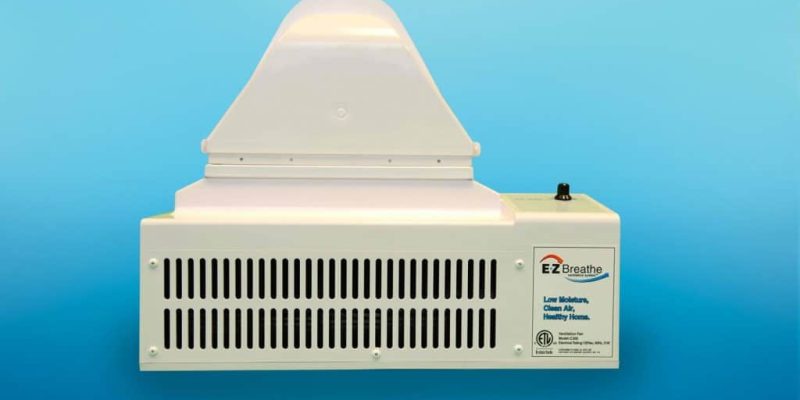
3. Whole-Home Ventilation: Consider investing in an EZ Breathe whole-home ventilation system, as mentioned earlier in the article. Such systems can significantly improve indoor air quality and help reduce your exposure to formaldehyde and other indoor air pollutants.

4. Regular Indoor Air Quality Testing: Periodically test your indoor air quality to identify any potential sources of formaldehyde or other harmful substances. This can help you take timely action to the poor air quality and address any issues.

By being proactive in minimizing formaldehyde exposure, you can create a healthier indoor environment for you and your family. The subtle pickle-like odor should serve as a reminder to prioritize indoor air quality and take the necessary precautions to protect your health. Don’t underestimate the significance of formaldehyde—its effects on your well-being are real and should not be ignored.

Prioritizing Health and Indoor Air Quality

In our journey through the world of household odors, we’ve uncovered a crucial truth—our homes, while comforting and familiar, can sometimes conceal hidden health hazards. From the intoxicating aroma of fresh paint to the musty, mysterious scent reminiscent of pickles, these seemingly innocuous odors are harbingers of serious air pollution and potential risks to our well-more serious health effects, air pollution levels, Environmental Protection Agency, little or no risk, Particle Pollution, particulate pollutionbeing. To ensure a safe and healthy living environment, it’s imperative to prioritize your health and elevate indoor air quality.
The Value of a Healthy Home: Your home should be a sanctuary—a place where you and your loved ones thrive, breathe easily, and enjoy the simple pleasures of life. Yet, it’s also a space where many areas you can unknowingly encounter threats to your health. By being aware of these hidden dangers and taking proactive measures, you can transform your home into a haven of well-being.

Your Health is Paramount: Your health should always be your top priority. Exposure to pollution, the volatile organic compounds (VOCs) found in paint fumes, the insidious mold and mildew lurking behind musty odors, and the pervasive presence of formaldehyde should never be taken lightly. These health risks are real, and their consequences can be severe.

Proactive Measures for a Healthier Home: The key to mitigating these risks lies in proactive action. Here are some crucial steps you can take:

1. Awareness: Educate yourself about common household hazards and their telltale odors, as we’ve discussed in this article.

2. Prevention: Choose low-VOC or VOC-free products when decorating your home, enhance ventilation, and invest in advanced ventilation systems like EZ Breathe to reduce exposure to pollutants.

3. Early Detection: Promptly address any unusual odors by seeking professional inspections and remediation when necessary. The sooner you act, the less harm these hazards can inflict.

4. Regular Maintenance: Maintain your home’s integrity by fixing leaks, addressing moisture issues, and ensuring proper ventilation throughout your living spaces.

5. Healthy Choices: Make informed decisions when purchasing household products and furnishings, favoring those with lower levels of harmful compounds.

A Brighter, Healthier Tomorrow: In conclusion, your home should be a source of comfort, safety, and well-being. By prioritizing health and elevating indoor air quality, you can create a living environment where you and your family can thrive. Don’t hesitate to seek professional guidance when needed, and never underestimate the importance of safeguarding your health within the walls of your home. Your actions today will contribute to a brighter, healthier tomorrow for you and your loved ones.

Contact the Professionals at EZ Breathe Today! Phone: 866-822-7328

indoor-air-hazards-ez-breathe-3

Breathing in Danger: Unmasking Indoor Air Hazards

When we think of air hazards, our minds often conjure images of polluted city streets or industrial areas with thick smog.indoor-air-hazards-ez-breathe-1 However, it’s easy to overlook the potential hazards lurking right within our homes. Indoor air quality can significantly impact our health, and there are a myriad of hidden dangers that may go unnoticed. In this article, we’ll explore the various indoor air hazards and ways to mitigate their effects to create a safer and healthier living environment.

Chemical Pollutants

Indoor air is often filled with volatile organic compounds (VOCs) emitted by various household products, including paints, cleaning supplies, and furniture. These chemicals can lead to respiratory problems, headaches, and even long-term health issues. To reduce exposure, opt for low-VOC or VOC-free products, ensure proper ventilation when using chemicals, and use air purifiers with VOC filters.

Mold and Mildew

Mold and mildew thrive in damp environments, often hidden in basements, bathrooms, and behind walls. Exposure to mold can trigger allergies, exacerbate asthma, and cause respiratory infections. Regular cleaning, reducing humidity levels, and addressing water leaks can help prevent mold growth. In severe cases, professional mold remediation may be necessary.

Dust Mites

Dust mites are microscopic creatures that live in household dust, bedding, and upholstery. They are a common allergen and can worsen asthma and allergies. Frequent washing of bedding, using allergen-proof covers, and regular dusting and vacuuming can help control dust mites.

Radon Gas

Radon is a colorless, odorless gas that can seep into homes through the ground. Prolonged exposure to radon is the second leading cause of lung cancer after smoking. Radon testing kits are readily available and can help determine if your home has high radon levels. Radon mitigation systems can be installed to reduce exposure.

Secondhand Smoke

Exposure to secondhand smoke is a well-known indoor air hazard. It contains thousands of toxic chemicals and is a leading cause of preventable diseases and death. To protect yourself and your loved ones, establish a smoke-free home and encourage smokers to quit or smoke outdoors.

Carbon Monoxide (CO)

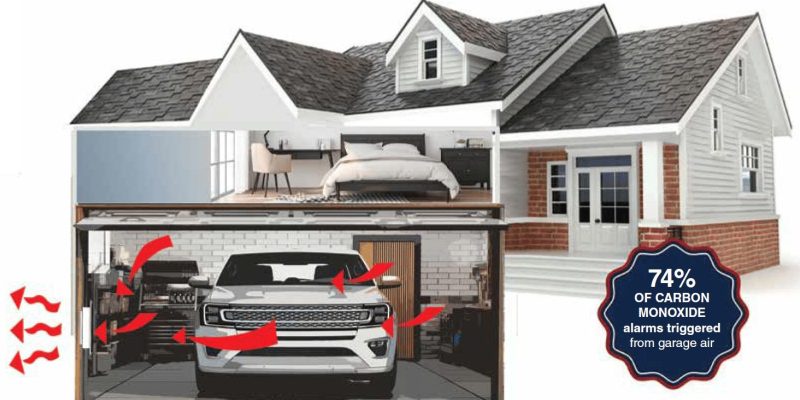
Carbon monoxide is a deadly, odorless gas produced by the incomplete combustion of fuels such as gas, wood, and oil. High levels of CO can lead to poisoning, resulting in symptoms like dizziness, nausea, and even death. Install carbon monoxide detectors in key areas of your home, such as near bedrooms and furnaces, and ensure that heating appliances are well-maintained.

Pesticides

Pesticides are commonly used to control pests in and around homes. However, they can release harmful chemicals into the indoor air. Minimize pesticide use by adopting non-toxic pest control methods, such as traps and natural repellents.

indoor-air-hazards-ez-breathe-2Asbestos

Asbestos was once used in construction materials, but its fibers can become airborne when disturbed, leading to severe respiratory diseases like mesothelioma. If your home was built before the 1980s, it’s essential to identify and safely remove asbestos-containing materials during renovations or repairs.

Pet Dander

If you have pets, their dander (tiny flakes of skin) can become airborne allergens. Regular grooming, vacuuming, and using air purifiers equipped with HEPA filters can help reduce pet dander in your home.

Inadequate Ventilation

Poor ventilation can trap indoor air pollutants and contribute to indoor air hazards. Ensure your home is adequately ventilated by using exhaust fans in bathrooms and kitchens, opening windows when weather permits, and maintaining your HVAC system.

In conclusion, indoor air hazards are a real and often underestimated threat to our health and well-being. Understanding these hazards and taking proactive steps to address them is crucial for creating a safe and healthy indoor environment. Regular maintenance, proper ventilation, the use of air purifiers, and making informed choices about household products can significantly reduce the risks associated with indoor air pollutants. By prioritizing indoor air quality, you can breathe easier and enjoy a healthier, more comfortable life at home.

Contact the Professionals at EZ Breathe Today! 866-822-7328