Moisture and Mold

Say Goodbye to Moisture and Mold: How EZ Breathe Ventilation Systems Protect Your Family’s Health

You’re no stranger to the lurking dangers of moisture and mold in your home, but have you considered the EZ Breathe Ventilation System as your secret weapon? This innovative system tirelessly expels stale, damp air, allowing fresh air to circulate, effectively reducing humidity and the risk of mold growth. Not only does it bolster the comfort of your living space, but it also greatly lessens allergy symptoms. But the perks of this system don’t stop here, there’s more to be discovered about how it can contribute to your family’s health.

Basement Ventilation Systems

In the world of basement waterproofing, ventilation systems are an integral part of maintaining a dry, healthy living space. You’ve probably heard sayings like “prevention is better than cure”. Well, that’s exactly what an EZ Breathe Ventilation System does for your basement.

It’s not just about drying out the space after the fact; it’s about creating a consistently dry environment that prevents problems from arising in the first place.

You see, when it comes to your basement, it’s all about circulation. Without proper ventilation, stale air, excess humidity, and pollutants can build up, creating an environment that’s ripe for mold, mildew, and other damaging factors. That’s where EZ Breathe steps in.

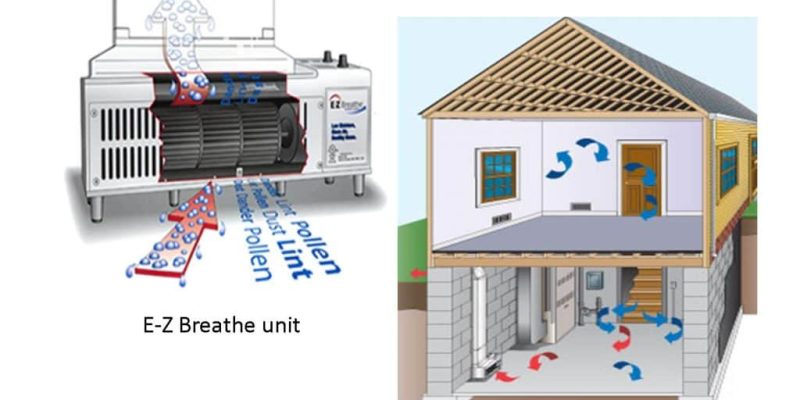
This system expels the stale air, drawing down fresh air from above, effectively combating moisture build-up and improving overall air quality.

But what makes EZ Breathe truly stand out is its efficiency. You don’t have to worry about costly energy bills, as it operates using less energy than a 40-watt light bulb.

In addition, it’s a maintenance-free system, meaning you can set it up and forget about it. As you can see, investing in an EZ Breathe Ventilation System is a decision you won’t regret.

Conclusion

You’ve now seen how the EZ Breathe Ventilation System can protect your family’s health. By continuously expelling damp, stale air, it prevents mold growth, reduces allergy symptoms, and creates a healthier living environment. Plus, its maintenance-free design provides long-lasting reliability. So, don’t let moisture and mold threaten your home’s health. Invest in an EZ Breathe System and enjoy a safer, fresher, more comfortable living space.
the-importance-of-basement-ventilation-ez-breathe-ventilation-system-3

The Importance of Basement Ventilation: Techniques and Best Practices

Basement ventilation is a crucial yet often overlooked aspect of maintaining a healthy and comfortable home environment. Basements are typically more susceptible to moisture, poor air circulation, and temperature imbalances, which can lead to a host of problems, including mold growth, musty odors, and even structural damage. Proper ventilation helps mitigate these issues by promoting air circulation, controlling humidity levels, and improving indoor air quality. In this article, we’ll explore the importance of basement ventilation, the different techniques available, and best practices for ensuring your basement remains dry, fresh, and safe.

Why Basement Ventilation Matters

Basements are unique in that they are partially or fully below ground level, which creates a set of challenges not typically found in other parts of the home. The combination of limited natural light, cooler temperatures, and potential exposure to soil moisture makes basements prone to poor air quality and moisture-related problems. Here’s why ventilation is essential in this context:

  1. Moisture Control:
    • Basements are naturally cooler, and when warm, humid air from the upper levels of the house or outside enters the basement, it can condense on cooler surfaces. This condensation can lead to dampness, which creates the perfect environment for mold and mildew to thrive.
    • Proper ventilation helps regulate humidity levels, reducing the risk of moisture accumulation and its associated problems.
  2. Mold and Mildew Prevention:
    • Mold and mildew not only cause unpleasant odors but can also pose serious health risks, including respiratory issues, allergies, and asthma. Ventilation reduces the likelihood of mold growth by keeping the air dry and circulating, which helps prevent stagnant, damp conditions where mold can flourish.the-importance-of-basement-ventilation-ez-breathe-ventilation-system-1
  3. Improved Indoor Air Quality:
    • The air quality in your basement directly impacts the air quality throughout your home, as air tends to move upwards (a process known as the stack effect). If your basement air is stale or contaminated, it can affect the living spaces above. Effective ventilation ensures that fresh air circulates, reducing the concentration of pollutants and allergens.
  4. Temperature Regulation:
    • Basements can become excessively warm or cold depending on the season, leading to discomfort and inefficient heating or cooling in the rest of the house. Ventilation helps maintain a more consistent temperature in the basement, contributing to overall energy efficiency and comfort.
  5. Odor Control:
    • Musty odors are a common complaint in poorly ventilated basements, often caused by mold, mildew, or the presence of dampness. Ventilation helps eliminate these odors by introducing fresh air and removing stagnant air that harbors unpleasant smells.

Types of Basement Ventilation Systems

There are several methods to ventilate a basement, each with its own advantages and applications. The choice of ventilation system depends on the specific needs of your basement, including its size, layout, and existing moisture levels.

1. Natural Ventilation

Natural ventilation relies on the passive movement of air through openings, such as windows, doors, or vents. This method is most effective in basements with ample windows or above-ground access points.

  • Pros:
    • Cost-Effective: Natural ventilation requires no additional equipment or energy, making it an economical choice.
    • Simple to Implement: Opening windows or doors periodically is all that’s needed to allow fresh air to circulate.
    • Environmentally Friendly: It doesn’t rely on electricity, so it has no carbon footprint.
  • Cons:
    • Weather-Dependent: Natural ventilation is less effective in extreme weather conditions or seasons when windows and doors are typically closed.
    • Limited Control: You have less control over airflow and humidity levels compared to mechanical systems.
    • Security Concerns: Leaving windows or doors open can pose a security risk, especially in urban areas.
2. Mechanical Ventilation

Mechanical ventilation involves the use of fans, exhaust systems, or air exchangers to actively move air in and out of the basement. This method provides more control over airflow and can be used year-round, regardless of weather conditions.

  • Types of Mechanical Ventilation:
    • Exhaust Fans: These are installed to remove stale, humid air from the basement and can be operated manually or automatically based on humidity levels.
    • Supply Fans: These bring fresh air into the basement, which can be particularly useful in tightly sealed homes where natural airflow is minimal.
    • Balanced Ventilation Systems: These systems use both supply and exhaust fans to maintain a balanced air exchange, ensuring that fresh air is introduced while stale air is removed simultaneously.
  • Pros:
    • Consistent Airflow: Mechanical systems provide consistent and controlled ventilation, improving air quality regardless of external conditions.
    • Humidity Control: Many systems are equipped with sensors that monitor humidity levels and adjust airflow as needed.
    • Versatility: Mechanical ventilation can be customized to suit the specific needs of your basement, including the size and level of moisture.
  • Cons:
    • Installation Cost: Mechanical systems require an initial investment for installation and equipment.
    • Energy Usage: These systems use electricity, which can increase your energy bills, though energy-efficient models are available.
    • Maintenance: Regular maintenance is necessary to keep mechanical ventilation systems running efficiently.
3. Dehumidifiers

While not a ventilation system per se, dehumidifiers play a crucial role in controlling moisture levels in basements, making them an essential component of an overall ventilation strategy.

  • Pros:
    • Effective Moisture Control: Dehumidifiers are specifically designed to remove excess moisture from the air, which can significantly reduce humidity levels and prevent mold growth.
    • Portable: Most dehumidifiers are portable, allowing you to move them around the basement as needed.
  • Cons:
    • Ongoing Costs: Dehumidifiers require electricity to operate, and you’ll also need to empty the water collection reservoir regularly (unless you choose a model with a continuous drain option).
    • Limited Airflow: While dehumidifiers control humidity, they don’t circulate air as effectively as ventilation systems.
4. Air Exchangers

Air exchangers are advanced ventilation systems that remove stale indoor air and replace it with fresh outdoor air. Some models also include heat recovery ventilators (HRVs) or energy recovery ventilators (ERVs), which capture and reuse the energy from the exhausted air to condition the incoming air.

  • Pros:
    • Enhanced Air Quality: Air exchangers provide continuous fresh air, significantly improving indoor air quality.
    • Energy Efficiency: HRVs and ERVs help maintain energy efficiency by reducing the load on your heating and cooling systems.
  • Cons:
    • Cost: Air exchangers are more expensive to install and maintain compared to basic ventilation systems.
    • Complex Installation: Professional installation is typically required, adding to the initial cost.

Best Practices for Effective Basement Ventilation

To ensure that your basement ventilation system works effectively, follow these best practices:

1. Assess Your Basement’s Needs

Before choosing a ventilation system, assess the specific conditions in your basement, including moisture levels, temperature, and air quality. This will help you determine the most suitable ventilation method for your space.

2. Control Humidity Levels

Maintaining a humidity level of 30% to 50% is ideal for basements. If humidity consistently exceeds this range, consider using a dehumidifier in conjunction with your ventilation system to control moisture effectively.

3. Seal Air Leaks

Ensure that your basement is properly sealed to prevent air leaks, which can introduce moisture and reduce the efficiency of your ventilation system. Pay special attention to windows, doors, and any cracks in the foundation.

4. Regular Maintenance

If you have a mechanical ventilation system, regular maintenance is essential to keep it functioning optimally. Clean or replace filters, inspect fans and ducts, and ensure that sensors are working correctly.

5. Monitor Air Quality

Use a hygrometer and air quality monitor to keep track of humidity levels and indoor air quality in your basement. This allows you to make adjustments to your ventilation system as needed to maintain a healthy environment.

6. Consider Seasonal Adjustments

In some cases, you may need to adjust your ventilation system seasonally. For example, during the winter, you might reduce ventilation to conserve heat, while in the summer, you may need to increase it to manage higher humidity levels.

7. Integrate with HVAC Systems

For optimal results, consider integrating your basement ventilation system with your home’s HVAC system. This allows for better control of temperature and humidity throughout the entire house and ensures that fresh air is consistently circulated.

Conclusion

the-importance-of-basement-ventilation-ez-breathe-ventilation-system-2

Proper basement ventilation is essential for maintaining a healthy, comfortable, and energy-efficient home. Whether you opt for natural ventilation, a mechanical system, or a combination of both, the key is to ensure that your basement remains dry, fresh, and free of pollutants. By following best practices and choosing the right ventilation method for your specific needs, you can prevent common basement problems such as mold growth, musty odors, and poor air quality, ultimately protecting your home and your health.

Investing in effective basement ventilation not only enhances your living environment but also contributes to the long-term durability of your home’s structure. A well-ventilated basement is a crucial component of a healthy home, and with the right approach, you can enjoy a safer, more comfortable living space for years to come.

Contact the Professionals at EZ Breathe Ventilation System Today! 866-822-7328

indoor-air-quality-ez-breathe-ventilation-system-3

The Importance of Cleaning Your Home’s Vents: Boosting Indoor Air Quality

Indoor air quality is a critical component of a healthy home environment, yet it is often overlooked in routine home maintenance. One of the key factors influencing indoor air quality is the cleanliness of your home’s ventilation system. Over time, dust, debris, and even mold can accumulate in the air ducts and vents, reducing the efficiency of your HVAC system and circulating contaminants throughout your living space. This article will explore the importance of cleaning your home’s vents, how it impacts indoor air quality, and practical steps to ensure your ventilation system remains clean and effective.

Why Vent Cleaning Matters

Vents and air ducts play a crucial role in maintaining a comfortable indoor environment by distributing heated or cooled air throughout your home. However, as air circulates, it can carry with it dust, pollen, pet dander, and other particles. Over time, these contaminants can build up in the ductwork, leading to several issues:

  1. Reduced Airflow and Efficiency:
    • Accumulated dust and debris can restrict airflow in your HVAC system, forcing it to work harder to maintain the desired temperature. This not only increases energy consumption but also shortens the lifespan of your HVAC system.
  2. Poor Indoor Air Quality:
    • The contaminants trapped in your air ducts don’t just stay there. As air passes through, it picks up these particles and distributes them throughout your home. This can lead to poor indoor air quality, exacerbating allergies, asthma, and other respiratory issues.indoor-air-quality-ez-breathe-ventilation-system-1
  3. Increased Allergens and Irritants:
    • Dust mites, pollen, mold spores, and pet dander are common allergens that can accumulate in your air ducts. When these are circulated through the vents, they can trigger allergic reactions and worsen existing respiratory conditions.
  4. Mold Growth:
    • In humid environments, moisture can collect in the ducts, creating an ideal environment for mold growth. Mold spores can then be spread throughout your home, posing significant health risks.
  5. Unpleasant Odors:
    • Over time, dust, mold, and even dead insects can accumulate in your ducts, leading to musty or unpleasant odors circulating through your home when the HVAC system is running.

Signs That Your Vents Need Cleaning

Knowing when to clean your vents is essential to maintaining good indoor air quality. Here are some common signs that indicate it’s time to clean your air ducts:

  1. Visible Dust and Debris:
    • If you notice dust accumulating on vent covers or see debris inside the vents, it’s a clear sign that your ducts need cleaning.
  2. Inconsistent Airflow:
    • If certain rooms in your home are not getting as much air as others, or if you notice weak airflow from the vents, dust buildup in the ducts could be the cause.
  3. Increased Allergy Symptoms:
    • If you or your family members experience worsening allergy symptoms, such as sneezing, coughing, or watery eyes, dirty air ducts may be circulating allergens throughout your home.
  4. Unusual Odors:
    • Musty or stale odors coming from the vents when the HVAC system is running may indicate mold or a buildup of dust and debris in the ducts.
  5. Recent Renovations:
    • If you’ve recently renovated your home, construction dust and debris may have found their way into the air ducts. Cleaning the vents after renovations can help prevent this dust from being distributed throughout your home.
  6. Increased Energy Bills:
    • If your energy bills have increased without a corresponding change in usage, it could be due to your HVAC system working harder to push air through dirty ducts.

How to Clean Your Home’s Vents

Cleaning your home’s vents and air ducts can be a straightforward process, but it’s important to do it correctly to ensure the best results. Here’s a step-by-step guide to cleaning your vents:

1. Turn Off Your HVAC System

Before you start cleaning, turn off your HVAC system to prevent dust and debris from circulating while you work. This also ensures your safety when cleaning near electrical components.

2. Remove and Clean Vent Covers

Start by removing the vent covers from the walls, floors, or ceilings. Use a screwdriver if necessary. Once removed, clean the vent covers with warm, soapy water and a soft brush. Rinse them thoroughly and let them dry completely before reinstalling.

3. Vacuum the Ducts

Using a vacuum cleaner with a hose attachment, vacuum as much dust and debris as you can from inside the ducts. A vacuum with a HEPA filter is ideal as it will trap even the smallest particles. Be sure to vacuum as far into the ducts as the hose can reach.

4. Brush and Loosen Debris

For a deeper clean, use a brush with a long handle to loosen any dust or debris stuck to the sides of the ducts. You can use a stiff-bristle brush for this purpose. Be gentle to avoid damaging the ductwork.

5. Clean the Return Air Registers

The return air registers are where the HVAC system pulls in air to be heated or cooled. These can accumulate a lot of dust and debris. Remove the covers and vacuum inside, just as you did with the supply vents.

6. Replace the Air Filter

The air filter in your HVAC system traps dust and particles before they enter the ductwork. Over time, this filter can become clogged and less effective. Replace the air filter regularly (every 1 to 3 months) to maintain optimal airflow and air quality.

7. Consider Professional Duct Cleaning

While regular cleaning of the vent covers and accessible parts of the ducts can help maintain air quality, a professional duct cleaning service can provide a more thorough cleaning. Professionals have specialized tools and equipment to clean deep within the ductwork and remove mold, bacteria, and other contaminants.

Preventing Future Buildup in Your Vents

After cleaning your vents, it’s important to take steps to prevent future dust and debris buildup. Here are some tips to keep your ventilation system clean and maintain good indoor air quality:

1. Use High-Quality Air Filters

Invest in high-quality air filters for your HVAC system. Filters with a high MERV (Minimum Efficiency Reporting Value) rating can capture smaller particles, including dust, pollen, and mold spores, preventing them from entering the ductwork.

2. Regular Maintenance

Schedule regular maintenance for your HVAC system, including annual inspections and tune-ups. Regular maintenance ensures that your system is running efficiently and that any potential issues are addressed before they become serious problems.

3. Control Humidity Levels

Excess humidity can lead to mold growth in your ducts. Use a dehumidifier to control humidity levels in your home, especially in areas like basements and bathrooms. Keep indoor humidity levels between 30% and 50% to prevent mold and mildew.

4. Keep Your Home Clean

Regularly dust and vacuum your home to reduce the amount of dust and debris that can enter the ducts. Pay special attention to high-traffic areas, and consider using a vacuum cleaner with a HEPA filter to capture smaller particles.

5. Seal Duct Leaks

Leaks in your ductwork can allow dust, dirt, and allergens to enter the system. Have a professional inspect your ductwork for leaks and seal any gaps or cracks to prevent contaminants from entering.

6. Avoid Obstructing Vents

Ensure that furniture, curtains, and other items are not blocking the vents. Obstructed vents can restrict airflow, leading to uneven heating or cooling and increased dust accumulation in certain areas.

7. Minimize Indoor Pollutants

Reduce the use of products that release VOCs (volatile organic compounds) into the air, such as certain paints, cleaning products, and air fresheners. Opt for natural or low-VOC alternatives whenever possible to minimize indoor air pollution.

The Impact of Clean Vents on Indoor Air Quality

Keeping your home’s vents clean has a direct and positive impact on indoor air quality. Clean vents ensure that the air circulating through your home is free from dust, allergens, and other pollutants, leading to a healthier living environment. Here’s how clean vents contribute to better indoor air quality:

indoor-air-quality-ez-breathe-ventilation-system-21. Reduced Allergens:

  • Clean vents help remove dust, pollen, pet dander, and other allergens from the air, reducing the likelihood of allergic reactions and respiratory issues.

2. Improved Respiratory Health:

  • By eliminating contaminants from the air, clean vents contribute to better respiratory health, particularly for individuals with asthma or other chronic respiratory conditions.

3. Lower Risk of Mold Growth:

  • Clean vents and controlled humidity levels reduce the risk of mold growth in your HVAC system, which can otherwise spread spores throughout your home.

4. Enhanced Comfort:

  • Clean vents ensure consistent airflow and temperature regulation, making your home more comfortable year-round.

5. Elimination of Odors:

  • Regular cleaning of vents helps prevent musty or stale odors from circulating through your home, creating a fresher and more pleasant indoor environment.

Maintaining clean vents in your home is an essential part of ensuring good indoor air quality and a healthy living environment. By regularly cleaning your vents and ducts, controlling humidity, and minimizing indoor pollutants, you can reduce the presence of allergens, improve respiratory health, and create a more comfortable home. Whether you choose to clean your vents yourself or hire a professional service, the benefits of clean vents extend beyond just air quality—they also contribute to the overall efficiency and longevity of your HVAC system. Investing in regular vent cleaning is a simple yet effective way to protect your home and the health of those who live in it.

Contact the Professionals at EZ Breathe Ventilation System Today! 866-822-7328