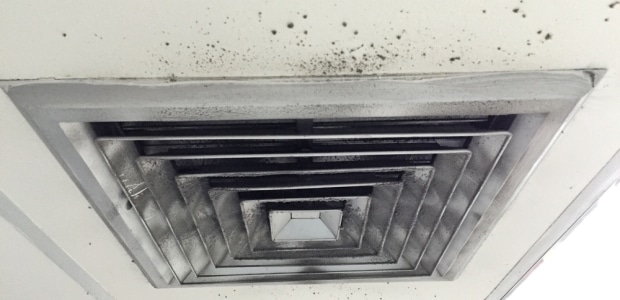

Winter often surprises homeowners with a sudden rise in basement moisture levels, even though the outdoor air feels cold and dry. This seasonal increase in indoor dampness can lead to mold growth, musty odors, structural damage, and poor air quality throughout the home. Understanding why moisture spikes in winter is essential for taking control of your basement environment and protecting your home year-round.
Winter moisture may not be obvious at first, but its effects become noticeable quickly. Condensation on basement walls, damp floors, increased humidity, and persistent odors are all signs that your home is struggling with poor ventilation and limited air movement during the colder months. Fortunately, with the right approach, winter basement moisture can be prevented and controlled.
Why Winter Causes Moisture Problems in Basements
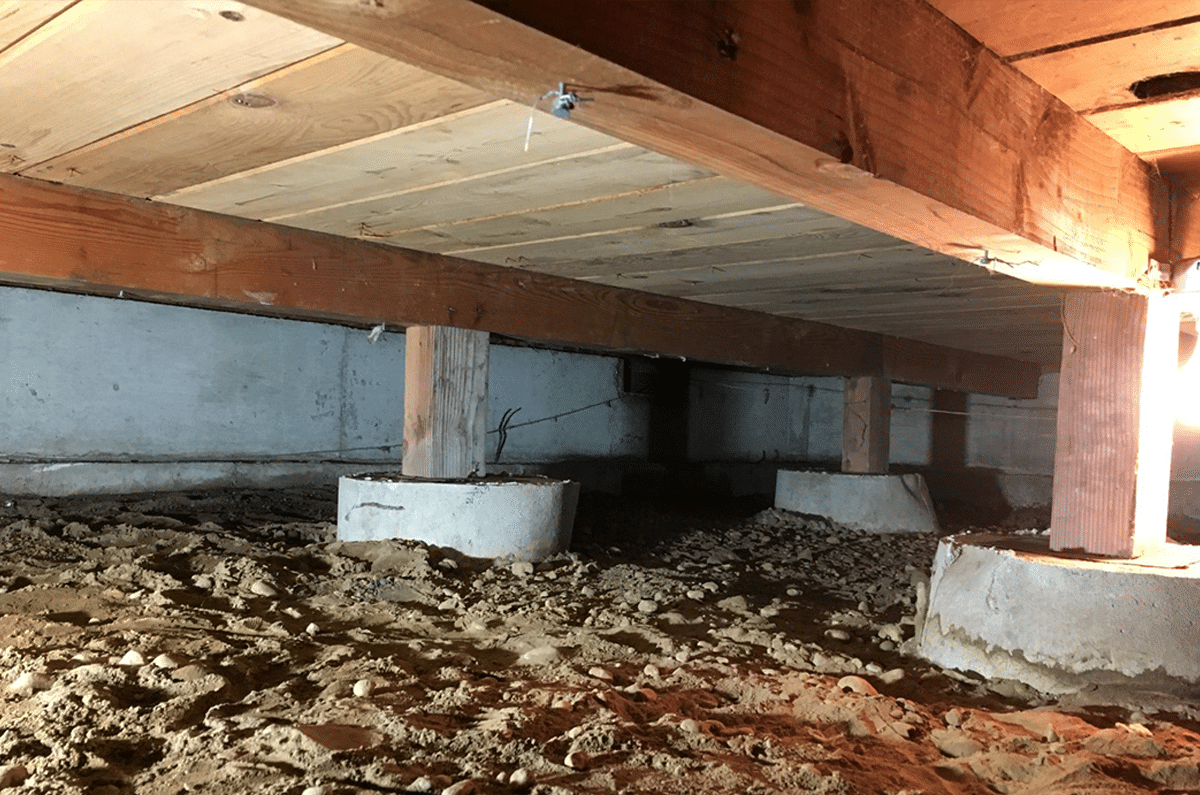
Although winter air is dry outdoors, indoor environments behave very differently. When warm air created by heating systems meets cold basement surfaces, moisture forms rapidly. Since basements are built below ground, they don’t benefit from natural airflow the way upper levels do. This combination makes winter one of the most challenging seasons for keeping basements dry.
Here are the primary reasons basement moisture spikes during cold weather:
1. Warm Indoor Air Meets Cold Basement Surfaces
Your heating system fills the home with warm air. That warm air naturally drifts downward and reaches the cooler environment of the basement. When the warm air comes in contact with cold walls, floors, or windows, condensation forms, increasing the humidity in the space.
 In winter, basements often show:
Water droplets on walls
Damp concrete floors
Moisture around windows
Higher humidity on hygrometers
Even small temperature differences can create a high-moisture environment.
2. Homes Are Sealed Tightly During Winter
To keep heat indoors, homeowners close windows, seal gaps, and reduce airflow. While this is great for energy efficiency, it creates a problem: moisture has nowhere to escape.
Without ventilation, basements trap:
Humid air
Odors
Mold spores
VOCs
Moisture from laundry, cooking, and heating
This stale air builds up, increasing humidity even more.
3. Stack Effect Pulls Moist Air Into the Basement
The stack effect describes how warm air rises and escapes from the upper levels of a home. As it rises, it creates negative pressure in the basement, pulling in cooler, damper air from outside soil or foundation cracks.
This constant cycle brings moisture into the basement while pushing contaminated air upward into the living areas.
4. Frozen Ground Pushes Moisture Toward Foundation Walls
During winter, soil around the home freezes and holds moisture against the foundation. Because water expands as it freezes, hydrostatic pressure increases. This pressure forces moisture through:
Foundation cracks
Basement walls
Floors
Mortar joints
Even if the basement doesn’t flood, vapors can still pass through porous concrete and raise humidity.
5. Everyday Activities Add Extra Indoor Moisture
In winter, families spend more time indoors. Heating systems run longer, humidifiers stay on, and warm showers and cooking become daily routines. These activities increase indoor humidity significantly.
Since basements absorb humidity from upper floors, they become the final destination for excess moisture.
The Consequences of Winter Basement Moisture
Moisture in a basement is never harmless. Even if there’s no visible water, persistent humidity creates an environment that encourages mold growth, structural issues, and air contamination.
Here’s what homeowners commonly experience:
1. Mold Growth Accelerates Indoors
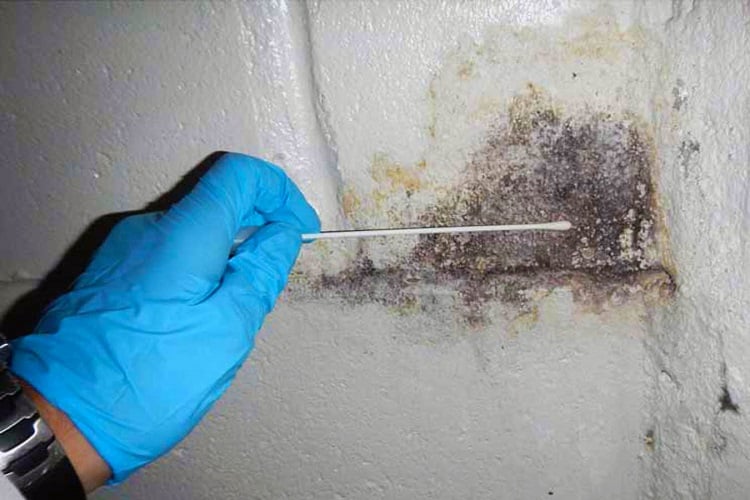
Mold needs only two things: moisture and organic material. Winter provides plenty of both. Once mold starts, it spreads quickly and releases spores into the air, affecting the entire home.
Winter mold often appears on:
Basement walls
Wooden beams
Stored items
Carpets and boxes
If you smell a musty odor, mold is likely already growing.
2. Musty Odors Become Stronger in Winter
Because windows remain closed, odors don’t escape. Damp basements often develop persistent smells that travel upward through the house.
3. Poor Indoor Air Quality Throughout the Home
As the basement air rises, it carries:
Moisture
Mold spores
Radon
Dust mites
Odors
This contributes to allergies, respiratory issues, and overall discomfort.
4. Increased Heating Costs
Moist air takes more energy to heat than dry air. When your home is humid during winter, your heating system must work harder, increasing utility bills.
Why Many Moisture Solutions Fail During Winter
Homeowners often try DIY solutions like dehumidifiers, portable fans, or opening basement windows occasionally. However, these methods typically fall short for one reason: they do not remove moisture at the source.
Let’s look at why common solutions are ineffective:
Dehumidifiers Remove Moisture but Not Contamination
A dehumidifier can reduce humidity, but it:
Doesn’t improve ventilation
Doesn’t remove stale, contaminated air
Performs poorly in cold basements
Requires constant maintenance
Most importantly, it recirculates the same air rather than replacing it.
Basement Windows Provide Minimal Air Exchange
Basements often have small windows that provide little airflow. In winter, homeowners rarely open them due to the cold, so humidity remains trapped.
Portable Fans Move Air but Don’t Dry It
Fans circulate moisture rather than removing it. They may help prevent stagnant air but do not solve the underlying humidity problem.
How Proper Ventilation Solves Winter Basement Moisture Problems
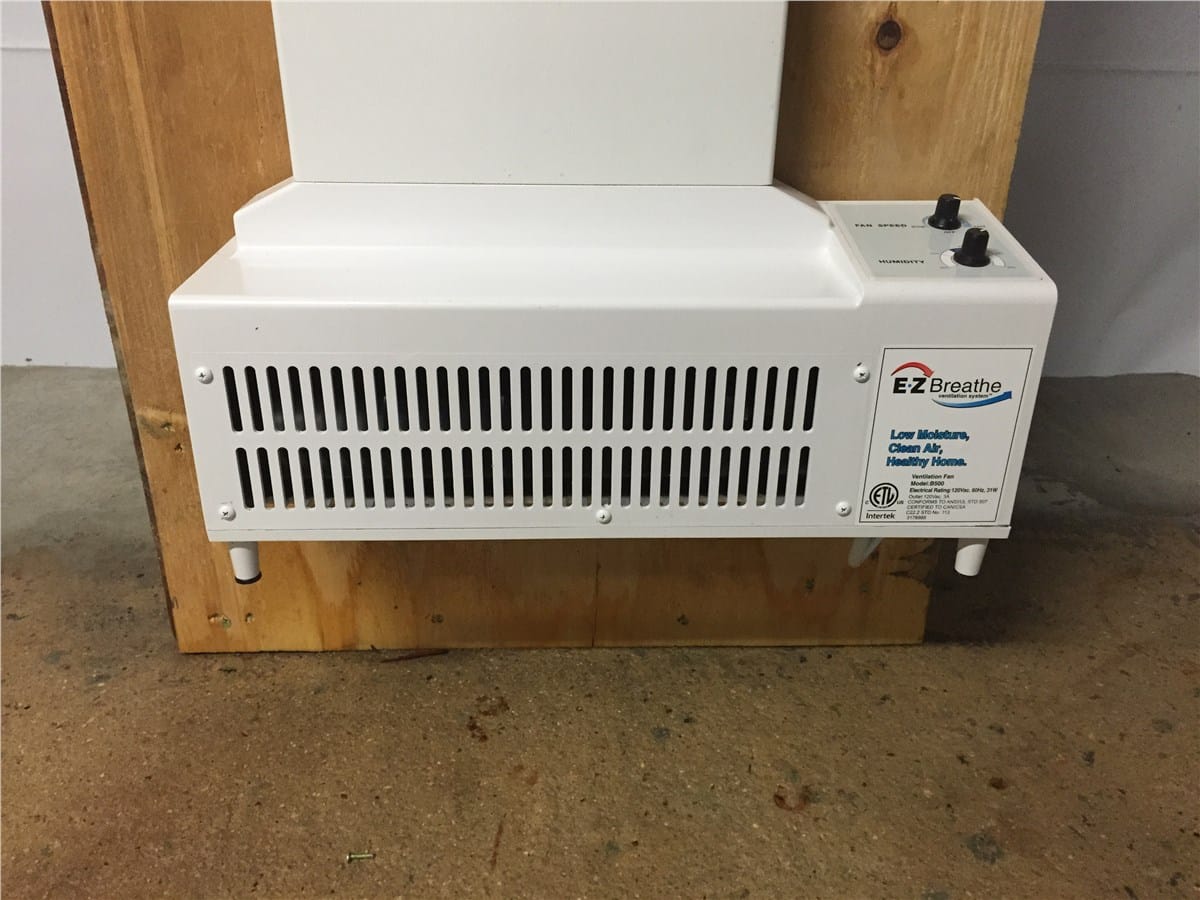
The most effective long-term solution to winter humidity is controlled ventilation. Instead of trying to extract moisture from stagnant indoor air, ventilation systems replace damp, contaminated basement air with fresher, drier air from outside.
Here’s how proper ventilation keeps basements dry in winter:
1. Removes Moisture-Laden Air at the Source
Continuous ventilation eliminates the humid air that naturally accumulates in the basement before it spreads to upper floors.
2. Introduces Drier Outdoor Air
Cold winter air is naturally less humid. When introduced indoors and warmed, it becomes even drier. This helps regulate moisture levels efficiently.
3. Prevents Mold Growth and Condensation
By lowering humidity, ventilation removes the conditions mold needs to survive.
4. Improves the Entire Home’s Air Quality
Cleaner, drier air from the basement leads to:
Fresher-smelling rooms
Reduced allergy symptoms
Lower radon concentration
Better respiratory health
5. Supports HVAC Efficiency
Dry air warms faster and holds less moisture, helping heating systems operate more efficiently and reducing winter energy costs.
Signs Your Basement Needs Better Ventilation This Winter
Homeowners should watch for subtle but important warning signs, such as:
A musty or damp smell
Condensation on walls or floors
Visible mold or mildew
Increased radon readings
Sticky air or poor airflow
Damp storage boxes or furniture
These signs indicate that moisture levels are too high and ventilation is insufficient.
Preventing Basement Moisture: What Homeowners Can Do Today
While a dedicated ventilation system is the best long-term solution, homeowners can adopt additional practices to keep moisture levels manageable:
 Use kitchen and bathroom exhaust fans regularly
Keep basement floors decluttered
Avoid storing cardboard boxes directly on concrete
Check for plumbing leaks
Keep dryer vents properly sealed and directed outdoors
Maintain gutters and downspouts to prevent water intrusion
 Use kitchen and bathroom exhaust fans regularly
These habits help support moisture control but cannot replace continuous ventilation.
Winter Moisture Is Manageable With the Right Ventilation Strategy
Winter may present unique challenges for basement moisture control, but homeowners don’t have to tolerate damp air, odors, or mold growth. By improving ventilation and addressing the root causes of humidity, basements can stay clean, dry, and comfortable throughout the winter season.
Proper ventilation not only prevents moisture problems, but also enhances indoor air quality, protects your home’s structure, and ensures a healthier living environment for your family.