Basement Air Quality: Improve Whole-Home Comfort with EZ Breathe
When homeowners think about indoor air quality, they usually focus on the spaces they live in every day, like bedrooms, kitchens, and living rooms. The basement is often overlooked, especially if it’s unfinished or rarely used. However, what many people don’t realize is that the air in your basement plays a major role in the air quality throughout your entire home.
Basements tend to be darker, cooler, and more humid than the rest of the house. These conditions create the perfect environment for stale air, moisture buildup, odors, and even mold growth. Over time, that compromised air doesn’t stay confined below ground. It moves upward, affecting comfort, health, and air quality in every living space above.
Understanding how basement air impacts your home is the first step toward creating a healthier indoor environment.
Why Basement Air Doesn’t Stay in the Basement
A common misconception is that air in the basement remains isolated. In reality, homes constantly exchange air between levels due to natural pressure differences. This process is known as the stack effect.
Warm air inside the home rises and escapes through upper levels, especially during colder months. As that air moves upward and out, it creates negative pressure in lower areas of the house. The basement then pulls in replacement air, which often includes moisture, odors, and contaminants. That same air eventually rises into the main living areas.
Because of this continuous movement, whatever is in your basement air will eventually circulate throughout your home.
Common Basement Conditions That Affect Air Quality
Basements are naturally more vulnerable to air quality problems than other parts of the house. Several factors contribute to this.
Excess Moisture and Humidity
xBasements are surrounded by soil, which holds moisture year-round. Even without visible water intrusion, humidity can seep through foundation walls and floors. Elevated humidity encourages musty odors and creates an environment where mold and mildew can thrive.
Stagnant, Trapped Air
Many basements lack proper airflow. Windows are rarely opened, and ventilation is minimal or nonexistent. Without consistent air exchange, stale air becomes trapped, allowing odors and airborne pollutants to linger.
Mold Spores and Microbial Growth
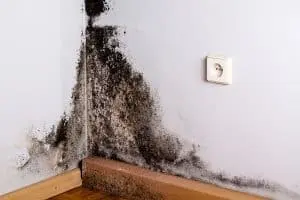
Moisture combined with limited airflow makes basements an ideal place for mold growth. Even when mold is not visible, spores can still be present in the air and spread throughout the home.
Odors and Airborne Pollutants
Musty smells, chemical odors from stored items, and soil gases can all accumulate in basement air. Over time, these odors travel upward, making the entire home feel less fresh.
How Poor Basement Air Quality Affects the Rest of the House
The impact of basement air quality goes far beyond unpleasant smells. It can affect how your home feels, how comfortable it is, and how healthy it is to live in.
Increased Indoor Humidity
When humid basement air rises, it can raise humidity levels throughout the home. This can lead to condensation on windows, discomfort during warmer months, and increased strain on HVAC systems.
Persistent Odors Upstairs
Many homeowners notice musty or stale smells on upper floors without realizing the source is the basement. Air fresheners may mask odors temporarily, but they don’t address the root cause.
Reduced Comfort and Air Freshness
Stale air circulation can make living spaces feel stuffy or heavy. Even with air conditioning or heating, the home may never feel truly fresh.
Potential Health Concerns
Poor air quality can aggravate allergies, respiratory sensitivities, and asthma symptoms. Mold spores, excess humidity, and airborne particles are often invisible but still impactful.
Why Dehumidifiers Alone Aren’t a Complete Solution
Dehumidifiers are commonly used to address basement moisture, and they can be helpful. However, they have limitations.
Dehumidifiers remove moisture from the air, but they don’t remove stale air, odors, or airborne contaminants. Once the unit fills up or shuts off, humidity can quickly return. They also require regular maintenance, cleaning, and monitoring.
Most importantly, dehumidifiers do not create fresh air exchange. The same air continues to circulate, just slightly drier. For long-term improvement, air needs to be replaced, not just treated.
The Role of Basement Ventilation in Whole-Home Air Quality
Proper basement ventilation addresses the problem at its source by continuously removing stale air and replacing it with fresh, filtered air. This process helps regulate humidity, reduce odors, and improve overall air quality.
A dedicated basement ventilation system works independently of your HVAC system. Instead of relying on passive airflow, it actively pulls out contaminated air and introduces cleaner air, creating a healthier environment below and above ground.
This is where systems like EZ Breathe come into play, offering a proactive approach to basement air quality management.
How Continuous Ventilation Makes a Difference
Unlike temporary solutions, continuous ventilation works around the clock to improve conditions.
Consistent Air Exchange
Fresh air replaces stale air on an ongoing basis, preventing buildup of moisture, odors, and pollutants.
Humidity Control Without Constant Monitoring
By reducing damp air and improving circulation, ventilation helps maintain healthier humidity levels naturally.
Odor Reduction at the Source
Instead of masking smells, ventilation removes the air causing them.
Improved Comfort Throughout the Home
As basement air quality improves, the air circulating through upper levels becomes cleaner and fresher as well.
Why Basement Air Quality Is Often Overlooked
Basement air quality issues are easy to ignore because they develop gradually. Homeowners may become accustomed to mild odors or assume humidity is normal for below-grade spaces. Since the effects are not always immediate, the basement rarely gets the attention it deserves.
Unfortunately, ignoring basement air quality can allow small issues to grow into larger problems that affect the entire home.
Contact EZ Breathe for Expert Basement Ventilation Solutions
You may want to evaluate your basement air quality if you notice:
Persistent musty odors
High humidity or damp conditions
Condensation on basement walls or windows
Allergy symptoms that worsen indoors
A stuffy or stale feeling throughout the house
These signs often indicate that basement air is impacting your living space more than you realize.
Improving Basement Air Quality the Right Way
A healthy home starts from the ground up. Addressing basement air quality isn’t just about comfort, it’s about creating a safer, cleaner living environment for everyone in the household.
Professional solutions focus on long-term improvement rather than temporary fixes. By combining moisture control with continuous ventilation, homeowners can reduce odors, limit mold-friendly conditions, and improve indoor air quality throughout the entire house.
Final Thoughts
Your basement may be out of sight, but it should never be out of mind. The air below your home directly affects the air you breathe every day. Improving basement air quality is one of the most effective steps homeowners can take to enhance comfort, protect indoor health, and maintain a fresher living environment year-round.
Systems designed specifically for basement ventilation offer a modern, reliable solution to a problem many homeowners didn’t even realize they had. When basement air improves, the entire home benefits.
Manage Consent
To provide the best experiences, we use technologies like cookies to store and/or access device information. Consenting to these technologies will allow us to process data such as browsing behavior or unique IDs on this site. Not consenting or withdrawing consent, may adversely affect certain features and functions.
Functional Always active
The technical storage or access is strictly necessary for the legitimate purpose of enabling the use of a specific service explicitly requested by the subscriber or user, or for the sole purpose of carrying out the transmission of a communication over an electronic communications network.
Preferences
The technical storage or access is necessary for the legitimate purpose of storing preferences that are not requested by the subscriber or user.
Statistics
The technical storage or access that is used exclusively for statistical purposes.The technical storage or access that is used exclusively for anonymous statistical purposes. Without a subpoena, voluntary compliance on the part of your Internet Service Provider, or additional records from a third party, information stored or retrieved for this purpose alone cannot usually be used to identify you.
Marketing
The technical storage or access is required to create user profiles to send advertising, or to track the user on a website or across several websites for similar marketing purposes.
The air in your basement, often out of sight and out of mind, significantly influences the overall air quality of your entire home. Basements typically harbor conditions like darkness, coolness, and higher humidity, creating an ideal breeding ground for stale air, moisture accumulation, unpleasant odors, and even mold.
These compromised atmospheric conditions do not remain isolated. As air naturally circulates upwards, the issues originating in the basement can permeate every living space, affecting your home's comfort, health, and general freshness. The basement then draws in replacement air, which can carry its own set of moisture, smells, and contaminants, perpetuating a cycle of poor indoor air quality.
Common Basement Air Quality Issues
Several factors contribute to the degradation of basement air quality, leading to a less healthy and comfortable living environment. These issues include the pervasive presence of excess moisture and humidity, which fosters an environment ripe for microbial growth. Stagnant, trapped air also becomes a breeding ground for pollutants, as there's no natural way for it to be replenished with fresh air.
Furthermore, basements can accumulate a variety of odors and airborne pollutants from stored items, soil gases, or even the dampness itself. The presence of mold spores and other microbial contaminants poses a direct threat to respiratory health. These combined issues can manifest as persistent musty smells that travel upstairs, increased indoor humidity levels, and a general reduction in the comfort and freshness of your home.
The Limitations of Dehumidifiers for Basement Air
While dehumidifiers are a common first step in addressing basement moisture, they offer an incomplete solution to the broader problem of basement air quality. Dehumidifiers are effective at removing water vapor from the air, thereby reducing humidity levels. However, their functionality stops there; they do not actively remove stale air, neutralize odors, or eliminate airborne contaminants.
Relying solely on a dehumidifier means that stale air, odors, and pollutants can continue to circulate and accumulate. These devices also require ongoing maintenance, including regular cleaning and emptying of water reservoirs. For a truly improved and healthier basement environment, active air exchange is necessary, not just moisture treatment.
How EZ Breathe Solves Basement Air Quality Problems
The EZ Breathe Ventilation System offers a comprehensive and proactive approach to tackling basement air quality issues by ensuring consistent air exchange. Unlike passive methods or dehumidifiers, EZ Breathe actively removes stale, contaminated air from the basement and introduces fresh, cleaner air. This continuous process helps to regulate humidity, significantly reduce odors at their source, and eliminate airborne pollutants.
By implementing a system designed for dedicated basement ventilation, homeowners can achieve a healthier living environment throughout their entire house. EZ Breathe's technology not only combats moisture and odors but also prevents the buildup of harmful contaminants, contributing to improved comfort, reduced allergy triggers, and overall better indoor air quality year-round.
Understanding the Impact of Basement Air Quality
The air in your basement, often out of sight and out of mind, significantly influences the overall air quality of your entire home. Basements typically harbor conditions like darkness, coolness, and higher humidity, creating an ideal breeding ground for stale air, moisture accumulation, unpleasant odors, and even mold.
These compromised atmospheric conditions do not remain isolated. As air naturally circulates upwards, the issues originating in the basement can permeate every living space, affecting your home's comfort, health, and general freshness. The basement then draws in replacement air, which can carry its own set of moisture, smells, and contaminants, perpetuating a cycle of poor indoor air quality.
Common Basement Air Quality Issues
Several factors contribute to the degradation of basement air quality, leading to a less healthy and comfortable living environment. These issues include the pervasive presence of excess moisture and humidity, which fosters an environment ripe for microbial growth. Stagnant, trapped air also becomes a breeding ground for pollutants, as there's no natural way for it to be replenished with fresh air.
Furthermore, basements can accumulate a variety of odors and airborne pollutants from stored items, soil gases, or even the dampness itself. The presence of mold spores and other microbial contaminants poses a direct threat to respiratory health. These combined issues can manifest as persistent musty smells that travel upstairs, increased indoor humidity levels, and a general reduction in the comfort and freshness of your home.
The Limitations of Dehumidifiers for Basement Air
While dehumidifiers are a common first step in addressing basement moisture, they offer an incomplete solution to the broader problem of basement air quality. Dehumidifiers are effective at removing water vapor from the air, thereby reducing humidity levels. However, their functionality stops there; they do not actively remove stale air, neutralize odors, or eliminate airborne contaminants.
Relying solely on a dehumidifier means that stale air, odors, and pollutants can continue to circulate and accumulate. These devices also require ongoing maintenance, including regular cleaning and emptying of water reservoirs. For a truly improved and healthier basement environment, active air exchange is necessary, not just moisture treatment.
How EZ Breathe Solves Basement Air Quality Problems
The EZ Breathe Ventilation System offers a comprehensive and proactive approach to tackling basement air quality issues by ensuring consistent air exchange. Unlike passive methods or dehumidifiers, EZ Breathe actively removes stale, contaminated air from the basement and introduces fresh, cleaner air. This continuous process helps to regulate humidity, significantly reduce odors at their source, and eliminate airborne pollutants.
By implementing a system designed for dedicated basement ventilation, homeowners can achieve a healthier living environment throughout their entire house. EZ Breathe's technology not only combats moisture and odors but also prevents the buildup of harmful contaminants, contributing to improved comfort, reduced allergy triggers, and overall better indoor air quality year-round.