

EZ Breathe System
Have you ever noticed that a musty smell in the basement eventually finds its way into your upstairs master bedroom? Or perhaps you’ve wondered why

Have you ever noticed that a musty smell in the basement eventually finds its way into your upstairs master bedroom? Or perhaps you’ve wondered why
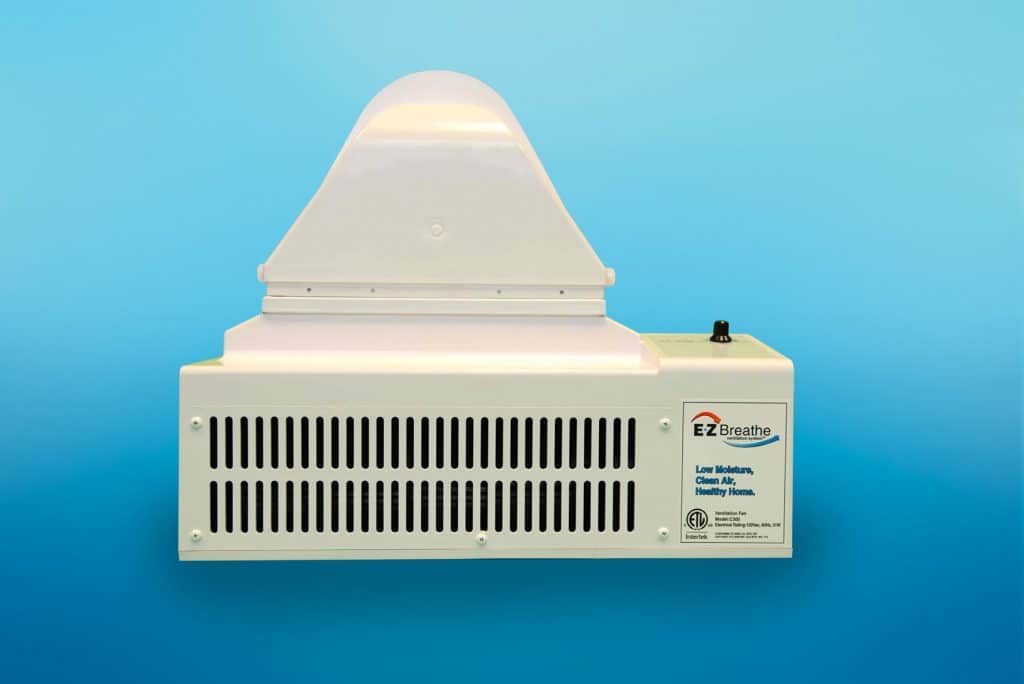
For decades, the go-to solution for a damp basement was a portable dehumidifier. Homeowners would diligently empty water buckets or set up hose drains, expecting
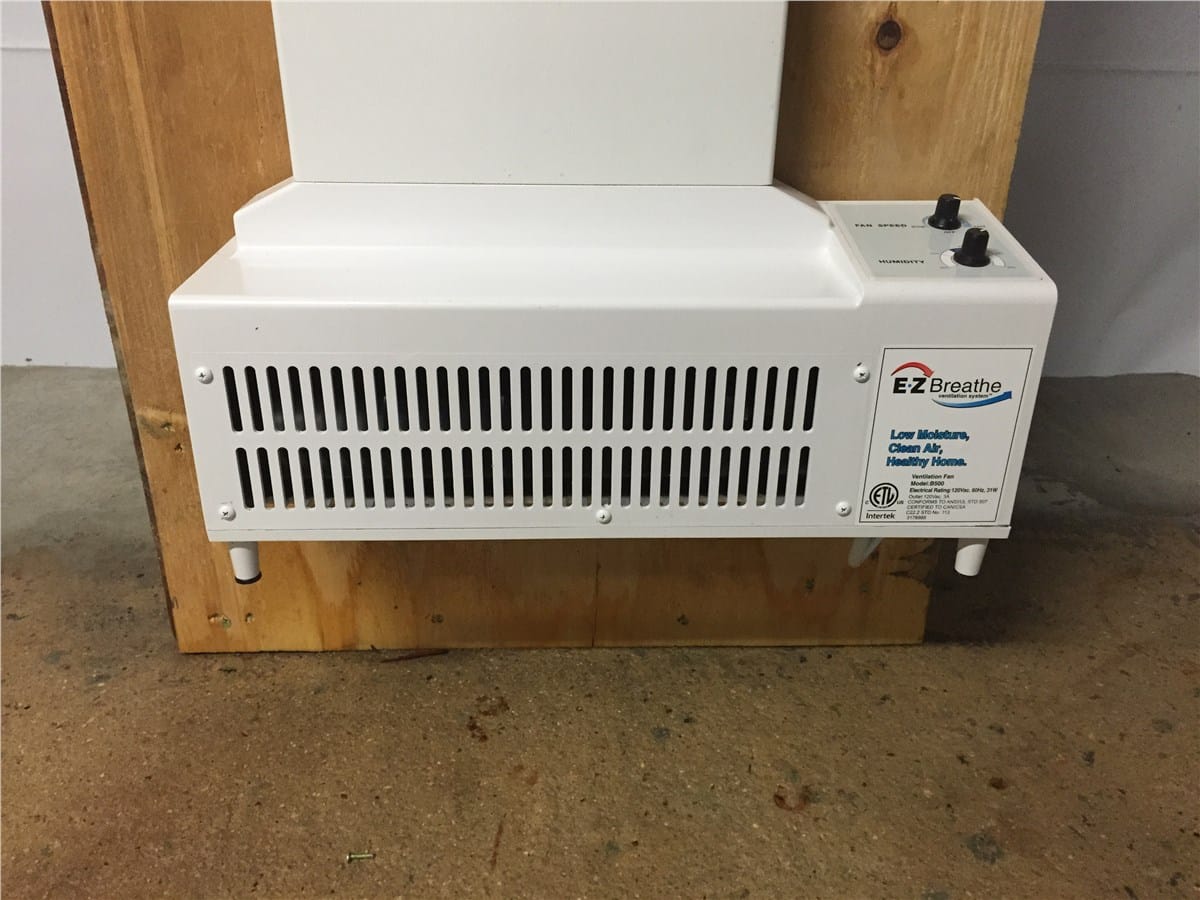
When homeowners struggle with a damp basement, a musty crawlspace, or heavy indoor air, their first instinct is often to head to a local hardware

For many homeowners, a damp, “earthy” aroma in the lower levels of the house is simply accepted as a part of owning a home with
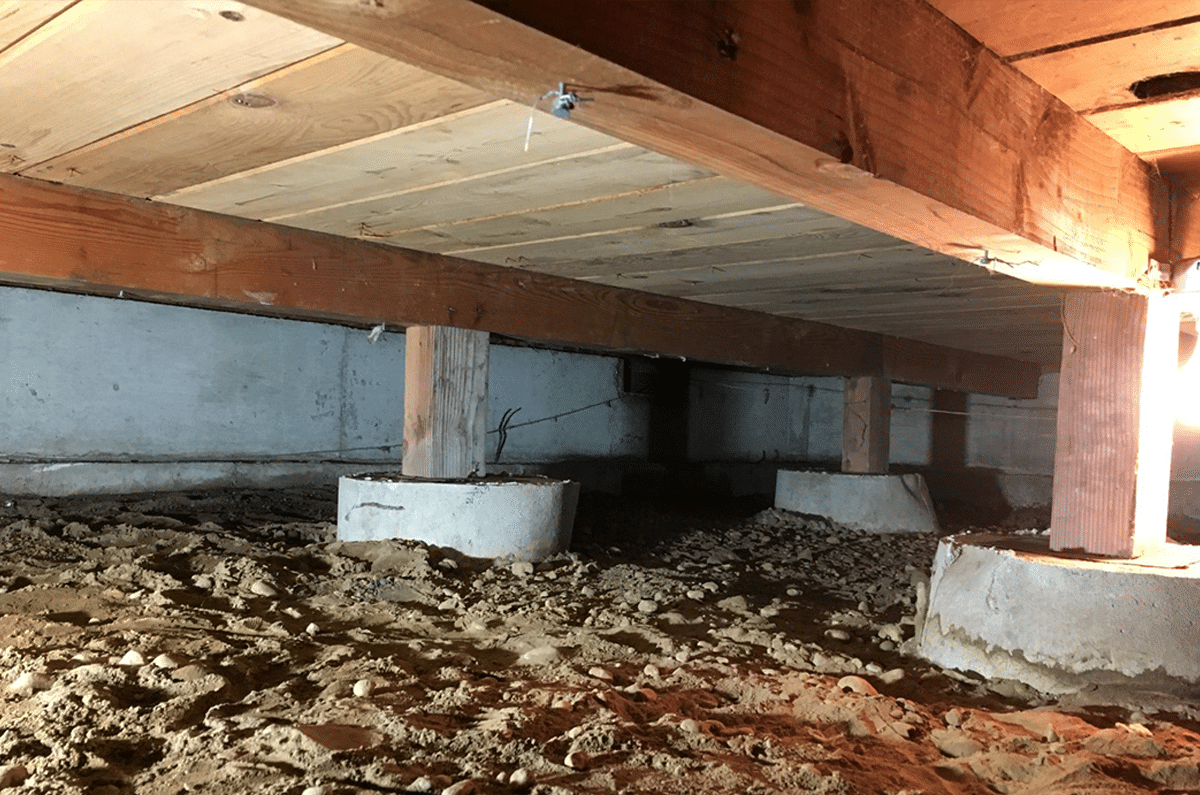
For many homeowners, the crawlspace is an “out of sight, out of mind” area. However, this narrow gap between the ground and your first floor
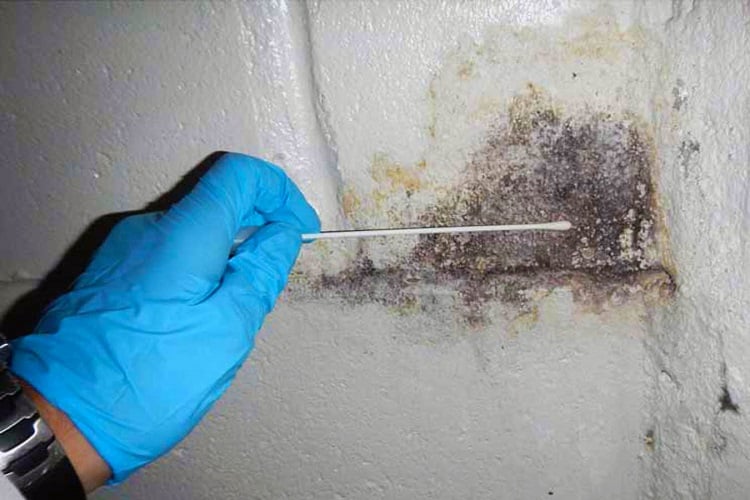
Mold is one of the most persistent and misunderstood problems homeowners face in basements. Many people believe that mold only appears after visible water damage
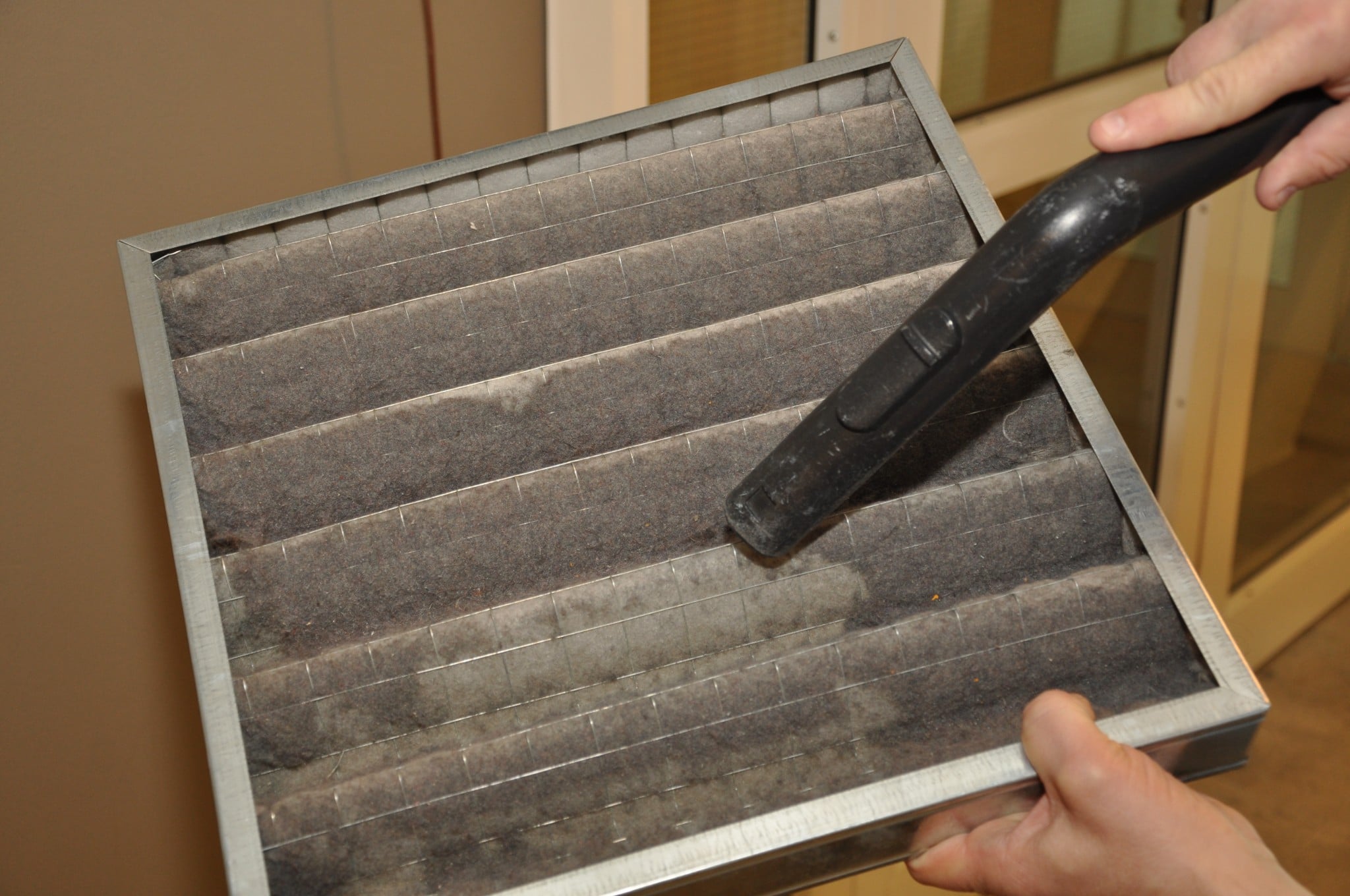
When homeowners think about indoor air quality, they usually focus on the spaces they live in every day, like bedrooms, kitchens, and living rooms. The
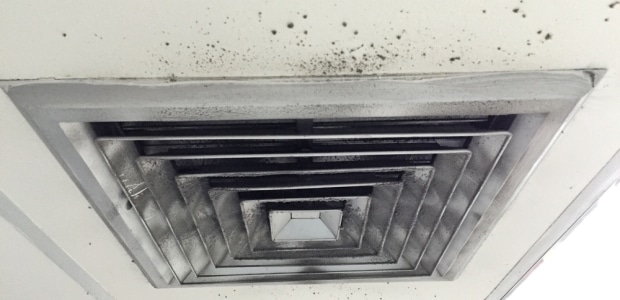
Persistent basement odors are more than just an inconvenience. While many homeowners associate musty smells with old houses or seasonal dampness, these odors often signal

For many homeowners dealing with damp basements, the first solution that comes to mind is a dehumidifier. These machines are widely available, easy to install,
