
Why EZ Breathe’s Whole-Basement Ventilation Outperforms Dehumidifiers

For many homeowners dealing with damp basements, the first solution that comes to mind is a dehumidifier. These machines are widely available, easy to install, and often marketed as a cure-all for basement moisture problems. While dehumidifiers can help reduce humidity levels, they rarely solve the underlying air quality issues that originate in basements.

Moisture, odors, and stale air are deeply connected. Focusing only on humidity control without addressing airflow often leads to short-term improvements and long-term frustration. To truly improve basement conditions and protect the air quality of the entire home, ventilation plays a much more critical role than most homeowners realize.

What Dehumidifiers Actually Do (And What They Don’t)
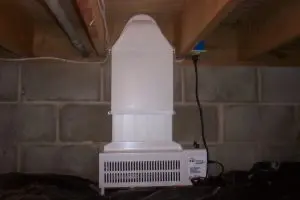
EZ Breathe ventilation unit installed in a basement, designed for whole-space air exchange and humidity control to improve indoor air quality.Dehumidifiers are designed to remove excess moisture from the air. They pull in humid air, condense the moisture, and release drier air back into the space. This process can be effective in reducing relative humidity, especially in enclosed areas.

However, dehumidifiers have clear limitations.

They do not remove stale air, airborne contaminants, or odors. The same air continues to circulate within the basement, just with less moisture. If the source of humidity remains, such as soil moisture, foundation seepage, or poor airflow, the problem often returns quickly once the unit shuts off or fills up.

Dehumidifiers also require regular maintenance. Filters need cleaning, collection tanks must be emptied or drained, and performance can decline over time if upkeep is neglected.

The Hidden Problem: Stagnant Basement Air

Basements commonly suffer from limited airflow. Windows are rarely opened, and many basements are not connected to proper ventilation systems. As a result, air becomes trapped.

When air remains stagnant, it allows moisture, odors, and pollutants to build up. Even if humidity is reduced temporarily, stale air continues to linger, carrying musty smells and microscopic particles throughout the space.

This stagnant air doesn’t stay put. Due to natural air movement within the home, basement air gradually rises into upper floors, affecting indoor air quality far beyond the basement itself.

Why Moisture Control Alone Isn’t Enough

Humidity is only one part of the air quality equation. While controlling moisture is important, it does not address:

  • Musty or unpleasant odors

  • Mold spores already present in the air

  • Volatile compounds from stored items

  • Soil gases that enter through foundation materials

Without fresh air exchange, these elements remain trapped. Over time, they continue to circulate and contribute to discomfort, odor issues, and potential health concerns.

This is why many homeowners feel frustrated when a dehumidifier runs constantly but the basement still smells damp or stale.

The Difference Between Treating Air and Replacing It

The key distinction between dehumidification and ventilation lies in air replacement.

  • Dehumidifiers treat existing air

  • Ventilation systems replace stale air with fresh air

Whole-basement ventilation works by actively removing contaminated air and bringing in cleaner air. This exchange prevents buildup rather than trying to manage symptoms after they appear.

By continually cycling air, ventilation addresses the root causes of basement air quality problems instead of reacting to them.

How Whole-Basement Ventilation Works

A dedicated basement ventilation system operates independently from your heating and cooling equipment. It is designed specifically for below-grade environments, where moisture and stagnant air are most common.

These systems gently but consistently pull stale air out of the basement while introducing fresh, filtered air. Over time, this process improves air circulation, reduces odors, and helps regulate humidity naturally.

Unlike temporary solutions, ventilation works continuously, providing long-term improvement rather than short bursts of relief.

Systems such as EZ Breathe are designed to meet these exact needs, focusing on consistent airflow instead of intermittent moisture removal.

Why Ventilation Improves Humidity Control Naturally

Ventilation doesn’t just move air, it helps stabilize moisture levels.

When damp air is removed and replaced with drier outside air, overall humidity decreases. This reduces the conditions that allow mold and mildew to thrive. Unlike dehumidifiers that cycle on and off, ventilation works steadily to prevent humidity from building up in the first place.

This approach often results in more consistent humidity control with less hands-on maintenance.

Odor Control Starts With Airflow

Basement odors are a common complaint, especially musty or earthy smells. These odors are usually not caused by a single source. Instead, they develop from a combination of moisture, organic materials, and stagnant air.

Ventilation addresses odors by removing the air that carries them. Instead of masking smells with sprays or relying on filters alone, airflow eliminates the problem at its source.

As stale air is replaced, basements begin to smell cleaner and fresher, and those improvements extend into the rest of the home.

Health and Comfort Benefits of Proper Ventilation

Improving basement air quality can have a noticeable impact on daily comfort.

  • Reduced stuffiness throughout the home

  • Fewer lingering odors

  • Improved air freshness in living spaces

  • Less strain on HVAC systems

For individuals sensitive to airborne irritants, better airflow can also reduce discomfort associated with poor indoor air quality.

While ventilation is not a medical treatment, creating cleaner indoor air supports a healthier living environment overall.

Common Scenarios Where Dehumidifiers Fall Short
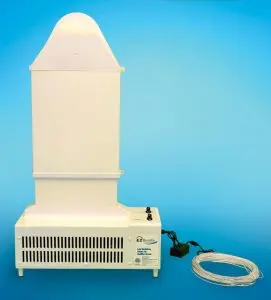
EZ Breathe whole-basement ventilation system designed for improved air quality, featuring a sleek white unit with a tall vent, positioned against a blue background.Many homeowners rely on dehumidifiers for years without realizing why problems persist. Common situations include:

  • Basements that smell musty despite low humidity readings

  • Units that run constantly but never fully solve the issue

  • Moisture returning quickly after power outages

  • Mold reappearing even after cleaning

In these cases, the issue is rarely just moisture. It is a lack of proper air exchange.

Why Whole-Basement Ventilation Is a Long-Term Solution

Ventilation systems are designed for continuous operation and minimal maintenance. Once installed, they quietly improve air quality without requiring constant attention.

Unlike portable units, ventilation systems do not need to be emptied, moved, or monitored daily. Their consistent performance makes them a reliable long-term solution for basement air quality management.

Over time, this proactive approach can help protect both the basement environment and the comfort of the entire home.

Choosing the Right Approach for Your Basement

Every basement is different. Factors such as foundation type, climate, moisture levels, and existing air circulation all play a role in determining the best solution.

In many cases, the most effective strategy combines moisture management with proper ventilation. Rather than relying solely on temporary fixes, homeowners benefit from systems designed to address how basements actually behave over time.

Professional evaluation can help determine whether ventilation, moisture control, or a combination of both is the right approach.

Final Thoughts

Dehumidifiers can be useful tools, but they are not complete solutions for basement air quality problems. By focusing only on moisture, they leave critical issues like stagnant air, odors, and airborne contaminants unresolved.

Whole-basement ventilation shifts the focus from short-term symptom control to long-term prevention. By continuously replacing stale air with fresh air, homeowners can create healthier, more comfortable living environments from the ground up.

When basement air improves, the entire home benefits, making ventilation one of the most overlooked but impactful upgrades a homeowner can make.

For many homeowners dealing with damp basements, the first solution that comes to mind is a dehumidifier. These machines are widely available, easy to install, and often marketed as a cure-all for basement moisture problems. While dehumidifiers can help reduce humidity levels, they rarely solve the underlying air quality issues that originate in basements.

Moisture, odors, and stale air are deeply connected. Focusing only on humidity control without addressing airflow often leads to short-term improvements and long-term frustration. To truly improve basement conditions and protect the air quality of the entire home, ventilation plays a much more critical role than most homeowners realize.

What Dehumidifiers Actually Do (And What They Don’t)

EZ Breathe ventilation unit installed in a basement, designed for whole-space air exchange and humidity control to improve indoor air quality.Dehumidifiers are designed to remove excess moisture from the air. They pull in humid air, condense the moisture, and release drier air back into the space. This process can be effective in reducing relative humidity, especially in enclosed areas.

However, dehumidifiers have clear limitations.

They do not remove stale air, airborne contaminants, or odors. The same air continues to circulate within the basement, just with less moisture. If the source of humidity remains, such as soil moisture, foundation seepage, or poor airflow, the problem often returns quickly once the unit shuts off or fills up.

Dehumidifiers also require regular maintenance. Filters need cleaning, collection tanks must be emptied or drained, and performance can decline over time if upkeep is neglected.

The Hidden Problem: Stagnant Basement Air

Basements commonly suffer from limited airflow. Windows are rarely opened, and many basements are not connected to proper ventilation systems. As a result, air becomes trapped.

When air remains stagnant, it allows moisture, odors, and pollutants to build up. Even if humidity is reduced temporarily, stale air continues to linger, carrying musty smells and microscopic particles throughout the space.

This stagnant air doesn’t stay put. Due to natural air movement within the home, basement air gradually rises into upper floors, affecting indoor air quality far beyond the basement itself.

Why Moisture Control Alone Isn’t Enough

Humidity is only one part of the air quality equation. While controlling moisture is important, it does not address:

  • Musty or unpleasant odors

  • Mold spores already present in the air

  • Volatile compounds from stored items

  • Soil gases that enter through foundation materials

Without fresh air exchange, these elements remain trapped. Over time, they continue to circulate and contribute to discomfort, odor issues, and potential health concerns.

This is why many homeowners feel frustrated when a dehumidifier runs constantly but the basement still smells damp or stale.

The Difference Between Treating Air and Replacing It

The key distinction between dehumidification and ventilation lies in air replacement.

  • Dehumidifiers treat existing air

  • Ventilation systems replace stale air with fresh air

Whole-basement ventilation works by actively removing contaminated air and bringing in cleaner air. This exchange prevents buildup rather than trying to manage symptoms after they appear.

By continually cycling air, ventilation addresses the root causes of basement air quality problems instead of reacting to them.

How Whole-Basement Ventilation Works

A dedicated basement ventilation system operates independently from your heating and cooling equipment. It is designed specifically for below-grade environments, where moisture and stagnant air are most common.

These systems gently but consistently pull stale air out of the basement while introducing fresh, filtered air. Over time, this process improves air circulation, reduces odors, and helps regulate humidity naturally.

Unlike temporary solutions, ventilation works continuously, providing long-term improvement rather than short bursts of relief.

Systems such as EZ Breathe are designed to meet these exact needs, focusing on consistent airflow instead of intermittent moisture removal.

Why Ventilation Improves Humidity Control Naturally

Ventilation doesn’t just move air, it helps stabilize moisture levels.

When damp air is removed and replaced with drier outside air, overall humidity decreases. This reduces the conditions that allow mold and mildew to thrive. Unlike dehumidifiers that cycle on and off, ventilation works steadily to prevent humidity from building up in the first place.

This approach often results in more consistent humidity control with less hands-on maintenance.

Odor Control Starts With Airflow

Basement odors are a common complaint, especially musty or earthy smells. These odors are usually not caused by a single source. Instead, they develop from a combination of moisture, organic materials, and stagnant air.

Ventilation addresses odors by removing the air that carries them. Instead of masking smells with sprays or relying on filters alone, airflow eliminates the problem at its source.

As stale air is replaced, basements begin to smell cleaner and fresher, and those improvements extend into the rest of the home.

Health and Comfort Benefits of Proper Ventilation

Improving basement air quality can have a noticeable impact on daily comfort.

  • Reduced stuffiness throughout the home

  • Fewer lingering odors

  • Improved air freshness in living spaces

  • Less strain on HVAC systems

For individuals sensitive to airborne irritants, better airflow can also reduce discomfort associated with poor indoor air quality.

While ventilation is not a medical treatment, creating cleaner indoor air supports a healthier living environment overall.

Common Scenarios Where Dehumidifiers Fall Short

EZ Breathe whole-basement ventilation system designed for improved air quality, featuring a sleek white unit with a tall vent, positioned against a blue background.Many homeowners rely on dehumidifiers for years without realizing why problems persist. Common situations include:

  • Basements that smell musty despite low humidity readings

  • Units that run constantly but never fully solve the issue

  • Moisture returning quickly after power outages

  • Mold reappearing even after cleaning

In these cases, the issue is rarely just moisture. It is a lack of proper air exchange.

Why Whole-Basement Ventilation Is a Long-Term Solution

Ventilation systems are designed for continuous operation and minimal maintenance. Once installed, they quietly improve air quality without requiring constant attention.

Unlike portable units, ventilation systems do not need to be emptied, moved, or monitored daily. Their consistent performance makes them a reliable long-term solution for basement air quality management.

Over time, this proactive approach can help protect both the basement environment and the comfort of the entire home.

Choosing the Right Approach for Your Basement

Every basement is different. Factors such as foundation type, climate, moisture levels, and existing air circulation all play a role in determining the best solution.

In many cases, the most effective strategy combines moisture management with proper ventilation. Rather than relying solely on temporary fixes, homeowners benefit from systems designed to address how basements actually behave over time.

Professional evaluation can help determine whether ventilation, moisture control, or a combination of both is the right approach.

Final Thoughts

Dehumidifiers can be useful tools, but they are not complete solutions for basement air quality problems. By focusing only on moisture, they leave critical issues like stagnant air, odors, and airborne contaminants unresolved.

Whole-basement ventilation shifts the focus from short-term symptom control to long-term prevention. By continuously replacing stale air with fresh air, homeowners can create healthier, more comfortable living environments from the ground up.

When basement air improves, the entire home benefits, making ventilation one of the most overlooked but impactful upgrades a homeowner can make.

Facebook
Twitter
LinkedIn
WhatsApp