
Garages, utility rooms, and other adjacent spaces are often ignored when it comes to indoor air quality. Homeowners tend to focus on basements, crawlspaces, and main living areas, assuming that garages are separate enough not to affect the rest of the house. In reality, garages are one of the biggest sources of poor indoor air quality and recurring moisture problems.
Because garages frequently contain vehicles, chemical products, tools, stored belongings, and fluctuating temperatures, they become hotspots for odors, mold growth, and allergen accumulation. What many homeowners don’t know is that the air inside a garage doesn’t stay there—contaminants easily migrate into the rest of the home through shared walls, entry doors, and the stack effect.
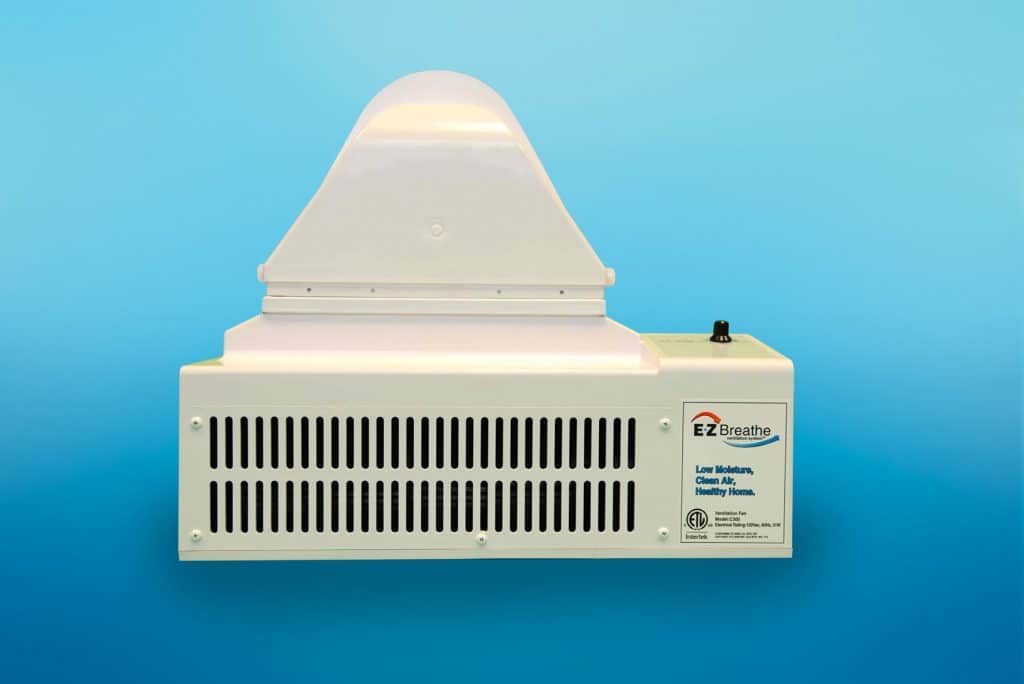
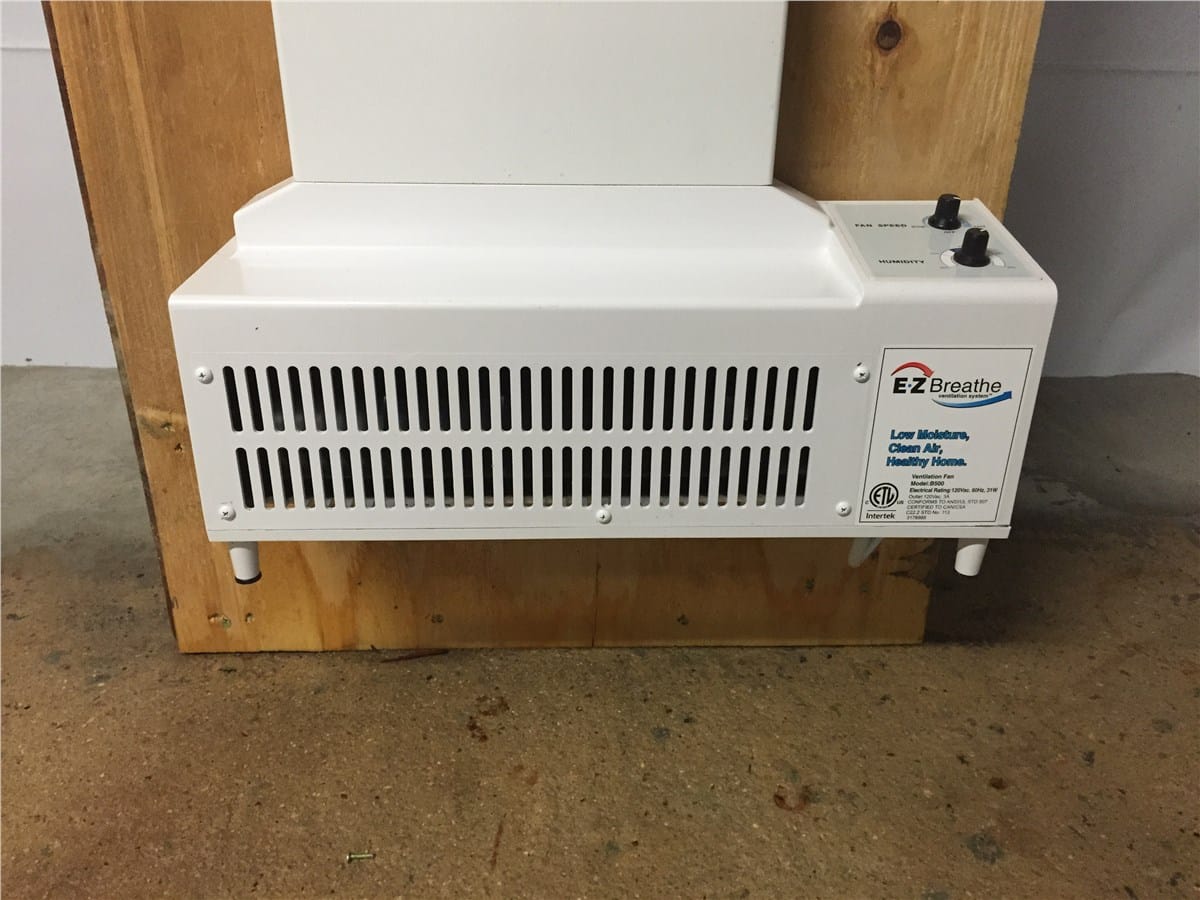
This article examines why garages and adjacent spaces often develop persistent odors and moisture issues, how these problems impact the entire home, and how a continuous ventilation system, such as EZ Breathe, provides a powerful, long-term solution.
Garages: The Perfect Environment for Odors and Moisture to Thrive
Garages are unique spaces within a home because they combine indoor and outdoor conditions. They are partially insulated, exposed to outdoor air, and often house items that produce fumes or off-gassing. This environment creates the ideal recipe for stale smells, moisture buildup, and unhealthy air.
Common Garage Conditions That Trigger Problems
 Temperature fluctuations are hot in summer, cold in winter
High humidity due to a lack of insulation
Minimal airflow
Storage of chemicals, paint, fuel, and cleaning products
Vehicles that emit fumes and exhaust residue
Dampness from rain, snow, or wet cars
Basements or living spaces directly attached
 Temperature fluctuations are hot in summer, cold in winter
When these factors combine, garages accumulate:
Musty odors
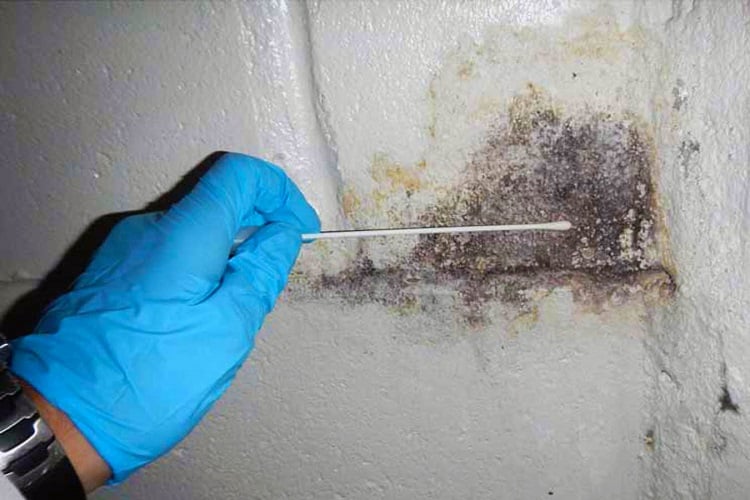
Mold and mildew
Chemical fumes
Dust and allergens
Persistent dampness
Without ventilation, contaminants remain trapped and intensify.
Why Odors Become Embedded in Garages and Spread Indoors
Garages are one of the primary sources of household odors because they contain materials that continuously release volatile organic compounds (VOCs). These gases come from items like gasoline, oil, adhesives, fertilizers, stored clothing, drywall scrap, insulation, and cardboard boxes.
When VOCs accumulate, they create strong, lingering odors.
The Migration of Garage Odors into the Home
Many homeowners are surprised to learn that garage air often enters the home through:
Gaps around service doors
Air ducts connected to adjoining rooms
Cracks in drywall or flooring
Attic or crawlspace access points
The pressure created by the stack effect
This means contaminants do not stay isolated. They drift into hallways, laundry rooms, kitchens, and even bedrooms.
Moisture Problems in Garages: A Growing Concern
Humidity is a hidden enemy in garages. Because these spaces are not usually climate-controlled, moisture can enter easily and remain trapped.
Top Causes of Moisture Buildup
Wet vehicles entering the garage
Rain, snow, and ice melt off cars, creating puddles that boost humidity.Poor insulation and airflow
Garages rarely have proper ventilation, allowing moisture to linger.Concrete slab absorption
Garage floors pull moisture from both the ground and the air.No direct sunlight
Garages stay cooler, slowing evaporation.Stored items like cardboard and fabric
These materials absorb moisture and promote mold growth.
Signs of Excess Moisture in Garages
Musty smells
Mold on walls, ceilings, or stored items
Condensation on doors or windows
Rust on tools and metal shelves
Warped or damp cardboard boxes
Crumbling drywall
These symptoms often go unnoticed until the damage becomes advanced.
Mold Growth: One of the Biggest Risks in Garages and Adjacent Spaces
Garages provide nearly perfect conditions for mold:
Moisture from weather or humidity
Organic materials like wood, cardboard, insulation
Dark, enclosed corners
Moderate temperatures
Once mold becomes active, it spreads quickly.
Where Mold Commonly Appears
Behind stored boxes
On wooden studs
Around the garage door frame
On insulation
On the ceiling where warm indoor air meets cool exterior air
On tools or bicycles
How Mold in Garages Affects the Home
Even if mold is confined to the garage, spores can enter the home through:
The garage-to-house door
HVAC systems nearby
Attic or crawlspace connections
Air leaks around framing
This can trigger:
Allergies
Asthma flare-ups
Sinus problems
Eye and throat irritation
Strong odors drifting into the home
Garages should never be ignored in moisture and mold control plans.
Why Allergens Thrive in Unventilated Garage Spaces
Allergens like mold spores, dust mites, pollen, and pet dander accumulate in garages because there is limited air movement. Many homeowners store pet supplies or even allow pets to pass through the garage, increasing the allergen load.
Without Ventilation:
Dust accumulates on tools, shelves, and belongings
Mold spores multiply in humid corners
Pollen enters when the garage door opens and becomes trapped
Fumes and VOCs mix with existing allergens
This creates a cocktail of pollutants that easily travels into living spaces.
How Adjacent Spaces Are Affected
Garages rarely exist in isolation—they often connect to:
Laundry rooms
Mudrooms
Basements
Utility rooms
Kitchens
Bonus rooms above the garage
These areas absorb garage-related moisture and pollutants quickly.
Common Issues in Adjacent Areas
Musty odors spreading indoors
Mold on walls shared with the garage
Poor air quality in bedrooms located above garages
Increased dust and allergens in nearby rooms
Higher humidity levels affecting flooring and drywall
When homeowners notice these issues, they often focus on symptoms instead of addressing the source—the garage.
Why Traditional Solutions Don’t Fix the Problem
Many homeowners try to solve garage odors or moisture by using:
Air fresheners – Mask smells but do not remove moisture or contaminants
Opening windows – Allows humid air in during summer and cold air in winter
Portable dehumidifiers – Collect water but do not exchange stale air
Exhaust fans – Often too weak or used intermittently
Insulation upgrades – Help with temperature but do not address humidity
Garage door seals – Keep outdoor air out but trap contaminated air inside
These solutions treat isolated symptoms and rarely improve overall air quality.
Why Continuous Ventilation Is the Key to Solving Garage Moisture and Odor Problems
Garage air needs to be replaced, not recirculated. This is where a system like EZ Breathe becomes especially valuable.
How EZ Breathe Works in Garages and Adjacent Spaces
 Removes humid, stale air at its source
Pushes contaminants, fumes, and odors outside
Pulls in fresher, drier air from upper areas of the home
Prevents mold, mildew, and bacteria growth
Reduces VOC concentration
Controls humidity naturally without refrigeration coils
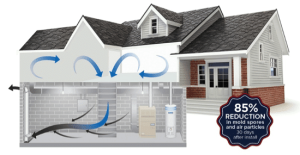 Removes humid, stale air at its source
Because EZ Breathe runs continuously, it prevents the buildup that leads to odors and moisture damage.
Health Benefits of Ventilating Garages and Utility Areas
Improved ventilation in garages and nearby rooms results in:
Fewer respiratory irritants
Reduced mold exposure
Lower allergen levels
Better air quality throughout the home
A safer environment for children and pets
Fewer chemical fumes drifting indoors
Many families notice a difference within days of installing a ventilation system.
Structural Benefits of Proper Ventilation
Beyond air quality, ventilation also protects the home itself.
Reduces Rust and Corrosion
Tools, bicycles, and equipment last longer in a dry environment.
Protects Stored Belongings
Moisture damages cardboard, fabrics, papers, and electronics. Ventilation keeps the space dry.
Prevents Drywall and Insulation Damage
Humidity weakens garage materials over time. Proper airflow maintains stable conditions.
Stops Mold from Spreading Behind Walls
Ventilation removes moisture before it penetrates deeper structures.
Why EZ Breathe Is a Superior Choice for Garage Ventilation
EZ Breathe is designed for whole-space ventilation, not spot treatment.
Key Advantages
Energy-efficient operation
No water buckets or filters
Quiet and continuous airflow
Ideal for garages, basements, and utility rooms
Removes odors, moisture, allergens, and fumes simultaneously
Requires minimal maintenance
Because it improves air quality at the source, it also enhances comfort and air purity throughout the entire home.
FAQs
1. Can EZ Breathe be installed in a garage?
Yes. It is effective for garages, utility rooms, workshops, and adjacent spaces.
2. Will ventilation help with chemical odors?
Absolutely. EZ Breathe vents VOCs and fumes outside instead of letting them accumulate.
3. Does it reduce humidity?
Yes—by expelling humid air and replacing it with fresher, drier air.
4. Will it interfere with heating or cooling?
No. It complements your HVAC system by improving airflow and reducing pollutants.
5. Can it help with mold removal?
Ventilation prevents mold growth by managing moisture, but existing mold may require remediation first.
Conclusion: A Cleaner, Drier, Healthier Home Starts with Your Garage
Garages and adjacent spaces are often overlooked, yet they are major contributors to home moisture, odors, and pollutant levels. Because these areas lack insulation, trap humidity, and contain chemical products, they can quickly become some of the unhealthiest parts of the home. Worse yet, contaminants easily migrate into living spaces through shared walls and the natural airflow of the home.
A continuous ventilation system like EZ Breathe offers a powerful solution by removing stale, humid, and contaminated air at the source. By improving airflow, reducing moisture, and preventing mold growth, it transforms garages and connected spaces into cleaner, safer parts of the home.
If you want a long-term, low-maintenance way to control odors, humidity, and allergens starting with proper garage ventilation is one of the smartest decisions you can make.