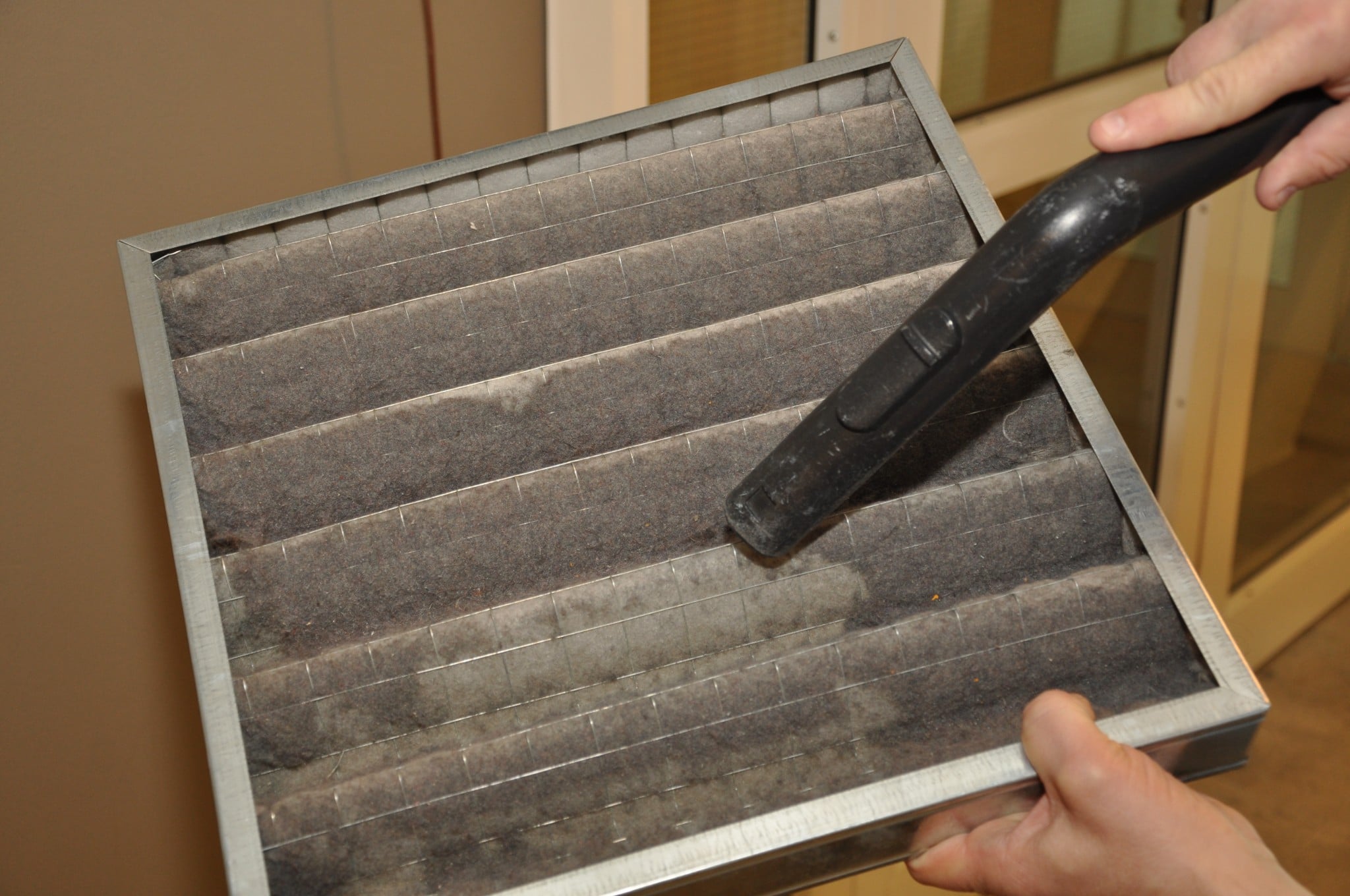

Moisture control is one of the primary objectives of basement ventilation systems. Excess moisture in basements can lead to a host of problems, including mold growth, structural damage, and poor indoor air quality. In this article, we’ll explore the role of basement ventilation in moisture control and discuss strategies for effectively managing moisture levels in basements.
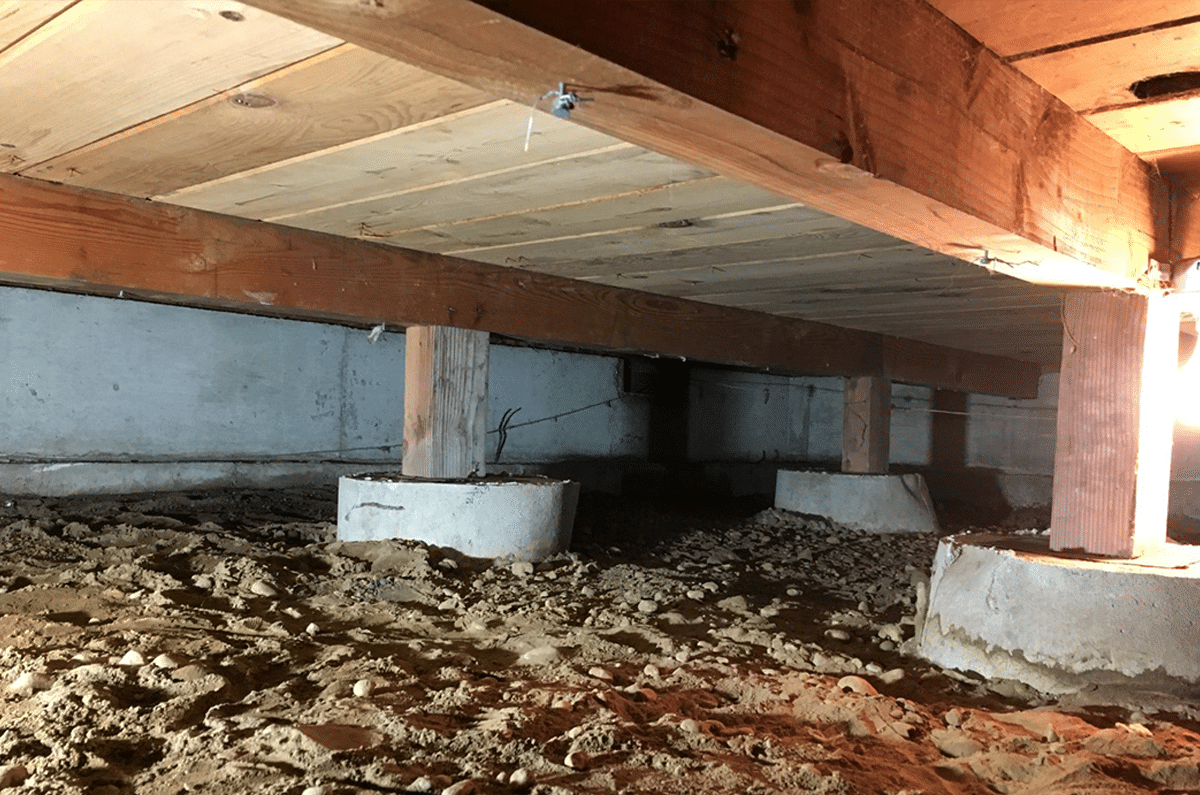
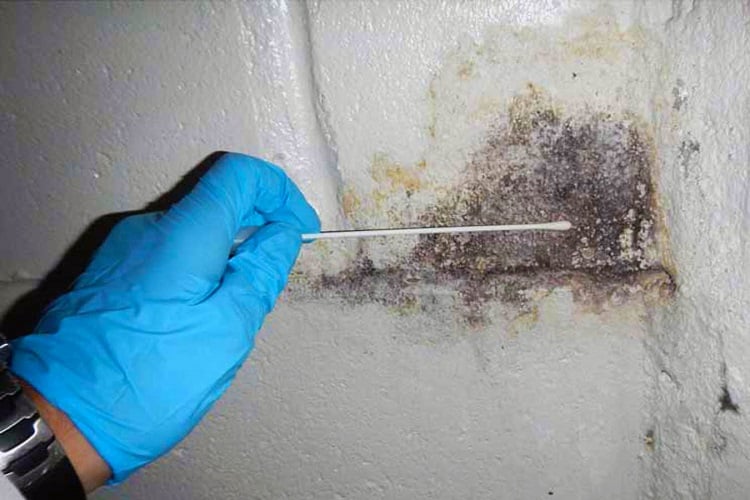
Basements are inherently prone to moisture buildup due to their below-ground location and lack of natural ventilation. Factors such as groundwater seepage, condensation, and inadequate waterproofing can contribute to excess moisture in basements, creating an ideal environment for mold and mildew growth.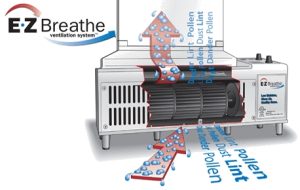
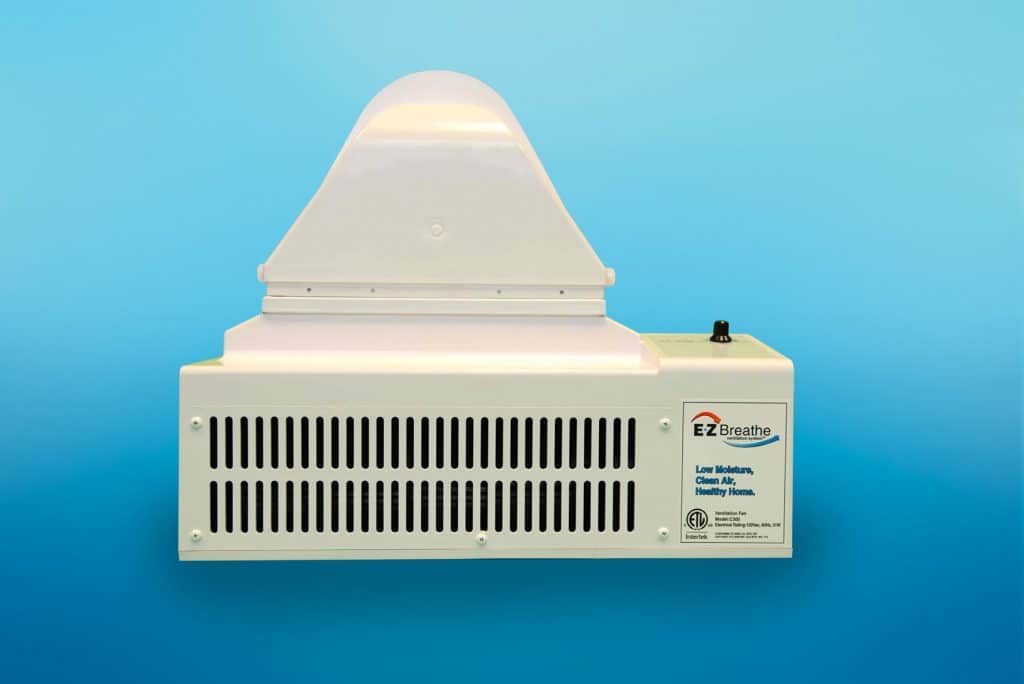
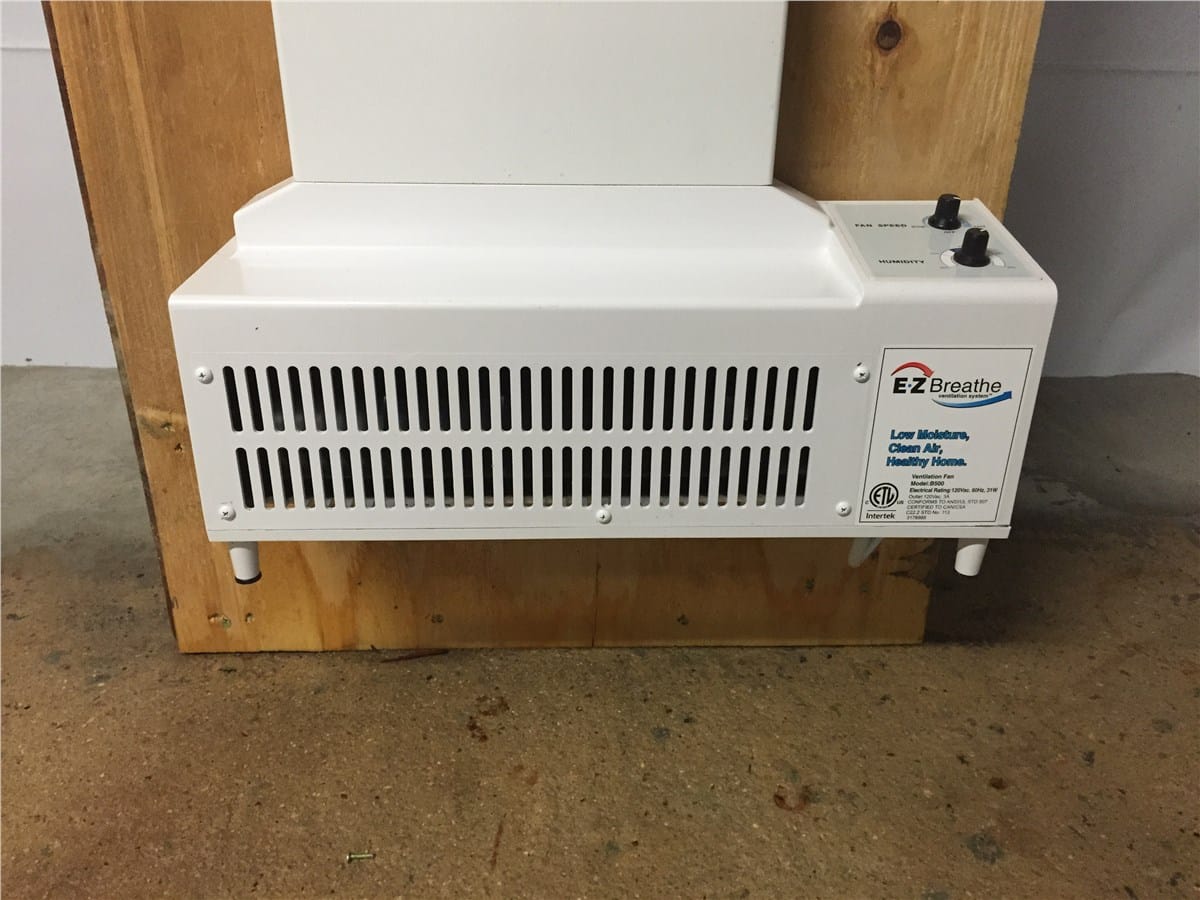
Proper ventilation is essential for controlling moisture levels in basements by promoting airflow and removing excess humidity. Ventilation systems such as exhaust fans, dehumidifiers, and heat recovery ventilators (HRVs) help circulate air and maintain optimal humidity levels, preventing moisture buildup and mold proliferation.
Here are some key ways in which basement ventilation contributes to moisture control:
- Air Circulation: Ventilation systems facilitate air movement within the basement, preventing stagnant air and allowing moisture to dissipate. Proper airflow helps distribute fresh air while expelling stale, humid air, reducing the likelihood of condensation and mold growth.
- Humidity Regulation: Ventilation systems remove excess humidity from the air, helping to maintain balanced indoor humidity levels. By controlling humidity, ventilation systems prevent moisture condensation on surfaces and inhibit mold and mildew growth.
- Moisture Removal: Mechanical ventilation systems such as exhaust fans and dehumidifiers actively remove moisture from the basement, preventing dampness and water damage. These systems extract humid air and expel it outside, effectively reducing moisture levels within the space.
- Prevention of Structural Damage: By controlling moisture levels, basement ventilation systems help prevent structural damage caused by water infiltration and dampness. Excess moisture can weaken building materials, leading to rot, decay, and deterioration over time. Proper ventilation mitigates these risks by keeping the basement environment dry and moisture-free.
In addition to installing ventilation systems, homeowners can take proactive measures to manage moisture in their basements, such as:
- Sealing Foundation Cracks: Seal any cracks or gaps in the basement walls and floors to prevent water intrusion and moisture infiltration.

- Improving Drainage: Ensure proper grading around the foundation and install effective drainage systems to divert water away from the basement.
- Waterproofing: Apply waterproof coatings or membranes to basement walls and floors to create a barrier against moisture penetration.
- Regular Maintenance: Regularly inspect and maintain ventilation systems, plumbing fixtures, and foundation components to identify and address potential moisture issues promptly.
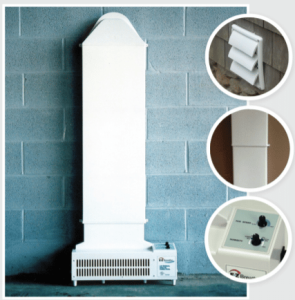
By incorporating these strategies and investing in effective ventilation systems, homeowners can mitigate moisture problems in their basements and create a healthy, comfortable living environment for themselves and their families.
Contact the Professionals at EZ BreatheToday! 866-822-7328