
If you have ever walked into your basement and felt the air was heavy, damp, or uncomfortable, chances are someone suggested a dehumidifier. For many homeowners, that feels like the obvious solution. Plug it in, empty the tank, problem solved. Except, for many people, the basement still does not feel right.
That raises an important question: are you actually improving air quality, or just managing moisture?
While dehumidifiers have their place, they are often misunderstood. To truly understand what your basement needs, it helps to look at the difference between removing moisture and replacing stale air.
Why dehumidifiers are so commonly used in basements
 Dehumidifiers are popular because they are easy to buy and easy to understand. High humidity is a common basement issue, and these machines are designed to pull moisture out of the air.
They can be helpful when:
Humidity levels are consistently high
Condensation forms on walls or pipes
You want to reduce dampness quickly
In many cases, a dehumidifier can reduce musty smells and make the space feel slightly more comfortable. That is where many homeowners stop looking for answers.
The limitation most homeowners do not realize
Here is the key thing dehumidifiers do not do: they do not remove stale air.
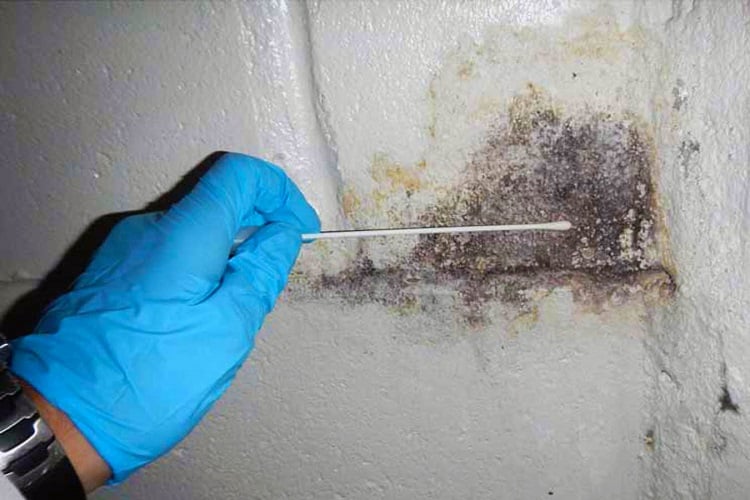
A dehumidifier takes the air already in your basement, removes some moisture from it, and then releases that same air back into the space. Any odors, allergens, mold spores, or airborne pollutants stay behind.
This is why many people notice:
The basement smells better, but not fresh
The air still feels heavy
Odors return quickly when the unit is turned off
Moisture control alone does not equal healthy air.
What basement ventilation does differently
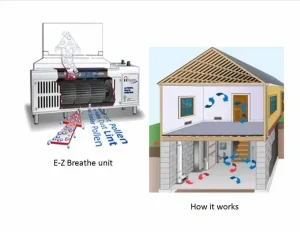
Ventilation addresses a completely different problem. Instead of treating the air, it replaces it.
A proper basement ventilation system continuously removes stale, contaminated air and brings in fresh outdoor air. This process prevents pollutants from building up in the first place.
Rather than managing symptoms, ventilation tackles the root cause of poor air quality.
Air quality is more than humidity numbers
Many homeowners focus on humidity readings alone. While humidity is important, air quality includes much more.
Poor basement air can contain:
Mold spores
Dust and allergens
Chemical odors from stored items
Gases released by building materials
Lingering musty smells
A dehumidifier may lower the humidity level, but it leaves these airborne contaminants untouched.
Ventilation physically removes them from the space.
Why basements need continuous air exchange
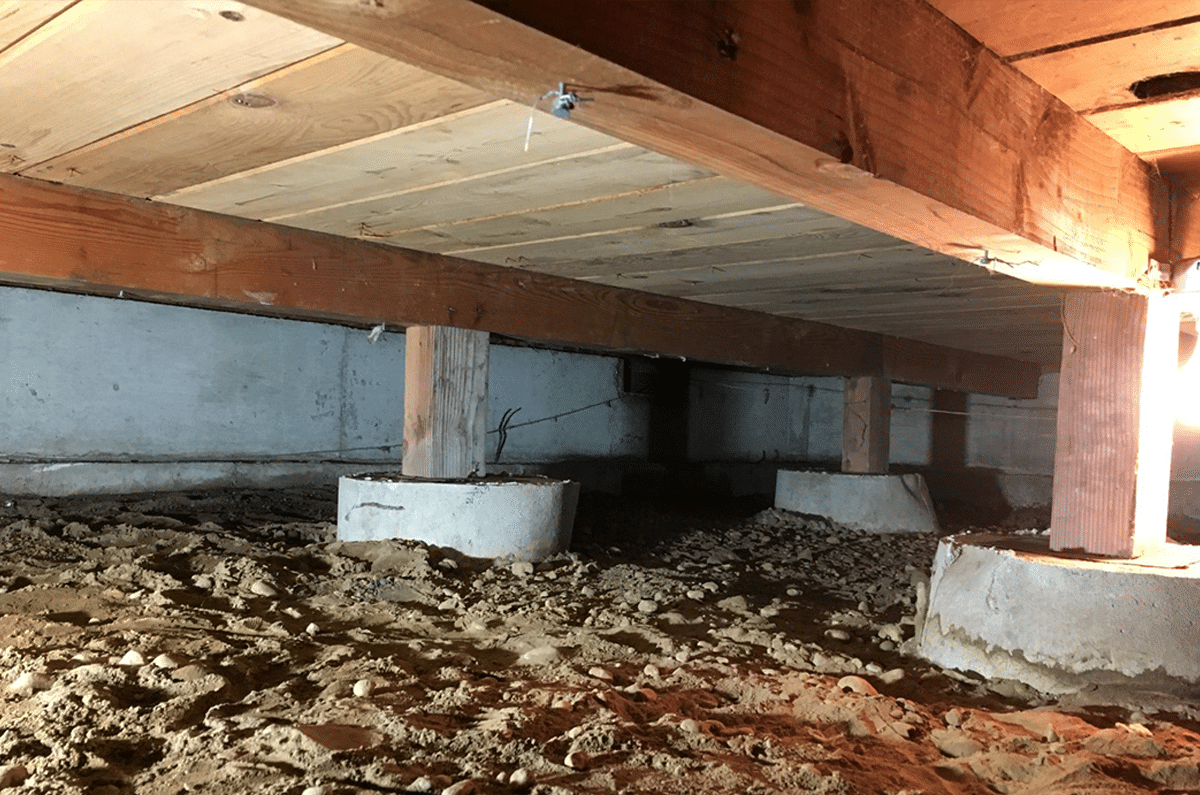
Basements are naturally isolated from fresh airflow. Without windows or with windows kept closed, air becomes trapped. Over time, that trapped air grows stale.
Occasionally opening a door or running a fan does not solve this long-term. What basements need is consistent, low-level air movement that works every day, not just when someone remembers to turn something on.
That is where continuous ventilation becomes so effective.
How ventilation improves the entire home
Basement air does not stay in the basement. Because of natural air movement, air from the lowest level of the home rises and circulates upward.
When basement air is stale, those odors and pollutants travel into living areas. When basement air is fresh, the opposite happens.
Homeowners often notice:
Fewer lingering odors upstairs
Improved comfort throughout the home
Less reliance on air fresheners or candles
A general feeling of cleaner indoor air
The improvement is subtle but noticeable over time.
Dehumidifier fatigue is real
Many homeowners grow frustrated with dehumidifiers after months or years of use. Emptying tanks, cleaning filters, dealing with noise, and watching the unit run nonstop becomes exhausting.
In some basements, dehumidifiers run almost constantly because moisture is continuously entering through concrete walls and surrounding soil.
Ventilation reduces the load on dehumidifiers by removing humid air before it accumulates. In some cases, homeowners can downsize their dehumidifier or stop using one entirely.
Finished basements need more than moisture control
In finished basements, air quality becomes even more important. Furniture, carpeting, drywall, and personal belongings all absorb and release odors and moisture.
Without ventilation, these materials can trap stale air and slowly degrade over time.
Ventilation helps protect:
Finished walls and ceilings
Flooring and furniture
Electronics and stored items
The comfort of people using the space daily
A basement that looks beautiful but smells unpleasant will never feel truly livable.
When ventilation makes more sense than a dehumidifier
A dehumidifier may be enough if your basement only experiences occasional humidity spikes. However, ventilation is often the better solution when:
 Musty odors never fully go away
The air feels stale or heavy
Allergies worsen indoors
You want a low-maintenance, long-term solution
The basement air affects the rest of the home
 Musty odors never fully go away
In these situations, ventilation addresses the full picture, not just one symptom.
A system designed specifically for basements
General ventilation solutions are not always effective in below-grade spaces. Basements require systems designed for their unique conditions.
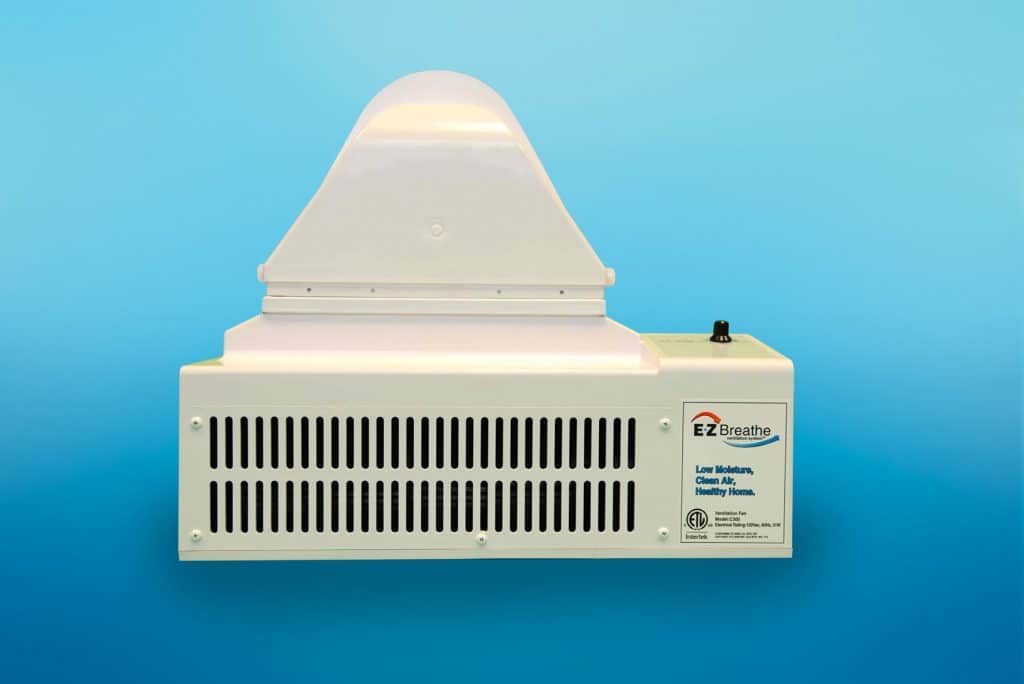
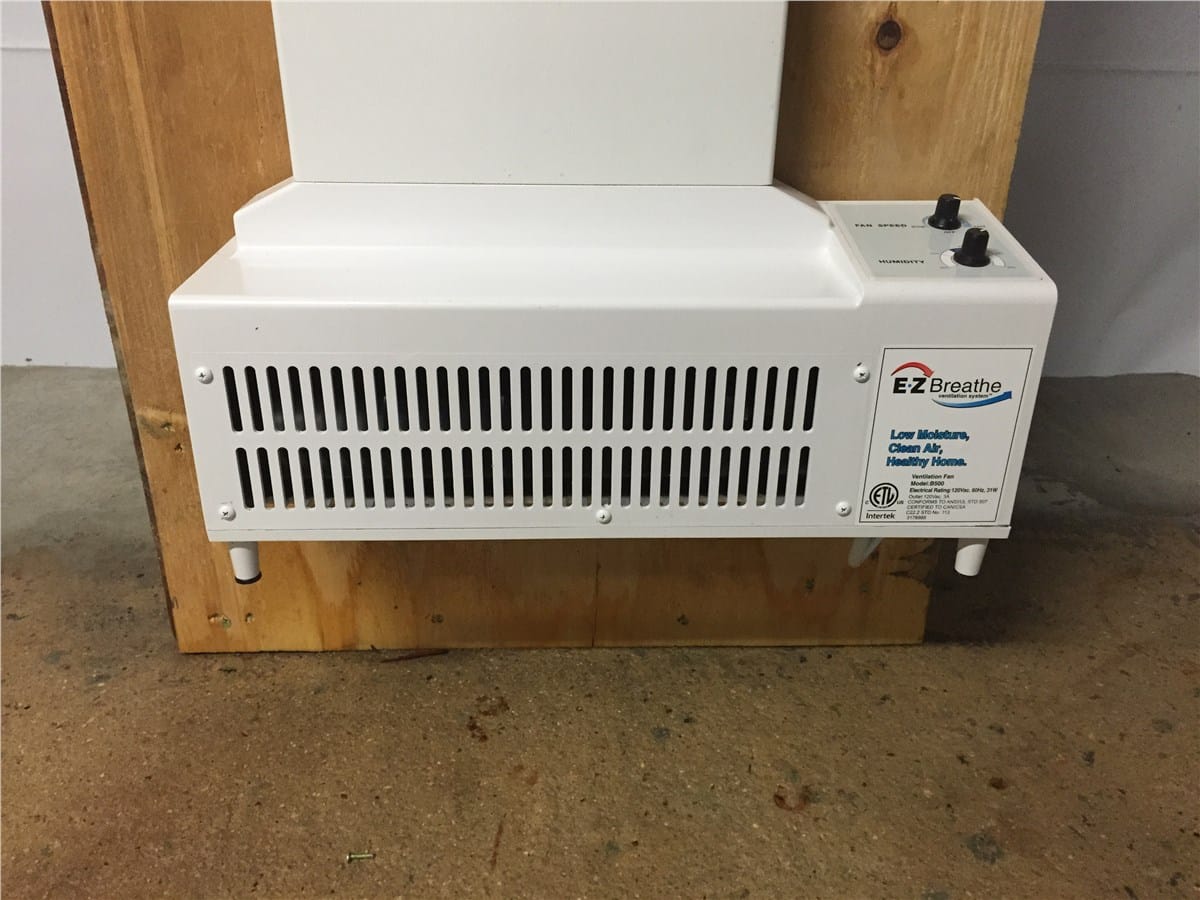
The EZ Breathe Ventilation System is built specifically to handle basement and crawl space air issues. It works continuously to remove stale air, manage moisture, and improve overall indoor air quality without relying on constant homeowner attention.
Instead of reacting to problems, it prevents them.
Comfort you notice, even if you cannot explain it
One of the most interesting things homeowners report after improving basement ventilation is how different their home feels, even if they cannot pinpoint why.
The air feels lighter. The home feels cleaner. Basements become spaces people actually want to use.
That is the difference between managing humidity and improving air quality.
Final thoughts
Dehumidifiers are useful tools, but they are not complete air quality solutions. If your basement still feels uncomfortable despite controlling humidity, stale air is likely the missing piece.
True air quality improvement comes from replacing old air with fresh air consistently. When that happens, basements stop feeling like problem areas and start feeling like part of the home again.
Choosing the right solution means understanding the difference, and once you do, the path forward becomes much clearer.