

Improving Indoor Air Quality A Comprehensive Guide
Indoor air quality (IAQ) refers to the quality of the air inside buildings and its impact on the health and well-being of occupants. With most individuals spending a significant amount of time indoors, maintaining good IAQ is crucial. Poor indoor air quality can lead to various health issues, including respiratory problems, allergies, and reduced cognitive function. In this comprehensive guide, we will explore effective strategies to improve indoor air quality and create a healthier living environment.
Keep Your Home Clean
Regular cleaning is a fundamental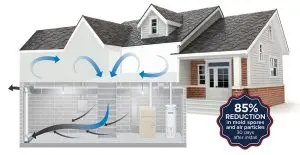
Control Humidity Levels
Excess humidity in the air can promote the growth of mold, mildew, and dust mites, leading to poor IAQ. Use a dehumidifier to maintain optimal humidity levels, ideally between 30% and 50%. In humid climates, consider using air conditioners or ventilation systems with dehumidifying capabilities. Fix any plumbing leaks promptly to prevent moisture buildup and mold growth.
Ventilate Properly
Proper ventilation is essential for maintaining good Indoor air quality. It helps remove indoor air pollutants and brings in fresh outdoor air. Ensure that your home has adequate ventilation by opening windows and using exhaust fans in bathrooms and kitchens to remove excess moisture and pollutants. Consider installing a whole-house ventilation system to ensure a constant supply of fresh air and proper air circulation.
Avoid Smoking Indoors
Smoking indoors is a significant contributor to poor IAQ. Tobacco smoke contains numerous harmful chemicals and carcinogens that can linger in the air and settle on surfaces. If you or someone in your household smokes, make it a strict rule to smoke outdoors. This will prevent the introduction of harmful pollutants into your home and protect the health of both smokers and non-smokers.
Use Natural and Low-toxicity Cleaning Products
Many household cleaning products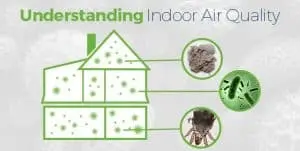
Keep Indoor Plants
Indoor plants not only add beauty to your home but also help improve Indoor air quality. They act as natural air purifiers by absorbing carbon dioxide and releasing oxygen. Certain plants, such as peace lilies, spider plants, and snake plants, are known for their air-cleaning properties. Place indoor plants strategically throughout your home to enhance air quality and create a calming environment.
Test for Radon and Carbon Monoxide
Radon and carbon monoxide are invisible and odorless gases that can pose serious health risks. Radon is a naturally occurring radioactive gas that can seep into homes through cracks in the foundation. Install a radon detection kit or seek professional testing to ensure your home is free from radon. Similarly, install carbon monoxide detectors on every level of your home to alert you in case of a leak from gas appliances or heaters.
Improving indoor air quality is vital for creating a healthy and comfortable living environment. By keeping your home clean, controlling humidity levels, ventilating properly, avoiding indoor smoking, using natural cleaning products, incorporating indoor plants, and testing for radon and carbon monoxide, you can significantly enhance IAQ. Prioritizing these strategies will help safeguard your health and well-being, ensuring that you and your loved ones breathe clean and fresh air indoors.
Contact the Professionals at EZ Breathe Today! 866-822-7328