

As the snow melts and April showers begin to saturate the ground, many homeowners focus their spring cleaning efforts on landscaping and windows. However, for those with a basement or crawlspace, the real priority should be beneath their feet. The “spring thaw” is one of the most taxing times of year for a home’s structural health and indoor air quality. When the frozen ground begins to soften and the water table rises, your basement becomes a prime target for moisture infiltration, stagnant air, and the rapid growth of seasonal mold.
Why Spring is the Danger Zone for Indoor Air Quality

During the winter, the ground surrounding your home is frozen solid, effectively locking moisture in place. As temperatures rise, this frost line thaws, releasing thousands of gallons of water into the soil immediately adjacent to your foundation. This phenomenon, known as hydrostatic pressure, pushes water through microscopic cracks in concrete walls and floor slabs.
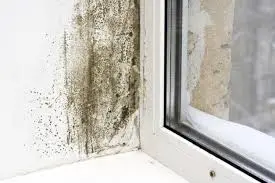
Compounding this issue is the “Closed House Syndrome.” In the early spring, it is often too cool for air conditioning but too damp to leave windows open. This results in a home that is effectively sealed shut while moisture levels are at their peak. Without a way for this dampness to escape, your basement becomes a high-humidity incubator. If the relative humidity in your basement exceeds 60%, mold spores—which are always present in the air—will land on organic surfaces like cardboard boxes, drywall, or wood framing and begin to colonize within 24 to 48 hours.
Identifying Early Warning Signs of Seasonal Dampness
Preventing a full-scale mold outbreak requires vigilance. Homeowners should perform a “sensory audit” of their lower levels every week during the spring thaw. The first sign is almost always the smell. That classic “wet dog” or earthy aroma is actually the off-gassing of mold and bacteria as they begin to feed on damp organic material.
Beyond the smell, look for physical cues of moisture stress. Efflorescence—a white, powdery substance on concrete walls—is a sign that water is evaporating off the surface and leaving mineral deposits behind. You may also notice “sweating” on cold water pipes or windows, which indicates that the air is over-saturated. If you spot dark spots on the bottom of drywall or notice that stored items feel slightly limp or damp to the touch, your home is already in the danger zone.
Why Passive Vents Aren’t Enough for Crawlspaces
For homes built on crawlspaces, the spring thaw is particularly treacherous. Many homeowners believe that their built-in passive vents (those small screened openings in the foundation) are providing enough airflow to keep the area dry. In reality, during a humid spring day, these vents can actually make the problem worse. When warm, moist spring air enters a cool crawlspace, it reaches its dew point and condenses into liquid water on your floor joists and insulation.
Passive ventilation relies entirely on wind and weather conditions, which are inconsistent. To truly protect a crawlspace during the rainy season, you need mechanical ventilation. A system like EZ Breathe provides active, consistent exhaust, ensuring that damp air is pulled out of the house before it has the chance to condense and cause wood rot or mold growth.
Proactive Steps: The EZ Breathe Spring Checklist
To ensure your home remains a “Healthy Home” this season, follow these proactive maintenance steps:
- Clear Your Gutters: Ensure downspouts are discharging water at least 6 to 10 feet away from the foundation to reduce hydrostatic pressure.
- Check Your Sump Pump: Ensure the pump is cycling correctly and that the discharge line is not obstructed by winter debris.
- Monitor Humidity: Use a hygrometer to track basement moisture. If it stays above 55%, your current solution is not keeping up.
- Activate Whole-Home Ventilation: Ensure your EZ Breathe system is set to the appropriate seasonal fan speed to handle the increased moisture load of the spring thaw.
By shifting from a reactive “clean up the mess” mindset to a proactive ventilation strategy, you can enjoy the change of seasons without the lingering fear of mold or structural damage.
Frequently Asked Questions
Should I open my basement windows in the spring to “air it out”?
Generally, no. Opening windows during a humid spring day allows warm, moisture-heavy air to enter your cool basement. This leads to condensation on your walls and floor, which can actually trigger mold growth rather than preventing it.
Will EZ Breathe help with my spring allergies?
Yes. Many “seasonal allergies” are actually reactions to mold spores and dust mites that thrive in damp basements. By exhausting these allergens and maintaining low humidity, EZ Breathe significantly improves the air quality for allergy sufferers.
How does the system handle high-pollen days?
Because EZ Breathe is an exhaust-based system, it focuses on pushing indoor pollutants (including any pollen that has made its way inside) out of the home. It creates a healthier “flushing” effect that reduces the overall concentration of irritants in your living space.