

Have you ever thought about how excess moisture in your basement can affect your home? It’s more than just a damp feeling or musty smell. Too much moisture can lead to severe issues like mold growth, weakened structural integrity, and potential health hazards. Installing a basement dehumidifier might be the solution you need, but how do you know if it’s the right fit for your space? Let’s break down everything you need to know.
Key Takeaways
A basement dehumidifier reduces moisture, preventing mold, mildew, and unpleasant odors.

Dehumidifiers improve indoor air quality by eliminating allergens like mold spores and dust mites.
Installing a dehumidifier helps protect your home’s foundation and wood components from moisture damage.
Regular maintenance and energy consumption are considerations, but energy-efficient models can help minimize these impacts.
Ensure the dehumidifier’s capacity matches your basement size, and choose one with useful features like auto shut-off and humidity sensors.
Understanding Basement Moisture Issues
Many homeowners don’t realize that basements can naturally have higher levels of moisture. This moisture can come from several sources, such as groundwater seepage, condensation from appliances, or even moisture penetrating through concrete walls and floors.
Concrete isn’t waterproof, and over time, moisture can seep through it, contributing to the humidity in your basement.
To address these moisture sources effectively, consider solutions like sump pumps for groundwater seepage or ensuring appliances are properly vented to prevent condensation.
Additionally, the cooler temperature in basements often causes warm, moist air to condense on surfaces, adding to the humidity.
How a Dehumidifier Helps
With all the potential sources of moisture in your basement, managing humidity can be difficult. This is where a dehumidifier becomes essential. It regulates moisture levels, creating a healthier, more comfortable environment in your basement.
Here’s how it works:
It removes excess moisture from the air, lowering humidity levels.
It prevents the growth of mold and mildew, common issues in damp basements.
It keeps your basement smelling fresh by eliminating musty odors.
It protects furniture, electronics, and documents from moisture damage.
It improves air quality, making your basement a safer space to spend time in.
Signs Your Basement Needs a Dehumidifier
If your basement constantly smells musty, it’s a strong indicator of high humidity levels. This odor is one of the most obvious signs that moisture is present and needs to be addressed.
Other signs that you might need a dehumidifier include:
Visible mold or mildew on walls, floors, or furniture.
Water stains on your basement walls or ceilings, which indicate excess moisture.
Condensation on windows or pipes, known as “sweating” surfaces.
Damp, clammy air or moisture on soft furnishings, like couches or blankets.
Health Benefits of Dehumidifiers
A major benefit of a dehumidifier is the improvement of indoor air quality. By removing excess moisture, it can help reduce common allergens like mold spores, dust mites, and pet dander.
With better air quality, your basement becomes a more comfortable and healthier space, particularly if you or your family members have respiratory issues or allergies.
Preventing Mold and Mildew
Dehumidifiers play a vital role in stopping mold and mildew growth. Mold thrives in moist, damp environments, making basements a perfect breeding ground.
By maintaining balanced humidity levels, dehumidifiers help prevent mold growth, saving you from costly repairs and potential health risks associated with mold exposure.
Here’s how dehumidifiers help:
They lower humidity levels, making the environment less favorable for mold spores.
They dry out damp areas, especially walls and floors prone to condensation.
They improve air circulation, reducing stagnant, moist air where mold can thrive.
They keep moisture levels in check, preventing both excessive dryness and excess dampness.
Allergy and Air Quality Benefits
Dehumidifiers also significantly reduce allergy triggers by controlling the growth of mold and dust mites. These allergens thrive in high humidity, and reducing moisture levels can help make your basement a more allergy-friendly environment.
By managing humidity, dehumidifiers help limit mold spores, dust mites, and pet dander, all of which can aggravate allergy symptoms.
Protecting Your Home’s Structure
Over time, high moisture levels in your basement can cause serious damage to your home’s structure. Excess moisture can weaken concrete foundations, lead to wood rot, and even cause structural components to warp.
A basement dehumidifier helps protect your home by reducing moisture levels, safeguarding the foundation and wooden beams from damage.
By preventing excess moisture, you’re also ensuring that your home’s structural integrity remains intact.
Energy Efficiency and Dehumidifiers
While dehumidifiers offer many benefits, they can increase energy usage. However, if you choose an energy-efficient model, such as one with an Energy Star rating, you can reduce energy consumption over time.
Here’s how they help:
Energy-efficient dehumidifiers use less power to maintain the desired humidity levels.
By reducing moisture, dehumidifiers can help make your basement feel cooler, reducing the need for air conditioning.
These units also extend the life of other appliances, as your cooling systems will need to work less hard.
Potential Drawbacks of Dehumidifiers
There are a few considerations to keep in mind when installing a dehumidifier:
Energy consumption: Some dehumidifiers use significant amounts of power, leading to higher utility bills.
Noise levels: Depending on the model, dehumidifiers can create background noise. Choosing a quieter model or placing it in a less-used area can help.
Maintenance: Dehumidifiers need regular care, including cleaning filters, emptying water reservoirs, and inspecting for wear and tear.
Choosing the Right Dehumidifier
Selecting the right dehumidifier is key. When choosing, consider the following: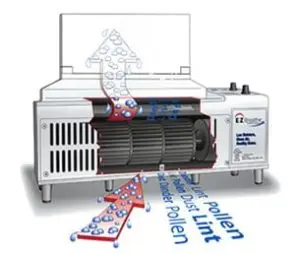
Capacity: The size of your basement and moisture level will determine the capacity needed. Larger units are more efficient for bigger spaces.
Energy efficiency: Look for models with high energy ratings to minimize electricity use.
Noise level: If noise is a concern, opt for quieter models or those with noise-reducing features.
Additional features: Look for features like auto shut-off, continuous drainage, and built-in humidistats for ease of use.
Frequently Asked Questions
How Much Does a Basement Dehumidifier Cost?
The price varies, typically ranging from $50 to $300, depending on the model’s size, energy efficiency, and features.
Can I Install a Basement Dehumidifier Myself?
Yes, it’s possible to install one yourself if you’re comfortable with DIY projects. However, hiring a professional can ensure it’s done correctly.
What Maintenance Does a Basement Dehumidifier Require?
Maintenance is straightforward—clean filters regularly, empty the water reservoir, and check for any blockages in the drainage system.
In conclusion, if you’re facing high humidity, unpleasant odors, or mold in your basement, a dehumidifier can be a game-changer. It improves air quality, protects your home’s structure, and ensures a healthier environment. Just keep in mind the potential energy costs and regular maintenance needs when choosing the right unit for your space.