

Water damage is one of the most stressful and destructive issues a homeowner can face. Whether it’s caused by a burst pipe, an overflowing appliance, or severe weather, the damage can escalate quickly and have long-term effects if not addressed properly. Water damage restoration is a comprehensive process that goes beyond simply drying things out—it’s about returning the home to its pre-damage condition safely and efficiently.
When people think of water damage, they often picture soaked carpets or puddles in the basement. However, the damage can go much deeper. Water can seep behind walls, under floors, and into insulation. If not handled quickly, it leads to mold growth, structural instability, and health hazards. That’s why understanding the full water damage restoration process is critical.
The most common causes of water damage include broken or leaky pipes, overflowing sinks or tubs, backed-up sewage, malfunctioning appliances, roof leaks, clogged gutters, and foundation cracks. Natural disasters like heavy rainstorms or hurricanes can also cause significant water infiltration. Each situation varies in severity, and the response must be tailored accordingly.
The restoration process begins with an emergency call. A professional team typically responds quickly to assess the damage. Using advanced tools such as moisture meters and thermal imaging cameras, they inspect the entire area to determine how far the water has spread. It’s important to classify the water based on its contamination level: clean water, gray water, and black water. This helps restoration teams decide how to proceed safely.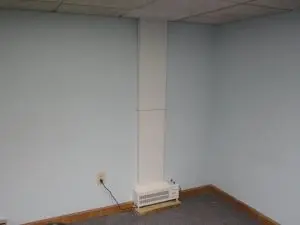
Once the inspection is complete, water extraction begins. This step is all about removing as much standing water as possible. Restoration professionals use heavy-duty equipment like submersible pumps and high-powered vacuums to clear out the water. Timing is critical at this stage—removing water within the first 24 to 48 hours significantly reduces the risk of mold growth and additional damage.
After the bulk of the water is removed, drying and dehumidifying take center stage. Industrial air movers and dehumidifiers are strategically placed throughout the affected areas. These machines work together to draw out moisture trapped in walls, floors, and furniture. Moisture levels are carefully monitored with specialized tools to ensure thorough drying. Any residual dampness can become a breeding ground for mold, which makes this step especially important.
With everything dry, the next phase is cleaning and sanitizing. All surfaces and materials exposed to water are cleaned with antimicrobial and antibacterial treatments. This helps eliminate bacteria, viruses, and potential allergens. Odors are also addressed using air scrubbers or deodorizing agents. Items such as carpets, upholstery, and personal belongings are cleaned and salvaged where possible. Restoration teams often use specialty equipment for fabric and document recovery to preserve sentimental or valuable items.
The final stage of the restoration process involves repair and reconstruction. This can include replacing drywall, reinstalling insulation, painting, refinishing floors, or even rebuilding entire sections of the home. In some cases, electrical or HVAC systems may need repairs. The goal is to return the property to its original condition, or better, ensuring both function and comfort.
Hiring a professional water damage restoration team offers numerous benefits. First and foremost, they come equipped with tools and technology that most homeowners don’t have access to. Industrial dryers, moisture detectors, and high-grade sanitizing solutions allow them to work quickly and effectively. In addition, trained technicians know how to handle contaminated water and reduce the risk of mold and mildew.
Professionals also help homeowners navigate the often-confusing insurance claims process. Restoration companies usually take photos and document the damage thoroughly, providing detailed reports to adjusters. This can make a huge difference when it comes to reimbursement and claim approval.
One common concern after water damage is what can be salvaged and what needs to be discarded. Restoration professionals carefully assess each item. Depending on the type of water involved and how long the item was exposed, many things can be saved. Hardwood floors, for example, may warp temporarily but can often be restored with drying and sanding. Drywall may be saved if only slightly damp, while carpeting and furniture can usually be cleaned unless soaked in contaminated water.
Mold is one of the most serious threats following water damage. It can begin growing within 24 to 72 hours, especially in dark and damp areas. Mold not only causes unpleasant odors and unsightly stains, but it also poses health risks, especially for people with allergies or respiratory conditions. Water damage restoration includes proactive mold prevention, and in some cases, mold remediation if it has already started spreading. Professionals will contain the area, remove affected materials, and apply antimicrobial treatments to keep mold from returning.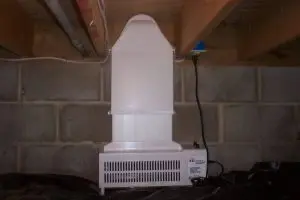
Prevention is just as important as restoration. Homeowners can take several steps to protect their properties from future water damage. Installing a sump pump with a battery backup, routinely checking for plumbing leaks, maintaining gutters, sealing foundation cracks, and installing leak detection systems can significantly reduce the risk of water-related issues. Basement and crawlspace waterproofing services also add an extra layer of protection.
Water damage is often unexpected, but with the right help, it doesn’t have to be a disaster. Acting quickly, calling in professionals, and understanding the restoration process can save time, money, and stress. Homeowners who respond swiftly and rely on experienced technicians can expect to restore not just their home, but their peace of mind.