
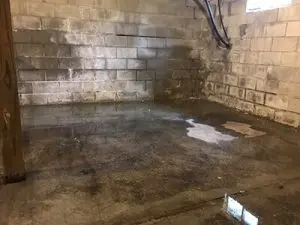
Basements, while valuable for storage or additional living space, are often vulnerable to water infiltration due to their position below ground level. Water intrusion can result in mold growth, foundation damage, and costly repairs. Therefore, homeowners need to employ effective basement waterproofing methods to ensure their homes remain moisture-free. In this guide, we’ll explore various basement waterproofing techniques, discussing both their benefits and potential drawbacks to provide a balanced perspective.
1. Exterior Basement Waterproofing: The First Barrier
Exterior basement waterproofing is designed to stop water before reaching the basement. This approach targets water management around the foundation.
- Waterproof Membranes: One common method involves excavating around the foundation and applying a waterproof membrane or coating to the exterior walls. Materials such as asphalt-modified polyurethane or rubberized asphalt are typically used to create an impermeable barrier.
Pros:- Prevents water entry at the source: This method stops water before it reaches the foundation, offering comprehensive protection.
- Durable: Once installed, the waterproof membrane can last for decades, making it a long-term solution.
- Cons:
- Expensive: Excavation and applying waterproof materials are costly, with labor and material expenses adding up.
- Disruptive: The process requires digging around the foundation, which can disturb landscaping, walkways, and driveways.
- French Drains: French drains are another popular exterior waterproofing method. These are perforated pipes installed around the foundation, buried in gravel-filled trenches. Water that builds up around the foundation is captured by the drains and diverted away from the home.
Pros:- Effective water diversion: French drains help manage groundwater and prevent it from accumulating around the foundation.
- Reduces hydrostatic pressure: By controlling water flow, these drains help relieve pressure on the basement walls.
- Cons:
- Requires maintenance: Over time, French drains can clog with sediment and may need cleaning or repairs.
- Installation costs: Like waterproof membranes, French drains require excavation, making them a significant investment.
2. Interior Basement Waterproofing: Handling Water from Within
Interior basement waterproofing addresses water that has already entered the basement or manages moisture through preventive measures.
- Interior Drainage Systems: Interior French drains, or perimeter drains, are installed along the inside perimeter of the basement floor. These pipes collect water that seeps in and directs it to a sump pump, which ejects the water out and away from the house.
Pros:- Less invasive than exterior waterproofing: No need to excavate around the foundation, so it won’t disturb landscaping.
- Effective for managing existing water issues: This system is ideal for basements that experience periodic water intrusion.
- Cons:
- Doesn’t stop water entry: Interior systems manage water after it has entered the basement, but they don’t prevent it from coming in.
- Dependent on sump pumps: If the sump pump fails (especially during a power outage), the system may be ineffective.
- Sump Pumps: Sump pumps are essential for any interior drainage system. These devices are installed in sump pits, and when water collects in the pit, the pump automatically ejects it away from the home. There are two main types of sump pumps: pedestal and submersible.
Pros:- Effective water removal: Sump pumps can quickly remove large amounts of water, preventing basement flooding.
- Automatic operation: Sump pumps are triggered by rising water levels, providing peace of mind during heavy rains.
- Cons:
- Requires power: Sump pumps run on electricity, so a power outage can leave your basement vulnerable unless you have a backup system.
- Maintenance needed: Regular maintenance is required to keep the pump functioning properly.
3. Sealing Foundation Cracks
Cracks in basement walls or floors are common pathways for water entry. Repairing these cracks can help prevent moisture issues.
- Epoxy or Polyurethane Crack Injections: These materials can be injected into foundation cracks to seal them and prevent water infiltration. Epoxy is rigid and ideal for structural repairs, while polyurethane is flexible and better suited for small, moving cracks.
Pros:- Cost-effective: Crack injections are relatively affordable compared to other waterproofing methods.
- Quick fix: These injections can be done quickly, providing immediate protection.
- Cons:
- Limited effectiveness for major leaks: Crack injections are not suitable for basements with significant water problems.
- May not be permanent: Cracks can reappear over time, especially if the foundation continues to shift.
4. Vapor Barriers and Dehumidifiers
For basements that struggle with high humidity rather than direct water intrusion, vapor barriers and dehumidifiers can help manage moisture levels.
Vapor Barriers: Vapor barriers are impermeable sheets applied to basement walls and floors to block moisture from entering. They are especially useful in unfinished basements to prevent condensation.
- Pros:
- Reduces humidity: Vapor barriers prevent moisture from seeping through walls and floors, lowering the overall humidity in the basement.
- Mold prevention: By keeping moisture out, vapor barriers reduce the risk of mold growth.
- Cons:
- Not a complete solution: Vapor barriers don’t address water that enters through cracks or other pathways.
- May require additional ventilation: Vapor barriers can sometimes trap moisture, necessitating improved ventilation.
Dehumidifiers: Basement dehumidifiers help reduce humidity levels, making the space more comfortable and preventing mold growth.
- Pros:
- Improves air quality: Lower humidity levels reduce the risk of musty odors and mold spores in the air.
- Easy to install: Dehumidifiers require no professional installation and can be placed anywhere in the basement.
- Cons:
- Doesn’t address water intrusion: Dehumidifiers only control moisture in the air, not water that enters through cracks or leaks.
- Energy consumption: Dehumidifiers run on electricity and may increase energy bills, especially in humid climates.
Choosing the right basement waterproofing method depends on the specific water issues your home is facing. Exterior solutions like waterproof membranes and French drains are effective but come with higher costs and disruption. Interior methods, such as drainage systems and sump pumps, provide relief from existing water problems but don’t prevent water from entering. Finally, tools like vapor barriers and dehumidifiers help manage moisture but aren’t a full waterproofing solution. By understanding the advantages and limitations of each method, homeowners can make informed decisions to keep their basements dry and secure.
Contact the Professionals at EZ Breathe Ventilation System Today! 866-822-7328